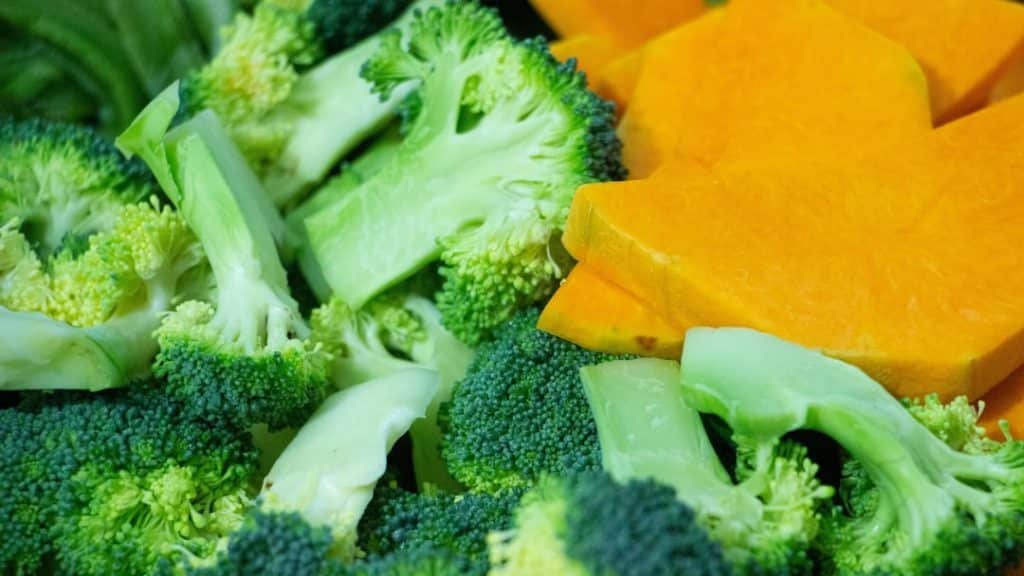
The ketogenic diet, commonly referred to as the keto diet, is a low-carbohydrate, high-fat eating plan that has gained immense popularity in recent years. At its core, the keto diet aims to shift your body’s metabolism from burning carbohydrates for energy to burning fat. This metabolic state is known as ketosis, where your body becomes highly efficient at converting fat into ketones, which serve as an alternative energy source.
By drastically reducing your carbohydrate intake and replacing it with healthy fats, you can encourage your body to enter this state of ketosis, leading to weight loss and various health benefits. As you embark on your keto journey, it’s essential to understand the types of foods that fit within this dietary framework. While many people focus on high-fat foods like avocados, nuts, and oils, it’s equally important to be mindful of the carbohydrates found in vegetables.
Not all vegetables are created equal when it comes to their carb content. Some are high in carbohydrates and can hinder your progress on the keto diet, while others are low in carbs and can be enjoyed freely. By familiarizing yourself with these distinctions, you can make informed choices that align with your dietary goals.
Key Takeaways
- The keto diet is a low-carb, high-fat diet that can help with weight loss and improve overall health.
- High-carb vegetables to avoid on keto include potatoes, corn, and peas.
- Starchy vegetables like sweet potatoes and beets should be eliminated from a keto diet.
- Root vegetables such as carrots and parsnips should be restricted on a keto diet due to their higher carb content.
- Sweet vegetables like bell peppers and tomatoes should be limited on a keto diet due to their natural sugar content.
- Some vegetables have hidden carbs that can add up, such as onions and garlic.
- Low-carb alternatives to high-carb vegetables include cauliflower rice, zucchini noodles, and spaghetti squash.
- Cooking tips for lowering carb content in vegetables include steaming, roasting, and sautéing instead of boiling.
- Non-starchy vegetables like spinach, broccoli, and kale can be easily incorporated into a keto diet.
- Eating low-carb vegetables on keto can provide essential nutrients, fiber, and antioxidants while keeping carb intake low.
- Delicious keto-friendly vegetable recipes include cauliflower mac and cheese, zucchini lasagna, and avocado cucumber salad.
High-Carb Vegetables to Avoid on Keto
When following a keto diet, one of the first steps is to identify high-carb vegetables that you should avoid. These vegetables can quickly add up in terms of carbohydrate content and may disrupt your ability to maintain ketosis. For instance, corn is a common vegetable that is often overlooked; it is not only high in carbs but also has a high glycemic index, which can spike your blood sugar levels.
Similarly, peas and certain types of beans are also packed with carbohydrates and should be limited or eliminated from your meals. Another group of vegetables to be cautious about includes those that are often considered healthy but are still high in carbs. Carrots, for example, while nutritious, contain more sugar than you might expect.
A cup of raw carrots can have around 12 grams of carbohydrates, which can take up a significant portion of your daily carb allowance on a keto diet. By being aware of these high-carb vegetables, you can better navigate your food choices and stay on track with your keto goals.
Starchy Vegetables to Eliminate on Keto
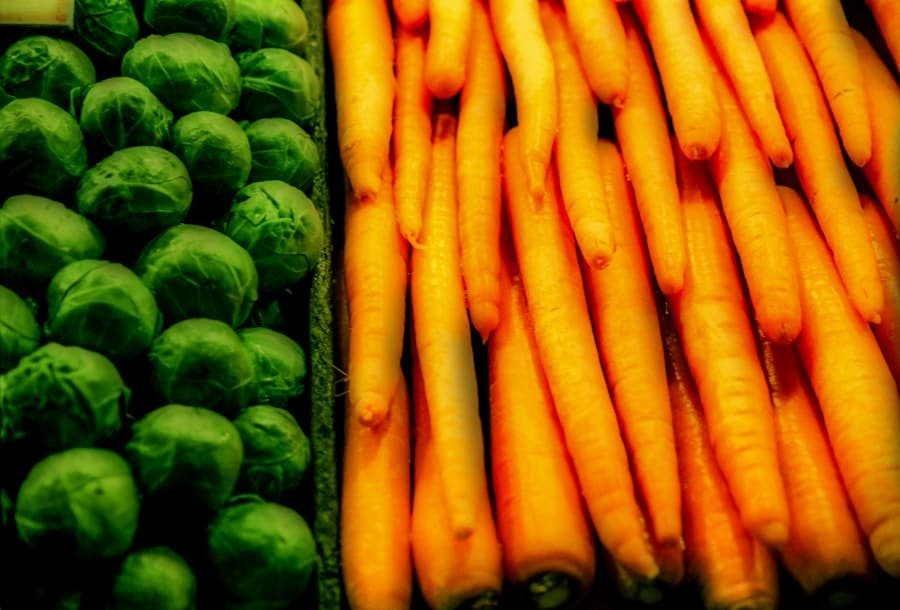
Starchy vegetables are another category that requires careful consideration when following a ketogenic diet. These vegetables are typically higher in carbohydrates due to their natural starch content, which can lead to unwanted weight gain and hinder your progress toward ketosis. Potatoes are perhaps the most well-known starchy vegetable; whether they are baked, mashed, or fried, they can pack a hefty carb punch.
A medium-sized potato can contain upwards of 30 grams of carbohydrates, making it a food to avoid if you want to stay in ketosis. Other starchy vegetables include sweet potatoes and butternut squash. While they may be delicious and packed with nutrients, their carbohydrate content can be problematic for those adhering to a strict keto diet.
For instance, a cup of cooked sweet potato contains around 27 grams of carbohydrates. If you’re serious about maintaining ketosis, it’s best to eliminate these starchy options from your meals and focus on lower-carb alternatives that will support your dietary goals.
Root Vegetables to Restrict on Keto
Root vegetables are often celebrated for their nutritional benefits; however, many of them are also high in carbohydrates and should be restricted on a keto diet. Beets are a prime example; while they are rich in vitamins and minerals, they also contain about 13 grams of carbohydrates per cup when cooked. This can quickly add up if you’re not careful with portion sizes.
Similarly, parsnips and turnips are root vegetables that can contribute significant carbs to your daily intake. While it’s important to enjoy a variety of foods for overall health, moderation is key when it comes to root vegetables on a keto diet. You may choose to include small amounts of these vegetables occasionally but be mindful of how they fit into your overall carbohydrate allowance for the day.
By keeping track of your intake and opting for lower-carb alternatives when possible, you can still enjoy the flavors and textures of root vegetables without derailing your keto progress.
Sweet Vegetables to Limit on Keto
Sweet vegetables can be particularly tempting due to their natural sugars and flavors; however, they often come with a higher carbohydrate count that can impact your ketogenic journey. Bell peppers, while colorful and nutritious, contain more sugar than you might realize. A medium-sized bell pepper has about 6 grams of carbohydrates, which can add up if consumed in large quantities.
Similarly, cherry tomatoes are another sweet vegetable that should be limited; a cup of these little gems contains around 6 grams of carbs as well. While it’s not necessary to eliminate sweet vegetables entirely from your diet, being mindful of portion sizes is crucial. You can still enjoy the taste and nutritional benefits they offer by incorporating them in moderation into your meals.
By balancing these sweet options with lower-carb vegetables, you can maintain a diverse and satisfying diet while staying within your carbohydrate limits.
Hidden Carbs in Certain Vegetables
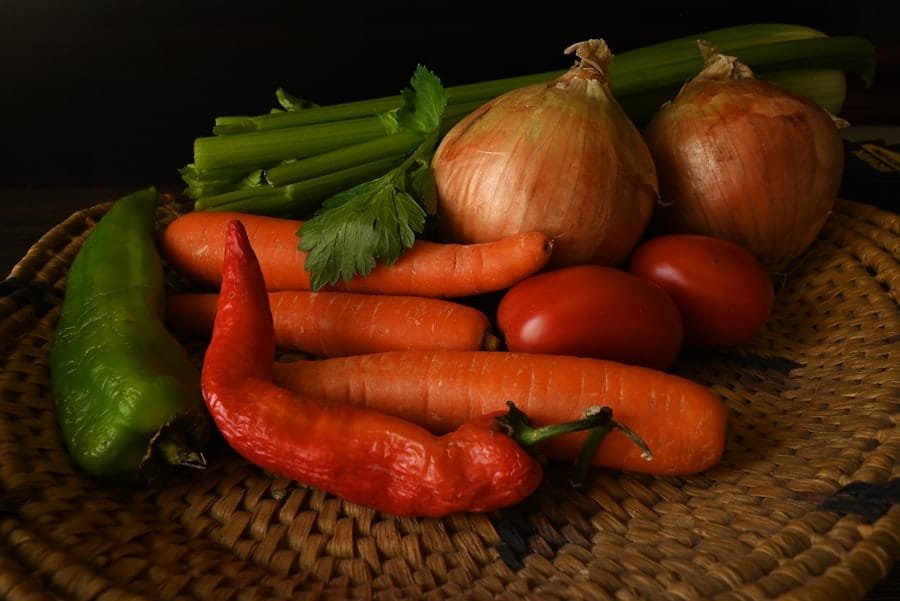
One of the challenges of following a keto diet is recognizing that some vegetables contain hidden carbs that may not be immediately obvious. For instance, certain sauces or dressings made from vegetables can contain added sugars or starches that significantly increase their carb content. Even seemingly innocent vegetables like zucchini or cucumbers can have hidden carbs if they are prepared with high-carb ingredients or served in large quantities.
To navigate this issue effectively, it’s essential to read labels carefully and be aware of how vegetables are prepared before consuming them. When dining out or purchasing pre-packaged foods, always check for added sugars or starches that could impact your carb intake. By being vigilant about hidden carbs in certain vegetables, you can better manage your dietary choices and stay committed to your keto lifestyle.
Low-Carb Alternatives to High-Carb Vegetables
Fortunately, there are plenty of low-carb alternatives available that allow you to enjoy the flavors and textures of vegetables without compromising your ketogenic goals. For instance, instead of reaching for potatoes or sweet potatoes, consider using cauliflower as a substitute. Cauliflower can be mashed, riced, or even turned into pizza crusts while containing only about 5 grams of carbohydrates per cup.
Another excellent alternative is zucchini, which can be spiralized into noodles or used as a base for various dishes. With only about 4 grams of carbs per cup, zucchini provides a versatile option that can easily replace higher-carb vegetables in many recipes. By exploring these low-carb alternatives, you can create satisfying meals that align with your keto lifestyle while still enjoying the benefits of incorporating vegetables into your diet.
Cooking Tips for Lowering Carb Content in Vegetables
When preparing vegetables for a keto diet, there are several cooking tips you can employ to help lower their carb content further. One effective method is to steam or sauté vegetables instead of boiling them. Boiling can cause some water-soluble vitamins and minerals to leach out into the cooking water; however, steaming helps retain more nutrients while also keeping the carb content intact.
Additionally, consider using herbs and spices to enhance the flavor of low-carb vegetables without adding extra carbs. Garlic powder, onion powder, and various herbs can elevate the taste of dishes without compromising your dietary goals. Experimenting with different cooking methods and flavor profiles will not only keep your meals exciting but also help you stay committed to your keto journey.
Incorporating Non-Starchy Vegetables into a Keto Diet
Incorporating non-starchy vegetables into your keto diet is essential for maintaining nutritional balance while keeping carb intake low. Leafy greens such as spinach, kale, and arugula are excellent choices that provide essential vitamins and minerals without adding significant carbs to your meals. These greens can be used in salads, smoothies, or sautéed as side dishes.
Cruciferous vegetables like broccoli and Brussels sprouts are also fantastic options for those on a keto diet. They are low in carbs yet high in fiber and nutrients, making them ideal for promoting satiety while supporting overall health. By filling your plate with non-starchy vegetables, you’ll not only enhance the nutritional value of your meals but also create a satisfying eating experience that aligns with your ketogenic goals.
Benefits of Eating Low-Carb Vegetables on Keto
The benefits of incorporating low-carb vegetables into your keto diet extend beyond simply keeping your carbohydrate intake in check. These vegetables are often rich in vitamins, minerals, and antioxidants that support overall health and well-being. For instance, leafy greens provide essential nutrients like vitamin K and folate while being low in calories and carbs.
Moreover, consuming low-carb vegetables can help promote feelings of fullness due to their fiber content. This satiety factor is crucial for those looking to manage their weight effectively on a ketogenic diet. By prioritizing low-carb vegetable options in your meals, you’ll not only support your weight loss goals but also nourish your body with essential nutrients that contribute to long-term health.
Delicious Keto-Friendly Vegetable Recipes
To make the most out of your keto journey while enjoying delicious meals, consider trying out some tasty vegetable recipes that align with this dietary approach. One popular option is cauliflower rice stir-fry; simply pulse cauliflower florets in a food processor until they resemble rice grains and sauté them with your favorite low-carb veggies and protein for a satisfying meal. Another delightful recipe is zucchini noodles tossed with pesto sauce and grilled chicken; this dish offers a fresh twist on traditional pasta while keeping carb counts low.
You can also experiment with roasted Brussels sprouts drizzled with olive oil and sprinkled with parmesan cheese for a flavorful side dish that complements any main course. By exploring these recipes and incorporating low-carb vegetables into your meals creatively, you’ll find that following a keto diet doesn’t have to be bland or restrictive; instead, it can be an exciting culinary adventure filled with delicious flavors and satisfying textures!
FAQs
What vegetables are not allowed on a keto diet?
Some vegetables that are not allowed on a keto diet include starchy vegetables such as potatoes, sweet potatoes, and parsnips. Additionally, high-carb vegetables like carrots, beets, and peas should be limited or avoided on a keto diet.
Why are some vegetables not allowed on a keto diet?
Certain vegetables are not allowed on a keto diet because they are high in carbohydrates, which can disrupt ketosis, the metabolic state that the keto diet aims to achieve. Consuming high-carb vegetables can spike blood sugar levels and hinder the body’s ability to burn fat for fuel.
What are some low-carb alternatives to high-carb vegetables on a keto diet?
Low-carb alternatives to high-carb vegetables on a keto diet include leafy greens such as spinach, kale, and lettuce, as well as non-starchy vegetables like broccoli, cauliflower, zucchini, and bell peppers. These vegetables are lower in carbohydrates and can be included in a keto meal plan.
Can I eat tomatoes and cucumbers on a keto diet?
Tomatoes and cucumbers are considered to be relatively low in carbohydrates and can be included in moderation on a keto diet. However, it’s important to be mindful of portion sizes and to track the carb content of these vegetables to stay within the daily carb limit for ketosis.
Are there any vegetables that are allowed in unlimited quantities on a keto diet?
Leafy greens such as spinach, lettuce, and kale are generally allowed in unlimited quantities on a keto diet due to their low carbohydrate content. These vegetables are rich in nutrients and fiber, making them a great choice for those following a ketogenic eating plan.