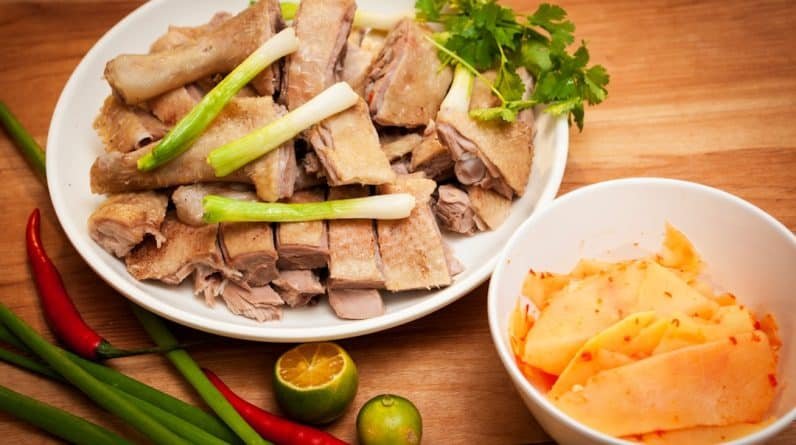
The ketogenic diet, often referred to simply as the keto diet, has gained immense popularity in recent years. At its core, the keto diet is a low-carbohydrate, high-fat eating plan designed to shift your body’s metabolism away from carbohydrates and towards fat. This shift is achieved by drastically reducing your intake of carbohydrates and replacing them with fats.
The primary goal of this dietary approach is to enter a state known as ketosis, where your body becomes highly efficient at burning fat for energy. As you embark on this journey, it’s essential to understand the fundamental principles of the keto diet and how it can impact your health and lifestyle. As you delve deeper into the keto lifestyle, you’ll discover that it’s not just about cutting carbs; it’s about embracing a new way of eating that can lead to significant health benefits.
Many people report weight loss, increased energy levels, and improved mental clarity when following a ketogenic diet. However, it’s crucial to approach this diet with a well-informed mindset. Understanding the types of foods you can enjoy, the science behind ketosis, and how to maintain balance in your meals will set you up for success on your keto journey.
Key Takeaways
- The keto diet is a high-fat, low-carb eating plan that aims to put the body into a state of ketosis, where it burns fat for fuel instead of carbohydrates.
- Ketosis occurs when the body doesn’t have enough carbohydrates to burn for energy, so it starts burning fat instead, leading to weight loss.
- On a keto diet, it’s important to focus on consuming healthy fats, lean proteins, and low-carb vegetables while avoiding high-carb foods like grains, sugars, and starchy vegetables.
- Meal planning and prepping are essential for success on the keto diet, as it can be challenging to find keto-friendly options when dining out or snacking on the go.
- Tracking macros and nutritional intake is crucial on the keto diet to ensure that you are staying within your daily carb, protein, and fat limits.
The Science Behind Ketosis
To truly appreciate the keto diet, you need to grasp the science behind ketosis. When you significantly reduce your carbohydrate intake, your body is forced to find an alternative source of energy. In this state, your liver begins to convert fatty acids into ketones, which serve as a new fuel source for your brain and body.
This metabolic state is known as ketosis, and it typically occurs when your daily carbohydrate intake falls below 20-50 grams. Understanding this process is vital because it highlights why the keto diet can be so effective for weight loss and energy management. As you enter ketosis, your body becomes adept at utilizing fat for fuel rather than relying on glucose from carbohydrates.
This shift not only helps in burning stored fat but also stabilizes blood sugar levels, which can lead to reduced cravings and improved appetite control. Additionally, ketones have been shown to have neuroprotective properties, which may enhance cognitive function and mental clarity. By understanding the science behind ketosis, you can better appreciate the potential benefits of the keto diet and how it can transform your approach to nutrition.
What to Eat on a Keto Diet
When embarking on a keto diet, knowing what to eat is crucial for maintaining ketosis and achieving your health goals. Your meals should primarily consist of healthy fats, moderate protein, and very low carbohydrates. Foods such as avocados, nuts, seeds, olive oil, and fatty fish should become staples in your diet.
These foods not only provide essential nutrients but also help keep you satiated throughout the day. Incorporating leafy greens and non-starchy vegetables will ensure you receive vital vitamins and minerals while keeping your carb count low. In addition to healthy fats and low-carb vegetables, you can enjoy various protein sources on a keto diet.
Eggs, poultry, beef, and pork are excellent choices that can be prepared in numerous ways to keep your meals exciting. Dairy products like cheese and full-fat yogurt can also be included in moderation. As you plan your meals, focus on whole, unprocessed foods that align with the principles of the keto diet.
This approach will not only help you stay within your carb limits but also promote overall health and well-being.
Foods to Avoid on Keto
While there are plenty of delicious foods to enjoy on a keto diet, there are also several items you should avoid to maintain ketosis effectively. The most significant culprits are high-carbohydrate foods such as bread, pasta, rice, and sugary snacks. These foods can quickly elevate your carb intake and kick you out of ketosis.
Additionally, starchy vegetables like potatoes and corn should be limited due to their high carbohydrate content. Processed foods often contain hidden sugars and unhealthy additives that can derail your progress on the keto diet. It’s essential to read labels carefully and avoid items that list sugar or high-fructose corn syrup among their ingredients.
Even some seemingly healthy foods like certain fruits can be high in sugar; for instance, bananas and grapes should be consumed sparingly. By being mindful of what you eat and steering clear of these high-carb options, you’ll be better equipped to stay in ketosis and achieve your dietary goals.
Meal Planning and Prepping for Keto
Meal planning and prepping are vital components of successfully following a keto diet. By taking the time to plan your meals in advance, you can ensure that you have all the necessary ingredients on hand while avoiding last-minute temptations that could lead you astray. Start by creating a weekly meal plan that includes breakfast, lunch, dinner, and snacks.
This will help you stay organized and focused on your dietary goals. When prepping meals for the week ahead, consider batch cooking proteins like chicken or beef that can be easily incorporated into various dishes. You might also want to prepare low-carb vegetables in advance so they’re ready to go when you need them.
Having keto-friendly snacks on hand will also help curb cravings between meals. By dedicating time to meal planning and prepping, you’ll set yourself up for success on your keto journey while making it easier to stick to your dietary choices.
Tracking Macros and Nutritional Intake
One of the most effective ways to ensure success on a keto diet is by tracking your macronutrient intake—specifically fats, proteins, and carbohydrates. Understanding how many grams of each macronutrient you consume daily will help you stay within the recommended ratios for ketosis: typically around 70-75% fats, 20-25% protein, and 5-10% carbohydrates. There are various apps available that can assist you in logging your food intake and calculating your macros accurately.
Tracking your macros not only helps maintain ketosis but also allows you to identify patterns in your eating habits. You may discover which foods work best for your body or which meals leave you feeling more satisfied. This awareness can empower you to make informed choices about what to eat moving forward.
By keeping a close eye on your nutritional intake, you’ll be better equipped to navigate challenges and stay committed to your keto lifestyle.
Dining Out on Keto
Dining out while following a keto diet may seem daunting at first, but with some preparation and knowledge, it can be an enjoyable experience. Many restaurants now offer low-carb options or are willing to accommodate dietary requests. When reviewing a menu, look for dishes that feature protein sources like steak or grilled chicken paired with non-starchy vegetables instead of bread or pasta.
Salads can also be a great choice; just be cautious with dressings that may contain hidden sugars. Don’t hesitate to ask questions when dining out; most establishments are happy to modify dishes to meet dietary needs. For example, you can request that sauces be served on the side or substitute high-carb sides with extra vegetables or a salad.
By being proactive about your choices when eating out, you can enjoy social occasions without compromising your commitment to the keto diet.
Keto-Friendly Snack Ideas
Snacking can be a challenge on any diet, but there are plenty of delicious keto-friendly options available that will keep you satisfied between meals. Nuts and seeds are excellent choices due to their healthy fat content; just be mindful of portion sizes since they are calorie-dense. Cheese sticks or slices make for convenient snacks that are both tasty and filling.
If you’re looking for something more substantial, consider making homemade fat bombs—small snacks made from healthy fats like coconut oil or nut butter mixed with flavorings such as cocoa powder or vanilla extract. Hard-boiled eggs are another great option that provides protein while keeping carbs low. With these snack ideas in mind, you’ll have no trouble staying on track with your keto goals throughout the day.
Common Mistakes to Avoid on Keto
As with any dietary change, there are common pitfalls that many people encounter when starting a keto diet. One frequent mistake is not consuming enough healthy fats; remember that fats should make up the majority of your caloric intake on this diet. If you’re not eating enough fat, you may feel hungry or fatigued as your body struggles to adapt to burning fat for fuel.
Another common error is underestimating carbohydrate intake from hidden sources in processed foods or condiments. Always read labels carefully and be aware of how quickly carbs can add up throughout the day. Additionally, some individuals may become discouraged if they don’t see immediate results; remember that weight loss can vary from person to person based on numerous factors.
By being aware of these common mistakes and taking steps to avoid them, you’ll increase your chances of success on the keto diet.
Tips for Staying Motivated on the Keto Diet
Staying motivated on a keto diet can sometimes be challenging, especially during social gatherings or when cravings hit hard. One effective strategy is to set realistic goals for yourself—whether it’s losing a certain amount of weight or simply feeling more energetic—having clear objectives will help keep you focused on your journey. Celebrate small victories along the way; acknowledging progress can boost morale and encourage continued commitment.
Another helpful tip is to connect with others who share similar dietary goals—whether through online forums or local support groups—having a community can provide encouragement during tough times. Additionally, experimenting with new recipes or meal ideas can reignite excitement about food while keeping things fresh and enjoyable in your kitchen. By implementing these strategies into your routine, you’ll find it easier to stay motivated as you navigate the ups and downs of the keto lifestyle.
Keto-Friendly Recipes and Meal Ideas
Exploring new recipes is one of the most enjoyable aspects of following a keto diet! There are countless delicious options available that cater to this low-carb lifestyle while satisfying your taste buds. For breakfast, consider whipping up a fluffy omelet filled with spinach and cheese or indulging in chia seed pudding made with coconut milk for a sweet treat without the carbs.
For lunch or dinner, zoodles (zucchini noodles) topped with homemade pesto and grilled chicken make for a refreshing meal that’s both filling and nutritious. You might also enjoy preparing cauliflower rice stir-fried with vegetables and shrimp for an easy weeknight dinner option. Don’t forget about dessert; keto-friendly treats like almond flour cookies or chocolate avocado mousse can satisfy any sweet tooth without derailing your progress!
With so many creative recipes at your fingertips, you’ll never run out of delicious meal ideas while following the keto diet. In conclusion, embarking on a ketogenic journey requires understanding its principles, planning meals effectively, tracking nutritional intake diligently, and staying motivated through challenges along the way. By embracing this lifestyle with knowledge and enthusiasm, you’ll unlock numerous health benefits while enjoying delicious food choices tailored specifically for you!
FAQs
What is the keto diet?
The keto diet is a high-fat, low-carbohydrate diet that has been shown to help with weight loss and improve certain health conditions. It involves drastically reducing carbohydrate intake and replacing it with fat, which puts the body into a metabolic state called ketosis.
What can I eat on a keto diet?
Foods that are typically consumed on a keto diet include meat, fish, eggs, dairy products, nuts, seeds, low-carb vegetables, and healthy fats such as avocado and olive oil. Foods to avoid include high-carb items like grains, sugars, fruits, and starchy vegetables.
What are the potential benefits of a keto diet?
Some potential benefits of a keto diet include weight loss, improved blood sugar control, increased energy levels, and reduced risk of certain diseases such as diabetes and heart disease. It may also have benefits for certain neurological conditions.
Are there any potential risks or side effects of a keto diet?
Some potential risks or side effects of a keto diet include nutrient deficiencies, constipation, bad breath, and the “keto flu” which can cause fatigue, dizziness, and irritability during the initial stages of transitioning to a keto diet. It’s important to consult with a healthcare professional before starting a keto diet, especially for those with certain medical conditions.
How can I tell if I’m in ketosis?
Signs that you may be in ketosis include increased ketones in the blood or urine, decreased appetite, and a noticeable change in breath odor. Some people also experience increased mental clarity and energy levels when in ketosis.