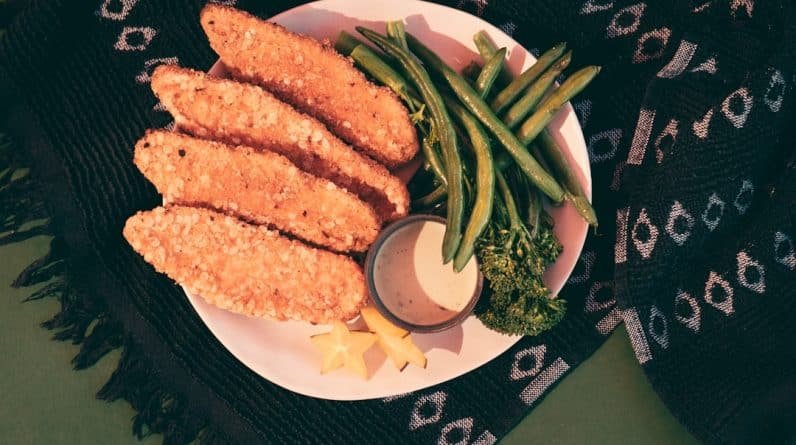
When you embark on a journey while adhering to a ketogenic diet, one of the first challenges you may encounter is the limited food options available to you. Many restaurants and eateries primarily cater to mainstream dietary preferences, which often include high-carb meals. As you navigate through unfamiliar territories, you might find that your choices are restricted to a few items that align with your dietary needs.
This can lead to frustration, especially when you are trying to maintain your commitment to a low-carb lifestyle. You may find yourself scanning menus for anything that resembles a keto-friendly dish, only to be met with disappointment as you realize that your options are few and far between. Moreover, the limited food options can also affect your overall travel experience.
Food is often a significant part of exploring new cultures, and when you are unable to indulge in local cuisine due to dietary restrictions, it can feel isolating. You might miss out on trying traditional dishes that are rich in flavor and history simply because they do not fit within your keto guidelines. This can lead to feelings of deprivation, making it essential for you to plan ahead and research potential dining spots that offer suitable alternatives.
By doing so, you can ensure that your travel experience remains enjoyable while still adhering to your dietary goals.
Key Takeaways
- Limited food options can make it challenging to stick to a keto diet while traveling
- Difficulty in finding keto-friendly restaurants can lead to frustration and temptation to stray from the diet
- Lack of access to cooking facilities can make it difficult to prepare keto-friendly meals
- Potential for overindulgence in non-keto foods due to limited options and temptations
- Language barriers can make it challenging to communicate dietary restrictions to restaurant staff
Difficulty in finding keto-friendly restaurants
Finding restaurants that cater specifically to keto diets can be a daunting task, especially in areas where such dietary preferences are not widely recognized. You may find yourself relying heavily on online reviews and recommendations from fellow travelers who share your dietary restrictions. However, even with this information at hand, the challenge remains: how do you ensure that the restaurant truly offers keto-friendly options?
Many establishments may claim to accommodate various diets but may not fully understand the nuances of what constitutes a ketogenic meal. This can lead to confusion and disappointment when you receive a dish that is laden with hidden carbs. In addition, the lack of clear labeling on menus can further complicate your search for suitable dining options.
You might encounter dishes that appear keto-friendly at first glance but contain ingredients that are not compliant with your diet. This uncertainty can make dining out feel like a gamble, where you are constantly weighing the risks of potential carb overload against the desire to enjoy a meal away from home. To mitigate this issue, it is beneficial for you to familiarize yourself with common keto ingredients and ask specific questions when ordering.
This proactive approach can help you navigate restaurant menus more effectively and increase your chances of finding meals that align with your dietary needs.
Lack of access to cooking facilities

Another significant hurdle you may face while traveling on a ketogenic diet is the lack of access to cooking facilities. Many accommodations, such as hotels or hostels, may not provide kitchen amenities, leaving you reliant on pre-packaged or takeout meals. This can be particularly challenging when you want to prepare your own meals to ensure they meet your dietary requirements.
Without the ability to cook, you may find yourself resorting to convenience foods that are often high in carbohydrates and low in nutritional value. This not only jeopardizes your diet but can also impact your overall health and well-being during your travels. Additionally, the absence of cooking facilities can limit your ability to experiment with local ingredients or create meals that reflect the culture of the area you are visiting.
You might miss out on the opportunity to engage with local markets or grocery stores, where you could discover fresh produce and unique flavors that could enhance your keto meals. To overcome this challenge, consider seeking accommodations that offer kitchen access or look for vacation rentals that provide cooking facilities. This way, you can maintain control over your diet while still enjoying the culinary experiences that travel has to offer.
Potential for overindulgence in non-keto foods
Traveling often presents an array of temptations, particularly when it comes to food. The potential for overindulgence in non-keto foods is a real concern for anyone trying to stick to a ketogenic lifestyle while on the go. You may find yourself surrounded by delicious pastries, rich sauces, and other high-carb delights that can be hard to resist.
The social aspect of dining out can also play a role in this struggle; when friends or family members order dishes that are not keto-friendly, you might feel pressured to join in or indulge just this once. This can lead to feelings of guilt and frustration as you grapple with the desire to enjoy the moment versus staying true to your dietary goals. To combat this temptation, it is essential for you to establish a plan before embarking on your travels.
Setting clear boundaries for yourself regarding what you will and will not eat can help you navigate social situations more effectively. Additionally, consider allowing yourself small indulgences in moderation rather than completely depriving yourself of all non-keto foods. This balanced approach can help you maintain your commitment to a ketogenic lifestyle while still enjoying the culinary experiences that come with travel.
Remember, it’s about finding a healthy balance that allows you to enjoy your journey without compromising your dietary goals.
Language barriers in communicating dietary restrictions
When traveling abroad, language barriers can pose significant challenges, especially when it comes to communicating your dietary restrictions. You may find yourself in situations where restaurant staff do not fully understand what a ketogenic diet entails or how to accommodate your needs effectively. This miscommunication can lead to unintentional carb-laden meals being served, which can derail your efforts to maintain a low-carb lifestyle.
It’s crucial for you to be prepared with translations or visual aids that clearly outline what foods are acceptable and which ones should be avoided. Moreover, navigating food markets or grocery stores can also become complicated due to language differences. You might struggle to identify ingredients or read labels accurately, increasing the risk of purchasing items that do not align with your dietary preferences.
To mitigate these challenges, consider learning key phrases related to your dietary needs in the local language or using translation apps on your smartphone. This proactive approach can empower you to communicate more effectively and ensure that your dietary restrictions are respected throughout your travels.
Time constraints and limited meal planning
Time constraints often accompany travel, making it difficult for you to plan meals effectively while adhering to a ketogenic diet. With busy itineraries filled with sightseeing and activities, finding time to prepare or seek out suitable meals can feel overwhelming. You may find yourself grabbing quick snacks or fast food options that do not align with your dietary goals simply because they are convenient at the moment.
This lack of planning can lead to unintentional carb consumption and derail your efforts to maintain ketosis. To navigate this challenge successfully, it’s essential for you to prioritize meal planning before embarking on your trip. Researching local grocery stores or markets where you can purchase keto-friendly snacks and ingredients can save you time during your travels.
Additionally, consider packing portable snacks such as nuts, cheese crisps, or protein bars that align with your diet for those moments when time is tight. By being proactive about meal planning and preparation, you can ensure that you stay on track with your ketogenic lifestyle even amidst the hustle and bustle of travel.
Unpredictable schedules and meal times
Traveling often comes with unpredictable schedules and meal times, which can pose challenges for anyone trying to stick to a ketogenic diet. You may find yourself caught up in spontaneous activities or excursions that disrupt your usual eating routine. This unpredictability can lead to missed meals or extended periods without food, increasing the likelihood of cravings for high-carb options when hunger strikes.
The stress of managing these changes can make it even more challenging for you to stay committed to your dietary goals. To address this issue, it’s important for you to remain flexible while also being mindful of your nutritional needs. Carrying portable snacks and meal replacements can help bridge the gap during unexpected delays or changes in plans.
Additionally, try to establish a routine as much as possible by scheduling regular meal times around your activities. This approach can help create a sense of structure amidst the chaos of travel while ensuring that you have access to nourishing meals that support your ketogenic lifestyle.
Managing keto flu symptoms while traveling
As you travel while adhering to a ketogenic diet, one aspect that may catch you off guard is the potential onset of keto flu symptoms. When transitioning into ketosis, some individuals experience flu-like symptoms such as fatigue, headaches, and irritability as their bodies adjust to burning fat for fuel instead of carbohydrates. If these symptoms arise during your travels, they can significantly impact your ability to enjoy new experiences and fully engage with your surroundings.
To manage these symptoms effectively while on the go, it’s crucial for you to stay hydrated and maintain adequate electrolyte levels. Drinking plenty of water and consuming foods rich in potassium and magnesium can help alleviate some of the discomfort associated with keto flu. Additionally, consider giving yourself grace during this adjustment period; allow time for rest if needed and prioritize self-care practices that promote overall well-being.
By taking proactive steps to manage keto flu symptoms while traveling, you can enhance your experience and continue enjoying the benefits of a ketogenic lifestyle even on the road.
FAQs
What is a keto diet?
A keto diet is a low-carbohydrate, high-fat diet that aims to put the body into a state of ketosis, where it burns fat for fuel instead of carbohydrates.
What are the challenges of following a keto diet while traveling?
Some challenges of following a keto diet while traveling include limited food options, unfamiliar restaurants, and difficulty in finding high-fat, low-carb meals.
How can one overcome the challenges of following a keto diet while traveling?
To overcome the challenges of following a keto diet while traveling, one can plan ahead, pack keto-friendly snacks, research restaurants in advance, and communicate dietary needs to accommodation providers.
What are some keto-friendly travel snacks?
Keto-friendly travel snacks include nuts, seeds, beef jerky, cheese, hard-boiled eggs, and low-carb protein bars.
Are there any specific tips for following a keto diet while traveling internationally?
When following a keto diet while traveling internationally, it is important to research local cuisine, learn about keto-friendly options in the destination country, and consider language barriers when communicating dietary needs.