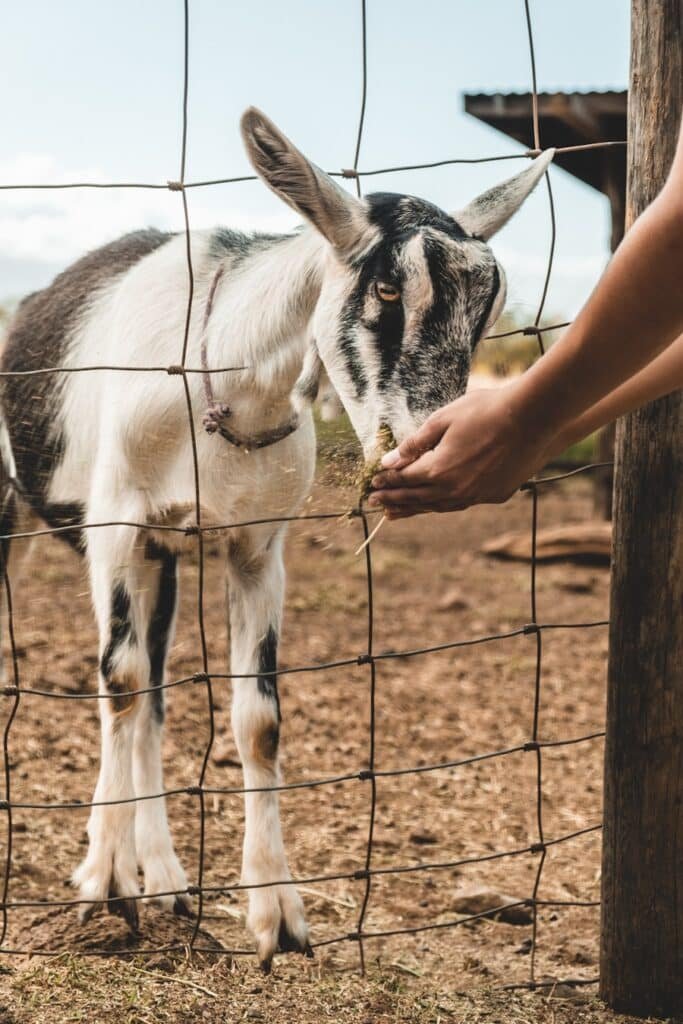
The ketogenic diet, often associated with weight loss and improved health in humans, has recently gained attention in the realm of animal nutrition. As a pet owner or animal caretaker, you may find yourself intrigued by the potential benefits of this high-fat, low-carbohydrate diet for your furry companions. The ketogenic diet aims to shift the body’s primary energy source from glucose to ketones, which are produced when fat is metabolized.
This metabolic state, known as ketosis, can lead to various health benefits, including weight management and improved energy levels. However, before you consider implementing such a diet for your pets, it is essential to understand the implications and ethical considerations surrounding this approach. As you delve into the world of ketogenic diets for animals, you may discover that the concept is not entirely new.
Some veterinarians and animal nutritionists have explored the potential advantages of a ketogenic diet for specific health conditions, such as epilepsy in dogs or obesity in cats. However, the application of this diet is still a relatively novel area of research, and there is much to learn about its long-term effects on various species. It is crucial to approach this topic with an open mind while also being aware of the ethical responsibilities that come with altering an animal’s diet.
Key Takeaways
- Ketogenic diet can be beneficial for animals, but it is important to consider ethical implications and potential impact on animal welfare.
- Ethical considerations of animal welfare should be a priority when implementing ketogenic diets for animals.
- Ketogenic diets may have an impact on animal behavior and well-being, and it is important to monitor and address any negative effects.
- Health and nutritional implications of ketogenic diets for animals should be carefully evaluated and balanced with ethical considerations.
- Environmental impact of ketogenic diets for animals should be considered, including sourcing and sustainability of ingredients.
Ethical Considerations of Animal Welfare
Species-Specific Nutritional Needs
As you contemplate introducing a high-fat diet, you must ensure that it aligns with the natural dietary needs of your specific animal. For instance, dogs and cats have different nutritional requirements, and what works for one species may not be suitable for another.
Ethical Sourcing of Ingredients
Moreover, ethical considerations extend beyond just the immediate effects on your pet. You should also think about the sourcing of ingredients used in a ketogenic diet. Are they ethically sourced? Are they produced in a manner that respects animal welfare?
Promoting a Humane Food System
By choosing high-quality, ethically sourced ingredients, you can contribute to a more humane food system while ensuring that your pet receives the best possible nutrition. This holistic approach to animal welfare will not only benefit your pet but also promote a more compassionate relationship between humans and animals.
Impact on Animal Behavior and Well-being

The impact of a ketogenic diet on animal behavior and overall well-being is an area that warrants careful examination. As you transition your pet to a high-fat, low-carbohydrate diet, you may notice changes in their energy levels and behavior. Some pet owners report increased vitality and improved mood in their animals after adopting a ketogenic diet.
This could be attributed to the stable energy levels provided by ketones, which may help reduce fluctuations in blood sugar that can lead to irritability or lethargy. However, it is essential to monitor your pet closely during this transition period. Changes in diet can sometimes lead to behavioral shifts that may not be immediately apparent.
For example, some animals may experience increased anxiety or restlessness as their bodies adjust to a new metabolic state. As a responsible pet owner, you should be prepared to provide additional support during this adjustment phase, whether through environmental enrichment or behavioral training. Understanding how dietary changes can influence behavior will help you create a more harmonious living environment for both you and your pet.
Health and Nutritional Implications for Animals
The health and nutritional implications of a ketogenic diet for animals are complex and multifaceted. While some studies suggest that a high-fat diet can lead to weight loss and improved metabolic health in certain animals, it is crucial to consider individual differences among pets. Factors such as age, breed, and pre-existing health conditions can significantly influence how an animal responds to dietary changes.
Therefore, consulting with a veterinarian or animal nutritionist before making any significant alterations to your pet’s diet is essential. In addition to weight management, a ketogenic diet may offer potential benefits for specific health conditions. For instance, some research indicates that ketogenic diets can help manage epilepsy in dogs by reducing the frequency of seizures.
However, these diets must be carefully formulated to ensure they meet all nutritional requirements. As you explore the possibility of a ketogenic diet for your pet, it is vital to prioritize balanced nutrition and avoid any deficiencies that could arise from an improperly managed diet.
Environmental Impact of Ketogenic Diets for Animals
As you consider the environmental implications of feeding your pet a ketogenic diet, it is essential to recognize the broader context of animal agriculture and food production. The sourcing of ingredients for a high-fat diet can have significant environmental consequences, particularly if they rely heavily on animal products. For instance, the production of meat and dairy often involves substantial resource use, including land, water, and energy.
By choosing sustainably sourced ingredients or incorporating plant-based fats into your pet’s diet, you can help mitigate some of these environmental impacts. Moreover, understanding the carbon footprint associated with different food sources can guide your decisions as a responsible pet owner. If you opt for a ketogenic diet that includes high-quality meats from sustainable farms or consider alternative protein sources like insects or plant-based options, you can contribute to reducing the overall environmental impact of pet food production.
This conscious approach not only benefits your pet’s health but also aligns with broader efforts toward sustainability and environmental stewardship.
Ethical Concerns of Feeding Practices
The ethical concerns surrounding feeding practices extend beyond just the ingredients used in a ketogenic diet; they also encompass how animals are raised and treated throughout their lives. As you contemplate feeding your pet a high-fat diet, it is crucial to consider the welfare of the animals involved in food production. Are they raised in humane conditions?
Are they given access to natural behaviors? By supporting ethical farming practices and choosing products that prioritize animal welfare, you can make a positive impact on the lives of countless animals. Additionally, it is essential to recognize that not all pets may thrive on a ketogenic diet.
Some animals may have specific dietary needs that require careful consideration before making any changes. As an ethical pet owner, you should prioritize your pet’s well-being above all else and be willing to adapt their diet based on their individual needs rather than adhering strictly to dietary trends.
Considerations for Pet Owners and Animal Caretakers
As a pet owner or animal caretaker contemplating a ketogenic diet for your furry friend, there are several key considerations to keep in mind. First and foremost, it is crucial to consult with a veterinarian or animal nutritionist who can provide personalized guidance based on your pet’s unique health profile. They can help you formulate a balanced ketogenic diet that meets all nutritional requirements while considering any pre-existing health conditions.
Additionally, monitoring your pet’s response to dietary changes is essential for ensuring their well-being. Keep an eye on their energy levels, weight fluctuations, and overall behavior during the transition period. If you notice any adverse effects or signs of discomfort, be prepared to adjust their diet accordingly.
Your commitment to understanding your pet’s needs will ultimately lead to better health outcomes and a more fulfilling relationship between you and your companion.
Conclusion and Recommendations for Ethical Ketogenic Diets for Animals
In conclusion, while the ketogenic diet presents intriguing possibilities for improving the health and well-being of animals, it is essential to approach this dietary change with careful consideration and ethical awareness. By prioritizing animal welfare, sourcing ingredients responsibly, and consulting with professionals in animal nutrition, you can create an ethical ketogenic diet that benefits both your pet and the environment. As you navigate this journey, remember that each animal is unique and may respond differently to dietary changes.
Your commitment to understanding their individual needs will play a crucial role in ensuring their happiness and health. By fostering an ethical approach to feeding practices and remaining open to ongoing learning about animal nutrition, you can contribute positively to the lives of your pets while promoting a more compassionate world for all animals.
FAQs
What is a ketogenic diet for animals?
A ketogenic diet for animals is a high-fat, adequate-protein, low-carbohydrate diet that is often used to manage certain health conditions in pets, such as epilepsy, cancer, and obesity.
What are the ethical implications of a ketogenic diet for animals?
The ethical implications of a ketogenic diet for animals revolve around concerns regarding the potential impact on their overall health and well-being, as well as the ethical considerations of imposing a specific dietary regimen on an animal.
Are there potential health risks associated with a ketogenic diet for animals?
Some potential health risks associated with a ketogenic diet for animals include nutrient deficiencies, gastrointestinal issues, and potential long-term health implications that may not be fully understood.
How can pet owners ensure the ethical treatment of animals on a ketogenic diet?
Pet owners can ensure the ethical treatment of animals on a ketogenic diet by consulting with a veterinarian to determine if the diet is appropriate for their pet’s specific health needs, monitoring their pet’s health and well-being closely, and making adjustments to the diet as needed.
What are some alternative dietary options for animals with health conditions?
Alternative dietary options for animals with health conditions may include therapeutic diets specifically formulated to address their health needs, as well as consulting with a veterinarian to explore other potential dietary interventions.