
Intermittent fasting has surged in popularity over the past few years, captivating the attention of health enthusiasts and casual dieters alike. You may have heard about it through social media, health blogs, or even from friends who have experienced its benefits firsthand. This eating pattern involves cycling between periods of eating and fasting, rather than focusing on what you eat.
The simplicity of intermittent fasting appeals to many, as it does not require meticulous calorie counting or strict meal planning. Instead, it encourages a more mindful approach to eating, allowing you to enjoy your meals while still aiming for weight loss or improved health. The allure of intermittent fasting lies not only in its potential for weight management but also in its purported health benefits.
Research suggests that this eating pattern may enhance metabolic health, improve insulin sensitivity, and even promote longevity. As you delve deeper into the world of intermittent fasting, you may find that it resonates with your lifestyle and goals. However, as with any dietary approach, it is essential to consider how it may affect various aspects of your health, including your eye health.
Key Takeaways
- Intermittent fasting has gained popularity as a dietary trend for weight loss and overall health improvement.
- Intermittent fasting may have a positive impact on eye health by reducing inflammation and oxidative stress.
- Potential benefits of intermittent fasting for vision include improved retinal function and protection against age-related macular degeneration.
- Potential risks of intermittent fasting for eye health include dehydration and nutrient deficiencies that can impact vision.
- Nutrients and antioxidants play a crucial role in maintaining eye health, and their intake should be monitored during intermittent fasting.
How Intermittent Fasting May Impact Eye Health
The Eyes’ Nutrient Requirements
The eyes are complex organs that require a steady supply of nutrients and energy to function optimally.
Metabolic Changes and Eye Health
For instance, fasting can lead to fluctuations in blood sugar levels, which may affect the retina’s health and overall vision. Moreover, intermittent fasting can trigger autophagy, a process where your body cleans out damaged cells and regenerates new ones.
Balance is Key
This cellular renewal is crucial for maintaining healthy tissues, including those in your eyes. While this process can be beneficial, it is essential to ensure that you are still providing your body with the necessary nutrients during eating windows to support eye health. Understanding the balance between fasting and nutrient intake is vital for safeguarding your vision.
Potential Benefits of Intermittent Fasting for Vision
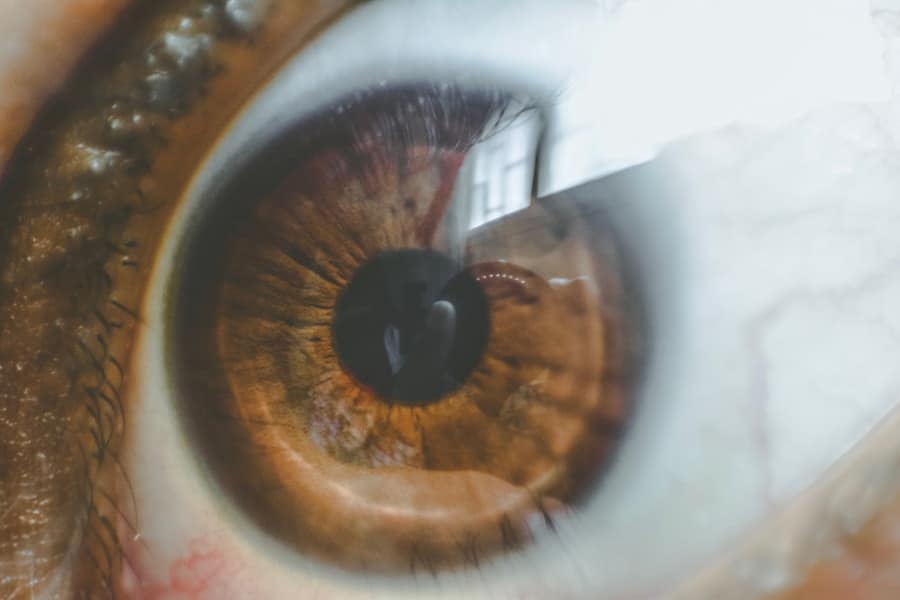
You may be intrigued by the potential benefits that intermittent fasting could offer for your vision. One of the most promising aspects is its ability to reduce inflammation throughout the body, including in the eyes. Chronic inflammation has been linked to various eye conditions, such as age-related macular degeneration (AMD) and diabetic retinopathy.
By incorporating intermittent fasting into your routine, you might help mitigate these risks and promote better eye health. Additionally, intermittent fasting may enhance your body’s antioxidant defenses. Antioxidants play a crucial role in protecting your eyes from oxidative stress, which can lead to cellular damage and vision problems over time.
By promoting a healthier metabolic state through fasting, you could potentially increase the production of antioxidants in your body, thereby providing an extra layer of protection for your eyes. This connection between fasting and improved antioxidant levels highlights the importance of considering how dietary patterns can influence overall eye health.
Potential Risks of Intermittent Fasting for Eye Health
While intermittent fasting offers several potential benefits for vision, it is essential to be aware of the risks associated with this eating pattern. One significant concern is the possibility of nutrient deficiencies that could arise from restricted eating windows. If you are not careful about what you consume during your eating periods, you may miss out on essential vitamins and minerals that are crucial for maintaining healthy eyes.
For instance, nutrients like vitamin A, omega-3 fatty acids, and lutein are vital for optimal eye function and protection against age-related conditions. Another risk to consider is the impact of fasting on blood sugar levels. If you have pre-existing conditions such as diabetes or hypoglycemia, intermittent fasting could lead to dangerous fluctuations in blood sugar that may adversely affect your vision.
It is crucial to monitor how your body responds to fasting and consult with a healthcare professional if you have any concerns about how this dietary approach may impact your eye health.
The Role of Nutrients and Antioxidants in Maintaining Eye Health
As you navigate the world of intermittent fasting, understanding the role of nutrients and antioxidants in maintaining eye health becomes increasingly important.
These vitamins help combat oxidative stress and support overall eye function.
When practicing intermittent fasting, it is essential to prioritize foods rich in these nutrients during your eating windows to ensure that your eyes receive the nourishment they need. Antioxidants are particularly vital for eye health as they help neutralize free radicals that can cause cellular damage. Foods like leafy greens, colorful fruits, nuts, and seeds are excellent sources of antioxidants that can bolster your eye health while you fast.
By incorporating these nutrient-dense foods into your meals during eating periods, you can create a balanced approach that supports both your fasting goals and your vision.
The Importance of Regular Eye Exams and Monitoring During Intermittent Fasting

As you embark on your intermittent fasting journey, regular eye exams should remain a priority. These check-ups allow you to monitor any changes in your vision and catch potential issues early on. If you are practicing intermittent fasting, it is especially important to communicate with your eye care professional about any dietary changes you are making.
They can provide tailored advice on how to maintain optimal eye health while following this eating pattern. Monitoring your eye health during intermittent fasting also involves being attentive to any changes in your vision or discomfort in your eyes. If you notice any unusual symptoms such as blurred vision or increased sensitivity to light, it is crucial to seek professional advice promptly.
By staying proactive about your eye care while practicing intermittent fasting, you can ensure that you are taking the necessary steps to protect your vision.
Tips for Maintaining Eye Health While Practicing Intermittent Fasting
To maintain optimal eye health while practicing intermittent fasting, consider implementing a few practical tips into your routine. First and foremost, focus on nutrient-dense foods during your eating windows. Incorporate a variety of colorful fruits and vegetables into your meals to ensure you are getting a wide range of vitamins and antioxidants that support eye health.
Foods rich in omega-3 fatty acids, such as fatty fish or flaxseeds, should also be included for their anti-inflammatory properties. Staying hydrated is another crucial aspect of maintaining eye health during intermittent fasting. Dehydration can lead to dry eyes and discomfort, so make sure to drink plenty of water during both fasting and eating periods.
Additionally, consider incorporating eye exercises into your daily routine to reduce strain from screen time and improve overall eye function. Simple practices like the 20-20-20 rule—taking a 20-second break to look at something 20 feet away every 20 minutes—can help alleviate digital eye strain.
Balancing Intermittent Fasting with Eye Health
In conclusion, while intermittent fasting presents an exciting opportunity for improving overall health and potentially benefiting vision, it is essential to approach it with mindfulness regarding eye health. By understanding both the potential benefits and risks associated with this dietary pattern, you can make informed choices that support not only your fasting goals but also the well-being of your eyes. Prioritizing nutrient-rich foods, staying hydrated, and scheduling regular eye exams will help ensure that you maintain optimal vision while enjoying the advantages of intermittent fasting.
As you continue on this journey, remember that balance is key. Embrace the flexibility of intermittent fasting while remaining vigilant about the nutritional needs of your body—especially when it comes to protecting one of your most precious senses: sight. With careful planning and attention to both diet and eye care, you can successfully navigate the world of intermittent fasting while safeguarding your vision for years to come.
FAQs
What is intermittent fasting?
Intermittent fasting is an eating pattern that cycles between periods of fasting and eating. It does not specify which foods to eat, but rather when to eat them.
How does intermittent fasting potentially impact vision and eye health?
Intermittent fasting has been shown to have potential benefits for vision and eye health, such as reducing the risk of age-related macular degeneration and diabetic retinopathy. It may also help to improve overall eye health by reducing inflammation and oxidative stress.
Can intermittent fasting help prevent age-related vision problems?
Some studies suggest that intermittent fasting may help prevent age-related vision problems by reducing inflammation and oxidative stress, which are factors associated with conditions such as macular degeneration and diabetic retinopathy.
Are there any potential risks of intermittent fasting on vision and eye health?
While intermittent fasting may have potential benefits for vision and eye health, it is important to ensure that individuals are still consuming a balanced diet with essential nutrients that support eye health. Prolonged fasting or extreme calorie restriction could potentially have negative impacts on vision and eye health.
Is intermittent fasting suitable for everyone, especially as individuals age?
Intermittent fasting may not be suitable for everyone, especially for older individuals or those with certain medical conditions. It is important to consult with a healthcare professional before starting any fasting regimen, especially as individuals age and their nutritional needs may change.