The ketogenic diet, often referred to simply as “keto,” has gained immense popularity in recent years as a powerful tool for weight loss and overall health improvement. At its core, the ketogenic diet is a high-fat, low-carbohydrate eating plan that aims to shift your body’s metabolism from burning carbohydrates for energy to burning fat. This metabolic state is known as ketosis, where your body becomes highly efficient at burning fat for fuel.
By drastically reducing your carbohydrate intake and replacing it with fat, you can encourage your body to enter this state, leading to various health benefits. As you embark on this dietary journey, it’s essential to understand the principles behind the ketogenic diet. The typical macronutrient breakdown for a ketogenic diet consists of approximately 70-75% fat, 20-25% protein, and only about 5-10% carbohydrates.
This significant reduction in carbs forces your body to utilize fat stores for energy, which can lead to weight loss and improved mental clarity. However, transitioning to a ketogenic lifestyle requires careful planning and commitment, as it involves a substantial change in how you approach food and nutrition.
Key Takeaways
- The ketogenic diet is a high-fat, low-carbohydrate diet that has been shown to help with weight loss and improve certain health conditions.
- Foods to include on a ketogenic diet are high in healthy fats, moderate in protein, and low in carbohydrates, such as avocados, olive oil, and non-starchy vegetables.
- Foods to avoid on a ketogenic diet include high-carbohydrate foods like bread, pasta, and sugary snacks, as well as starchy vegetables and most fruits.
- Benefits of following a ketogenic diet may include weight loss, improved blood sugar control, and increased mental clarity and focus.
- Tips for successfully following a ketogenic diet include planning meals ahead of time, staying hydrated, and being mindful of portion sizes and overall calorie intake.
Foods to Include on a Ketogenic Diet
Healthy Fats from Fruits and Vegetables
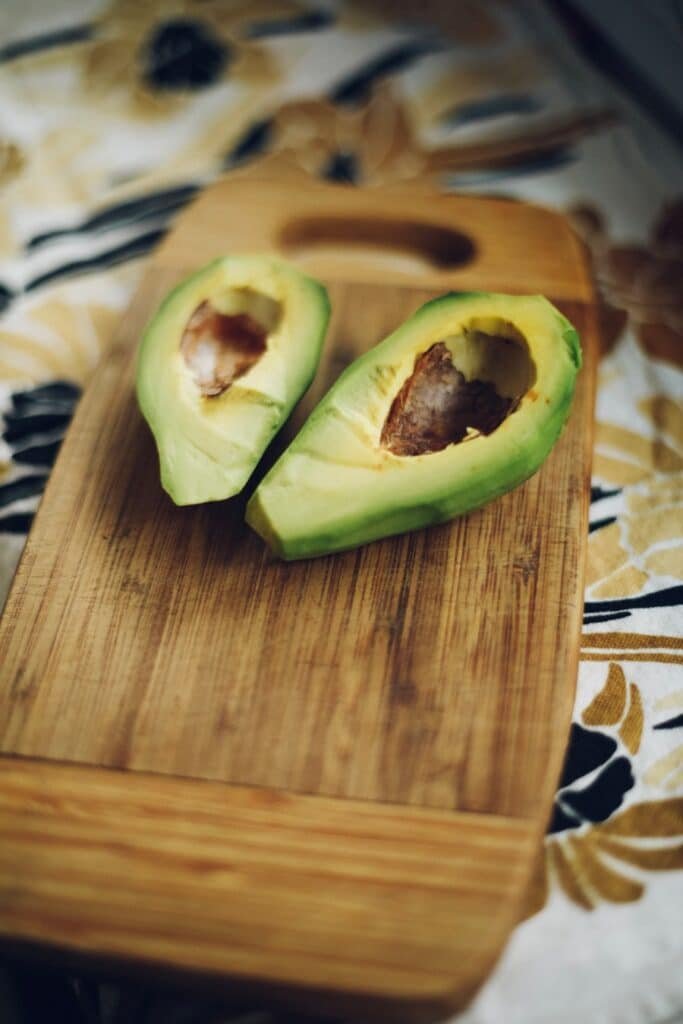
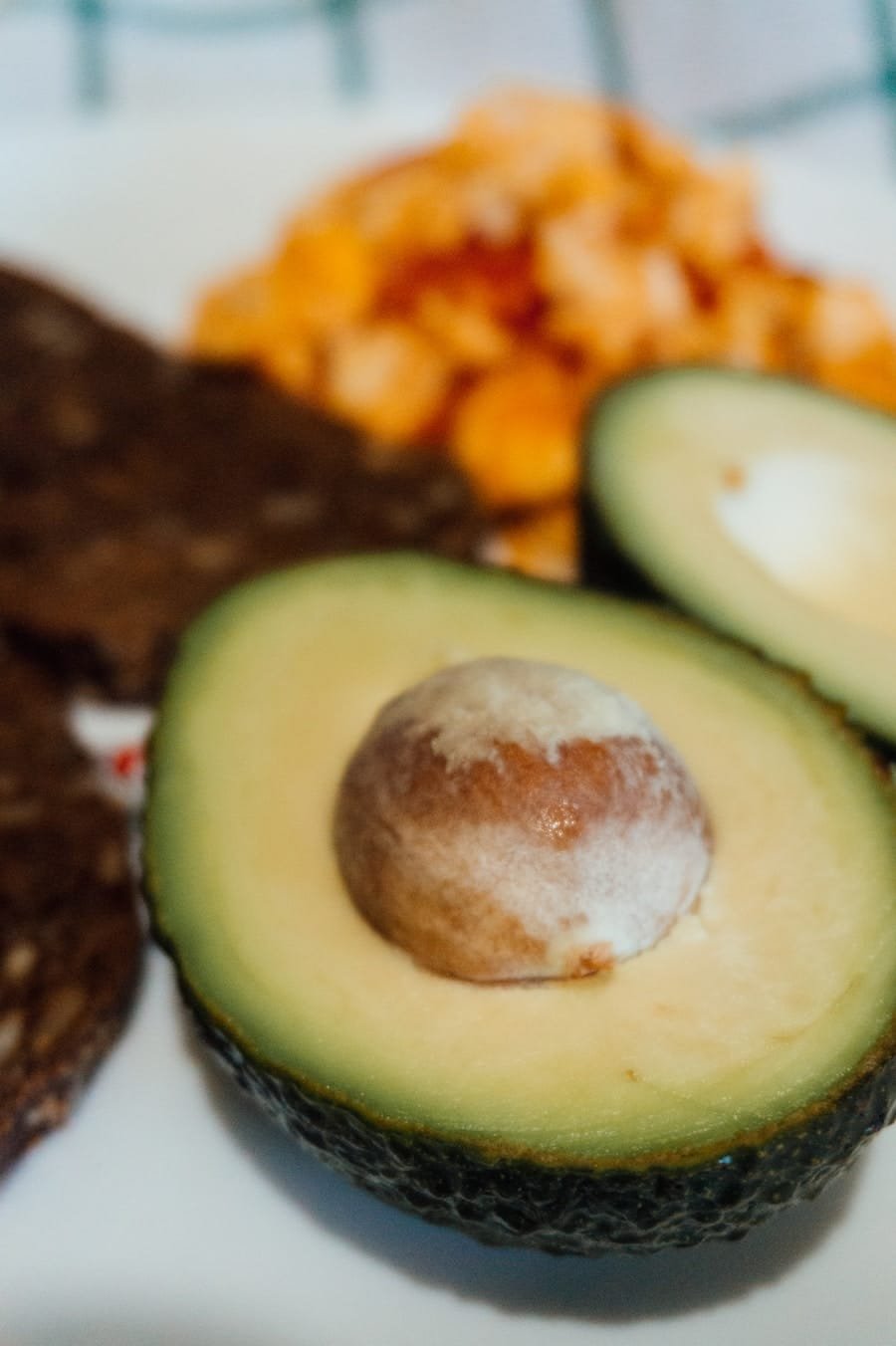
Some excellent options include avocados, which are rich in monounsaturated fats and fiber, making them a perfect addition to your meals. Low-carb vegetables like leafy greens, broccoli, and cauliflower can add volume and nutrients to your meals without significantly impacting your carb intake.
Protein-Rich Foods
Nuts and seeds, such as almonds, walnuts, and chia seeds, are also great choices due to their healthy fat content and protein. Eggs are another fantastic food to include; they are versatile, packed with protein, and contain healthy fats that can help keep you satiated.
Fatty Fish and Omega-3 Fatty Acids
In addition to these staples, you should consider including fatty fish like salmon and mackerel in your diet. These fish are not only high in omega-3 fatty acids but also provide essential nutrients like vitamin D and selenium.
Foods to Avoid on a Ketogenic Diet
To successfully adhere to a ketogenic diet, it’s equally important to know which foods to avoid. The primary culprits are high-carbohydrate foods that can quickly kick you out of ketosis. Sugary foods, including candies, pastries, and sweetened beverages, should be eliminated from your diet entirely.
These items not only contain high levels of sugar but also provide little nutritional value. Starchy vegetables like potatoes, corn, and peas are also off-limits on a ketogenic diet due to their high carbohydrate content. Instead of reaching for these starchy options, consider substituting them with low-carb alternatives like zucchini or spaghetti squash.
Additionally, grains such as rice, bread, and pasta should be avoided as they can significantly increase your carb intake. Processed foods often contain hidden sugars and unhealthy fats, so it’s best to steer clear of these as well. By being mindful of what you consume and avoiding these high-carb foods, you can maintain ketosis and reap the benefits of the ketogenic lifestyle.
Benefits of Following a Ketogenic Diet
The ketogenic diet offers a plethora of benefits that extend beyond just weight loss. One of the most notable advantages is its potential for improved mental clarity and focus. Many individuals report experiencing enhanced cognitive function when in ketosis, likely due to the brain’s preference for ketones as an energy source over glucose.
This shift can lead to increased productivity and better overall mental performance. Another significant benefit of the ketogenic diet is its ability to stabilize blood sugar levels. By reducing carbohydrate intake, you can minimize insulin spikes and crashes that often accompany high-carb diets.
This stabilization can be particularly beneficial for individuals with insulin resistance or type 2 diabetes. Furthermore, many people find that they experience reduced hunger and cravings while following a ketogenic diet, making it easier to adhere to their eating plan without feeling deprived.
Tips for Successfully Following a Ketogenic Diet
Transitioning to a ketogenic diet can be challenging at first, but with the right strategies in place, you can set yourself up for success. One effective tip is to meal prep ahead of time. By planning your meals and snacks in advance, you can ensure that you have keto-friendly options readily available when hunger strikes.
As your body adapts to ketosis, it may excrete more water and electrolytes than usual, leading to symptoms commonly referred to as the “keto flu.” To combat this, make sure you’re drinking plenty of water and consider incorporating electrolyte-rich foods or supplements into your routine.
Lastly, don’t hesitate to seek support from online communities or local groups focused on the ketogenic lifestyle; connecting with others who share similar goals can provide motivation and encouragement along your journey.
Sample Ketogenic Meal Plan
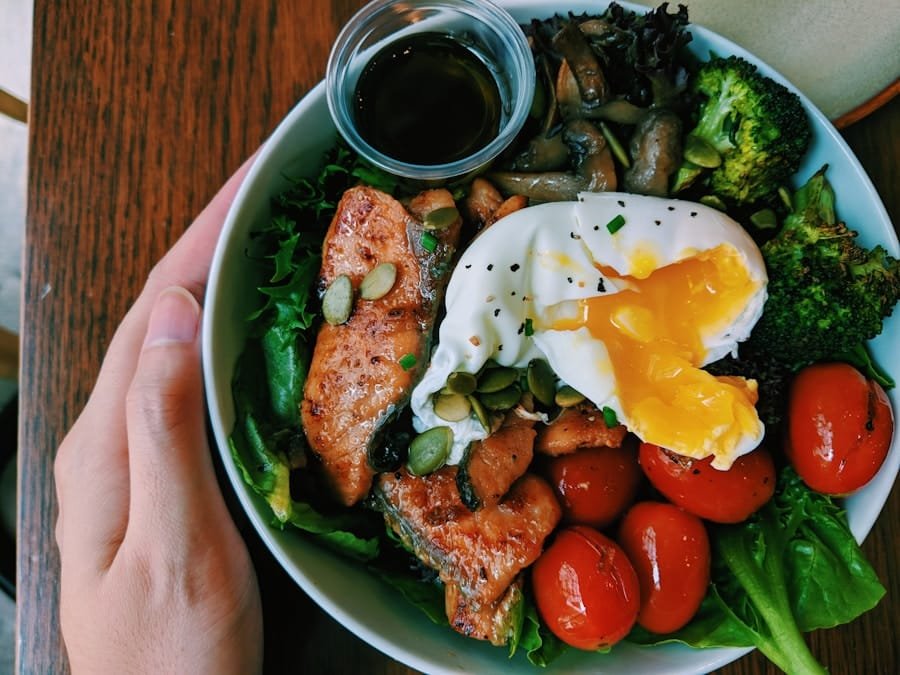
Creating a sample meal plan can help you visualize how a day on a ketogenic diet might look. For breakfast, consider starting your day with scrambled eggs cooked in butter or coconut oil, paired with avocado slices for added healthy fats. You could also enjoy a smoothie made with unsweetened almond milk, spinach, and a scoop of nut butter for a quick yet satisfying option.
For lunch, a salad featuring mixed greens topped with grilled chicken, olive oil dressing, and crumbled feta cheese makes for a deliciously filling meal. As an afternoon snack, you might opt for a handful of nuts or cheese slices paired with cucumber sticks. For dinner, consider preparing baked salmon with asparagus drizzled in olive oil or butter.
Finally, if you’re craving something sweet after dinner, a small serving of berries with whipped cream can satisfy your sweet tooth while keeping carbs in check.
Potential Side Effects of a Ketogenic Diet
While many people experience positive outcomes from following a ketogenic diet, it’s essential to be aware of potential side effects that may arise during the transition period. One common issue is the “keto flu,” which can occur as your body adapts to burning fat for fuel instead of carbohydrates. Symptoms may include fatigue, headaches, irritability, and digestive discomfort.
These symptoms typically subside within a few days as your body adjusts. Another potential side effect is nutrient deficiencies if the diet is not well-balanced. Since certain food groups are restricted on a ketogenic diet, it’s crucial to ensure that you’re still getting adequate vitamins and minerals from the foods you do consume.
Incorporating a variety of low-carb vegetables and considering supplementation can help mitigate this risk. Additionally, some individuals may experience changes in digestion or bowel habits when transitioning to a high-fat diet; monitoring your body’s response and adjusting accordingly is key.
Conclusion and Final Thoughts
In conclusion, the ketogenic diet presents an exciting opportunity for those looking to improve their health and achieve weight loss goals through dietary changes. By understanding which foods to include and avoid while embracing the benefits of ketosis, you can create a sustainable eating plan that works for you. Remember that transitioning to this lifestyle may come with challenges; however, with proper planning and support, you can navigate these hurdles successfully.
As you embark on your ketogenic journey, keep in mind that individual experiences may vary. It’s essential to listen to your body and make adjustments as needed while prioritizing overall well-being. Whether you’re seeking weight loss or simply looking to enhance your health through dietary changes, the ketogenic diet offers a unique approach that could lead you toward achieving your goals.
Embrace the journey ahead with an open mind and a commitment to nourishing your body in new ways!
FAQs
What is a ketogenic diet?
A ketogenic diet is a high-fat, low-carbohydrate diet that has been shown to help with weight loss and improve certain health conditions. It involves reducing carbohydrate intake and replacing it with fat, which puts the body into a metabolic state called ketosis.
What foods are allowed on a ketogenic diet?
Foods that are allowed on a ketogenic diet include:
– Healthy fats such as avocados, coconut oil, olive oil, and butter
– Low-carbohydrate vegetables such as leafy greens, broccoli, cauliflower, and zucchini
– High-quality proteins such as meat, fish, and eggs
– Nuts and seeds
– Full-fat dairy products
Which foods should be avoided on a ketogenic diet?
Foods that should be avoided on a ketogenic diet include:
– High-carbohydrate foods such as bread, pasta, rice, and potatoes
– Sugary foods and drinks
– Processed foods and snacks
– Most fruits, as they are high in carbohydrates
– Grains and legumes
Can I eat fruit on a ketogenic diet?
Most fruits are high in carbohydrates and should be limited on a ketogenic diet. Small portions of berries such as strawberries, raspberries, and blackberries can be included in moderation.
Is it okay to consume alcohol on a ketogenic diet?
Alcohol can be consumed in moderation on a ketogenic diet, but it’s important to choose low-carbohydrate options such as dry wine, spirits, or light beer. Keep in mind that alcohol can slow down weight loss and affect ketosis.