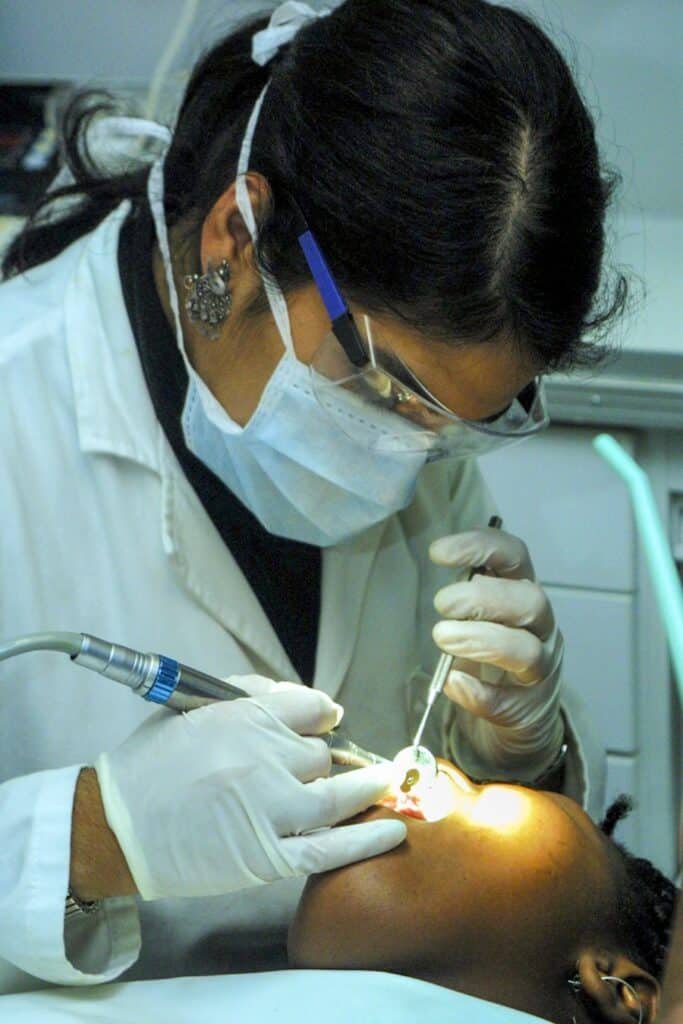
Dental health is a crucial aspect of your overall well-being that often goes overlooked. Maintaining good oral hygiene is not just about having a bright smile; it plays a significant role in your overall health. Healthy teeth and gums can enhance your quality of life, allowing you to eat, speak, and socialize without discomfort or embarrassment.
When you prioritize dental health, you are investing in your self-esteem and confidence, which can positively influence various aspects of your life. Moreover, dental health is interconnected with many bodily functions. The mouth serves as a gateway to the body, and poor oral hygiene can lead to a host of health issues beyond just cavities and gum disease.
By taking care of your teeth and gums, you are also taking proactive steps to prevent potential complications that could arise from neglecting your dental health. Regular dental check-ups and good oral hygiene practices can help you maintain not only a beautiful smile but also a healthier body.
Key Takeaways
- Good dental health is important for overall well-being and quality of life.
- Common dental issues include cavities, gum disease, and tooth decay.
- Poor dental health can lead to bad breath, tooth loss, and even systemic health issues.
- Neglecting dental health can impact overall health, leading to heart disease and diabetes.
- Maintaining good dental health can improve mental well-being and self-confidence.
Common Dental Issues
You may encounter several common dental issues throughout your life, each with its own set of causes and consequences. Cavities, or dental caries, are perhaps the most prevalent problem, resulting from the decay of tooth enamel due to bacteria feeding on sugars in your diet. If left untreated, cavities can lead to severe pain and even tooth loss.
Another common issue is gum disease, which ranges from gingivitis to more severe forms like periodontitis. This condition arises when plaque builds up on your teeth, leading to inflammation and infection of the gums. Additionally, you might experience tooth sensitivity, which can make consuming hot or cold foods and beverages uncomfortable.
This sensitivity often results from worn enamel or exposed tooth roots. Other issues include bad breath, which can stem from poor oral hygiene or underlying health conditions, and misalignment of teeth, which may require orthodontic intervention. Understanding these common dental issues is the first step toward effective prevention and treatment.
Effects of Poor Dental Health

The effects of poor dental health can be far-reaching and detrimental to your quality of life. When you neglect your oral hygiene, you may experience persistent pain, difficulty eating, and even social anxiety due to concerns about bad breath or visible decay. These issues can lead to a cycle of avoidance, where you refrain from social interactions or activities that involve eating in public, ultimately affecting your relationships and self-esteem.
Furthermore, poor dental health can lead to more serious complications. Infections that start in the mouth can spread to other parts of the body, potentially resulting in systemic health issues. For instance, untreated gum disease has been linked to heart disease and diabetes.
The inflammation caused by oral bacteria can enter the bloodstream, exacerbating existing health conditions or contributing to new ones. Therefore, neglecting your dental health can have consequences that extend well beyond your mouth.
Impact on Overall Health
Your overall health is intricately linked to your dental health in ways that may surprise you. Research has shown that individuals with poor oral hygiene are at a higher risk for various systemic diseases. For example, gum disease has been associated with an increased risk of cardiovascular problems, as the bacteria from infected gums can enter the bloodstream and contribute to arterial plaque buildup.
This connection highlights the importance of maintaining good oral hygiene not just for a healthy mouth but for a healthy heart as well. Additionally, there is a growing body of evidence suggesting that poor dental health may influence conditions such as diabetes and respiratory diseases. For those with diabetes, gum disease can make it more challenging to control blood sugar levels, creating a vicious cycle that exacerbates both conditions.
Similarly, bacteria from the mouth can be inhaled into the lungs, leading to respiratory infections or worsening existing lung conditions. By prioritizing your dental health, you are taking significant steps toward safeguarding your overall health.
Dental Health and Mental Well-being
Your mental well-being is also closely tied to your dental health. The state of your oral hygiene can significantly impact your self-image and confidence. If you are dealing with visible dental issues such as discoloration, missing teeth, or gum disease, you may feel self-conscious about your appearance.
This discomfort can lead to social withdrawal and anxiety, affecting your relationships and overall happiness. Moreover, the pain associated with dental problems can contribute to stress and irritability. Chronic pain can take a toll on your mental health, leading to feelings of frustration or helplessness.
Conversely, maintaining good dental health can boost your confidence and improve your mood. A healthy smile not only enhances your appearance but also fosters positive interactions with others, creating a ripple effect that benefits both your mental and emotional well-being.
Prevention and Maintenance

Preventing dental issues is far more effective than treating them after they occur. You have the power to maintain your dental health through consistent oral hygiene practices. Brushing your teeth at least twice a day with fluoride toothpaste is essential for removing plaque and preventing cavities.
Flossing daily helps eliminate food particles and plaque buildup between teeth where your toothbrush may not reach. Regular visits to the dentist for check-ups and cleanings are also vital components of preventive care. During these appointments, your dentist can identify potential issues before they escalate into more significant problems.
They may recommend additional treatments such as sealants or fluoride treatments based on your individual needs. By committing to a routine that includes both at-home care and professional guidance, you can significantly reduce your risk of developing dental issues.
Access to Dental Care
Access to dental care is a critical factor in maintaining good oral health for everyone. Unfortunately, many individuals face barriers that prevent them from receiving the care they need. These barriers may include financial constraints, lack of insurance coverage, or limited availability of dental services in certain areas.
As a result, some people may delay seeking treatment until their dental issues become severe. Addressing these access issues requires a multifaceted approach involving policy changes, community outreach programs, and increased awareness about the importance of dental health. By advocating for better access to affordable dental care, you can help ensure that everyone has the opportunity to maintain their oral health.
Additionally, exploring local resources such as community clinics or sliding-scale payment options can provide valuable support for those in need.
Improving Dental Health
Improving your dental health is an achievable goal that requires commitment and consistency. Start by evaluating your current oral hygiene routine and identifying areas for improvement. Are you brushing effectively? Are you flossing daily? Consider incorporating mouthwash into your routine for added protection against bacteria. In addition to personal care practices, consider making dietary changes that promote dental health. Reducing sugar intake and increasing consumption of fruits and vegetables can benefit both your teeth and gums. Foods rich in calcium and vitamin D are particularly important for maintaining strong teeth and bones. Finally, don’t underestimate the power of education in improving dental health. Stay informed about best practices for oral hygiene and emerging research on the connections between dental health and overall well-being. By taking proactive steps toward better dental care, you are investing in a healthier future for yourself—one smile at a time.
FAQs
What are the common dental health issues?
Common dental health issues include tooth decay, gum disease, bad breath, tooth sensitivity, and oral cancer.
What are the causes of dental health issues?
Dental health issues can be caused by poor oral hygiene, unhealthy diet, smoking, excessive alcohol consumption, genetics, and certain medical conditions.
How can dental health issues be prevented?
Dental health issues can be prevented by practicing good oral hygiene, including brushing and flossing regularly, avoiding sugary and acidic foods, visiting the dentist for regular check-ups, and avoiding tobacco and excessive alcohol consumption.
What are the consequences of poor dental health?
Poor dental health can lead to tooth loss, gum disease, bad breath, and can also have an impact on overall health, including an increased risk of heart disease, diabetes, and other systemic conditions.
How does age affect dental health?
As people age, they may experience changes in their dental health, including increased risk of tooth decay, gum disease, and oral cancer. It is important for older adults to maintain good oral hygiene and visit the dentist regularly.