
Your ears play a crucial role in your overall well-being, serving not only as the gateway to sound but also as an essential component of balance and spatial awareness. Ear health is often overlooked, yet it is vital for effective communication and interaction with the world around you. Understanding the intricacies of ear health can empower you to take proactive steps in preserving your hearing and preventing potential issues.
From the delicate structures within the ear to the external factors that can affect your auditory system, being informed is the first step toward maintaining optimal ear health. As you navigate through life, your ears are constantly exposed to various environmental factors, including noise pollution, infections, and even genetic predispositions. Each of these elements can significantly impact your hearing ability and overall ear health.
By recognizing the importance of ear care and the potential risks associated with neglecting it, you can make informed choices that promote long-term auditory wellness. This article will explore the various aspects of ear health, including the effects of loud noise, the impact of infections, genetic influences, and the connection between ear health and overall health.
Key Takeaways
- Regular hearing check-ups are important for maintaining ear health and catching any issues early on.
- Loud noise can have a significant impact on hearing and can lead to permanent damage if not properly protected against.
- Ear infections can have a negative impact on hearing and should be treated promptly to prevent long-term damage.
- Genetics can play a role in ear health, so it’s important to be aware of any family history of hearing issues.
- Overall health and ear health are connected, so taking care of your overall well-being can also benefit your ears.
The Effects of Loud Noise on Hearing
Loud noise is one of the most significant threats to your hearing health. Exposure to high decibel levels can lead to temporary or permanent hearing loss, a condition known as noise-induced hearing loss (NIHL). This type of damage occurs when the tiny hair cells in your inner ear become overstimulated and eventually die off, resulting in a diminished ability to hear certain frequencies.
You may not realize it, but everyday activities such as attending concerts, using power tools, or even listening to music at high volumes can contribute to this gradual decline in hearing ability. To protect your ears from the harmful effects of loud noise, it is essential to be aware of your surroundings and take necessary precautions. Wearing earplugs in noisy environments or opting for noise-canceling headphones can significantly reduce your risk of developing NIHL.
Additionally, practicing the “60/60 rule”—listening to music at no more than 60% volume for no longer than 60 minutes at a time—can help safeguard your hearing while still allowing you to enjoy your favorite tunes. By being mindful of your auditory environment, you can take proactive steps to preserve your hearing for years to come.
The Impact of Ear Infections on Hearing
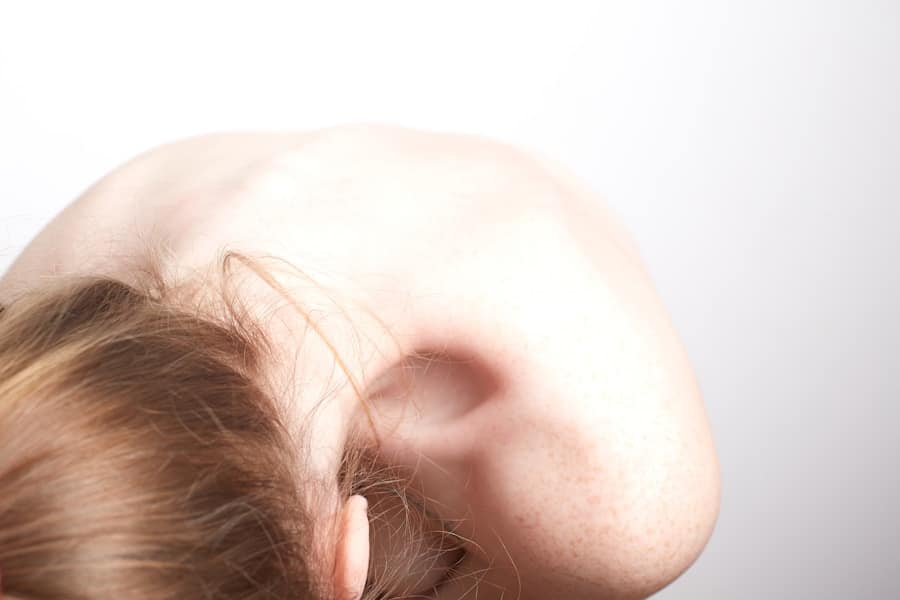
Ear infections are another common issue that can adversely affect your hearing health. These infections occur when bacteria or viruses invade the middle ear, leading to inflammation and fluid buildup. Symptoms may include pain, fever, and a feeling of fullness in the ear, but they can also result in temporary hearing loss.
If left untreated, recurrent ear infections can lead to more severe complications, including permanent damage to the structures within the ear. To minimize the risk of ear infections, it is essential to maintain good hygiene practices and seek medical attention when necessary. Regularly washing your hands and avoiding close contact with individuals who are sick can help reduce your chances of contracting an infection.
If you experience symptoms of an ear infection, consulting a healthcare professional promptly can lead to effective treatment and prevent long-term damage. By being proactive about your ear health, you can mitigate the impact of infections on your hearing.
The Role of Genetics in Ear Health
Genetics plays a significant role in determining your susceptibility to various ear-related issues. Some individuals may inherit conditions that predispose them to hearing loss or other auditory disorders. For instance, certain genetic mutations can affect the development and function of the inner ear structures responsible for sound processing.
Understanding your family history can provide valuable insights into your own ear health and help you make informed decisions about monitoring and maintaining your hearing. If you have a family history of hearing loss or other ear-related conditions, it may be beneficial to discuss this with a healthcare professional. They can guide you on appropriate screening measures and preventive strategies tailored to your specific needs.
By being aware of your genetic predispositions, you can take proactive steps to protect your hearing and address any potential issues before they escalate.
The Connection Between Ear Health and Overall Health
Your ear health is intricately linked to your overall well-being. Research has shown that untreated hearing loss can lead to various physical and mental health issues, including depression, anxiety, and cognitive decline. When you struggle to hear, it can create barriers in communication and social interaction, leading to feelings of isolation and frustration.
This connection underscores the importance of prioritizing your ear health as part of a holistic approach to wellness. Moreover, certain medical conditions can also impact your ear health. For example, diabetes has been linked to an increased risk of hearing loss due to changes in blood flow and nerve function.
Similarly, cardiovascular issues can affect the delicate structures within the ear that are essential for hearing. By maintaining a healthy lifestyle that includes regular exercise, a balanced diet, and routine medical check-ups, you can support both your ear health and overall well-being.
The Importance of Regular Hearing Check-ups
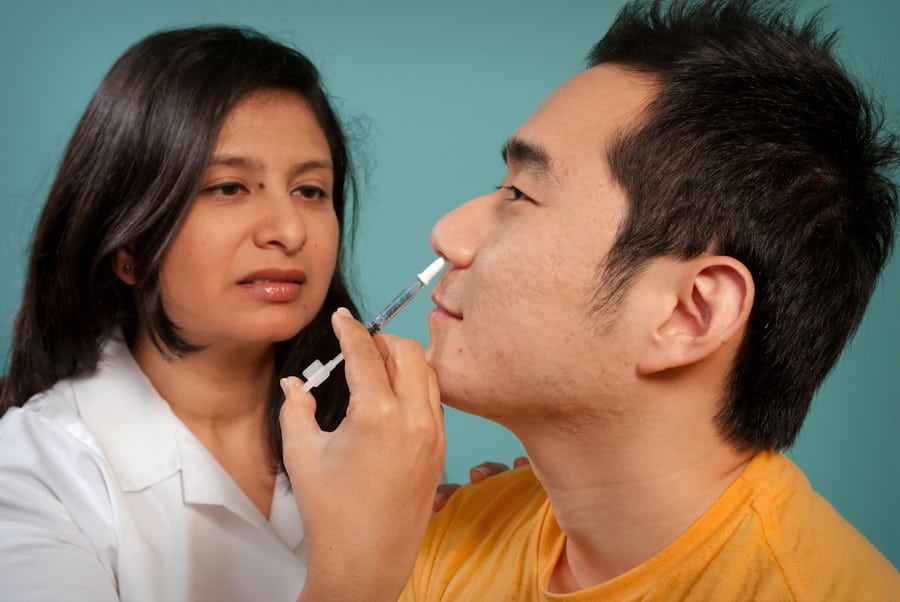
Regular hearing check-ups are essential for monitoring your auditory health and detecting any potential issues early on. Many people are unaware that they have experienced a decline in their hearing ability until it becomes significant enough to impact their daily lives. By scheduling routine check-ups with an audiologist or healthcare provider, you can stay informed about your hearing status and receive guidance on any necessary interventions.
During these check-ups, professionals will assess your hearing ability through various tests and evaluations. They may also discuss any concerns you have regarding your hearing or ear health. Early detection is key when it comes to addressing hearing loss or other auditory issues; timely intervention can lead to better outcomes and improved quality of life.
By prioritizing regular check-ups, you are taking an active role in safeguarding your hearing for years to come.
Preventative Measures for Maintaining Ear Health
Taking preventative measures is crucial for maintaining optimal ear health throughout your life. Simple lifestyle changes can make a significant difference in protecting your ears from potential damage. For instance, avoiding prolonged exposure to loud noises is one of the most effective ways to prevent noise-induced hearing loss.
If you work in a noisy environment or frequently attend concerts, consider investing in high-quality ear protection. Additionally, practicing good hygiene is essential for preventing ear infections. Keeping your ears dry after swimming or bathing can help reduce the risk of moisture buildup that fosters bacterial growth.
You should also avoid inserting objects into your ears, as this can cause injury or push wax deeper into the canal. Regularly cleaning your ears with a soft cloth during bathing is usually sufficient for maintaining cleanliness without risking damage.
Taking Care of Your Ears for a Lifetime of Good Hearing
In conclusion, taking care of your ears is vital for ensuring a lifetime of good hearing and overall well-being. By understanding the various factors that influence ear health—such as loud noise exposure, infections, genetics, and overall health—you can make informed choices that promote auditory wellness. Regular check-ups and preventative measures are essential components of this journey, allowing you to detect potential issues early and take proactive steps toward maintaining optimal hearing.
As you move forward in life, remember that your ears deserve attention just like any other aspect of your health. By prioritizing ear care and being mindful of the choices you make regarding noise exposure and hygiene practices, you can enjoy clear sound and vibrant communication for years to come. Embrace the responsibility of caring for your ears; after all, they are not just organs for hearing but gateways to experiencing the world around you in all its richness and beauty.
FAQs
What are the common causes of ear health issues?
Common causes of ear health issues include ear infections, excessive earwax buildup, exposure to loud noises, aging, and genetic factors.
How does exposure to loud noises impact ear health?
Exposure to loud noises can cause damage to the delicate structures of the inner ear, leading to hearing loss and tinnitus (ringing in the ears).
What is the impact of smoking on ear health?
Smoking has been linked to an increased risk of hearing loss and can also worsen the symptoms of tinnitus.
How does earwax buildup affect ear health?
Excessive earwax buildup can cause hearing loss, earaches, and increase the risk of developing ear infections.
What impact does ear infections have on ear health?
Ear infections can cause pain, hearing loss, and in severe cases, lead to complications such as ruptured eardrums or permanent hearing damage.
How does aging affect ear health?
As people age, they may experience a natural decline in hearing ability, known as presbycusis, due to changes in the inner ear.
What impact does ear health have on overall well-being?
Good ear health is essential for communication, balance, and overall quality of life. Ear problems can significantly impact a person’s physical and emotional well-being.


