
Heat tolerance refers to the body’s ability to withstand and adapt to high temperatures. It is a critical aspect of human physiology, especially in regions where extreme heat is prevalent. When you think about heat tolerance, consider it as your body’s resilience against the stress that comes from elevated temperatures.
This resilience is not merely a matter of comfort; it plays a significant role in your overall health and well-being. Your body employs various mechanisms to maintain a stable internal temperature, primarily through sweating and increased blood flow to the skin. As you engage in activities under high temperatures, your body’s thermoregulatory system kicks into action.
This system is designed to prevent overheating by dissipating excess heat. However, the effectiveness of this system can vary significantly from person to person. Factors such as age, fitness level, and acclimatization can influence how well you tolerate heat.
Understanding your own heat tolerance is essential, especially if you live in a hot climate or engage in outdoor activities during the summer months. By recognizing your limits, you can take proactive steps to protect yourself from heat-related illnesses.
Key Takeaways
- Heat tolerance refers to the body’s ability to withstand and adapt to high temperatures.
- Factors affecting heat tolerance include hydration, acclimatization, age, fitness level, and medical conditions.
- Physical impacts of heat on the body include heat cramps, heat exhaustion, and heat stroke.
- Mental and emotional impacts of heat can include irritability, anxiety, and decreased cognitive function.
- Occupational impacts of heat tolerance can lead to decreased productivity, increased risk of accidents, and heat-related illnesses.
Factors Affecting Heat Tolerance
Acclimatization: The Key to Adapting to Heat
One of the most significant factors contributing to your individual heat tolerance is acclimatization. This refers to the physiological adjustments your body makes when exposed to heat over time. By gradually exposing yourself to higher temperatures, your body learns to adapt, improving your ability to handle heat stress. This process can take several days to weeks, depending on the intensity of the heat and your initial fitness level.
Hydration: The Crucial Role in Heat Tolerance
Another critical factor is hydration. Your body loses fluids through sweat as it attempts to cool itself down, and if you do not replenish these fluids, your heat tolerance diminishes significantly. Dehydration can lead to a host of problems, including heat exhaustion and heat stroke.
Age, Health, and Heat Tolerance
Your age and overall health also play a role in how well you cope with heat. Older adults and individuals with certain medical conditions may have a reduced ability to regulate their body temperature, making them more susceptible to heat-related issues.
By being aware of these factors, you can take steps to enhance your heat tolerance and safeguard your health.
Physical Impact of Heat on the Body
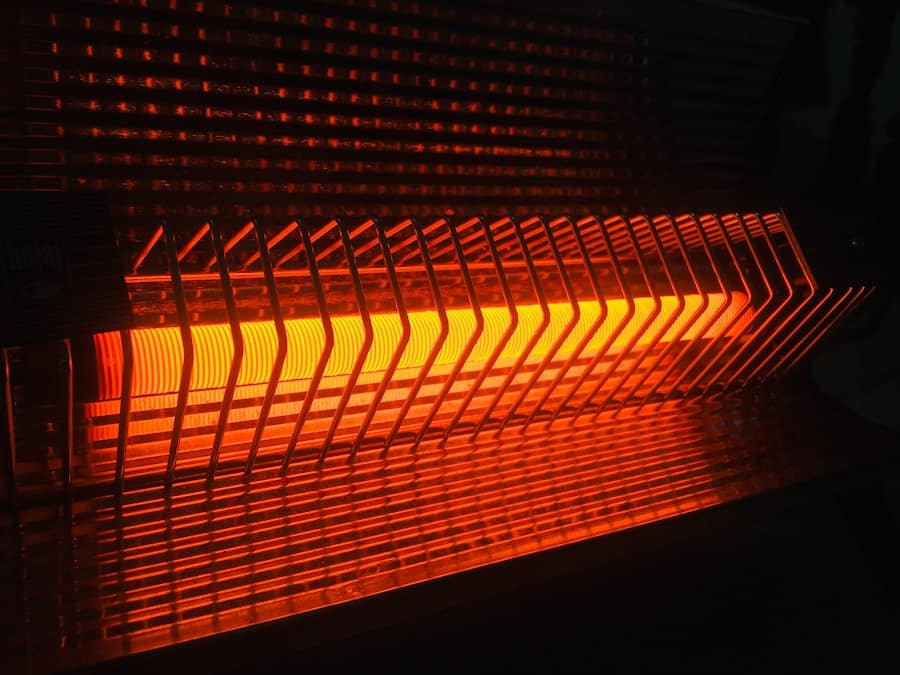
When exposed to high temperatures, your body undergoes various physical changes as it strives to maintain a stable internal environment. One of the most immediate responses is an increase in heart rate and blood flow to the skin. This process helps dissipate heat but can also place additional strain on your cardiovascular system.
If you are not adequately acclimatized or hydrated, this strain can lead to fatigue and decreased physical performance. Moreover, excessive heat can lead to a range of heat-related illnesses. Heat exhaustion is characterized by symptoms such as heavy sweating, weakness, dizziness, and nausea.
If left untreated, it can escalate into heat stroke, a life-threatening condition where the body’s temperature regulation fails entirely. Recognizing these symptoms early is crucial for preventing serious health complications. By understanding how heat affects your body physically, you can take proactive measures to mitigate its impact during hot weather.
Mental and Emotional Impact of Heat
The effects of heat are not limited to the physical realm; they extend into mental and emotional domains as well. High temperatures can lead to increased irritability and decreased cognitive function. When you are hot, your ability to concentrate diminishes, making it challenging to perform tasks that require focus or critical thinking.
This decline in cognitive performance can be particularly concerning in work environments or during activities that demand high levels of attention. Additionally, prolonged exposure to heat can contribute to feelings of anxiety and stress. The discomfort associated with high temperatures can create a sense of unease that affects your mood and overall mental well-being.
You may find yourself feeling more fatigued or less motivated to engage in social activities or exercise when the weather is sweltering. Recognizing these emotional impacts is essential for managing your mental health during hot weather and finding ways to cope with the challenges that arise.
Occupational Impact of Heat Tolerance
In many professions, especially those that require outdoor work or physical labor, heat tolerance plays a crucial role in ensuring safety and productivity. Workers exposed to high temperatures are at risk for heat-related illnesses, which can lead to decreased performance and increased absenteeism. For instance, construction workers, agricultural laborers, and athletes often face extreme conditions that demand a high level of heat tolerance.
Employers have a responsibility to create safe working environments that consider the impact of heat on their employees. This includes providing adequate hydration stations, scheduling breaks during peak heat hours, and educating workers about recognizing the signs of heat stress. By fostering an awareness of heat tolerance within occupational settings, both employers and employees can work together to minimize risks and enhance overall productivity.
Impact of Heat Tolerance on Exercise and Physical Activity

Performance in Hot Weather
If you’re not used to exercising in hot conditions, you may find that your endurance decreases, and recovery times lengthen. To optimize your performance in hot weather, it’s essential to adjust your training regimen accordingly. This might involve scheduling workouts during cooler parts of the day or incorporating more rest breaks into your routine.
Hydration is Key
Staying hydrated before, during, and after exercise is vital for maintaining optimal performance levels. By understanding how heat affects your physical activity, you can make informed decisions that enhance both your safety and enjoyment while exercising.
Optimizing Your Workout in the Heat
By recognizing the impact of heat on your physical activity, you can take steps to optimize your workout in hot weather. This includes adjusting your training schedule, staying hydrated, and taking regular breaks to avoid fatigue and maintain performance levels.
Health Implications of Heat Tolerance
The implications of heat tolerance extend beyond immediate discomfort; they can have long-term health consequences as well. Chronic exposure to high temperatures without adequate acclimatization or hydration can lead to serious health issues such as kidney damage or cardiovascular problems. For individuals with pre-existing health conditions, the risks associated with heat exposure are even more pronounced.
Moreover, climate change has led to an increase in the frequency and intensity of heatwaves worldwide. As global temperatures rise, understanding and improving heat tolerance becomes increasingly important for public health initiatives. Communities must prioritize education on heat safety and develop strategies for protecting vulnerable populations such as the elderly or those with chronic illnesses from extreme heat events.
Strategies for Improving Heat Tolerance
Improving your heat tolerance is not only beneficial for your comfort but also essential for your overall health and well-being. One effective strategy is gradual acclimatization; by slowly increasing your exposure to higher temperatures over time, you allow your body to adapt naturally. This process can involve spending short periods outdoors in the heat each day or engaging in light physical activity during warmer hours.
Hydration is another critical component of enhancing heat tolerance. Make it a habit to drink water consistently throughout the day, especially before engaging in outdoor activities or exercise. Electrolyte-rich beverages can also be beneficial in replenishing lost minerals through sweat.
Additionally, wearing appropriate clothing made from breathable fabrics can help regulate body temperature more effectively. Incorporating cooling strategies into your routine can further improve your ability to cope with high temperatures. This might include taking cool showers after being outdoors or using fans and air conditioning when indoors.
By implementing these strategies into your daily life, you can enhance your heat tolerance and protect yourself from the adverse effects of extreme temperatures. In conclusion, understanding heat tolerance is essential for maintaining health and well-being in hot conditions. By recognizing the factors that influence it and implementing strategies for improvement, you can better navigate the challenges posed by high temperatures while enjoying outdoor activities safely and effectively.
FAQs
What is heat tolerance?
Heat tolerance refers to the ability of an organism to withstand and function effectively in high temperatures without experiencing negative effects on its health or performance.
What factors affect heat tolerance?
Factors that can affect heat tolerance include genetics, acclimatization, hydration, physical fitness, age, and overall health.
How does heat tolerance impact human health?
Heat tolerance plays a crucial role in human health, as it affects the body’s ability to regulate its temperature and avoid heat-related illnesses such as heat exhaustion and heat stroke.
What are the effects of heat tolerance on physical performance?
High heat tolerance can improve physical performance in hot environments, while low heat tolerance can lead to decreased performance and increased risk of heat-related injuries.
How can heat tolerance be improved?
Heat tolerance can be improved through gradual acclimatization to hot environments, staying well-hydrated, maintaining physical fitness, and using appropriate protective measures such as wearing light and breathable clothing.
What are the implications of heat tolerance on occupational and athletic activities?
Heat tolerance has significant implications for occupational and athletic activities, as it can impact productivity, safety, and performance in hot working or training environments. Employers and coaches should take heat tolerance into consideration when planning work or training schedules.





