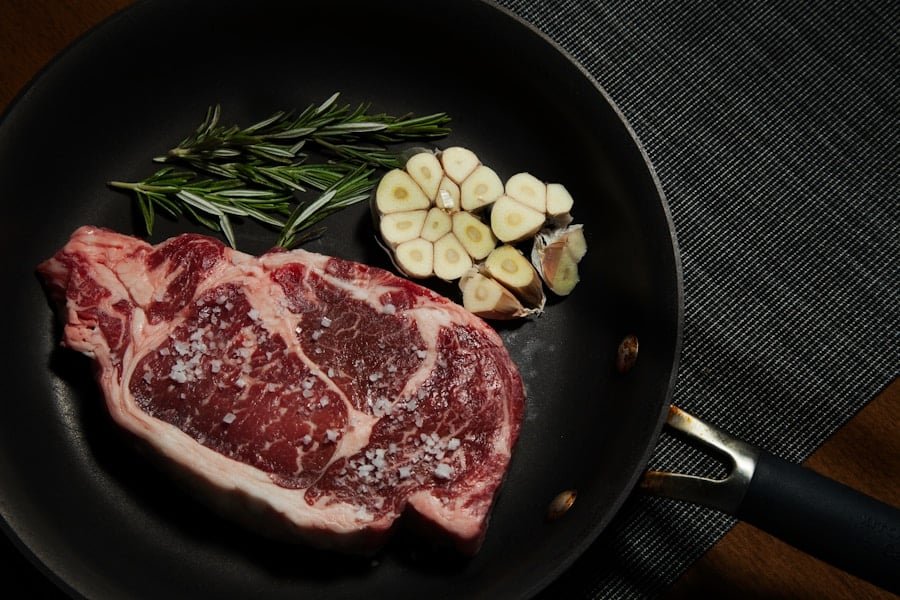
The ketogenic diet, often referred to as the keto diet, is a high-fat, low-carbohydrate eating plan that has gained immense popularity in recent years. By drastically reducing carbohydrate intake and replacing it with fat, your body enters a metabolic state known as ketosis. In this state, your body becomes highly efficient at burning fat for energy, which can lead to significant weight loss and improved metabolic health.
However, while the keto diet offers numerous benefits, it also raises questions about its long-term effects on bone health. As you embark on a ketogenic journey, it’s essential to understand how this dietary approach can influence your bones. Research suggests that the keto diet may lead to changes in bone density and mineralization due to its restrictive nature.
The reduction in carbohydrate intake can affect the absorption of certain nutrients critical for bone health, such as calcium and magnesium. Additionally, the shift in metabolic processes may alter the way your body utilizes these minerals. Therefore, being aware of these potential impacts is crucial for maintaining strong bones while following a ketogenic lifestyle.
Key Takeaways
- The ketogenic diet may impact bone health due to potential calcium deficiency and altered acid-base balance.
- Incorporating calcium-rich foods such as dairy, leafy greens, and nuts is essential for maintaining bone health on a ketogenic diet.
- Utilizing supplements like calcium citrate and vitamin D can help support calcium intake on a ketogenic diet.
- Balancing macronutrients, including adequate protein and healthy fats, is crucial for optimal bone health on a ketogenic diet.
- Engaging in weight-bearing exercises like walking, dancing, and resistance training can support bone health while on a ketogenic diet.
Incorporating Calcium-Rich Foods into a Ketogenic Diet
To support your bone health on a ketogenic diet, incorporating calcium-rich foods is vital. Dairy products such as cheese, yogurt, and cream are excellent sources of calcium and fit well within the parameters of a keto diet. If you enjoy cheese, consider adding varieties like cheddar or mozzarella to your meals.
Additionally, leafy greens such as kale and spinach can be included in your meals, offering a plant-based source of calcium that complements your dietary needs. Another great option for increasing your calcium intake is through nuts and seeds.
You might find that sprinkling some sesame seeds on a salad or enjoying a handful of almonds as a snack can significantly boost your calcium levels. Furthermore, certain fish like sardines and salmon, which are also rich in omega-3 fatty acids, can contribute to both your calcium intake and overall bone health.
By diversifying your sources of calcium, you can ensure that you are meeting your nutritional needs while adhering to the ketogenic diet.
Utilizing Supplements to Support Calcium Intake on a Ketogenic Diet

While incorporating calcium-rich foods into your diet is essential, you may find it challenging to meet your calcium needs solely through food sources. This is where supplements can play a crucial role in supporting your bone health on a ketogenic diet. Calcium supplements come in various forms, including calcium carbonate and calcium citrate, each with its own absorption characteristics.
If you choose to take a supplement, it’s important to select one that aligns with your dietary preferences and lifestyle. When considering supplementation, it’s wise to consult with a healthcare professional who can guide you on the appropriate dosage based on your individual needs. They may recommend combining calcium supplements with vitamin D to enhance absorption, as vitamin D plays a critical role in calcium metabolism.
By taking a proactive approach to supplementation, you can help ensure that your bones receive the necessary nutrients they need to remain strong and healthy while following a ketogenic lifestyle.
Balancing Macronutrients for Optimal Bone Health on a Ketogenic Diet
Achieving optimal bone health on a ketogenic diet requires careful attention to macronutrient balance. While the primary focus of the keto diet is on high fat intake, it’s essential not to neglect protein and carbohydrates entirely. Protein is crucial for maintaining muscle mass and supporting overall bone structure.
Including adequate protein sources such as meat, fish, eggs, and plant-based proteins can help you achieve this balance. Moreover, while carbohydrates are limited on a ketogenic diet, incorporating low-carb vegetables can provide essential vitamins and minerals that support bone health. Vegetables like broccoli, cauliflower, and Brussels sprouts are not only low in carbs but also rich in nutrients that contribute to bone density.
By ensuring that you consume a well-rounded macronutrient profile, you can create an environment conducive to maintaining strong bones while enjoying the benefits of ketosis.
Engaging in Weight-Bearing Exercise to Support Bone Health
In addition to dietary considerations, engaging in weight-bearing exercise is another critical component of maintaining bone health on a ketogenic diet. Activities such as walking, running, dancing, or resistance training stimulate bone formation and help prevent bone loss. When you participate in weight-bearing exercises, the mechanical stress placed on your bones encourages them to strengthen and adapt over time.
You might find that incorporating regular exercise into your routine not only supports your bone health but also enhances your overall well-being. As you engage in physical activity, you may experience improved mood and increased energy levels, which can further motivate you to stick with your ketogenic lifestyle. Aim for at least 150 minutes of moderate-intensity exercise each week to reap the benefits for both your bones and overall health.
Managing Acid-Base Balance to Preserve Bone Density on a Ketogenic Diet

One often-overlooked aspect of maintaining bone health on a ketogenic diet is managing acid-base balance within the body. The foods you consume can influence the acidity or alkalinity of your body’s environment, which in turn affects bone density. A diet high in animal proteins and low in fruits and vegetables can lead to an acidic environment that may contribute to bone loss over time.
To counteract this potential issue, consider incorporating more alkaline-forming foods into your meals. While following a ketogenic diet may limit some fruits and vegetables due to their carbohydrate content, there are still plenty of options available that can help maintain acid-base balance. Foods like avocados, leafy greens, and nuts can provide essential nutrients while promoting an alkaline environment in your body.
By being mindful of your food choices and their impact on acid-base balance, you can better support your bone health while enjoying the benefits of a ketogenic lifestyle.
Monitoring Vitamin D Levels for Bone Health on a Ketogenic Diet
Vitamin D is another critical nutrient for maintaining bone health, especially when following a ketogenic diet. This fat-soluble vitamin plays an essential role in calcium absorption and helps regulate bone metabolism. Unfortunately, many individuals may not get enough vitamin D from sunlight exposure or dietary sources alone, making it crucial to monitor your levels regularly.
If you find that your vitamin D levels are low, consider discussing supplementation with your healthcare provider. They may recommend vitamin D3 supplements to help boost your levels effectively. Additionally, incorporating foods rich in vitamin D into your diet can further support your bone health.
Fatty fish like salmon and mackerel are excellent sources of vitamin D and fit well within the parameters of a ketogenic diet. By ensuring adequate vitamin D levels, you can enhance calcium absorption and promote optimal bone density.
Consulting with a Healthcare Professional for Personalized Bone Health Strategies on a Ketogenic Diet
As you navigate the complexities of maintaining bone health on a ketogenic diet, consulting with a healthcare professional is invaluable. A registered dietitian or nutritionist can provide personalized guidance tailored to your specific needs and goals. They can help you assess your dietary intake, identify potential nutrient deficiencies, and develop strategies to optimize your bone health while adhering to the principles of the keto diet.
Additionally, regular check-ups with your healthcare provider can help monitor key indicators of bone health, such as bone density tests or blood work for nutrient levels. By taking a proactive approach and seeking professional advice, you can ensure that you are making informed decisions about your dietary choices and lifestyle habits that support both your overall health and bone integrity while following a ketogenic lifestyle. In conclusion, maintaining bone health while following a ketogenic diet requires careful consideration of various factors including nutrient intake, exercise habits, and overall lifestyle choices.
By understanding the impact of the keto diet on bone health and implementing strategies such as incorporating calcium-rich foods, utilizing supplements when necessary, balancing macronutrients, engaging in weight-bearing exercises, managing acid-base balance, monitoring vitamin D levels, and consulting with healthcare professionals, you can create a comprehensive approach that supports strong bones throughout your ketogenic journey.
FAQs
What is a ketogenic diet?
A ketogenic diet is a high-fat, adequate-protein, low-carbohydrate diet that forces the body to burn fats rather than carbohydrates for energy. This process produces ketones, which the body can use for energy.
Why is bone health important?
Maintaining bone health is important for overall health and well-being. Strong bones support the body, protect organs, and provide a framework for muscles to work against.
How does a ketogenic diet affect bone health?
Some studies suggest that a ketogenic diet may have both positive and negative effects on bone health. While the diet may lead to weight loss and improved insulin sensitivity, it may also lead to lower calcium intake and increased risk of bone fractures.
What strategies can individuals use to maintain bone health on a ketogenic diet?
To maintain bone health on a ketogenic diet, individuals can focus on consuming foods rich in calcium, such as leafy greens, dairy products, and certain nuts and seeds. They can also consider taking calcium supplements to ensure they meet their daily calcium needs.
How much calcium should individuals consume on a ketogenic diet?
The recommended daily intake of calcium for adults is 1000-1200 mg. Individuals on a ketogenic diet should aim to meet this requirement through a combination of dietary sources and supplements, if necessary.
What are some calcium-rich foods that are suitable for a ketogenic diet?
Some calcium-rich foods that are suitable for a ketogenic diet include leafy greens (such as kale and spinach), dairy products (such as cheese and yogurt), and certain nuts and seeds (such as almonds and chia seeds). These foods can help individuals meet their calcium needs while following a ketogenic diet.