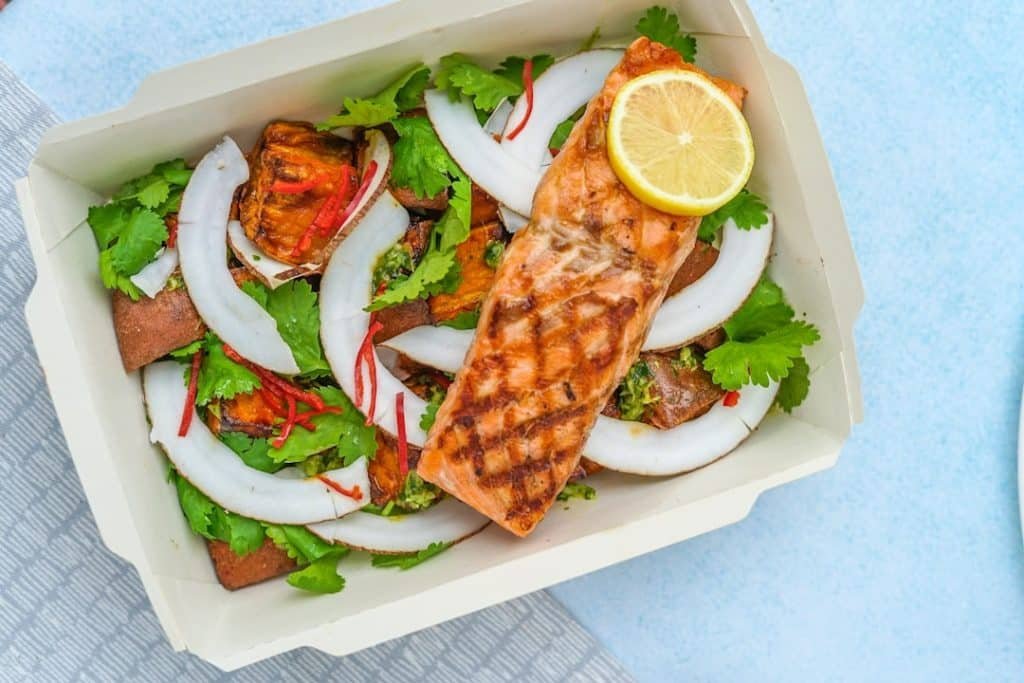
The ketogenic diet, often referred to as keto, is a high-fat, low-carbohydrate eating plan that has gained immense popularity in recent years. At its core, the diet aims to shift your body’s metabolism from relying on carbohydrates for energy to utilizing fats instead. This metabolic state is known as ketosis, where your body becomes highly efficient at burning fat for fuel.
By drastically reducing your carbohydrate intake and replacing it with healthy fats, you can encourage your body to enter this state, leading to various health benefits, including weight loss, improved mental clarity, and increased energy levels. As you embark on this dietary journey, it’s essential to understand the science behind it. When you consume fewer carbs, your body’s insulin levels drop, prompting it to start breaking down fat into ketones, which serve as an alternative energy source.
This process not only helps in weight management but also has been linked to improved brain function and reduced inflammation. However, transitioning into ketosis can be challenging for some, as your body may initially experience withdrawal symptoms from sugar and carbs. Understanding these dynamics will empower you to navigate the ketogenic lifestyle more effectively.
Key Takeaways
- The ketogenic diet is a high-fat, low-carbohydrate eating plan that can help the body burn fat more effectively.
- Low carbohydrate intake is crucial for achieving and maintaining a state of ketosis, where the body burns fat for fuel instead of carbohydrates.
- Healthy fats such as avocados, nuts, and olive oil should be emphasized in a ketogenic diet to provide essential nutrients and promote satiety.
- High-quality proteins like grass-fed beef, free-range poultry, and wild-caught fish are important for muscle maintenance and overall health on a ketogenic diet.
- Choosing low-carb vegetables and fruits like leafy greens, broccoli, and berries can provide essential vitamins and minerals while keeping carbohydrate intake in check.
The Importance of Low Carbohydrate Intake
Reducing carbohydrate intake is a cornerstone of the ketogenic diet. By limiting your consumption of sugars and starches, you can significantly lower your blood sugar levels and insulin response. This reduction is crucial because high insulin levels can lead to fat storage and hinder weight loss efforts.
When you cut back on carbs, your body is forced to tap into its fat reserves for energy, which can lead to a more efficient fat-burning process. Moreover, a low-carb intake can help stabilize your energy levels throughout the day. Instead of experiencing the typical spikes and crashes associated with high-carb meals, you’ll find that your energy remains more consistent.
This stability can enhance your focus and productivity, making it easier for you to tackle daily tasks without the distraction of hunger or fatigue. As you adjust to this new way of eating, you may also notice a decrease in cravings for sugary snacks and processed foods, allowing you to make healthier choices more naturally.
Emphasizing Healthy Fats in Your Diet

In a ketogenic diet, healthy fats become your primary source of energy. It’s essential to focus on incorporating high-quality fats into your meals rather than relying on unhealthy options. Avocados, olive oil, nuts, seeds, and fatty fish are excellent choices that not only provide energy but also offer numerous health benefits.
These fats are rich in omega-3 fatty acids and other essential nutrients that support heart health and reduce inflammation. When you prioritize healthy fats, you’ll find that they can also help keep you feeling full and satisfied for longer periods. This satiety can be particularly beneficial when trying to manage your weight or resist the temptation of unhealthy snacks.
Additionally, incorporating a variety of fats into your diet can enhance the flavors of your meals, making the ketogenic lifestyle enjoyable rather than restrictive. Experimenting with different sources of healthy fats will allow you to discover new tastes and textures that complement your meals beautifully.
Incorporating High-Quality Proteins
While the ketogenic diet emphasizes fats, it’s equally important to include high-quality proteins in your meals. Proteins play a vital role in maintaining muscle mass and supporting overall health. When selecting protein sources, opt for grass-fed meats, free-range poultry, wild-caught fish, and plant-based options like tofu or tempeh.
These choices not only provide essential amino acids but also come with added nutrients that support your well-being. Balancing protein intake is crucial on a ketogenic diet; too much protein can potentially kick you out of ketosis by converting excess amino acids into glucose through a process called gluconeogenesis. Therefore, aim for moderate protein consumption while ensuring that it complements your fat intake.
This balance will help you maintain muscle while promoting fat loss, allowing you to achieve your health goals effectively.
Choosing Low-Carb Vegetables and Fruits
Incorporating low-carb vegetables and fruits into your ketogenic diet is essential for providing vital nutrients while keeping carbohydrate intake in check. Leafy greens such as spinach, kale, and arugula are excellent choices that are low in carbs but high in fiber and vitamins. These vegetables can be used in salads or sautéed as side dishes to add volume and nutrition to your meals without significantly impacting your carb count.
When it comes to fruits, focus on those that are lower in sugar content. Berries like strawberries, raspberries, and blackberries are great options due to their antioxidant properties and lower carbohydrate levels compared to other fruits. By being mindful of your vegetable and fruit choices, you can enjoy a diverse range of flavors while still adhering to the principles of the ketogenic diet.
Navigating Dairy Products on a Ketogenic Diet

Dairy products can be a delicious addition to your ketogenic diet, but not all dairy is created equal. Full-fat dairy options like cheese, heavy cream, and Greek yogurt can provide healthy fats and protein while keeping carbs low. However, it’s essential to pay attention to how your body reacts to dairy since some individuals may experience lactose intolerance or sensitivity.
When selecting dairy products, opt for those that are minimally processed and free from added sugars or fillers. For instance, choosing organic or grass-fed dairy can enhance the nutritional profile of your meals while supporting sustainable farming practices. Incorporating dairy thoughtfully into your diet can add creaminess and flavor to dishes while helping you meet your macronutrient goals.
Snack Options for a Ketogenic Diet
Finding suitable snacks on a ketogenic diet can be challenging but rewarding when done right. Instead of reaching for traditional snacks like chips or cookies, consider options that align with your dietary goals. Nuts and seeds are excellent choices; they are nutrient-dense and provide healthy fats that keep you satiated between meals.
Almonds, walnuts, chia seeds, and pumpkin seeds are all great options that can be enjoyed on their own or added to yogurt or salads. Another delicious snack idea is cheese-based snacks such as cheese crisps or string cheese. These options are low in carbs while providing protein and fat that can help curb hunger pangs.
Additionally, consider making homemade snacks like fat bombs—small bites made from coconut oil or nut butter mixed with cocoa powder or flavorings—that can satisfy sweet cravings without derailing your diet.
Beverages to Enjoy on a Ketogenic Diet
Staying hydrated is crucial on any diet, including the ketogenic one. While water should be your primary beverage of choice, there are several other options that fit well within the keto framework. Unsweetened tea and coffee are excellent choices; they provide antioxidants without adding carbohydrates.
You might even enjoy adding a splash of heavy cream or coconut milk for added richness. If you’re looking for something refreshing, consider sparkling water infused with lemon or lime juice for a zesty twist without the carbs found in sugary sodas or juices. Herbal teas can also be a delightful way to enjoy warm beverages without compromising your dietary goals.
By being mindful of your beverage choices, you can enhance your hydration while sticking to the principles of the ketogenic diet.
Meal Planning and Prepping for Success
Meal planning is an invaluable tool when following a ketogenic diet. By taking the time to plan out your meals for the week ahead, you can ensure that you have all the necessary ingredients on hand while avoiding last-minute temptations that could lead you astray from your goals. Start by selecting recipes that align with keto principles—focusing on high-fat, low-carb ingredients—and create a shopping list based on those meals.
Prepping meals in advance can save you time during busy weekdays while keeping you accountable to your dietary choices. Consider batch cooking proteins or preparing large salads that can be portioned out throughout the week. Having ready-to-eat meals available will make it easier for you to stick to the ketogenic lifestyle without feeling deprived or overwhelmed by cooking every day.
Dining Out on a Ketogenic Diet
Dining out while adhering to a ketogenic diet may seem daunting at first; however, with some preparation and knowledge about menu options, it can be an enjoyable experience. When reviewing menus at restaurants, look for dishes that feature proteins like steak or grilled chicken paired with non-starchy vegetables such as broccoli or asparagus. Don’t hesitate to ask for modifications—most restaurants are accommodating when it comes to dietary preferences.
Additionally, be cautious about sauces and dressings that may contain hidden sugars or high-carb ingredients. Opting for olive oil or vinegar-based dressings can help keep your meal aligned with keto principles. With a little creativity and flexibility, dining out can still be a pleasurable experience without compromising your commitment to the ketogenic lifestyle.
Tips for Staying on Track and Avoiding Common Pitfalls
Staying committed to a ketogenic diet requires dedication and mindfulness; however, there are several strategies you can employ to help keep yourself on track. One effective approach is tracking your macronutrient intake using apps or journals designed for this purpose. By monitoring your carb, fat, and protein consumption, you’ll gain insights into how well you’re adhering to the diet and where adjustments may be needed.
Another common pitfall is falling into boredom with food choices; variety is key! Experimenting with new recipes or trying different cuisines can keep things exciting while ensuring you’re getting a wide range of nutrients. Lastly, surrounding yourself with supportive friends or joining online communities focused on keto can provide motivation and encouragement during challenging times.
By understanding the principles of the ketogenic diet and implementing these strategies into your daily routine, you’ll be well-equipped to navigate this lifestyle successfully while enjoying its many benefits.
FAQs
What is a ketogenic diet?
A ketogenic diet is a high-fat, low-carbohydrate diet that has been shown to help with weight loss and improve certain health conditions. It involves drastically reducing carbohydrate intake and replacing it with fat, which puts the body into a metabolic state called ketosis.
What foods are allowed on a ketogenic diet?
Foods allowed on a ketogenic diet include meats, fatty fish, eggs, high-fat dairy, nuts and seeds, healthy oils (such as olive oil and coconut oil), low-carb vegetables (such as leafy greens, broccoli, and cauliflower), and some low-sugar fruits (such as berries).
What foods should be avoided on a ketogenic diet?
Foods to avoid on a ketogenic diet include sugary foods and drinks, grains and starches, fruit, beans or legumes, root vegetables, low-fat or diet products, unhealthy fats, and alcohol.
How much protein can I eat on a ketogenic diet?
The amount of protein allowed on a ketogenic diet can vary depending on individual needs and goals. Generally, it is recommended to consume moderate amounts of protein, as excessive protein intake can potentially interfere with ketosis.
What are the potential benefits of a ketogenic diet?
Some potential benefits of a ketogenic diet include weight loss, improved blood sugar control, increased mental clarity and focus, and reduced risk of certain diseases such as heart disease and type 2 diabetes.
Are there any potential risks or side effects of a ketogenic diet?
Some potential risks or side effects of a ketogenic diet may include nutrient deficiencies, constipation, bad breath, and an initial period of fatigue or weakness known as the “keto flu.” It is important to consult with a healthcare professional before starting a ketogenic diet, especially for those with certain medical conditions.