The ketogenic diet, often referred to simply as “keto,” has gained immense popularity in recent years as a powerful tool for weight loss and overall health improvement. At its core, the ketogenic diet is a high-fat, low-carbohydrate eating plan that aims to shift your body’s metabolism from burning carbohydrates for energy to utilizing fats instead. This metabolic state, known as ketosis, occurs when your body has limited access to glucose, prompting it to break down fat into ketones, which serve as an alternative energy source.
By drastically reducing your carbohydrate intake and increasing your fat consumption, you can encourage your body to enter this state of ketosis, leading to various health benefits. As you embark on your ketogenic journey, it’s essential to understand the fundamental principles behind this diet. The typical macronutrient breakdown for a ketogenic diet consists of approximately 70-75% fat, 20-25% protein, and only about 5-10% carbohydrates.
This significant reduction in carbs can lead to rapid weight loss, improved mental clarity, and increased energy levels. However, transitioning to a ketogenic lifestyle may require some adjustments in your eating habits and food choices. By familiarizing yourself with the types of foods that align with this diet, you can set yourself up for success and enjoy the myriad benefits that come with it.
Key Takeaways
- The ketogenic diet is a high-fat, low-carb diet that has been shown to help with weight loss and improve overall health.
- Low-carb vegetables such as spinach, broccoli, and cauliflower are great options for those following a ketogenic diet.
- High-fat foods like avocados, olive oil, and coconut oil are essential for meeting the high-fat requirements of the ketogenic diet.
- Protein sources like eggs, fish, and poultry are important for maintaining muscle mass and overall health on a ketogenic diet.
- Dairy products like cheese, butter, and heavy cream can be included in moderation on a ketogenic diet.
Low-Carb Vegetables
When following a ketogenic diet, incorporating low-carb vegetables into your meals is crucial. These vegetables are not only low in carbohydrates but also packed with essential vitamins, minerals, and fiber that support overall health. Leafy greens such as spinach, kale, and arugula are excellent choices, as they are nutrient-dense and can be used in salads or smoothies.
Cruciferous vegetables like broccoli, cauliflower, and Brussels sprouts are also fantastic options, providing a satisfying crunch while keeping your carb intake in check. In addition to being low in carbs, these vegetables can add variety and flavor to your meals. You might consider roasting cauliflower with olive oil and spices for a delicious side dish or sautéing spinach with garlic for a quick and nutritious addition to your dinner plate.
Zucchini is another versatile vegetable that can be spiralized into noodles or used as a base for casseroles. By incorporating a wide range of low-carb vegetables into your diet, you can ensure that you’re not only meeting your nutritional needs but also enjoying the process of cooking and eating.
High-Fat Foods
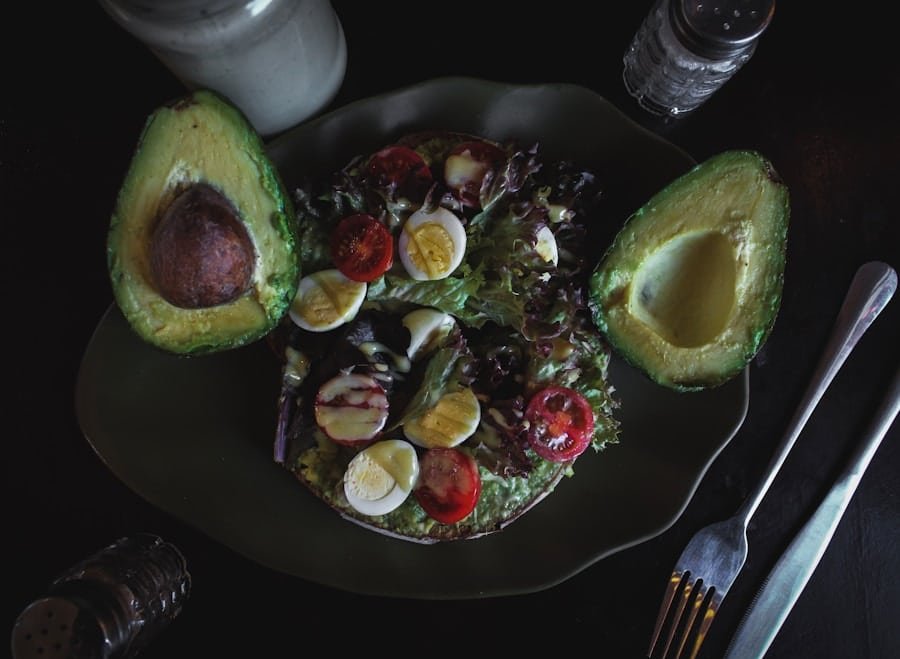
High-fat foods are the cornerstone of the ketogenic diet, providing the necessary fuel for your body while keeping you satiated. Healthy fats such as avocados, olive oil, coconut oil, and grass-fed butter should become staples in your kitchen. Avocados are particularly beneficial due to their high content of monounsaturated fats and fiber, making them an ideal addition to salads or smoothies.
You might also enjoy drizzling olive oil over your vegetables or using it as a base for salad dressings. In addition to these healthy fats, consider incorporating fatty fish like salmon and mackerel into your meals. These fish are rich in omega-3 fatty acids, which have been shown to support heart health and reduce inflammation.
Nuts and seeds also provide a great source of healthy fats; however, be mindful of portion sizes since they can be calorie-dense. By focusing on high-fat foods that are both nutritious and satisfying, you can create delicious meals that keep you feeling full and energized throughout the day.
Protein Sources
While the ketogenic diet emphasizes high fat intake, protein is still an essential component that should not be overlooked. Quality protein sources will help you maintain muscle mass while promoting satiety. When selecting protein options, prioritize grass-fed meats, free-range poultry, and wild-caught fish.
These sources not only provide high-quality protein but also come with added benefits such as omega-3 fatty acids and essential vitamins. In addition to animal-based proteins, you can also explore plant-based options like tofu and tempeh if you prefer a vegetarian approach. Eggs are another fantastic protein source that fits perfectly within the ketogenic framework; they are versatile and can be prepared in numerous ways—boiled, scrambled, or even baked into frittatas.
By diversifying your protein sources, you can ensure that your meals remain interesting while meeting your dietary needs.
Dairy Products
Dairy products can be an excellent addition to your ketogenic diet, offering both flavor and nutritional benefits. Full-fat dairy options such as cheese, heavy cream, and Greek yogurt are particularly suitable due to their low carbohydrate content. Cheese varieties like cheddar, mozzarella, and cream cheese can enhance the taste of various dishes while providing a good source of calcium and protein.
When incorporating dairy into your meals, consider using heavy cream in coffee or smoothies for a rich texture without the carbs. Greek yogurt can serve as a satisfying snack or breakfast option when topped with nuts or seeds. However, it’s essential to choose unsweetened varieties to avoid added sugars that could disrupt ketosis.
By embracing dairy products in moderation, you can enjoy their creamy goodness while staying aligned with your ketogenic goals.
Nuts and Seeds
Rich in Healthy Fats and Fiber
They are packed with healthy fats, fiber, vitamins, and minerals, making them an excellent choice for those looking to reduce their carbohydrate intake. Almonds, walnuts, pecans, and macadamia nuts are all great options that can be enjoyed as a quick snack or added to salads for an extra crunch.
Seeds Offer Unique Health Benefits
In addition to nuts, seeds like chia seeds, flaxseeds, and pumpkin seeds offer unique health benefits. Chia seeds are particularly noteworthy for their high omega-3 content and ability to absorb liquid, making them perfect for creating keto-friendly puddings or smoothies. Flaxseeds can be ground into meal and used in baking or sprinkled over yogurt for added texture.
Enhance Flavor and Nutrition
By incorporating a variety of nuts and seeds into your diet, you can enhance both the flavor and nutritional profile of your meals while keeping your carb intake low.
Beverages
Staying hydrated is crucial on any diet, including the ketogenic one. While many beverages contain hidden sugars that can derail your progress, there are plenty of keto-friendly options available. Water should always be your go-to choice; however, if you’re looking for something with more flavor, consider herbal teas or infused water with slices of lemon or cucumber.
Coffee is another popular beverage among those following a ketogenic lifestyle. You might enjoy it black or with a splash of heavy cream for added richness. Bulletproof coffee—a blend of coffee with grass-fed butter and MCT oil—has become a favorite among keto enthusiasts for its ability to provide sustained energy without the crash associated with sugary drinks.
By choosing beverages wisely, you can stay refreshed while adhering to your dietary goals.
Sweeteners and Condiments
While sugar is off-limits on a ketogenic diet, there are several alternative sweeteners that allow you to satisfy your sweet tooth without compromising your carb intake. Stevia and erythritol are two popular options that provide sweetness without calories or carbohydrates. These natural sweeteners can be used in baking or added to beverages for a touch of sweetness without the guilt.
Condiments also play an essential role in enhancing the flavor of your meals while keeping them keto-friendly. Mustard, mayonnaise (preferably homemade or sugar-free), and hot sauces can add zest without adding unnecessary carbs. You might also explore sugar-free salad dressings made from olive oil and vinegar for a tasty way to dress up your salads.
By being mindful of the sweeteners and condiments you choose, you can enjoy flavorful meals while staying true to your ketogenic lifestyle. In conclusion, adopting a ketogenic diet involves understanding the types of foods that align with its principles while ensuring you enjoy a diverse range of flavors and nutrients. By focusing on low-carb vegetables, high-fat foods, quality protein sources, dairy products, nuts and seeds, beverages, and appropriate sweeteners and condiments, you can create satisfying meals that support your health goals.
As you navigate this dietary journey, remember that balance is key; embrace variety in your food choices to keep things exciting while reaping the benefits of this transformative lifestyle.
FAQs
What is a ketogenic diet?
A ketogenic diet is a high-fat, low-carbohydrate diet that has been shown to help with weight loss and improve certain health conditions. It involves drastically reducing carbohydrate intake and replacing it with fat, which puts the body into a metabolic state called ketosis.
What types of food are allowed on a ketogenic diet?
Foods allowed on a ketogenic diet include high-fat foods such as meat, fish, eggs, dairy, healthy oils, nuts, seeds, and low-carbohydrate vegetables. It is important to limit or avoid high-carbohydrate foods such as grains, sugar, starchy vegetables, and most fruits.
Can I eat meat on a ketogenic diet?
Yes, meat is allowed on a ketogenic diet. This includes beef, pork, lamb, poultry, and organ meats. It is important to choose high-quality, unprocessed meats and to avoid processed meats that may contain added sugars or fillers.
Are vegetables allowed on a ketogenic diet?
Yes, low-carbohydrate vegetables are allowed on a ketogenic diet. This includes leafy greens, broccoli, cauliflower, zucchini, and bell peppers. It is important to limit or avoid high-carbohydrate vegetables such as potatoes, corn, and peas.
Can I eat dairy on a ketogenic diet?
Yes, dairy is allowed on a ketogenic diet. This includes high-fat dairy products such as cheese, butter, and heavy cream. It is important to choose full-fat, unprocessed dairy products and to avoid low-fat or sweetened dairy products.
What types of fats are allowed on a ketogenic diet?
Healthy fats such as avocados, coconut oil, olive oil, and nuts are allowed on a ketogenic diet. It is important to choose natural, unprocessed fats and to avoid trans fats and hydrogenated oils.