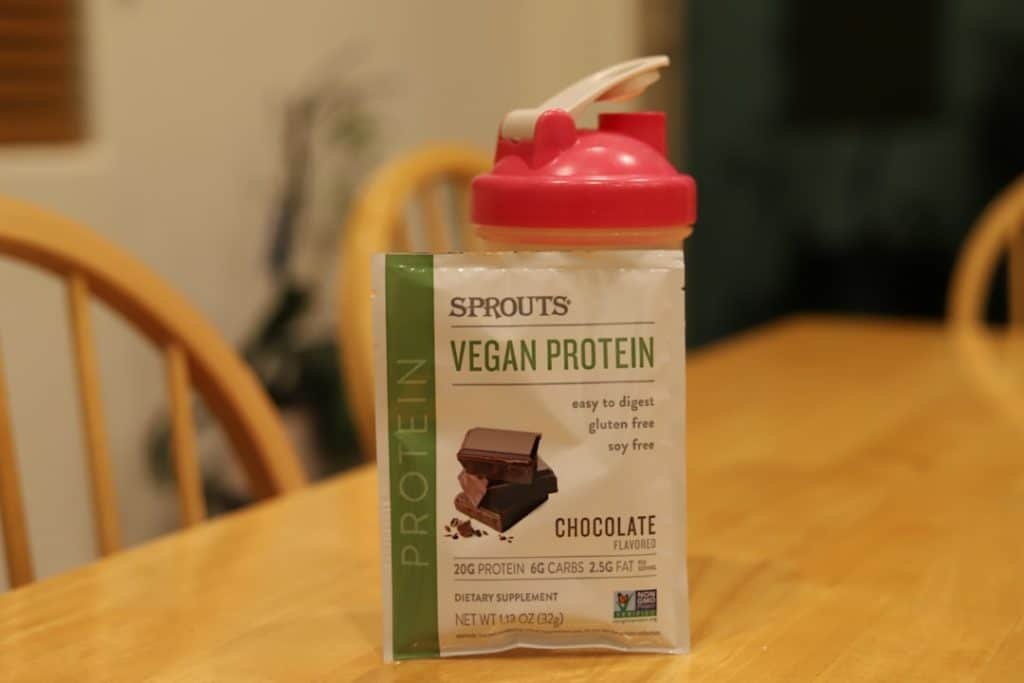
Whey protein is a high-quality protein derived from milk during the cheese-making process. It is a complete protein, meaning it contains all nine essential amino acids necessary for human health. Whey protein is particularly rich in branched-chain amino acids (BCAAs), which are crucial for muscle repair and growth.
In the context of a ketogenic diet, which emphasizes low carbohydrate intake and high fat consumption, whey protein serves as an excellent source of protein without significantly impacting carbohydrate levels. This makes it an ideal supplement for those looking to maintain muscle mass while adhering to the strict macronutrient ratios of a keto diet. Incorporating whey protein into a keto diet can be beneficial for several reasons.
First, it provides a convenient and efficient way to meet daily protein requirements, especially for individuals who may struggle to consume enough protein through whole foods alone. Second, whey protein can help mitigate muscle loss during periods of caloric deficit, which is often a goal for those on a ketogenic diet. By ensuring adequate protein intake, individuals can support their metabolic rate and overall health while still enjoying the benefits of ketosis.
Key Takeaways
- Whey protein is a high-quality protein derived from milk and is low in carbs, making it suitable for a keto diet.
- The benefits of whey protein for keto include supporting muscle growth, aiding in weight loss, and providing a convenient source of protein.
- Whey protein can help with weight loss on a keto diet by promoting satiety, increasing metabolism, and preserving lean muscle mass.
- Whey protein plays a crucial role in muscle building and recovery on keto by providing essential amino acids and promoting muscle protein synthesis.
- When choosing whey protein for keto, look for products with minimal added sugars, carbs, and artificial ingredients.
The Benefits of Whey Protein for Keto
Whey protein offers numerous benefits that align well with the goals of a ketogenic diet. One of the primary advantages is its ability to promote satiety. High-protein diets have been shown to increase feelings of fullness, which can help individuals adhere to their dietary restrictions and reduce overall caloric intake.
This is particularly important on a keto diet, where maintaining a caloric deficit is often necessary for weight loss. The satiating effect of whey protein can help curb cravings for carbohydrates and unhealthy snacks, making it easier to stick to the diet. Additionally, whey protein has been linked to improved metabolic health.
Research indicates that protein consumption can enhance thermogenesis, the process by which the body generates heat and burns calories. This effect can be particularly beneficial for those on a keto diet, as it may help offset some of the metabolic slowdown that can occur during weight loss. Furthermore, whey protein has been shown to support healthy blood sugar levels, which is crucial for individuals following a low-carb diet.
By stabilizing blood sugar, whey protein can help prevent energy crashes and mood swings that may arise from carbohydrate restriction.
How Whey Protein Can Help with Weight Loss on a Keto Diet

Whey protein can play a significant role in weight loss for those adhering to a ketogenic diet. One of the key mechanisms by which it aids in weight loss is through its impact on appetite regulation. Studies have demonstrated that high-protein diets can lead to reduced hunger levels and lower overall food intake.
By incorporating whey protein into meals or snacks, individuals can enhance their satiety and reduce the likelihood of overeating, which is essential for achieving weight loss goals. Moreover, whey protein can help preserve lean muscle mass during weight loss. When individuals lose weight, they often experience a reduction in both fat and muscle mass.
However, adequate protein intake, particularly from high-quality sources like whey, can help mitigate muscle loss. This is especially important on a keto diet, where maintaining muscle mass can support metabolic health and improve body composition. By preserving lean muscle while losing fat, individuals can achieve a more favorable body composition and enhance their overall appearance.
The Role of Whey Protein in Muscle Building and Recovery on Keto
For those engaged in resistance training or high-intensity workouts while following a ketogenic diet, whey protein is an invaluable tool for muscle building and recovery. The rapid absorption rate of whey protein makes it an ideal post-workout supplement, as it provides the body with the necessary amino acids to repair and rebuild muscle tissue after exercise. Consuming whey protein shortly after workouts can enhance recovery times and promote muscle growth, allowing individuals to maintain their training intensity even while in a caloric deficit.
Additionally, the BCAAs found in whey protein play a crucial role in muscle recovery. Leucine, one of the BCAAs present in whey, has been shown to stimulate muscle protein synthesis effectively. This is particularly important for those on a keto diet who may be concerned about losing muscle mass due to reduced carbohydrate intake.
By ensuring adequate intake of whey protein, individuals can support their muscle-building efforts and recover more efficiently from workouts, ultimately leading to better performance and results.
Choosing the Right Whey Protein for Keto
When selecting a whey protein supplement for a ketogenic diet, several factors should be considered to ensure compatibility with dietary goals. First and foremost, it is essential to choose a product that is low in carbohydrates. Many whey protein powders contain added sugars or carbohydrates that can disrupt ketosis; therefore, opting for an isolate or hydrolysate form of whey protein is advisable as these typically contain fewer carbs compared to concentrate forms.
Another important consideration is the quality of the whey protein itself. Look for products that are sourced from grass-fed cows, as these tend to have higher levels of beneficial nutrients such as omega-3 fatty acids and conjugated linoleic acid (CLA). Additionally, checking for third-party testing can provide assurance regarding the purity and quality of the product.
Ingredients should be minimal; ideally, the supplement should contain only whey protein and perhaps flavoring agents without unnecessary fillers or additives.
Incorporating Whey Protein into Keto Meal Plans
Boosting Smoothies and Shakes
One effective strategy is to use whey protein as an ingredient in smoothies or shakes. By blending whey protein with unsweetened almond milk or coconut milk along with low-carb fruits like berries or avocados, individuals can create nutrient-dense beverages that align with their dietary goals while providing essential nutrients.
Enhancing Recipes
Whey protein can also be added to various recipes to boost their protein content without significantly increasing carbohydrate levels. For instance, incorporating whey into baked goods such as keto-friendly muffins or pancakes can enhance their nutritional profile while keeping them compliant with keto guidelines.
Adding Flavor and Nutrition to Savory Dishes
Additionally, using whey protein in savory dishes like soups or sauces can provide an extra layer of flavor and nutrition without compromising the low-carb nature of the meal.
Whey Protein Recipes for Keto
There are numerous delicious recipes that incorporate whey protein while adhering to ketogenic principles. One popular option is a keto-friendly chocolate protein shake made with unsweetened cocoa powder, almond milk, ice cubes, and a scoop of chocolate-flavored whey protein. This shake not only satisfies sweet cravings but also provides a substantial amount of protein without excess carbohydrates.
Another creative recipe involves making keto pancakes using almond flour and whey protein powder. By mixing almond flour with eggs, baking powder, and vanilla-flavored whey protein, individuals can create fluffy pancakes that are low in carbs yet high in protein. Topping these pancakes with sugar-free syrup or fresh berries adds flavor without derailing ketosis.
The Potential Side Effects of Whey Protein on Keto
While whey protein is generally safe for most individuals when consumed in moderation, some may experience side effects that warrant attention. One common issue is digestive discomfort, particularly for those who are lactose intolerant or sensitive to dairy products. Symptoms may include bloating, gas, or diarrhea when consuming whey protein concentrate due to its lactose content.
In such cases, opting for whey protein isolate or hydrolysate may alleviate these symptoms as they contain lower levels of lactose. Another potential concern is overconsumption of protein leading to an imbalance in macronutrient ratios on a ketogenic diet. While adequate protein intake is essential for muscle maintenance and overall health, excessive consumption may inadvertently increase carbohydrate intake if not monitored closely.
It’s crucial for individuals on a keto diet to track their macronutrient ratios carefully to ensure they remain within their desired limits while incorporating whey protein.
How to Avoid Common Mistakes When Using Whey Protein on Keto
To maximize the benefits of whey protein while following a ketogenic diet, individuals should be mindful of common pitfalls that could hinder their progress. One frequent mistake is neglecting to account for the carbohydrates present in certain whey protein products. As mentioned earlier, some brands may contain added sugars or fillers that can disrupt ketosis; therefore, reading labels carefully is essential.
Another common error involves relying too heavily on supplements instead of whole food sources of nutrition. While whey protein can be an excellent addition to a keto diet, it should not replace whole foods entirely. A balanced approach that includes various sources of healthy fats and proteins will provide essential nutrients that supplements alone cannot offer.
Combining Whey Protein with Other Supplements for Optimal Keto Results
For those looking to enhance their ketogenic experience further, combining whey protein with other supplements can yield synergistic benefits. For instance, pairing whey protein with creatine may improve strength and muscle gains during resistance training sessions while on a keto diet. Creatine supplementation has been shown to enhance performance in high-intensity workouts by replenishing ATP stores in muscles.
Additionally, incorporating branched-chain amino acids (BCAAs) alongside whey protein can support muscle recovery and reduce soreness after workouts. This combination may be particularly beneficial for individuals engaging in intense training regimens while adhering to strict macronutrient guidelines on a ketogenic diet.
Frequently Asked Questions About Whey Protein on Keto
Many individuals have questions regarding the use of whey protein within the context of a ketogenic diet. One common inquiry pertains to whether consuming whey protein will kick someone out of ketosis. Generally speaking, if chosen wisely—specifically selecting low-carb options—whey protein should not interfere with ketosis when consumed in moderation.
Another frequently asked question revolves around the timing of whey protein consumption. Many experts recommend consuming whey protein post-workout to optimize recovery; however, it can also be beneficial as part of meals or snacks throughout the day to meet daily protein needs without exceeding carbohydrate limits. In summary, understanding how whey protein fits into a ketogenic lifestyle involves recognizing its benefits for weight loss, muscle building, and overall health while being mindful of potential side effects and common mistakes associated with its use.
FAQs
What is whey protein?
Whey protein is a high-quality protein derived from milk during the cheese-making process. It is a complete protein, meaning it contains all essential amino acids that the body needs.
How is whey protein beneficial for a keto diet?
Whey protein can be beneficial for a keto diet as it provides a convenient source of high-quality protein with minimal carbohydrates. This can help individuals on a keto diet meet their protein needs while keeping their carbohydrate intake low.
Can whey protein help with muscle building and recovery?
Yes, whey protein is known for its ability to support muscle building and recovery. It is quickly absorbed by the body, making it an ideal post-workout protein source to help repair and build muscle tissue.
How can whey protein be incorporated into a keto diet?
Whey protein can be incorporated into a keto diet by mixing it with water or unsweetened almond milk for a low-carb protein shake. It can also be added to keto-friendly recipes such as smoothies, pancakes, or energy balls.
Are there any potential side effects of consuming whey protein on a keto diet?
Some individuals may experience digestive discomfort or allergies to whey protein. It is important to choose a high-quality whey protein and monitor how your body responds to it when incorporating it into a keto diet.