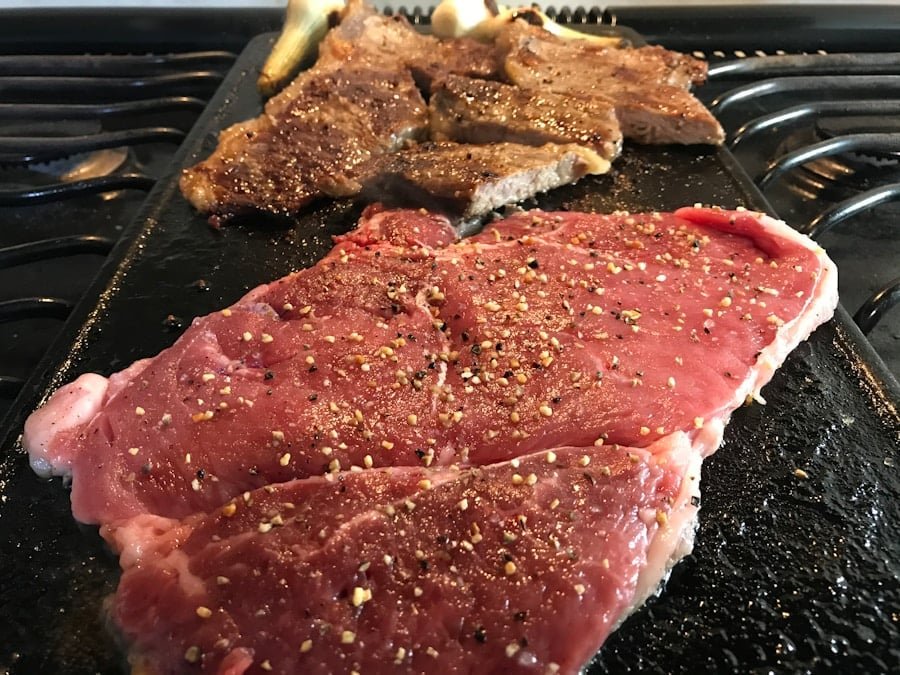
The ketogenic diet, often referred to simply as the keto diet, has gained immense popularity in recent years as a powerful tool for weight loss and improved health. At its core, the keto diet is a low-carbohydrate, high-fat eating plan that encourages your body to enter a state of ketosis. In this metabolic state, your body becomes highly efficient at burning fat for energy instead of relying on carbohydrates.
This shift not only aids in weight loss but can also lead to various health benefits, including improved mental clarity and increased energy levels. As you embark on your keto journey, you may find that the initial transition can be challenging. Your body is accustomed to using glucose from carbohydrates as its primary fuel source, and switching to fat can lead to a range of physical and mental adjustments.
Understanding the intricacies of the keto diet, including its potential side effects and benefits, is crucial for navigating this lifestyle change successfully. One common experience among those on the keto diet is the occurrence of a metallic taste in the mouth, which can be disconcerting. In this article, we will explore this phenomenon in detail, helping you understand its causes and how to manage it effectively.
Key Takeaways
- The Keto diet is a low-carb, high-fat diet that has gained popularity for its potential health benefits and weight loss effects.
- Metallic taste is a common side effect of the Keto diet, often described as a bitter or metallic taste in the mouth.
- Possible causes of metallic taste on Keto include ketosis, dehydration, and changes in taste perception.
- Managing metallic taste on Keto can be done by staying hydrated, using sugar-free gum or mints, and incorporating more flavorful foods into the diet.
- The Keto diet may offer potential health benefits such as weight loss, improved blood sugar control, and increased energy levels.
Understanding Metallic Taste on Keto
Impact on Food and Beverage Enjoyment
This unusual taste can significantly affect the overall enjoyment of food and beverages, making it essential to understand its origins. The metallic taste is often described as a lingering aftertaste that can affect everything from water to favorite keto-friendly meals.
Variations in Experience
For some, it may be a fleeting experience, while for others, it can persist throughout their keto journey. Recognizing that this sensation is a common occurrence among those adapting to a ketogenic lifestyle can provide some comfort.
Addressing the Issue
Understanding why it happens is key to addressing it effectively and ensuring that the keto experience remains positive.
Possible Causes of Metallic Taste on Keto

Several factors contribute to the metallic taste you may experience while on the keto diet. One primary reason is the process of ketosis itself. As your body shifts from burning carbohydrates to utilizing fat for energy, it produces ketones as a byproduct.
These ketones can sometimes lead to changes in taste perception, resulting in that metallic flavor you might notice. This is particularly true during the initial stages of the diet when your body is still adjusting to this new metabolic state. Another potential cause of the metallic taste could be dehydration or electrolyte imbalances.
The keto diet often leads to increased water loss due to reduced carbohydrate intake, which can result in dehydration if you’re not mindful of your fluid consumption. Additionally, the loss of electrolytes such as sodium, potassium, and magnesium can contribute to various symptoms, including changes in taste. Ensuring that you stay well-hydrated and maintain proper electrolyte levels can help mitigate this unpleasant sensation.
How to Manage Metallic Taste on Keto
Managing the metallic taste while on the keto diet involves a combination of dietary adjustments and lifestyle changes. One effective strategy is to focus on hydration. Drinking plenty of water throughout the day not only helps combat dehydration but can also dilute any lingering metallic flavors in your mouth.
You might also consider incorporating herbal teas or flavored water to add variety and make hydration more enjoyable. Another approach is to pay attention to your electrolyte intake. Including foods rich in potassium, magnesium, and sodium can help restore balance and alleviate some of the symptoms associated with the keto diet.
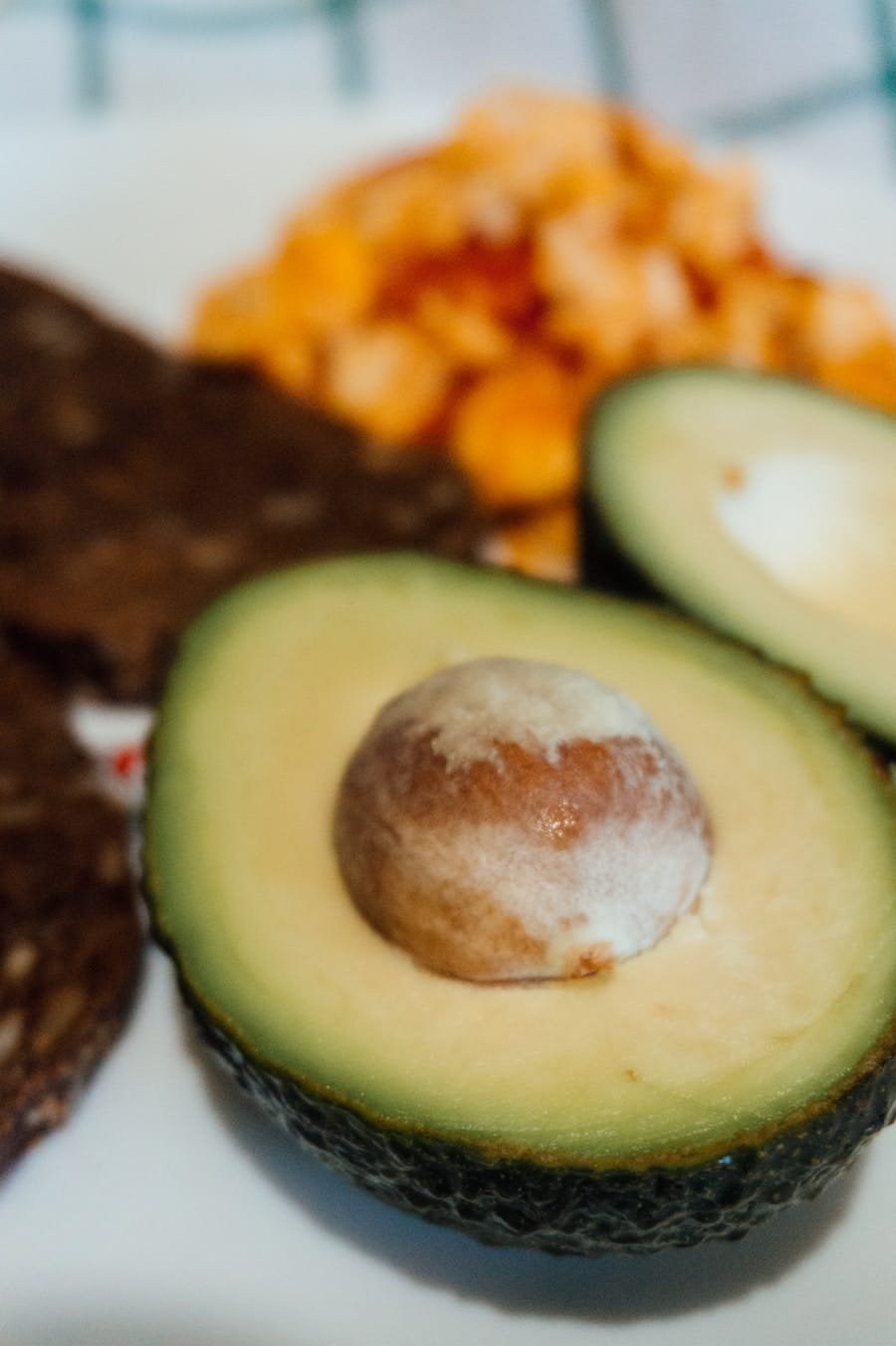
Foods like avocados, leafy greens, nuts, and seeds are excellent sources of these essential nutrients. Additionally, you might explore electrolyte supplements specifically designed for those on a ketogenic diet, which can provide an extra boost when needed.
Potential Health Benefits of the Keto Diet
Beyond its ability to promote weight loss, the keto diet offers a range of potential health benefits that extend beyond mere aesthetics. One significant advantage is its impact on blood sugar levels. By drastically reducing carbohydrate intake, many individuals experience improved insulin sensitivity and more stable blood sugar levels.
This can be particularly beneficial for those with type 2 diabetes or insulin resistance. Moreover, research suggests that the ketogenic diet may have neuroprotective effects. Some studies indicate that ketosis can enhance cognitive function and may even play a role in managing neurological disorders such as epilepsy and Alzheimer’s disease.
The brain thrives on ketones as an alternative energy source, which may contribute to improved mental clarity and focus for those adhering to the diet.
Common Side Effects of the Keto Diet
Understanding the “Keto Flu”
While many people find success with the keto diet, it’s essential to be aware of potential side effects that may arise during your journey. The initial phase of transitioning into ketosis can lead to what is commonly referred to as “keto flu.” Symptoms may include fatigue, headaches, irritability, and digestive issues as your body adapts to its new fuel source. These symptoms are typically temporary and can be managed with proper hydration and electrolyte balance.
Gastrointestinal Discomfort
In addition to keto flu, some individuals may experience gastrointestinal discomfort such as constipation or diarrhea due to changes in dietary fiber intake. It’s crucial to incorporate low-carb vegetables and other sources of fiber into your meals to support digestive health while on the keto diet.
Navigating the Keto Experience
Being mindful of these potential side effects will help you navigate your keto experience more smoothly.
Tips for a Successful Keto Diet Experience
To maximize your success on the keto diet and minimize any discomforts like metallic taste or other side effects, consider implementing a few practical tips into your routine. First and foremost, meal planning is essential. By preparing your meals in advance, you can ensure that you have access to delicious and satisfying keto-friendly options that align with your dietary goals.
Additionally, keeping track of your macronutrient intake can help you stay within your desired ranges for carbohydrates, fats, and proteins. There are numerous apps available that make tracking easy and convenient. This awareness will not only help you maintain ketosis but also allow you to identify any foods that may trigger unwanted side effects.
When to Seek Medical Advice for Metallic Taste on Keto
While experiencing a metallic taste on the keto diet is often harmless and temporary, there are instances when it may warrant medical attention. If the metallic taste persists for an extended period or is accompanied by other concerning symptoms such as nausea, vomiting, or significant changes in appetite or weight, it’s essential to consult with a healthcare professional. Additionally, if you have underlying health conditions or are taking medications that could interact with dietary changes, seeking guidance from a healthcare provider is crucial before embarking on any new eating plan like keto.
They can help ensure that your approach is safe and tailored to your individual needs. In conclusion, while the ketogenic diet offers numerous benefits for weight loss and overall health improvement, it’s essential to be aware of potential side effects such as metallic taste. By understanding its causes and implementing effective management strategies, you can navigate this unique dietary journey with confidence and enjoy all that the keto lifestyle has to offer.
FAQs
What is the keto diet?
The keto diet is a high-fat, low-carbohydrate diet that has been shown to help with weight loss and improve certain health conditions such as epilepsy and diabetes.
Why do some people experience a metallic taste on keto?
Some people may experience a metallic taste on the keto diet due to the production of ketones in the body. Ketones are produced when the body burns fat for fuel, and they can affect the taste and smell of the breath and saliva.
Is a metallic taste on keto harmful?
In most cases, a metallic taste on keto is not harmful and is simply a side effect of the body producing ketones. However, if the metallic taste is accompanied by other symptoms such as nausea or vomiting, it is important to consult a healthcare professional.
How can the metallic taste on keto be managed?
To manage the metallic taste on keto, it is important to stay hydrated and maintain good oral hygiene. Drinking plenty of water and using sugar-free gum or mints can help alleviate the metallic taste. Additionally, consuming foods high in natural fats and protein, such as avocados and nuts, can help balance the production of ketones in the body.