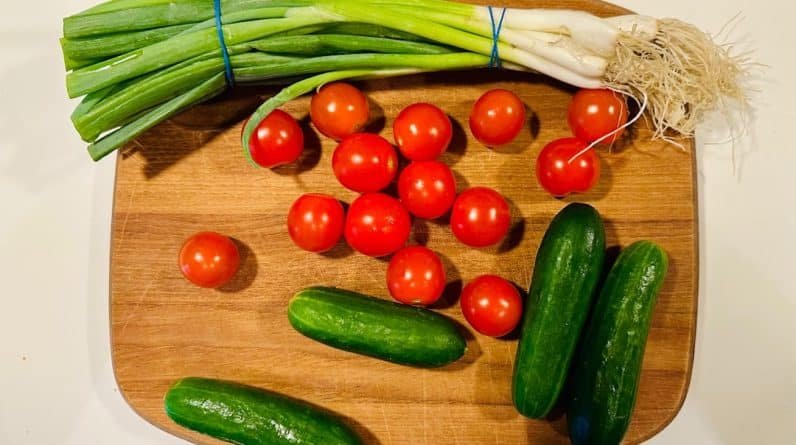
A Keto meal plan is a structured approach to eating that emphasizes high-fat, moderate-protein, and very low-carbohydrate foods. The primary goal of this dietary strategy is to induce a state of ketosis in your body, where it shifts from using glucose as its main energy source to burning fat instead. This metabolic state can lead to weight loss, improved energy levels, and even enhanced mental clarity for many individuals.
By significantly reducing carbohydrate intake and replacing it with healthy fats, you can train your body to become more efficient at burning fat for fuel. When you embark on a Keto meal plan, you will typically aim for a macronutrient ratio of approximately 70-75% fats, 20-25% protein, and only about 5-10% carbohydrates. This means that your meals will consist of foods like avocados, nuts, seeds, fatty fish, and oils, while avoiding bread, pasta, sugary snacks, and most fruits.
The transition into this way of eating can be challenging at first, but many find that the benefits far outweigh the initial difficulties. As you adapt to this new lifestyle, you may discover a newfound appreciation for the flavors and textures of whole foods.
Key Takeaways
- A keto meal plan is a high-fat, low-carb eating plan designed to put the body into a state of ketosis.
- Understanding macros in a keto diet is crucial, with a focus on high fat, moderate protein, and low carb intake.
- Creating a keto meal plan involves calculating and tracking macros, planning meals, and preparing keto-friendly recipes.
- Breakfast ideas for a keto meal plan include options like avocado and eggs, keto pancakes, and chia seed pudding.
- Lunch ideas for a keto meal plan can include salads with high-fat dressings, lettuce wraps, and zucchini noodles with pesto.
Understanding Macros in a Keto Diet
Understanding Macronutrient Balance
Understanding how to balance these macros is crucial for achieving and maintaining ketosis. In a Keto diet, your carbohydrate intake is drastically reduced to about 20-50 grams per day. This low level of carbs forces your body to deplete its glycogen stores and begin utilizing fat as its primary energy source.
The Role of Protein in a Keto Diet
Meanwhile, protein intake should be moderate—too much protein can lead to gluconeogenesis, where excess protein is converted into glucose, potentially kicking you out of ketosis.
Fats as the Primary Energy Source
Fats become your main source of energy, providing the necessary fuel for your body while also keeping you satiated. By carefully tracking your macros, you can ensure that you remain in ketosis and reap the benefits of this dietary approach.
Creating a Keto Meal Plan
Creating a Keto meal plan involves careful consideration of the foods you choose to include in your diet. Start by assessing your daily caloric needs based on your age, gender, activity level, and weight loss goals. Once you have a clear understanding of how many calories you should consume each day, you can break down those calories into the appropriate macronutrient ratios.
This will help you determine how many grams of fats, proteins, and carbohydrates you should aim for. Next, focus on selecting high-quality food sources that align with your macro goals. Incorporate plenty of healthy fats such as olive oil, coconut oil, avocados, and fatty fish like salmon.
For protein sources, consider options like grass-fed beef, free-range chicken, and eggs. When it comes to carbohydrates, prioritize non-starchy vegetables like leafy greens and cruciferous vegetables while avoiding grains and sugars. Planning your meals ahead of time can help you stay on track and make informed choices throughout the week.
Breakfast Ideas for a Keto Meal Plan
Breakfast is often touted as the most important meal of the day, and in a Keto meal plan, it can be both delicious and satisfying. One popular option is an avocado and egg breakfast bowl. Simply mash half an avocado and top it with a poached or fried egg.
You can add some salt, pepper, and even a sprinkle of cheese for extra flavor. This meal is rich in healthy fats and provides a good amount of protein to keep you full until lunchtime. Another great breakfast idea is a Keto smoothie made with unsweetened almond milk, spinach, avocado, and a scoop of protein powder.
This nutrient-dense drink is not only refreshing but also packed with healthy fats and fiber. You can customize it by adding ingredients like chia seeds or nut butter for an extra boost of nutrition. With these breakfast options, you’ll start your day off right while staying within your macro limits.
Lunch Ideas for a Keto Meal Plan
When it comes to lunch on a Keto meal plan, the possibilities are endless. One simple yet satisfying option is a salad topped with grilled chicken or shrimp. Use a base of leafy greens like spinach or kale and add toppings such as avocado slices, olives, cheese, and a drizzle of olive oil or ranch dressing.
This meal is not only low in carbs but also packed with healthy fats and protein to keep you energized throughout the afternoon. Another delicious lunch idea is zucchini noodles tossed with pesto sauce and sautéed vegetables. You can add grilled chicken or meatballs for extra protein.
Zucchini noodles are an excellent low-carb alternative to traditional pasta and can be easily prepared in just a few minutes. With these lunch ideas in your repertoire, you’ll find it easy to stay on track with your Keto meal plan while enjoying flavorful meals.
Dinner Ideas for a Keto Meal Plan
Baked Salmon with Asparagus and Lemon Butter Sauce
One fantastic option is baked salmon with asparagus drizzled in lemon butter sauce. Salmon is rich in omega-3 fatty acids and pairs beautifully with the nutrient-dense asparagus. Simply season the salmon with herbs and bake it in the oven while sautéing the asparagus in butter for a quick yet elegant meal.
Cauliflower Rice Stir-Fry with Protein and Vegetables
Another great dinner idea is cauliflower rice stir-fry with your choice of protein—be it chicken, beef, or tofu—along with colorful vegetables like bell peppers and broccoli. Cauliflower rice serves as an excellent low-carb substitute for traditional rice while still providing texture and flavor to your dish.
Sticking to Your Keto Meal Plan without Sacrificing Taste or Variety
With these dinner options, you’ll find that sticking to your Keto meal plan doesn’t mean sacrificing taste or variety. You can enjoy a wide range of flavors and textures while still maintaining your dietary goals.
Snack Ideas for a Keto Meal Plan
Snacking on a Keto meal plan can be both enjoyable and nutritious if you choose wisely. One popular snack option is cheese crisps made by baking shredded cheese until crispy. These crunchy bites are perfect for satisfying cravings without derailing your macro goals.
Pair them with guacamole or salsa for added flavor. Another great snack idea is celery sticks filled with cream cheese or almond butter. This combination provides healthy fats along with fiber from the celery, making it a filling option between meals.
You can also consider nuts like almonds or walnuts as convenient snacks; just be mindful of portion sizes since they are calorie-dense. With these snack ideas at hand, you’ll have plenty of options to keep hunger at bay while adhering to your Keto meal plan.
Tips for Tracking Macros in a Keto Meal Plan
Tracking macros is an essential part of successfully following a Keto meal plan. One effective way to do this is by using mobile apps designed for tracking food intake. These apps allow you to log your meals easily and provide insights into your macro breakdown throughout the day.
By consistently tracking what you eat, you can ensure that you’re staying within your desired macronutrient ratios. Another helpful tip is to familiarize yourself with food labels and serving sizes. Understanding how many grams of carbs, fats, and proteins are in various foods will empower you to make informed choices when grocery shopping or dining out.
Additionally, consider meal prepping at the beginning of each week; this not only saves time but also allows you to portion out meals according to your macro goals ahead of time.
How to Adjust a Keto Meal Plan for Weight Loss or Maintenance
Adjusting your Keto meal plan for weight loss or maintenance requires careful consideration of your caloric intake and activity level. If you’re looking to lose weight, you may need to create a caloric deficit by reducing portion sizes or eliminating certain high-calorie foods from your diet while still adhering to your macro ratios. On the other hand, if you’re aiming for maintenance after reaching your weight loss goals, you might gradually increase your caloric intake while ensuring that your macros remain balanced.
It’s also important to listen to your body during this process. Pay attention to how different foods affect your energy levels and satiety; this will help you make informed adjustments as needed. Regularly reassessing your goals and progress will allow you to fine-tune your meal plan effectively over time.
Sample Keto Meal Plan with Macro Breakdown
To give you an idea of what a day on a Keto meal plan might look like, here’s a sample menu along with its macro breakdown: **Breakfast:** Scrambled eggs cooked in butter with spinach (2 eggs)
**Macros:** 20g fat | 12g protein | 2g carbs **Lunch:** Grilled chicken salad with olive oil dressing
**Macros:** 30g fat | 35g protein | 5g carbs **Dinner:** Baked salmon with cauliflower rice
**Macros:** 25g fat | 30g protein | 6g carbs **Snacks:** Cheese crisps (1 oz)
**Macros:** 10g fat | 7g protein | 1g carbs **Total Daily Macros:** 95g fat | 84g protein | 14g carbs This sample meal plan provides an excellent balance of macronutrients while keeping carbohydrates low enough to maintain ketosis.
Conclusion and Additional Resources for Keto Meal Planning
In conclusion, following a Keto meal plan can be an effective way to achieve weight loss goals while enjoying delicious foods that nourish your body. By understanding macros and carefully planning meals around high-fat and low-carb options, you can create satisfying dishes that keep you on track. Remember that consistency is key; tracking your macros diligently will help ensure that you remain in ketosis.
For additional resources on Keto meal planning, consider exploring cookbooks dedicated to this dietary approach or joining online communities where members share recipes and tips. Websites and apps focused on nutrition tracking can also provide valuable insights into managing your macros effectively. With the right tools and knowledge at your disposal, you’ll be well-equipped to thrive on your Keto journey!
FAQs
What is a keto meal plan?
A keto meal plan is a high-fat, low-carbohydrate eating plan designed to help the body enter a state of ketosis, where it burns fat for fuel instead of carbohydrates.
What are macros and why are they important in a keto meal plan?
Macros, short for macronutrients, refer to the three main components of food: carbohydrates, protein, and fat. In a keto meal plan, tracking macros is important to ensure that the body is getting the right balance of nutrients to stay in ketosis.
How is a keto meal plan different from other meal plans?
A keto meal plan differs from other meal plans in that it focuses on high-fat, low-carbohydrate foods to encourage the body to burn fat for fuel instead of relying on carbohydrates for energy.
What are some common foods included in a keto meal plan?
Common foods included in a keto meal plan are avocados, nuts and seeds, fatty fish, low-carb vegetables, cheese, and healthy oils such as olive oil and coconut oil.
How can I calculate the macros for a keto meal plan?
To calculate the macros for a keto meal plan, you can use an online macro calculator or consult with a nutritionist to determine the appropriate ratio of fats, proteins, and carbohydrates for your individual needs.
Are there any potential risks or side effects of following a keto meal plan?
Some potential risks or side effects of following a keto meal plan include nutrient deficiencies, constipation, and the “keto flu” which can cause symptoms such as fatigue, dizziness, and irritability as the body adjusts to using fat for fuel. It’s important to consult with a healthcare professional before starting any new meal plan.