
The ketogenic diet, often referred to simply as the keto diet, is a high-fat, low-carbohydrate dietary regimen that has gained significant popularity in recent years. The primary goal of this diet is to induce a state of ketosis in the body, where fat becomes the primary source of energy instead of carbohydrates. This metabolic state occurs when carbohydrate intake is drastically reduced, typically to about 5-10% of total daily caloric intake, while fat consumption is increased to around 70-80%.
Protein intake usually comprises the remaining 15-25%. By limiting carbohydrates, the body is forced to break down fats into ketones, which can be used as an alternative fuel source. The origins of the ketogenic diet can be traced back to the early 20th century when it was developed as a treatment for epilepsy, particularly in children who did not respond to conventional medications.
Over time, its application has expanded beyond epilepsy management to weight loss, improved mental clarity, and enhanced athletic performance. The diet emphasizes whole foods and nutrient-dense options while avoiding processed foods high in sugars and refined carbohydrates. This shift in macronutrient ratios can lead to various physiological changes, including improved insulin sensitivity and reduced inflammation.
Key Takeaways
- The ketogenic diet is a high-fat, low-carbohydrate diet that has been shown to help with weight loss, blood sugar control, and improved energy levels.
- Benefits of a ketogenic diet include improved weight loss, better blood sugar control, increased energy levels, and reduced inflammation in the body.
- Understanding ketogenic protein sources is important for maintaining a balanced and healthy diet while on a ketogenic diet.
- Animal-based ketogenic protein sources include meat, poultry, and fish, which are high in protein and healthy fats.
- Plant-based ketogenic protein sources include tofu, tempeh, and certain nuts and seeds, which are high in protein and low in carbohydrates.
Benefits of a Ketogenic Diet
The ketogenic diet offers a multitude of benefits that extend beyond mere weight loss. One of the most notable advantages is its potential for weight management. By promoting fat oxidation and reducing hunger hormones, individuals often find it easier to maintain a caloric deficit without experiencing the typical cravings associated with low-calorie diets.
This can lead to significant fat loss while preserving lean muscle mass, making it an appealing option for those looking to reshape their bodies. In addition to weight loss, the ketogenic diet has been linked to improved cognitive function. Many adherents report enhanced mental clarity and focus, which may be attributed to the brain’s ability to utilize ketones as a more efficient energy source than glucose.
This shift can lead to stabilized energy levels throughout the day, reducing the mid-afternoon slump that many experience on high-carbohydrate diets. Furthermore, emerging research suggests that the ketogenic diet may have neuroprotective effects, potentially benefiting individuals with neurodegenerative diseases such as Alzheimer’s and Parkinson’s.
Understanding Ketogenic Protein Sources

Protein plays a crucial role in any diet, including the ketogenic approach. While the primary focus of the keto diet is on fats, adequate protein intake is essential for maintaining muscle mass, supporting metabolic functions, and promoting overall health. However, not all protein sources are created equal within the context of a ketogenic diet.
It is vital to choose protein sources that align with the macronutrient ratios required for ketosis. When selecting protein sources for a ketogenic diet, it is important to consider both the quality and quantity of protein consumed. High-quality protein sources provide essential amino acids necessary for various bodily functions, including tissue repair and hormone production.
Additionally, some protein sources may contain hidden carbohydrates that could disrupt ketosis if consumed in excess. Therefore, understanding which proteins fit best within the ketogenic framework is essential for achieving dietary goals.
Animal-Based Ketogenic Protein Sources
Animal-based protein sources are often favored in ketogenic diets due to their high protein content and low carbohydrate levels. Meats such as beef, pork, chicken, and turkey are excellent choices for those following a keto lifestyle. These proteins not only provide essential amino acids but also come with healthy fats that contribute to overall caloric intake.
For instance, fatty cuts of beef like ribeye or pork belly are particularly beneficial as they offer both protein and fat in one package. Fish and seafood are also outstanding animal-based protein options for those on a ketogenic diet. Fatty fish such as salmon, mackerel, and sardines are rich in omega-3 fatty acids, which have been shown to support heart health and reduce inflammation.
Shellfish like shrimp and crab provide lean protein with minimal carbohydrates, making them ideal for maintaining ketosis. Eggs are another versatile animal-based protein source; they are nutrient-dense and can be prepared in various ways while fitting seamlessly into a ketogenic meal plan.
Plant-Based Ketogenic Protein Sources
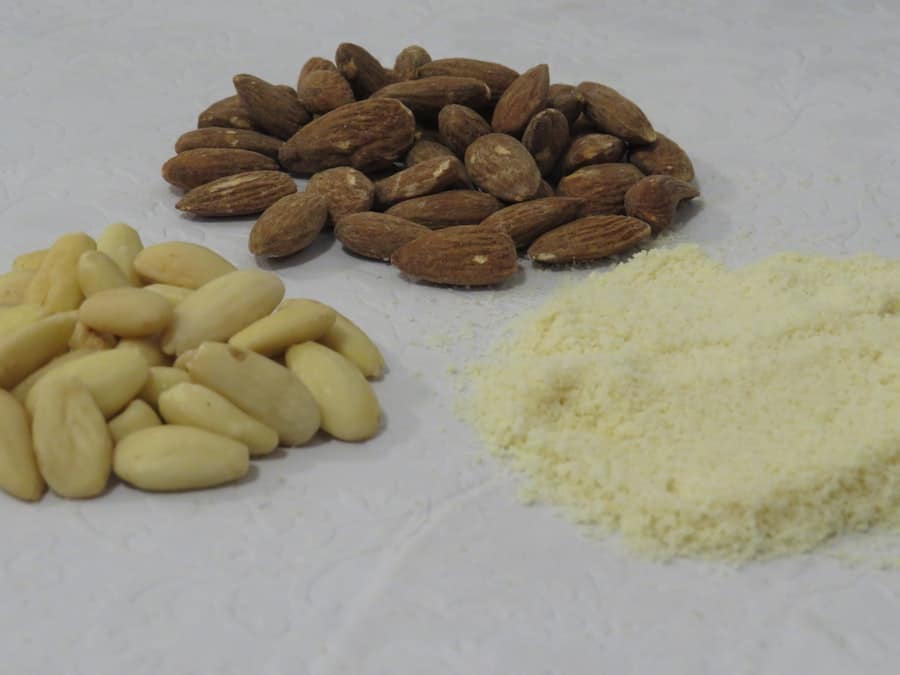
While animal-based proteins dominate many ketogenic meal plans, plant-based protein sources can also play a significant role in achieving dietary goals. However, it is essential to choose plant proteins that are low in carbohydrates and high in healthy fats. Nuts and seeds are excellent examples; almonds, walnuts, chia seeds, and flaxseeds provide not only protein but also beneficial fats and fiber that can aid digestion.
Legumes are generally higher in carbohydrates and may not fit well within strict ketogenic guidelines; however, certain options like edamame or green peas can be included in moderation due to their relatively lower carb content compared to other legumes. Additionally, some plant-based protein powders derived from hemp or pea protein can be incorporated into smoothies or baked goods for an extra protein boost without significantly impacting carbohydrate intake.
Dairy-Based Ketogenic Protein Sources
Full-Fat Dairy Options
Full-fat dairy options such as cheese, yogurt, and cream are particularly beneficial due to their high-fat content combined with protein. Cheeses like cheddar, mozzarella, and cream cheese are low in carbohydrates while offering substantial amounts of protein and fat.
Greek Yogurt: A Popular Choice
Greek yogurt is another popular choice among those following a ketogenic diet; it is thicker than regular yogurt and contains more protein per serving. However, it is crucial to select unsweetened varieties to avoid added sugars that could disrupt ketosis.
Heavy Cream: A Rich Source of Fat
Heavy cream can also be used in cooking or added to coffee for a rich source of fat while providing some protein content.
Choosing the Right Ketogenic Protein Sources for Your Diet
Selecting the right protein sources for a ketogenic diet involves considering both personal preferences and nutritional needs. Individuals should aim for a variety of protein sources to ensure they receive a broad spectrum of amino acids and nutrients. It is also essential to consider dietary restrictions or allergies when choosing proteins; for example, those who are lactose intolerant may need to focus on dairy alternatives or plant-based proteins.
Another factor to consider is the quality of the protein sources chosen. Grass-fed meats and wild-caught fish are often recommended over conventionally raised options due to their higher nutrient profiles and better fatty acid compositions. Additionally, sourcing organic or non-GMO plant proteins can help ensure that individuals are consuming foods free from harmful pesticides or additives.
How to Incorporate Ketogenic Protein Sources into Your Meals
Incorporating ketogenic protein sources into meals can be both enjoyable and straightforward with some planning. Breakfast options might include scrambled eggs cooked in butter or coconut oil paired with avocado slices for added healthy fats. For lunch, a salad topped with grilled chicken or salmon drizzled with olive oil can provide a satisfying meal rich in both protein and healthy fats.
Dinner can feature a variety of options such as roasted pork belly served with sautéed greens or a stir-fry made with shrimp and low-carb vegetables like bell peppers and broccoli. Snacks can also be easily integrated into a ketogenic lifestyle; options like cheese sticks, hard-boiled eggs, or a handful of nuts can keep hunger at bay while adhering to dietary guidelines.
Ketogenic Protein Supplements
For those who find it challenging to meet their protein needs through whole foods alone, ketogenic protein supplements can be an effective solution. These supplements come in various forms, including powders made from whey, casein, or plant-based proteins like pea or hemp. They can be easily added to smoothies or baked goods for an extra boost of protein without significantly increasing carbohydrate intake.
When selecting a protein supplement for a ketogenic diet, it is crucial to read labels carefully to avoid products with added sugars or high carbohydrate content. Many brands now offer keto-friendly options specifically designed for those following low-carb diets. Additionally, some individuals may benefit from branched-chain amino acid (BCAA) supplements to support muscle recovery during workouts while adhering to their dietary restrictions.
Recipes for Ketogenic Protein-Rich Meals
Creating delicious meals that align with ketogenic principles can be both fun and rewarding. One popular recipe is zucchini noodles topped with creamy Alfredo sauce made from heavy cream and parmesan cheese, served alongside grilled chicken breast for added protein. Another option could be a hearty beef stir-fry featuring strips of flank steak cooked with low-carb vegetables like bell peppers and broccoli in sesame oil.
For breakfast enthusiasts, an omelet filled with spinach, mushrooms, and feta cheese provides a nutrient-dense start to the day while keeping carbohydrate levels low. A satisfying snack could include homemade energy balls made from almond flour, unsweetened cocoa powder, and nut butter rolled into bite-sized pieces—perfect for on-the-go nourishment without compromising dietary goals.
Tips for Success on a Ketogenic Diet
Success on a ketogenic diet often hinges on careful planning and preparation. One effective strategy is meal prepping; by preparing meals in advance, individuals can ensure they have keto-friendly options readily available throughout the week. This practice helps prevent impulsive eating choices that may lead to higher carbohydrate consumption.
Staying hydrated is another critical aspect of maintaining success on a ketogenic diet. As the body adapts to ketosis, it tends to excrete more water and electrolytes; therefore, drinking plenty of water and replenishing electrolytes through foods like avocados or supplements can help mitigate symptoms associated with the “keto flu.” Additionally, tracking macronutrient intake using apps or food diaries can provide valuable insights into dietary habits and help individuals stay on track with their goals. By understanding the principles behind the ketogenic diet and incorporating appropriate protein sources into meals effectively, individuals can enjoy the benefits of this dietary approach while maintaining their health and well-being.
FAQs
What are ketogenic protein sources?
Ketogenic protein sources are foods that are high in protein and low in carbohydrates, making them suitable for a ketogenic diet. These sources include meat, poultry, fish, eggs, and certain dairy products.
Why are ketogenic protein sources important for a ketogenic diet?
Ketogenic protein sources are important for a ketogenic diet because they provide the necessary protein while keeping carbohydrate intake low. This helps the body stay in a state of ketosis, where it burns fat for fuel instead of carbohydrates.
What are some examples of ketogenic protein sources?
Examples of ketogenic protein sources include beef, chicken, turkey, salmon, tuna, eggs, Greek yogurt, and certain cheeses. These foods are low in carbohydrates and high in protein, making them ideal for a ketogenic diet.
Can plant-based foods be ketogenic protein sources?
Yes, certain plant-based foods can be ketogenic protein sources, such as tofu, tempeh, seitan, and certain legumes like edamame and lentils. These foods are lower in carbohydrates and higher in protein compared to other plant-based options.
How can I incorporate ketogenic protein sources into my diet?
You can incorporate ketogenic protein sources into your diet by including them in meals and snacks. For example, you can have grilled chicken with a side of vegetables for dinner, or Greek yogurt with nuts for a snack. It’s important to pay attention to portion sizes and overall macronutrient intake to maintain ketosis.





