
To embark on a journey toward better health, you may have come across two popular dietary strategies: the ketogenic diet and intermittent fasting. The keto diet is characterized by a high-fat, low-carbohydrate intake, which aims to shift your body into a state of ketosis. In this metabolic state, your body becomes efficient at burning fat for energy instead of relying on carbohydrates.
This shift can lead to weight loss, improved mental clarity, and increased energy levels. As you delve into the keto diet, you will find that it encourages the consumption of healthy fats, moderate protein, and minimal carbohydrates, which can be a refreshing change from traditional eating patterns. Intermittent fasting, on the other hand, is not about what you eat but rather when you eat.
This approach involves cycling between periods of eating and fasting, allowing your body to enter a state of repair and fat burning during the fasting window. There are various methods of intermittent fasting, such as the 16/8 method, where you fast for 16 hours and eat during an 8-hour window. By combining these two strategies, you can potentially amplify the benefits of each, leading to enhanced weight loss and improved metabolic health.
Understanding how these two approaches work together can set the foundation for your journey toward a healthier lifestyle.
Key Takeaways
- The keto diet involves consuming high-fat, low-carb meals to induce ketosis, while intermittent fasting involves cycling between periods of eating and fasting.
- Combining keto meals with intermittent fasting can lead to improved weight loss, better blood sugar control, and increased mental clarity.
- Planning keto meals for intermittent fasting involves scheduling eating windows and ensuring that meals are high in healthy fats and low in carbohydrates.
- Best foods to include in keto meals for intermittent fasting include avocados, nuts, seeds, fatty fish, and low-carb vegetables.
- Sample keto meal plans for intermittent fasting may include a bulletproof coffee for breakfast, a salad with grilled chicken for lunch, and a salmon fillet with steamed broccoli for dinner.
Benefits of Combining Keto Meals with Intermittent Fasting
When you combine keto meals with intermittent fasting, you may experience a range of benefits that can enhance your overall well-being. One significant advantage is the potential for accelerated weight loss. By limiting your eating window and consuming low-carb, high-fat meals, your body is more likely to enter ketosis quickly.
This state not only promotes fat burning but also helps regulate insulin levels, which can further support weight loss efforts. You might find that the combination allows you to shed pounds more effectively than either method alone. Additionally, this pairing can lead to improved mental clarity and focus.
Many individuals report heightened cognitive function when in ketosis, as the brain utilizes ketones—produced from fat—as a primary energy source. When you incorporate intermittent fasting into this equation, you may experience even greater mental clarity during fasting periods. The absence of food allows your body to divert energy away from digestion and toward cognitive processes.
As a result, you may find yourself feeling sharper and more productive throughout the day.
Planning Keto Meals for Intermittent Fasting

Planning your keto meals for intermittent fasting requires a thoughtful approach to ensure that you are meeting your nutritional needs while adhering to both dietary strategies. Start by determining your eating window based on the intermittent fasting method you choose. For instance, if you opt for the 16/8 method, you will have an 8-hour window to consume your meals.
During this time, focus on incorporating nutrient-dense foods that align with the principles of the keto diet. When planning your meals, consider creating a weekly menu that includes a variety of proteins, healthy fats, and low-carb vegetables. This not only keeps your meals interesting but also ensures that you receive a broad spectrum of nutrients.
You might want to include options like grilled chicken with avocado salad or zucchini noodles with pesto sauce. By preparing meals in advance, you can save time and reduce the temptation to stray from your dietary goals during your eating window.
Best Foods to Include in Keto Meals for Intermittent Fasting
As you embark on this combined dietary journey, it’s essential to know which foods will best support your keto meals during intermittent fasting. Healthy fats should be at the forefront of your meal planning. Foods like avocados, olive oil, coconut oil, and nuts are excellent sources of fat that can help keep you satiated while providing essential nutrients.
Incorporating these foods into your meals can help ensure that you feel full and satisfied during your eating window. In addition to healthy fats, prioritize high-quality protein sources such as grass-fed beef, free-range chicken, and fatty fish like salmon. These proteins not only support muscle maintenance but also contribute to feelings of fullness.
Low-carb vegetables like spinach, kale, broccoli, and cauliflower should also be staples in your meal plan. These vegetables are rich in fiber and essential vitamins while keeping carbohydrate intake low. By focusing on these food groups, you can create delicious and satisfying meals that align with both the keto diet and intermittent fasting principles.
Sample Keto Meal Plans for Intermittent Fasting
Creating sample meal plans can be an effective way to visualize how to combine keto meals with intermittent fasting successfully. For instance, if you’re following the 16/8 method with an eating window from noon to 8 PM, consider starting with a hearty lunch of grilled chicken thighs served with a side of sautéed spinach cooked in olive oil. This meal is rich in healthy fats and protein while keeping carbs minimal.
For dinner, you might enjoy a baked salmon fillet accompanied by roasted Brussels sprouts drizzled with balsamic vinegar. To satisfy any cravings for something sweet after dinner, consider a small serving of unsweetened Greek yogurt topped with a few berries or a sprinkle of cinnamon. This meal plan not only adheres to keto guidelines but also provides balanced nutrition within your eating window.
Tips for Success with Keto Meals and Intermittent Fasting
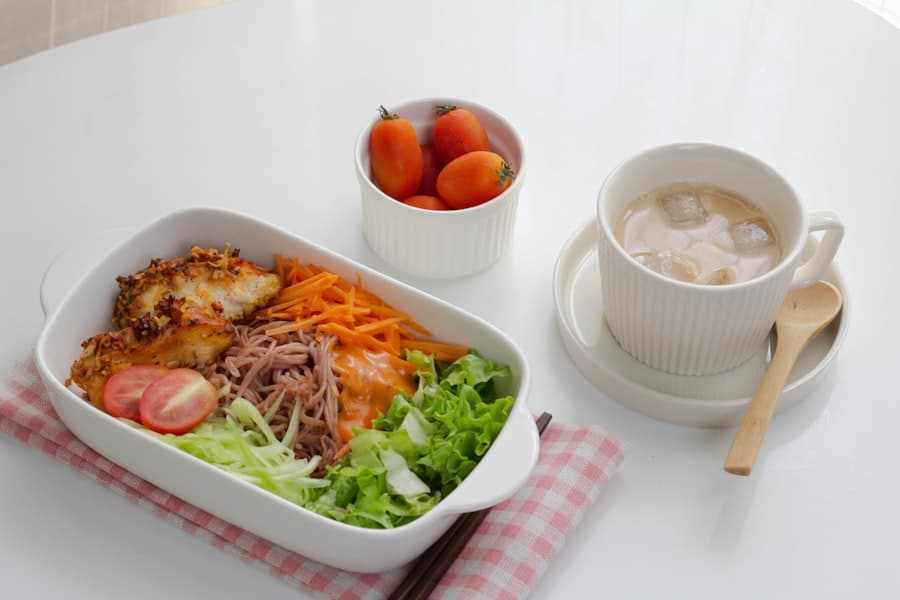
To maximize your success with keto meals and intermittent fasting, consider implementing several practical tips that can help streamline your experience. First and foremost, stay hydrated throughout the day. Drinking plenty of water can help curb hunger pangs during fasting periods and keep your energy levels stable.
You might also want to incorporate herbal teas or black coffee during fasting hours to add variety without breaking your fast. Another crucial tip is to listen to your body’s hunger cues. While intermittent fasting encourages structured eating times, it’s essential to recognize when you’re genuinely hungry versus when you’re simply bored or stressed.
If you find yourself feeling excessively hungry during fasting periods, consider adjusting your eating window or meal composition to better suit your needs. Remember that flexibility is key; finding what works best for you will ultimately lead to greater success.
How to Stay Satisfied and Energized with Keto Meals during Intermittent Fasting
Maintaining satisfaction and energy levels while following keto meals during intermittent fasting can be challenging but entirely achievable with the right strategies in place. One effective approach is to focus on incorporating nutrient-dense foods that provide sustained energy throughout the day. For example, including high-fiber foods like chia seeds or flaxseeds in your meals can help keep you feeling full longer while providing essential omega-3 fatty acids.
Additionally, consider experimenting with meal timing within your eating window. Some individuals find that consuming larger meals earlier in their eating window helps them feel more satisfied throughout the day. Others may prefer smaller meals spread out over their eating period.
By paying attention to how different meal sizes affect your energy levels and satiety, you can tailor your approach for optimal results.
Common Mistakes to Avoid when Doing Keto Meals and Intermittent Fasting
As you navigate the world of keto meals and intermittent fasting, it’s important to be aware of common pitfalls that could hinder your progress. One frequent mistake is not consuming enough calories or nutrients during your eating window. While it’s tempting to restrict calories for weight loss purposes, doing so can lead to fatigue and nutrient deficiencies over time.
Ensure that you’re eating enough healthy fats and proteins to support your energy needs. Another common error is neglecting meal preparation. Without proper planning, it’s easy to resort to convenience foods that may not align with your dietary goals.
Take time each week to prepare meals in advance so that you have healthy options readily available during your eating window. This proactive approach can help prevent impulsive decisions that could derail your progress.
Adjusting Keto Meals for Intermittent Fasting for Different Lifestyles and Goals
Your lifestyle and personal goals will play a significant role in how you adjust keto meals for intermittent fasting. If you’re an active individual or an athlete, you may need to modify your meal composition or timing to support higher energy demands. In such cases, consider incorporating more protein-rich foods or adjusting your eating window to accommodate post-workout nutrition.
Conversely, if you’re primarily focused on weight loss or managing specific health conditions, you might prioritize lower-calorie options within your meal plan while still adhering to keto principles. Tailoring your approach based on individual needs will not only enhance adherence but also promote better overall results.
Incorporating Exercise into Keto Meals and Intermittent Fasting
Integrating exercise into your routine while following keto meals and intermittent fasting can further amplify the benefits of both dietary strategies. Engaging in regular physical activity can enhance fat burning and improve overall fitness levels while supporting muscle maintenance during weight loss efforts. Consider incorporating strength training exercises alongside cardiovascular workouts for a well-rounded fitness regimen.
Timing your workouts around your eating window can also be beneficial. Many individuals find that exercising just before breaking their fast allows them to refuel effectively afterward with nutrient-dense meals that support recovery and muscle growth. Experimenting with different workout times will help you discover what feels best for your body while optimizing results.
Consulting with a Healthcare Professional before Starting Keto Meals and Intermittent Fasting
Before embarking on any new dietary regimen—especially one as specific as combining keto meals with intermittent fasting—it’s wise to consult with a healthcare professional or registered dietitian. They can provide personalized guidance based on your unique health status, lifestyle factors, and nutritional needs. This step is particularly important if you have underlying health conditions or are taking medications that could be affected by dietary changes.
A healthcare professional can also help you set realistic goals and monitor progress as you navigate this new approach to eating. With their support, you’ll be better equipped to make informed decisions that align with both your health objectives and personal preferences as you embark on this transformative journey toward improved well-being.
FAQs
What is intermittent fasting?
Intermittent fasting is an eating pattern that cycles between periods of fasting and eating. It doesn’t specify which foods you should eat but rather when you should eat them.
What is the keto diet?
The keto diet is a high-fat, low-carbohydrate diet that has been shown to help with weight loss and improve certain health conditions.
How can keto meals be incorporated into intermittent fasting?
Keto meals can be incorporated into intermittent fasting by consuming high-fat, low-carb meals during the eating window. This can help maintain ketosis and provide sustained energy during the fasting period.
What are some examples of keto meals for intermittent fasting?
Examples of keto meals for intermittent fasting include avocado and bacon omelet, grilled salmon with asparagus, and spinach and feta stuffed chicken breast.
What are the benefits of combining keto meals with intermittent fasting?
Combining keto meals with intermittent fasting can help improve fat burning, regulate blood sugar levels, and promote weight loss. It can also help increase mental clarity and focus.





