Have you ever wondered what you should really be eating to kickstart your keto journey? The Keto Diet, well-known for its low-carb and high-fat approach, offers a unique way to change how your body processes energy. In this guide, you’ll find everything you need to stock your kitchen with the essentials for a successful start on your Keto Diet.
Understanding the Keto Diet
Before diving into the food list, it’s beneficial to understand what the Keto Diet is all about. Essentially, the ketogenic diet is designed to shift your body’s metabolism from relying on carbohydrates to using fat as its primary fuel source. By drastically reducing your intake of carbs and increasing fats, you initiate a state called ketosis, where your body burns fat for energy.
The Importance of Macros
To get the most out of your keto diet, you need to pay attention to your macronutrient ratios. Generally, a standard keto diet consists of about 70-75% fats, 20-25% protein, and only about 5-10% carbohydrates. Keeping this balance helps you achieve and maintain ketosis more effectively.

Essential Foods to Include in Your Keto Diet
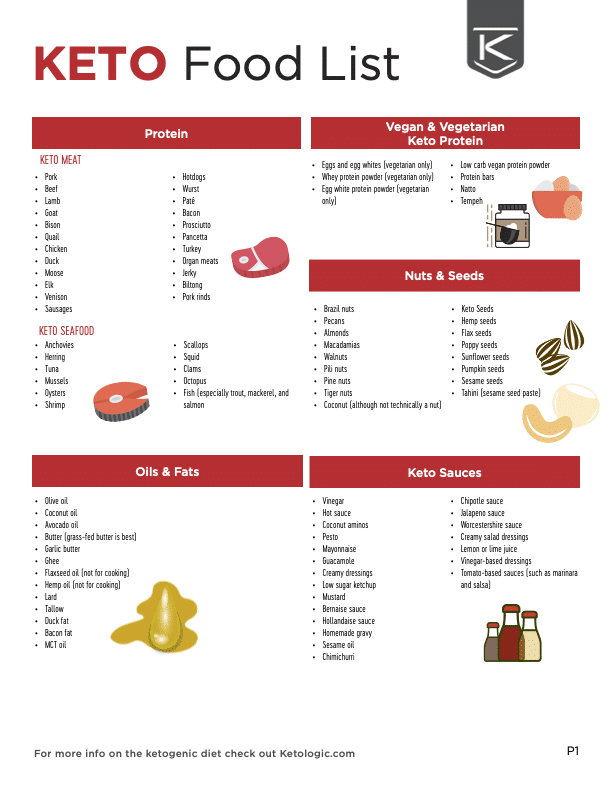
The key to a successful keto journey is having the right foods at your fingertips. This section will break down various food categories and list the essentials you should have on hand.
Healthy Fats
When you think about keto, healthy fats should be at the forefront of your mind. Fats will not only keep you fuller longer, but they also provide the energy your body craves in ketosis.
- Avocado: Rich in monounsaturated fats and fiber, avocados are versatile and can be added to salads, smoothies, or just eaten plain.
- Olive Oil: An excellent source of healthy fats, olive oil is perfect for dressings or sautéing vegetables.
- Coconut Oil: This oil can withstand higher cooking temperatures and offers medium-chain triglycerides (MCTs) that are easily converted into ketones.
- Butter and Ghee: Both are fantastic options for cooking and add a rich flavor to your meals.
- Nuts and Seeds: Almonds, walnuts, chia seeds, and flaxseeds provide healthy fats, fiber, and some protein.
Proteins
While maintaining low carb levels, it’s essential to consume adequate protein. The following are keto-friendly protein sources.
- Meat: Beef, pork, lamb, and poultry are top choices. Opt for grass-fed options whenever possible.
- Fish: Salmon, sardines, and mackerel are rich in omega-3 fatty acids and offer various health benefits.
- Eggs: A keto staple, eggs are high in protein and fats and can be cooked in numerous ways.
- Dairy: Full-fat cheeses, Greek yogurt, and heavy cream are excellent sources of protein and calcium.
Low-Carb Vegetables
Pile your plate high with low-carb vegetables! They’re packed with nutrients and fiber, proving that healthy eating can be colorful and satisfying.
- Leafy Greens: Spinach, kale, and swiss chard are low in carbs and can be used in salads, smoothies, or dishes.
- Cruciferous Vegetables: Broccoli, cauliflower, and Brussels sprouts are great options for roasting or steaming.
- Bell Peppers: Packed with antioxidants, they add flavor and color to your meals.
- Zucchini: A popular low-carb substitute for pasta, zucchini can be spiralized into noodles or roasted.
Berries
While many fruits are too high in sugar, berries can be an exception when enjoyed in moderation. They are packed with antioxidants and vitamins.
- Strawberries: They have a low glycemic index and are a delightful addition to smoothies or salads.
- Blackberries and Raspberries: Both are low in carbs and can be eaten as snacks or incorporated into dessert recipes.
Condiments and Seasonings
Never underestimate the power of delicious condiments and spices to elevate your meals! Here are some low-carb options that bring life to your keto dishes.
- Mustard: Most varieties are low in carbs and can be a zesty addition to meats.
- Mayonnaise: Opt for sugar-free varieties or make your own for a creamy dip or salad dressing.
- Herbs and Spices: Fresh herbs like basil, oregano, and cilantro, as well as spices such as garlic powder and paprika, add flavor without the carbs.
Snacks
Sometimes, you’ll need a little something between meals. Focusing on keto-friendly snacks will keep you on track without derailing your diet.
- Cheese: Cheese sticks or sliced cheese make easy, satisfying snacks.
- Olives: They provide healthy fats and are a savory bite.
- Jerky: Just make sure to choose varieties without added sugars.
Beverages
Hydration is essential on any diet, but especially on keto, as your body may lose more water initially. Here are some beverage options to consider.
- Water: The best choice for hydration! Add lemon or cucumber for flavor.
- Coffee: Black or with heavy cream, coffee is a keto-friendly way to kickstart your day.
- Tea: Herbal or green teas can be refreshing and start your metabolism.
- Bone Broth: Packed with nutrients, it can also help with electrolytes.

What to Avoid on the Keto Diet
Knowing what not to eat is just as crucial to your success. Here’s a list of common foods to steer clear of while on a keto diet.
High-Carb Foods
- Grains: Bread, rice, pasta, and cereals are all high in carbs and should be avoided.
- Sugary Foods: Sodas, candy, and desserts are usually full of sugar and unnecessary carbs.
- Starchy Vegetables: Potatoes, corn, and peas can add too many carbs to your diet.
Certain Fruits
Most fruits contain too much sugar, so it’s best to limit your consumption. Some common fruits to avoid include:
- Bananas
- Apples
- Grapes
Meal Planning on the Keto Diet
Having a plan will make it simpler to stick to your keto diet. Here’s how to make meal planning more manageable.
Create a Weekly Menu
Take some time each week to sketch out your meals. This helps you stay focused and ensures you meet your macronutrient goals. Consider including:
- Breakfast Ideas: Think scrambled eggs with spinach and avocado or a keto smoothie made with coconut milk and berries.
- Lunch Options: A salad with grilled chicken and olive oil dressing or a lettuce wrap filled with turkey and cheese.
- Dinner Concepts: Roast chicken with roasted broccoli, or a zoodle dish paired with meatballs and marinara sauce.
Batch Cooking
Preparing meals in advance can save you a lot of time and effort. When you have meals prepared, you’re less likely to reach for something unhealthy when hunger strikes. Consider making:
- Cauliflower Rice: A great low-carb substitute for traditional rice, it can easily be worked into stir-fries or as a side dish.
- Keto Chili: Prepare a large batch and enjoy throughout the week for quick lunches or dinners.

Tips for Success
Starting the keto diet can be a bit overwhelming, but with the right mindset and tools, you can thrive. Here are a few tips to help you stay on track.
Stay Hydrated
Proper hydration is essential, especially in the early stages of the diet. Drinking enough water helps manage the side effects of transitioning to ketosis.
Monitor Your Progress
Track your food intake and progress, either through an app or a journal. This accountability can help you stay focused on your goals.
Be Mindful of Your Hunger Cues
Listen to your body. Keto can help curb hunger, so it’s okay if you find you’re not as hungry as before. Eat when you’re truly hungry and not out of habit.

Conclusion
Embarking on your keto journey doesn’t have to be a daunting task! By stocking up on the essentials and planning your meals, you’ll set yourself up for success. Always remember to listen to your body and be patient as you adapt to this new way of eating. With time, you’ll learn what works best for you and how to enjoy the benefits of this popular diet. Happy cooking!