
Embarking on a ketogenic diet can be an exciting journey toward improved health and weight loss. However, as you transition into this low-carb lifestyle, you may encounter a phenomenon known as the “keto headache.” This discomfort is often one of the first signs that your body is adjusting to a significant reduction in carbohydrates. Understanding the keto headache is crucial for navigating this dietary shift effectively.
The keto headache typically arises during the initial stages of the diet when your body is adapting to burning fat for fuel instead of carbohydrates. This transition can lead to various symptoms, including headaches, fatigue, and irritability. The headache itself can range from mild to severe, often resembling tension headaches or migraines.
It’s essential to recognize that this discomfort is usually temporary and a sign that your body is undergoing metabolic changes. By understanding the underlying causes, you can better prepare yourself for this phase of your keto journey.
Key Takeaways
- Keto headache is a common side effect of the ketogenic diet, caused by electrolyte imbalances and dehydration.
- Initial symptoms of keto headache may include throbbing pain, nausea, and sensitivity to light and sound.
- Recovery strategies for keto headache include staying hydrated, replenishing electrolytes, and getting enough rest.
- Managing keto headache in the first 3 days involves adjusting the diet, taking electrolyte supplements, and practicing relaxation techniques.
- Progress and improvement in keto headache symptoms typically occur between days 4-7, with complete recovery and maintenance by days 8-14.
Initial Symptoms and Onset of Keto Headache
As you begin your ketogenic diet, you may notice a variety of initial symptoms that signal your body’s adjustment to a new way of eating. The onset of a keto headache can occur within the first few days of drastically reducing your carbohydrate intake. You might experience fatigue, brain fog, and irritability alongside the headache, which can be disconcerting.
These symptoms are often referred to as the “keto flu,” a collection of side effects that many people encounter during the early stages of ketosis. The keto headache itself can be attributed to several factors. One primary cause is dehydration, as your body tends to lose water and electrolytes when you cut carbs.
Additionally, the withdrawal from sugar and carbohydrates can trigger headaches in some individuals. As your body adapts to using fat for energy, it may take time for your brain to adjust to this new fuel source, leading to discomfort. Recognizing these initial symptoms can help you stay motivated and focused on your goals, knowing that relief is on the horizon.
Recovery Strategies for Keto Headache

When faced with a keto headache, it’s essential to implement effective recovery strategies to alleviate discomfort and support your body’s transition. One of the most critical steps is ensuring you stay well-hydrated. Drinking plenty of water throughout the day can help combat dehydration and reduce headache severity.
You might also consider incorporating electrolyte-rich beverages or supplements to replenish lost minerals like sodium, potassium, and magnesium. In addition to hydration, adjusting your diet can play a significant role in managing keto headaches. Consuming adequate amounts of healthy fats and proteins can provide your body with the energy it needs while minimizing cravings for carbohydrates.
Foods like avocados, nuts, seeds, and fatty fish are excellent choices that can help stabilize your blood sugar levels and reduce headache frequency. Furthermore, taking short breaks throughout the day to rest and practice relaxation techniques can also aid in alleviating tension and discomfort.
Day 1-3: Managing Keto Headache
During the first three days of your ketogenic journey, you may find yourself grappling with the onset of a keto headache. This period can be particularly challenging as your body begins to adapt to a new metabolic state. To manage your symptoms effectively, focus on hydration and nutrition.
Aim to drink at least eight glasses of water daily, and consider adding a pinch of salt to your water or consuming broth to help replenish electrolytes. In addition to hydration, pay attention to your food choices during these initial days. Incorporating nutrient-dense foods rich in healthy fats will not only support your energy levels but also help mitigate headaches.
You might find that meals featuring olive oil, coconut oil, or grass-fed butter provide both satisfaction and relief from discomfort. Remember that this phase is temporary; staying committed to your dietary changes will ultimately lead to improved well-being.
Day 4-7: Progress and Improvement
As you move into days four through seven of your ketogenic diet, you may start noticing some progress in how you feel. The intensity of your keto headache may begin to diminish as your body becomes more accustomed to burning fat for fuel. This period is often marked by a gradual increase in energy levels and mental clarity as you transition further into ketosis.
During this time, it’s essential to continue prioritizing hydration and nutrition. You might want to experiment with different sources of electrolytes, such as magnesium-rich foods like spinach or pumpkin seeds, which can further support your recovery. Additionally, consider incorporating light physical activity into your routine; gentle exercises like walking or yoga can help alleviate tension and promote overall well-being.
As you experience improvements, take note of how your body responds to various strategies so you can refine your approach moving forward.
Day 8-14: Complete Recovery and Maintenance
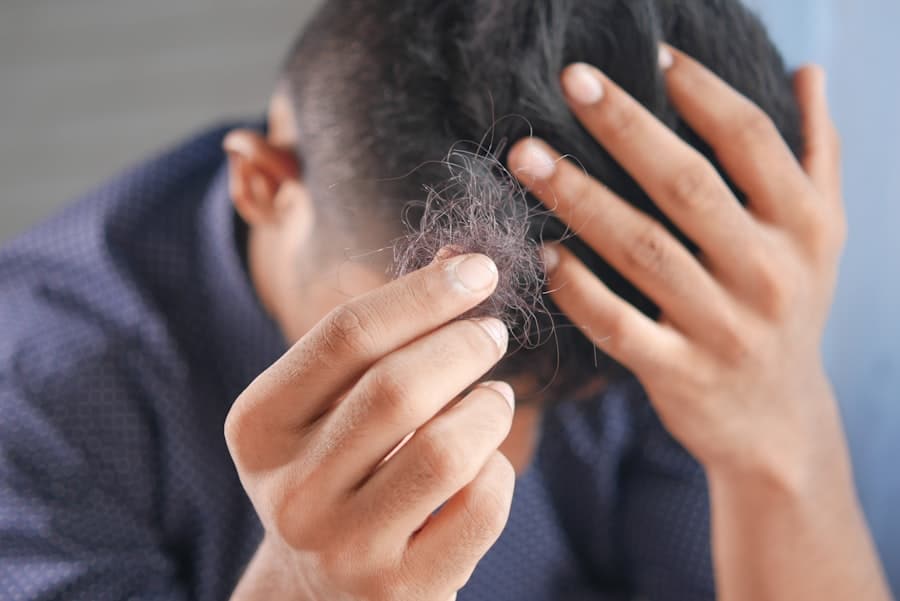
By the time you reach days eight through fourteen on your ketogenic journey, you may find that the keto headache has largely subsided or disappeared altogether. This period often marks a significant turning point as your body fully adapts to ketosis. You might feel more energetic and mentally sharp, enjoying the benefits of sustained fat-burning without the discomfort that initially accompanied your transition.
To maintain this newfound sense of well-being, continue focusing on hydration and balanced nutrition. Incorporating a variety of low-carb vegetables into your meals can provide essential vitamins and minerals while keeping your meals interesting. Additionally, consider tracking your food intake to ensure you’re meeting your macronutrient goals effectively.
This practice can help prevent any potential slip-ups that might lead to a return of headaches or other symptoms associated with dietary changes.
Preventing Keto Headache in the Future
Once you’ve successfully navigated through the initial stages of the ketogenic diet, it’s essential to implement strategies for preventing future keto headaches. One key aspect is maintaining proper hydration consistently throughout your dietary journey. Make it a habit to drink water regularly and consider incorporating electrolyte supplements if needed.
Another preventive measure involves being mindful of your carbohydrate intake during maintenance phases or when reintroducing certain foods into your diet. Gradually increasing carbs while monitoring how your body responds can help you avoid triggering headaches again. Additionally, staying attuned to any signs of dehydration or nutrient deficiencies will empower you to take proactive steps before discomfort arises.
Seeking Medical Attention for Severe Keto Headache
While most keto headaches are manageable with self-care strategies, there may be instances where the pain becomes severe or persistent. If you find yourself experiencing debilitating headaches that do not improve with hydration or dietary adjustments, it’s crucial to seek medical attention promptly. A healthcare professional can help determine if there are underlying issues contributing to your symptoms or if adjustments need to be made in your dietary approach.
In some cases, severe headaches may indicate other health concerns unrelated to the ketogenic diet. By consulting with a medical professional, you can ensure that any potential issues are addressed appropriately while receiving guidance tailored specifically to your health needs. Remember that prioritizing your well-being is essential as you navigate this dietary journey; don’t hesitate to reach out for support when needed.
In conclusion, understanding and managing keto headaches is an integral part of successfully transitioning into a ketogenic lifestyle. By recognizing initial symptoms, implementing effective recovery strategies, and maintaining preventive measures, you can navigate this journey with greater ease and comfort. Embrace the process as an opportunity for growth and transformation while remaining attentive to your body’s signals along the way.
FAQs
What is the keto headache recovery timeline?
The keto headache recovery timeline refers to the period of time it takes for individuals to recover from headaches that may occur when starting a ketogenic diet.
How long do keto headaches typically last?
Keto headaches can last anywhere from a few days to a couple of weeks as the body adjusts to the changes in diet and energy metabolism.
What are the common symptoms of keto headaches?
Common symptoms of keto headaches include throbbing or pulsating head pain, sensitivity to light and sound, nausea, and fatigue.
What can be done to alleviate keto headaches?
To alleviate keto headaches, individuals can stay well-hydrated, ensure they are consuming enough electrolytes, get adequate rest, and consider gradually easing into the ketogenic diet rather than making sudden drastic changes.
When should I seek medical attention for keto headaches?
If keto headaches are severe, persistent, or accompanied by other concerning symptoms, it is important to seek medical attention to rule out any underlying health issues.





