You may have heard of the keto diet, but do you know what it actually entails? Well, the keto diet refers to a high-fat, low-carb eating plan that has gained popularity in recent years. This article will provide you with a clear and concise definition of the keto diet, giving you a better understanding of its principles and potential benefits. So, if you’re curious about this trendy approach to eating, keep reading to discover what exactly the keto diet is all about.
Keto Diet Definition
What is a Keto Diet?
A keto diet, short for ketogenic diet, is a low-carb, high-fat diet that has gained popularity among individuals who are looking to lose weight or improve their overall health. The main objective of a keto diet is to shift the body’s metabolism into a state of ketosis, where it becomes highly efficient at burning fat for energy instead of relying on carbohydrates.
Origins of the Keto Diet
The concept of the keto diet dates back to the 1920s when it was initially developed as a therapeutic diet to treat epilepsy in children. However, over the years, its focus has shifted towards weight loss and improving other health markers. While it was not widely adopted in the beginning, the keto diet has recently gained significant attention and popularity due to its remarkable results and potential health benefits.

How Does the Keto Diet Work?
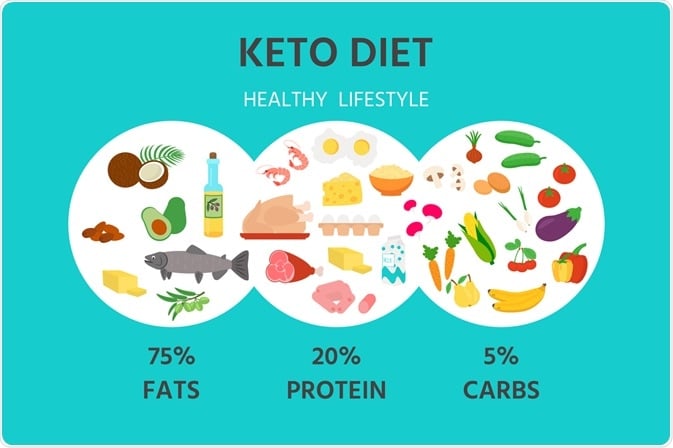
The keto diet works by drastically reducing your carbohydrate intake and increasing your consumption of healthy fats. By limiting carbohydrates, your body’s primary source of energy, it is forced to find an alternative fuel source. This leads to the production of ketones from the breakdown of fats in the liver, which are then used as an efficient energy source by the body and the brain.
Benefits of the Keto Diet
The keto diet offers various benefits, making it a popular choice for many individuals. Firstly, it can aid in weight loss due to the body’s increased ability to burn fat for fuel. It also helps to minimize blood sugar spikes and insulin levels, making it beneficial for individuals with diabetes or insulin resistance. Additionally, it has shown promise in improving heart health, reducing inflammation, and boosting mental clarity and focus.
Potential Risks of the Keto Diet
While the keto diet can be highly effective, it is important to be aware of potential risks and side effects. Initially, some individuals may experience the “keto flu,” which includes symptoms like fatigue, headache, and irritability as the body adjusts to the new fuel source. The elimination of certain food groups, particularly fruits and grains, may also result in nutrient deficiencies if not carefully planned. Moreover, long-term adherence to the keto diet has not been extensively researched, so its safety and effects over extended periods are not fully understood.
Different Types of the Keto Diet
There are several variations of the keto diet that cater to different lifestyles and personal preferences. The standard ketogenic diet (SKD) is the most common and involves consuming high amounts of fats, moderate protein, and very low carbs. The targeted ketogenic diet (TKD) allows for a small amount of carbohydrates to be consumed around workouts. The cyclical ketogenic diet (CKD) involves cycling between periods of strict keto eating and higher carb intake on specific days. Lastly, the high-protein ketogenic diet adds more protein to the standard keto diet while keeping carbs low.
Key Principles of a Keto Diet
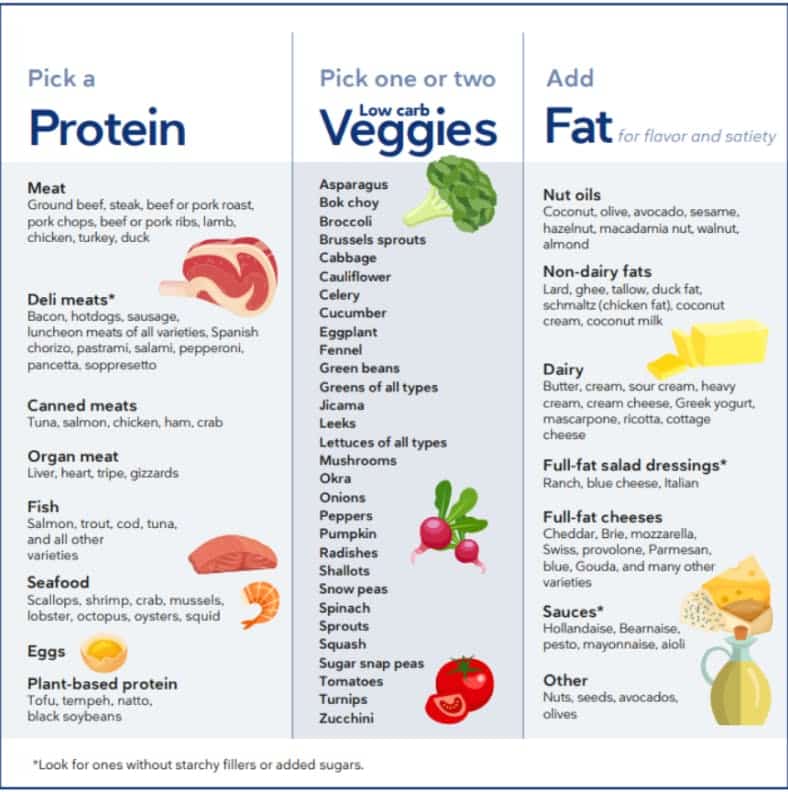
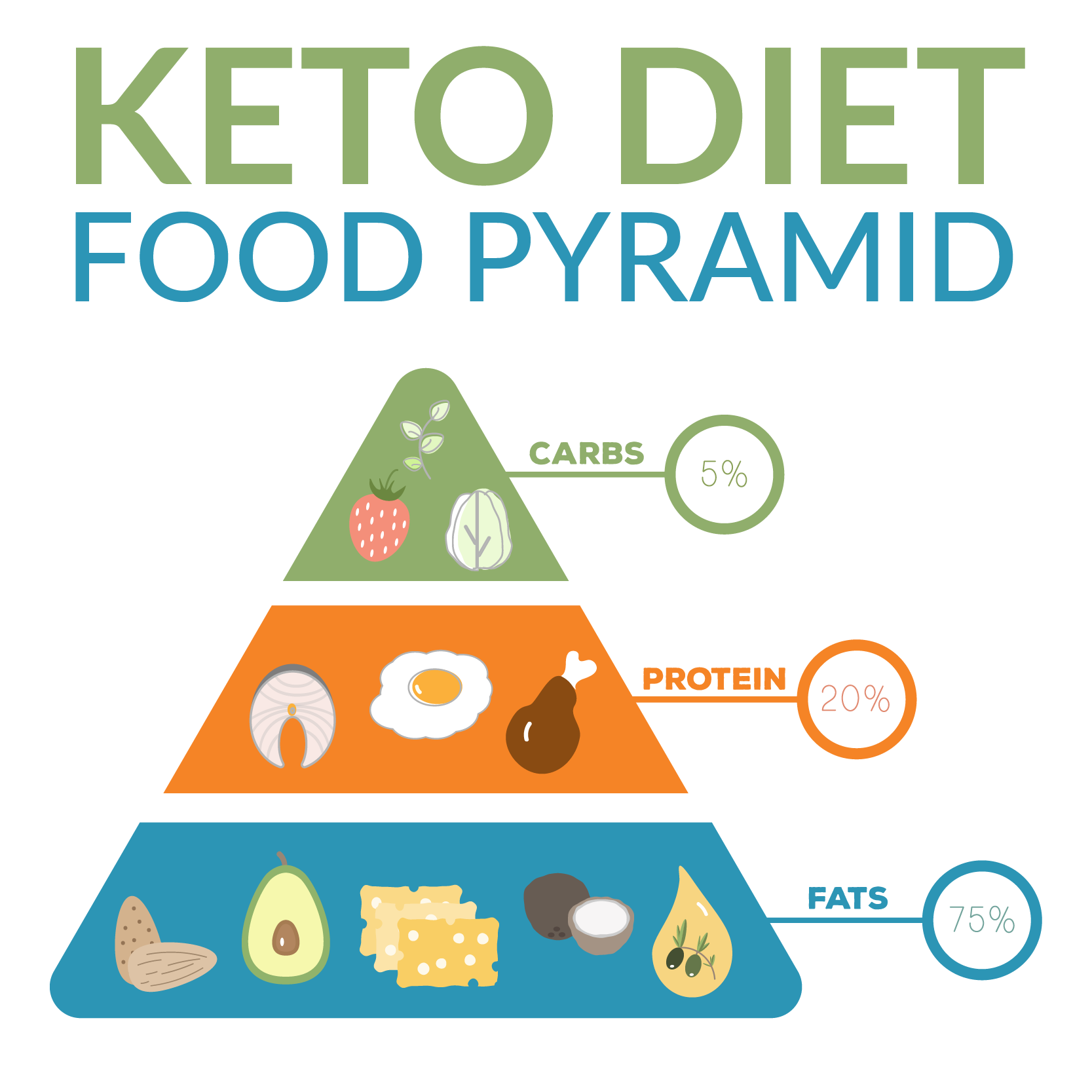
To follow a keto diet successfully, several key principles need to be adhered to. Firstly, the daily carbohydrate intake should be limited to approximately 20-50 grams, primarily from non-starchy vegetables. Healthy fats, such as avocados, nuts, and olive oil, should make up a significant portion of your calorie intake. Consuming a moderate amount of protein is essential to maintain muscle mass and promote satiety. Lastly, it is crucial to stay well-hydrated and ensure an adequate intake of electrolytes, such as sodium, potassium, and magnesium.
Foods to Eat on a Keto Diet
When following a keto diet, there are plenty of delicious and nutritious foods that you can enjoy. Include plenty of low-carb vegetables like leafy greens, broccoli, and cauliflower. Avocados, olive oil, coconut oil, and butter are excellent sources of healthy fats. High-quality animal proteins like meat, poultry, and fish should be included in moderation. Eggs, nuts, and seeds are also keto-friendly options. Additionally, full-fat dairy products, such as cheese and yogurt, can be consumed in moderation.

Foods to Avoid on a Keto Diet
To successfully achieve ketosis, it is crucial to avoid certain foods. High-carb foods like grains, pasta, rice, and bread should be eliminated. Sugary foods and beverages, including candies, soda, and juices, are also off-limits. Fruits, except for small portions of berries, should be limited due to their higher sugar content. Be mindful of hidden carbs in processed and packaged foods, as well as condiments and sauces. Lastly, avoid hydrogenated oils and trans fats, opting for healthier alternatives like olive oil and coconut oil.
Tips for Starting a Keto Diet
Starting a keto diet may seem daunting at first, but with the right approach, it can be both manageable and enjoyable. Firstly, educate yourself about the macronutrient composition of different foods to make informed choices. Plan your meals and snacks in advance to ensure you have keto-friendly options readily available. Gradually reduce your carbohydrate intake, allowing your body to adjust more comfortably. Stay hydrated and consider supplementing with electrolytes to prevent potential imbalances. Finally, listen to your body and consult with a healthcare professional if needed for personalized guidance.
In conclusion, a keto diet is a low-carb, high-fat diet that aims to shift the body into a state of ketosis. It offers numerous benefits, including weight loss, improved blood sugar control, and potential cardiovascular benefits. However, it is essential to be aware of potential risks and side effects, and to approach the keto diet with proper planning and consideration. With the right knowledge and guidance, the keto diet can be a sustainable and effective tool in achieving your health and weight loss goals.