Embarking on a journey into the world of the ketogenic diet can be both exciting and daunting. You may have heard about the benefits of this low-carb, high-fat eating plan, but what if you could amplify those benefits by eliminating processed foods? The keto diet, when combined with whole, unprocessed ingredients, can lead to remarkable health improvements.
By focusing on natural foods, you not only enhance your body’s ability to enter ketosis but also nourish it with essential nutrients that processed foods often lack. As you delve deeper into this lifestyle, you’ll discover that avoiding processed foods is not just a dietary choice; it’s a commitment to your overall well-being. This article will guide you through the principles of the keto diet, the significance of whole foods, and practical strategies for successfully adopting this approach.
By the end, you’ll be equipped with the knowledge and tools to thrive on a keto diet that prioritizes unprocessed ingredients.
Key Takeaways
- The keto diet without processed foods focuses on natural, whole foods to achieve ketosis and promote weight loss.
- Understanding the keto diet and its benefits, including improved weight loss, increased energy, and better blood sugar control.
- Avoiding processed foods is important on the keto diet to minimize intake of added sugars, unhealthy fats, and artificial ingredients.
- Identifying and avoiding processed foods by reading labels, choosing fresh produce, and opting for whole grains and lean proteins.
- Benefits of a keto diet without processed foods include better nutrient intake, reduced inflammation, and improved overall health.
Understanding the Keto Diet and its Benefits
At its core, the ketogenic diet is designed to shift your body’s primary energy source from carbohydrates to fats. By drastically reducing your carbohydrate intake and increasing your fat consumption, your body enters a metabolic state known as ketosis. In this state, your liver converts fats into ketones, which serve as an alternative fuel source for your brain and body.
This shift can lead to various benefits, including weight loss, improved mental clarity, and enhanced energy levels. You may find that one of the most appealing aspects of the keto diet is its potential for weight management. Many individuals experience significant reductions in body fat while preserving lean muscle mass.
Additionally, the diet can help stabilize blood sugar levels, making it particularly beneficial for those with insulin resistance or type 2 diabetes. As you explore the keto lifestyle, you’ll likely notice improvements in your mood and cognitive function as well, thanks to the brain’s preference for ketones over glucose.
The Importance of Avoiding Processed Foods on the Keto Diet

While the keto diet can be effective on its own, avoiding processed foods elevates its benefits even further. Processed foods are often laden with unhealthy additives, preservatives, and hidden sugars that can sabotage your efforts to maintain ketosis. When you consume these foods, you may inadvertently spike your insulin levels, making it more challenging for your body to burn fat efficiently.
Moreover, processed foods typically lack essential nutrients that whole foods provide. By focusing on unprocessed ingredients, you ensure that your body receives vital vitamins and minerals necessary for optimal health. This approach not only supports your weight loss goals but also enhances your overall well-being.
You’ll find that whole foods are more satisfying and nourishing, helping you feel fuller for longer and reducing cravings for unhealthy snacks.
How to Identify and Avoid Processed Foods
Identifying processed foods can be a bit tricky, especially since many products are marketed as healthy or low-carb. To navigate this landscape effectively, start by reading ingredient labels carefully. If you come across items with long lists of ingredients or those containing unfamiliar additives, it’s best to steer clear.
Whole foods typically have minimal ingredients—think fresh vegetables, meats, eggs, nuts, and healthy fats like olive oil or avocado. Another effective strategy is to shop the perimeter of the grocery store. This area usually houses fresh produce, meats, and dairy products while the inner aisles are often filled with processed items.
When you do venture into the aisles, focus on single-ingredient items or those with short ingredient lists that you can easily recognize. By developing a keen eye for what constitutes a processed food, you’ll be better equipped to make informed choices that align with your keto goals.
Benefits of a Keto Diet Without Processed Foods
Adopting a keto diet without processed foods can yield numerous benefits that extend beyond weight loss. One significant advantage is improved digestion. Whole foods are generally higher in fiber and nutrients compared to their processed counterparts, promoting better gut health and regularity.
You may find that incorporating more vegetables and whole foods into your meals leads to increased energy levels and reduced bloating. Additionally, a clean keto diet can enhance mental clarity and focus. Many individuals report experiencing fewer brain fog episodes when they eliminate processed foods from their diets.
This clarity can be attributed to stable blood sugar levels and the brain’s efficient use of ketones as fuel. As you embrace this way of eating, you may notice an overall improvement in your mood and cognitive function, allowing you to tackle daily tasks with renewed vigor.
Tips for Planning Keto Meals Without Processed Foods

Planning meals on a keto diet without processed foods requires some forethought but can be incredibly rewarding. Start by creating a weekly meal plan that incorporates a variety of whole foods. Focus on including plenty of non-starchy vegetables like leafy greens, broccoli, and zucchini alongside healthy fats such as avocados and olive oil.
Protein sources like grass-fed meats, wild-caught fish, and free-range eggs should also be staples in your meal prep. Batch cooking can be a game-changer when it comes to staying on track with your meal plan. Prepare large quantities of keto-friendly dishes that can be easily reheated throughout the week.
Soups, stews, and casseroles made from whole ingredients are excellent options that can save you time and effort during busy days. By having nutritious meals readily available, you’ll be less likely to reach for processed snacks or convenience foods when hunger strikes.
Sample Meal Plans for a Keto Diet Without Processed Foods
Creating a sample meal plan can help you visualize how to incorporate whole foods into your keto diet effectively. For breakfast, consider a delicious omelet filled with spinach, tomatoes, and feta cheese cooked in olive oil. Pair it with a side of avocado for added healthy fats.
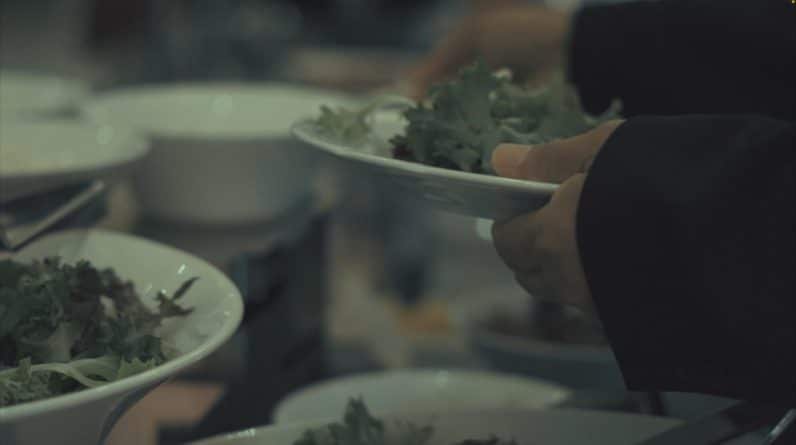
For lunch, a salad made with mixed greens, grilled chicken, walnuts, and a homemade vinaigrette can provide a satisfying meal packed with nutrients. Dinner could feature baked salmon seasoned with herbs and served alongside roasted Brussels sprouts drizzled with olive oil. For snacks throughout the day, opt for raw nuts or sliced vegetables with guacamole or hummus made from whole ingredients.
By planning meals like these, you’ll ensure that you’re nourishing your body while adhering to your keto goals without relying on processed options.
How to Shop for Keto-Friendly, Non-Processed Foods
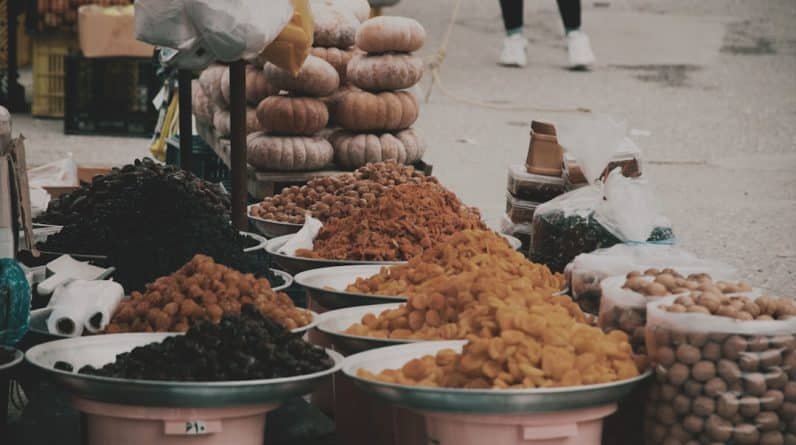
When shopping for keto-friendly foods that are also unprocessed, it’s essential to have a strategy in place. Start by making a comprehensive grocery list based on your meal plan to avoid impulse purchases that may lead you astray. Focus on shopping at local farmers’ markets or health food stores where fresh produce and high-quality meats are more readily available.
As you navigate the grocery store aisles, prioritize organic options when possible—especially for produce that tends to carry higher pesticide residues. Look for grass-fed or pasture-raised meats and wild-caught seafood to ensure you’re getting the best quality protein sources. By being intentional about where and how you shop, you’ll set yourself up for success on your keto journey without processed foods.
Cooking and Meal Prep Tips for a Keto Diet Without Processed Foods
Cooking at home is one of the most effective ways to control what goes into your meals while adhering to a keto diet without processed foods. Invest in quality kitchen tools such as sharp knives, cutting boards, and non-stick pans to make meal prep easier and more enjoyable. Experimenting with different cooking methods—like grilling, roasting, or steaming—can add variety to your meals while keeping them healthy.
Consider dedicating one day each week to meal prep where you can chop vegetables, marinate proteins, and prepare sauces or dressings from scratch using whole ingredients. This practice not only saves time during busy weekdays but also ensures that you have delicious meals ready to go when hunger strikes. Embrace creativity in the kitchen by trying new recipes or modifying traditional dishes to fit within your keto framework without relying on processed components.
Overcoming Challenges and Staying on Track with a Keto Diet Without Processed Foods
Transitioning to a keto diet without processed foods may present challenges along the way. You might encounter cravings for familiar snacks or find it difficult to dine out while adhering to this lifestyle. To overcome these hurdles, it’s crucial to have a support system in place—whether it’s friends who share similar goals or online communities where you can exchange tips and encouragement.
When dining out, don’t hesitate to ask questions about menu items or request modifications to ensure they align with your dietary preferences. Carrying healthy snacks like nuts or cheese sticks can also help curb cravings when you’re on the go or in social situations where options may be limited. Remember that setbacks are normal; what matters is how you respond and get back on track toward your goals.
Conclusion and Next Steps for Starting a Keto Diet Without Processed Foods
As you consider embarking on a keto diet without processed foods, remember that this journey is about more than just weight loss; it’s about embracing a healthier lifestyle that nourishes your body from within. By focusing on whole ingredients and avoiding processed options, you’ll likely experience enhanced energy levels, improved mental clarity, and overall well-being. To get started, take small steps—begin by cleaning out your pantry of processed items and stocking up on fresh produce and quality proteins.
Create a meal plan that excites you and experiment with new recipes that highlight whole foods. With determination and commitment, you’ll find yourself thriving on this fulfilling path toward better health through a clean keto diet without processed foods.
FAQs
What is a keto diet?
A keto diet is a high-fat, low-carbohydrate diet that has been shown to help with weight loss and improve certain health conditions. It involves reducing carbohydrate intake and replacing it with fat, which puts the body into a metabolic state called ketosis.
What are processed foods?
Processed foods are foods that have been altered from their natural state through methods such as canning, freezing, or adding preservatives and other additives. These foods often contain high levels of sugar, unhealthy fats, and artificial ingredients.
Can you follow a keto diet without processed foods?
Yes, it is possible to follow a keto diet without consuming processed foods. This can be achieved by focusing on whole, unprocessed foods such as meat, fish, eggs, nuts, seeds, vegetables, and healthy fats like avocado and olive oil.
What are the benefits of following a keto diet without processed foods?
Following a keto diet without processed foods can lead to improved overall health, as it encourages the consumption of nutrient-dense, whole foods. It can also help reduce inflammation, stabilize blood sugar levels, and support weight loss.
What are some examples of keto-friendly unprocessed foods?
Examples of keto-friendly unprocessed foods include grass-fed meats, wild-caught fish, organic eggs, leafy greens, cruciferous vegetables, nuts, seeds, and healthy fats like coconut oil and ghee.
Are there any potential drawbacks to following a keto diet without processed foods?
One potential drawback of following a keto diet without processed foods is that it may require more time and effort for meal preparation, as it involves cooking and preparing whole foods from scratch. Additionally, some individuals may find it challenging to completely eliminate processed foods from their diet.