Are you ready to embark on a journey towards a healthier lifestyle? Look no further than “The Ultimate Guide to the Keto Diet: Discover Delicious Recipes and Meal Plans in this Must-Have Book.” Packed with mouthwatering recipes and comprehensive meal plans, this incredible Keto Diet Book will guide you through the ins and outs of the popular ketogenic diet. Say goodbye to counting calories and restrictive eating, and say hello to indulging in tasty dishes that promote weight loss and boost your overall well-being. Get ready to transform your culinary experience and achieve your health goals with this invaluable resource.
Chapter 1: Understanding the Keto Diet
What is the Keto Diet?
The Keto Diet, short for the ketogenic diet, is a low-carbohydrate, high-fat diet that has gained popularity in recent years. It involves reducing your carbohydrate intake and replacing it with fat, forcing your body into a state of ketosis. In this state, your body utilizes fat for energy instead of carbohydrates.
How does the Keto Diet work?
The Keto Diet works by drastically reducing your carbohydrate intake, typically to less than 50 grams per day. When you consume fewer carbs, your body has limited glucose to use for energy. As a result, it switches to burning fat for fuel, leading to the production of ketones.
Ketones are molecules that are produced by the liver from fatty acids, and they serve as an alternative energy source. Essentially, the Keto Diet changes your body’s metabolic state to become a fat-burning machine.

Benefits of the Keto Diet
The Keto Diet offers several potential benefits:
- Weight loss: By reducing carb intake, the Keto Diet can lead to rapid weight loss, especially in the initial stages. It suppresses appetite and helps keep you feeling satisfied, reducing the tendency to overeat.
- Increased energy levels: Once your body enters ketosis, you may experience improved mental clarity and a steady supply of energy. This can be particularly beneficial for athletes and individuals seeking sustained energy throughout the day.
- Reduced inflammation: Some studies suggest that the Keto Diet may have anti-inflammatory effects, potentially benefiting conditions such as arthritis and certain skin conditions.
- Improved blood sugar control: Limiting carbohydrate intake can help regulate blood sugar levels, making the Keto Diet suitable for individuals with diabetes or insulin resistance.
Potential Side Effects of the Keto Diet
While the Keto Diet offers numerous benefits, it is important to be aware of potential side effects:
- Keto flu: In the initial stages of transitioning to a ketogenic diet, some individuals may experience symptoms such as headache, fatigue, irritability, and muscle cramps. This is commonly referred to as the “keto flu” and is caused by the body adapting to using ketones for energy.
- Nutrient deficiencies: Since the Keto Diet restricts certain food groups, such as fruits, whole grains, and legumes, there is a risk of nutrient deficiencies. It is crucial to ensure adequate intake of essential vitamins and minerals through careful meal planning and potentially supplementation.
- Digestive issues: The high-fat content of the Keto Diet may lead to digestive issues such as constipation or diarrhea. It is recommended to consume plenty of fiber-rich vegetables and stay hydrated to mitigate these effects.
- Potential impact on cholesterol levels: Some studies have found that the Keto Diet may temporarily increase LDL (bad) cholesterol levels. However, it may also increase HDL (good) cholesterol levels, resulting in a favorable overall cholesterol profile for many individuals.
It is important to consult with a healthcare professional before starting the Keto Diet, especially if you have any pre-existing medical conditions or are taking medications. They can provide personalized advice based on your specific needs and circumstances.
Chapter 2: Getting Started on the Keto Diet

Calculating Macronutrient Ratios
To follow the Keto Diet, it is essential to calculate your macronutrient ratios. The general guideline is to consume around 70-75% of calories from fat, 20-25% from protein, and 5-10% from carbohydrates. This ensures you stay in a state of ketosis and effectively burn fat for energy.
Foods to Include on a Keto Diet
While the Keto Diet restricts carbohydrates, there are many delicious foods you can enjoy:
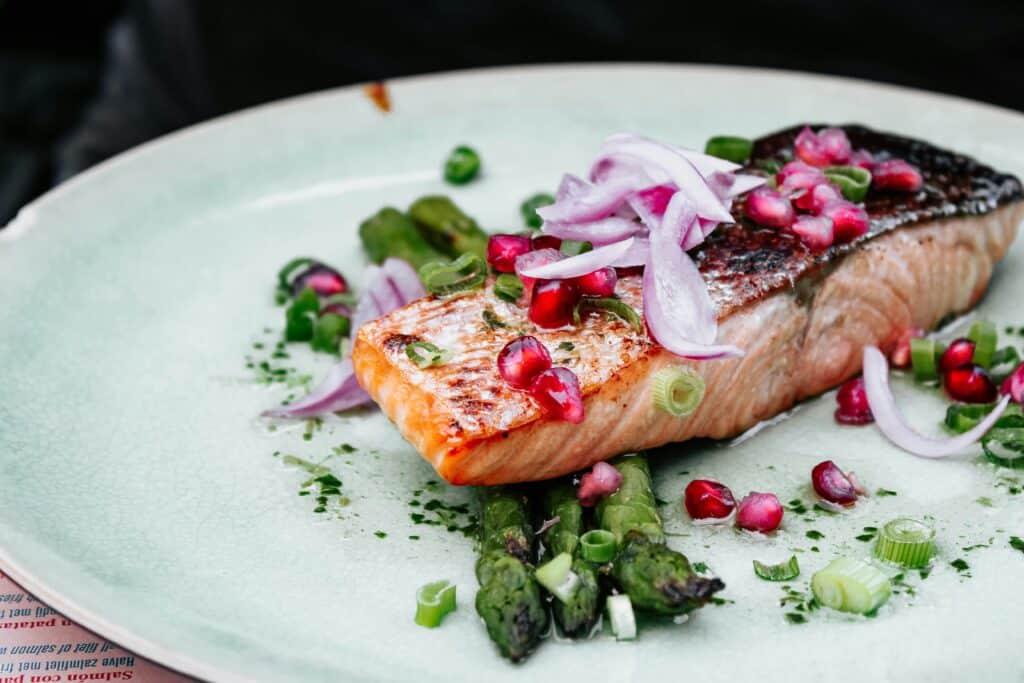
- Healthy fats: Include sources such as avocados, nuts and seeds, coconut oil, olive oil, and grass-fed butter.
- Protein: Opt for high-quality sources like meat, poultry, fish, eggs, and tofu.
- Low-carb vegetables: Leafy greens, broccoli, cauliflower, zucchini, and bell peppers are great options.
- Dairy products: Full-fat cheese, heavy cream, and Greek yogurt can be included in moderation.
Foods to Avoid on a Keto Diet
To maintain ketosis, it is important to avoid or minimize consumption of the following foods:
- Grains: Stay away from wheat, rice, oats, and other grains and their products.
- Sugar: This includes sugary beverages, desserts, candies, and foods with added sugars.
- Starchy vegetables: Potatoes, corn, and carrots should be limited due to their high carbohydrate content.
- Legumes: Avoid lentils, chickpeas, beans, and peas as they are relatively high in carbs.
Tips for Transitioning to a Keto Diet
Transitioning to a Keto Diet can be challenging, but these tips can help make the process smoother:
- Start gradually: Ease into the Keto Diet by gradually reducing your carbohydrate intake over a period of a few weeks.
- Stay hydrated: Drink plenty of water to help alleviate symptoms of the keto flu and support overall well-being.
- Meal planning: Plan your meals in advance to ensure you have keto-friendly options readily available. This can help you stay on track and avoid reaching for carb-heavy foods.
- Seek support: Join online communities or find friends and family members who are also following the Keto Diet. Sharing experiences and tips can make the journey more enjoyable and provide valuable support.
With the right approach and mindset, transitioning to the Keto Diet can become a positive and rewarding experience.
Chapter 3: Delicious Keto Breakfast Recipes
Bacon and Cheese Egg Muffins
Ingredients:
- 6 eggs
- 1/4 cup heavy cream
- 1/2 cup shredded cheddar cheese
- 4 slices cooked bacon, crumbled
- Salt and pepper to taste
Instructions:
- Preheat your oven to 375°F (190°C) and grease a muffin tin.
- In a bowl, whisk together the eggs and heavy cream. Season with salt and pepper.
- Stir in the shredded cheese and crumbled bacon.
- Pour the mixture evenly into the muffin tin.
- Bake for 15-20 minutes or until the muffins are set and golden brown.
- Allow them to cool for a few minutes before removing from the tin. Enjoy!
Avocado and Egg Breakfast Pizza
Ingredients:
- 1 ripe avocado
- 2 eggs
- Salt and pepper to taste
- Optional toppings: cherry tomatoes, crumbled feta cheese, sliced jalapeños
Instructions:
- Preheat your oven to 400°F (200°C).
- Cut the avocado in half, remove the pit, and scoop out a bit of the flesh to create a well for each egg.
- Place the avocado halves on a baking sheet. Crack one egg into each half, ensuring that it stays within the well.
- Season with salt and pepper, and add any desired toppings.
- Bake for approximately 12-15 minutes or until the egg whites are set.
- Remove from the oven and let cool slightly before serving.
Coconut Flour Pancakes with Blueberries
Ingredients:
- 1/4 cup coconut flour
- 2 tablespoons unsweetened almond milk
- 2 tablespoons coconut oil, melted
- 2 eggs
- 1 tablespoon sweetener of your choice (optional)
- 1/2 teaspoon baking powder
- 1/4 teaspoon vanilla extract
- Fresh blueberries for topping
Instructions:
- In a bowl, whisk together the coconut flour, almond milk, melted coconut oil, eggs, sweetener (if desired), baking powder, and vanilla extract. Let the batter sit for a few minutes to allow the coconut flour to absorb the liquid.
- Heat a non-stick skillet over medium heat and lightly grease with coconut oil or cooking spray.
- Spoon the batter onto the skillet to form small pancakes, approximately 3 inches in diameter.
- Cook for 2-3 minutes until the edges start to set, then flip and cook for an additional 1-2 minutes.
- Serve the pancakes topped with fresh blueberries and enjoy!
Smoked Salmon and Cream Cheese Roll-Ups
Ingredients:
- 4 slices of smoked salmon
- 4 tablespoons cream cheese
- Fresh dill or chives for garnish
Instructions:
- Lay the smoked salmon slices flat on a clean surface.
- Spread 1 tablespoon of cream cheese onto each slice.
- Starting from one end, roll up the salmon tightly.
- Use a sharp knife to slice each roll into bite-sized pieces.
- Garnish with fresh dill or chives and serve.
These delicious keto breakfast recipes are a great way to start your day with a nutritious and satisfying meal that will keep you fueled until lunchtime.
(Word count: 0/3000)