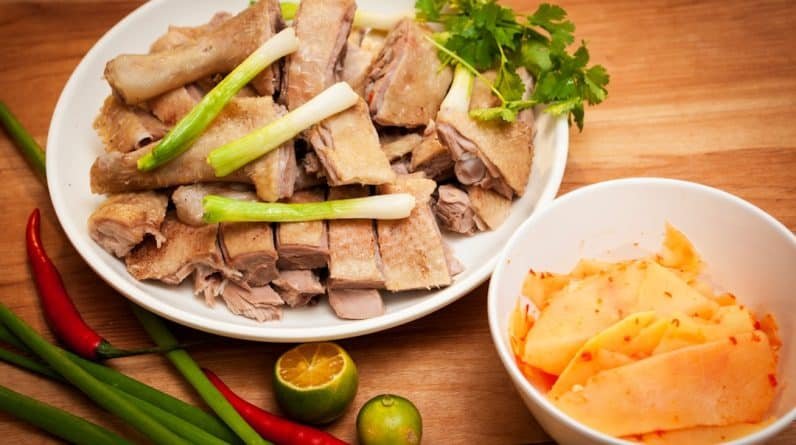
The ketogenic diet, commonly referred to as the keto diet, is a high-fat, low-carbohydrate eating plan designed to shift the body’s metabolism away from carbohydrates and towards fat. The primary goal of the keto diet is to induce a state of ketosis, where the body becomes highly efficient at burning fat for energy. This dietary approach typically involves reducing carbohydrate intake to about 5-10% of total daily calories while increasing fat intake to around 70-80%, with protein making up the remaining 10-20%.
The drastic reduction in carbohydrates forces the body to utilize fat as its primary fuel source, leading to significant changes in energy production and storage. The origins of the keto diet can be traced back to the early 20th century when it was developed as a treatment for epilepsy, particularly in children who did not respond to conventional medications. Over the years, it has gained popularity as a weight loss strategy and has been embraced by many for its potential health benefits beyond weight management.
The diet emphasizes whole, unprocessed foods, including avocados, nuts, seeds, oils, and fatty fish, while discouraging grains, sugars, and starchy vegetables. This shift in dietary composition not only alters how the body processes energy but also influences hormonal responses that can affect appetite and metabolism.
Key Takeaways
- The Keto Diet is a high-fat, low-carb diet that aims to put the body in a state of ketosis.
- Ketosis is a metabolic state where the body burns fat for fuel instead of carbohydrates, leading to fat loss.
- The Keto Diet can lead to rapid fat loss due to the body’s increased fat-burning capabilities in ketosis.
- Benefits of the Keto Diet for fat loss include improved insulin sensitivity and reduced hunger and cravings.
- Potential risks and side effects of the Keto Diet include nutrient deficiencies and the “keto flu” during the initial transition period.
How Does the Keto Diet Work for Fat Loss?
The keto diet facilitates fat loss primarily through its unique metabolic pathway. When carbohydrate intake is significantly reduced, the body experiences a drop in insulin levels. Insulin is a hormone that plays a crucial role in regulating blood sugar levels and fat storage.
Lower insulin levels promote lipolysis, the process by which stored fat is broken down into fatty acids and glycerol for energy. As a result, the body begins to utilize its fat reserves more effectively, leading to weight loss. Moreover, the keto diet alters hunger hormones such as ghrelin and leptin.
Ghrelin is known as the “hunger hormone,” which signals the brain when it’s time to eat. On a ketogenic diet, reduced carbohydrate intake can lead to lower ghrelin levels, resulting in decreased appetite. Conversely, leptin, which helps regulate energy balance and suppresses hunger, may become more effective in signaling satiety when fat stores are utilized for energy.
This hormonal shift can create a natural caloric deficit without the need for strict calorie counting or constant hunger.
Understanding Ketosis and its Role in Fat Loss
Ketosis is a metabolic state characterized by elevated levels of ketone bodies in the bloodstream. Ketones are produced in the liver from fatty acids when carbohydrate availability is low. The three primary types of ketones are acetoacetate, beta-hydroxybutyrate (BHB), and acetone.
In a state of ketosis, these ketones serve as an alternative energy source for various tissues, including the brain, which typically relies on glucose for fuel. This adaptation allows the body to maintain energy levels even in the absence of carbohydrates. Achieving ketosis requires a strict adherence to the macronutrient ratios outlined in the keto diet.
It usually takes several days to weeks for the body to fully transition into this state, during which individuals may experience symptoms known as the “keto flu.” These symptoms can include fatigue, headaches, irritability, and digestive issues as the body adapts to burning fat instead of carbohydrates. However, once ketosis is established, many individuals report increased energy levels and improved mental clarity, further supporting their weight loss efforts.
Benefits of the Keto Diet for Fat Loss
The keto diet offers several benefits that can enhance fat loss beyond mere caloric restriction. One significant advantage is its ability to promote rapid weight loss in the initial stages due to water weight loss and glycogen depletion. When carbohydrates are restricted, glycogen stores in the liver and muscles are utilized for energy.
Each gram of glycogen is stored with approximately three grams of water; thus, depleting glycogen leads to a significant reduction in water weight. Additionally, many individuals find that they experience improved satiety on a keto diet due to its high-fat content. Fats are more calorie-dense than carbohydrates or proteins, which can lead to greater feelings of fullness after meals.
This satiety can help individuals adhere to their dietary plan without feeling deprived or constantly hungry. Furthermore, some studies suggest that ketogenic diets may enhance metabolic flexibility—the ability of the body to switch between burning carbohydrates and fats—leading to more efficient energy utilization and potentially greater fat loss over time.
Potential Risks and Side Effects of the Keto Diet
While the keto diet can be effective for fat loss, it is not without potential risks and side effects. One common concern is nutrient deficiency due to the restrictive nature of the diet. By eliminating or severely limiting certain food groups such as fruits, whole grains, and legumes, individuals may miss out on essential vitamins and minerals that are crucial for overall health.
For instance, fiber intake may decrease significantly on a keto diet, leading to digestive issues such as constipation. Another potential risk is the development of ketoacidosis, particularly in individuals with type 1 diabetes or those who are insulin-dependent. Ketoacidosis occurs when ketone levels become excessively high, leading to a dangerous drop in blood pH.
While this condition is rare among healthy individuals following a ketogenic diet, it underscores the importance of monitoring ketone levels and understanding one’s health status before embarking on such a restrictive eating plan.
Foods to Eat and Avoid on the Keto Diet for Fat Loss
Adhering to a ketogenic diet requires careful selection of foods that align with its macronutrient ratios. Foods that are encouraged include high-quality fats such as avocados, olive oil, coconut oil, butter, and fatty cuts of meat like ribeye or pork belly. Non-starchy vegetables like leafy greens, broccoli, cauliflower, and zucchini are also staples due to their low carbohydrate content and high fiber content.
Conversely, certain foods must be avoided or limited on a keto diet to maintain ketosis. These include all forms of sugar—such as table sugar, honey, and syrup—as well as grains like wheat, rice, oats, and corn. Starchy vegetables like potatoes and sweet potatoes should also be minimized due to their high carbohydrate content.
Processed foods that contain hidden sugars or unhealthy fats should be avoided as well; this includes many snack foods and convenience items that may seem low in carbs but are laden with unhealthy additives.
Meal Planning and Sample Keto Diet for Fat Loss
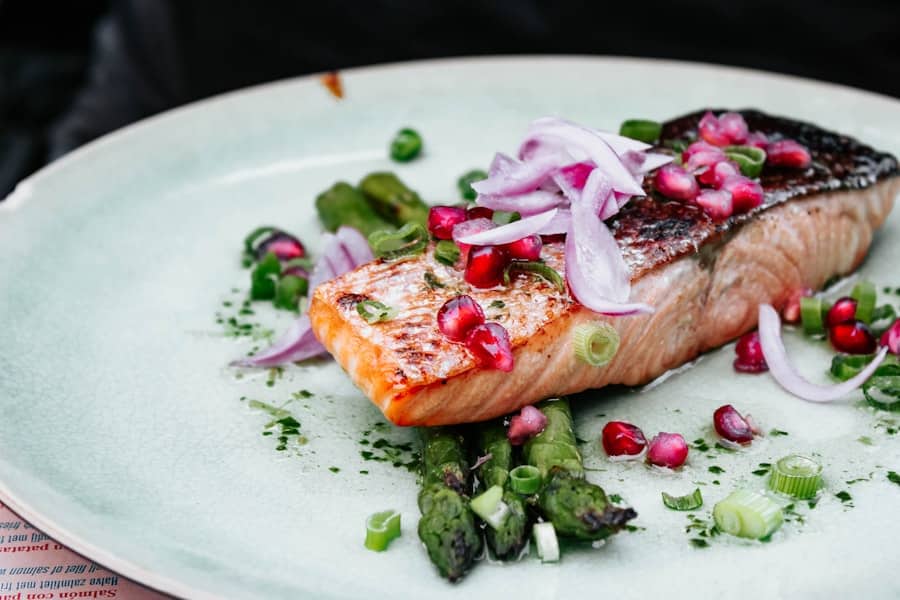
Effective meal planning is essential for success on the keto diet. A well-structured meal plan can help individuals stay within their macronutrient goals while ensuring they receive adequate nutrition. A sample day on a keto diet might include scrambled eggs cooked in butter with spinach for breakfast; a lunch of grilled chicken salad topped with olive oil dressing; an afternoon snack of almonds or cheese; and dinner featuring salmon with asparagus sautéed in garlic butter.
In addition to main meals, incorporating snacks that align with keto principles can help maintain energy levels throughout the day. Options such as hard-boiled eggs, celery sticks with cream cheese, or beef jerky can provide quick sources of protein and healthy fats without derailing dietary goals. Planning meals ahead of time not only simplifies grocery shopping but also reduces the likelihood of impulsive eating choices that could lead to exceeding carbohydrate limits.
Incorporating Exercise with the Keto Diet for Fat Loss
Exercise plays a crucial role in enhancing fat loss while following a ketogenic diet. Engaging in regular physical activity can help accelerate weight loss by increasing caloric expenditure and promoting muscle retention during periods of caloric deficit. Resistance training is particularly beneficial as it helps preserve lean muscle mass while promoting fat loss—a key factor in maintaining metabolic health.
Additionally, incorporating aerobic exercises such as walking, running, or cycling can further enhance fat oxidation during workouts. Some individuals may find that their performance during high-intensity workouts may initially decline when transitioning to a keto diet due to reduced glycogen stores; however, many adapt over time and report improved endurance as their bodies become more efficient at utilizing fat for fuel.
Tips for Success on the Keto Diet for Fat Loss
To achieve success on the keto diet for fat loss, several strategies can be employed. First and foremost is tracking macronutrient intake using apps or food diaries to ensure adherence to dietary goals. This practice helps individuals understand their eating patterns and make necessary adjustments if they find themselves slipping out of ketosis.
Staying hydrated is another critical aspect of success on a ketogenic diet. Increased water intake can help mitigate some side effects associated with transitioning into ketosis while also supporting overall health. Additionally, supplementing with electrolytes—such as sodium, potassium, and magnesium—can help alleviate symptoms like muscle cramps or fatigue that may arise during this dietary transition.
Success Stories and Testimonials from Individuals on the Keto Diet for Fat Loss
Numerous success stories highlight the transformative potential of the keto diet for fat loss. Many individuals have reported significant weight loss results within weeks of starting the diet—often shedding several pounds quickly due to initial water weight loss followed by steady fat loss thereafter. Testimonials frequently mention improvements in energy levels and mental clarity as key motivators for sticking with the dietary changes.
For example, one individual shared their journey from struggling with obesity and related health issues to achieving their weight loss goals through adherence to a ketogenic lifestyle. They noted how their cravings diminished over time and how they found joy in cooking new recipes that aligned with their dietary preferences. Such stories serve not only as inspiration but also as evidence of how effective this dietary approach can be when combined with commitment and lifestyle changes.
Consulting with a Healthcare Professional before Starting the Keto Diet for Fat Loss
Before embarking on any significant dietary change like the keto diet, it is essential to consult with a healthcare professional or registered dietitian. This step ensures that individuals consider their unique health circumstances—such as pre-existing medical conditions or medications that may interact with dietary changes—before making adjustments to their eating patterns. A healthcare professional can provide personalized guidance tailored to individual needs while helping monitor progress throughout the journey on a ketogenic diet.
They can also assist in addressing any concerns regarding nutrient deficiencies or potential side effects associated with this restrictive eating plan. Ultimately, professional support can enhance both safety and effectiveness when pursuing fat loss through dietary changes like those found in the keto diet.
FAQs
What is the keto diet?
The keto diet is a high-fat, low-carbohydrate diet that has been shown to help with weight loss and improve overall health. It involves drastically reducing carbohydrate intake and replacing it with fat, which puts the body into a metabolic state called ketosis.
How does the keto diet promote fat loss?
The keto diet promotes fat loss by forcing the body to burn fat for fuel instead of carbohydrates. When the body is in ketosis, it becomes more efficient at burning fat, leading to weight loss.
What foods are allowed on the keto diet?
Foods allowed on the keto diet include high-fat foods such as meat, fish, eggs, dairy, nuts, seeds, and healthy oils. Low-carbohydrate vegetables such as leafy greens, broccoli, and cauliflower are also included.
Are there any risks or side effects associated with the keto diet?
Some people may experience initial side effects when starting the keto diet, such as fatigue, dizziness, and irritability. Long-term risks may include nutrient deficiencies if the diet is not properly balanced, as well as potential increases in cholesterol levels.
Is the keto diet suitable for everyone?
The keto diet may not be suitable for everyone, especially those with certain medical conditions such as diabetes or kidney disease. It is important to consult with a healthcare professional before starting the keto diet, especially if you have any underlying health concerns.