
Have you ever considered a diet that not only promotes weight loss but also incorporates the health benefits of plant-based ingredients? If you’re curious about the possibilities, the ketogenic diet using plant-based ingredients might just be the answer you’re looking for. This unique blend takes the foundational principles of keto, which has garnered attention for its low-carb, high-fat approach, and marries it with the wholesome goodness of plant-based foods. Let’s break it down.
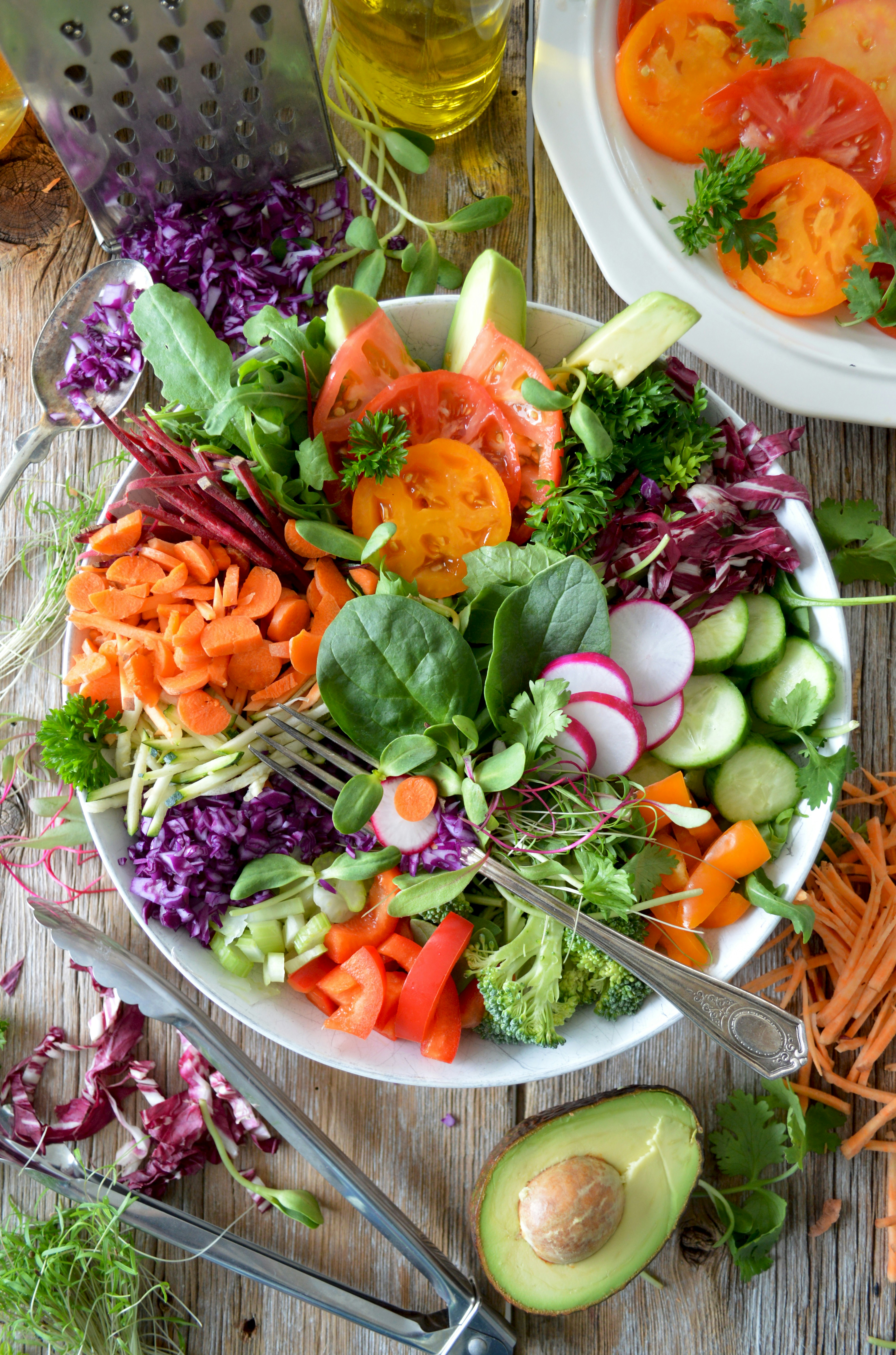
Understanding the Ketogenic Diet
To get started, it’s essential to grasp what the ketogenic diet entails. This diet focuses on drastically reducing carbohydrate intake and replacing it with fat. The goal is to enter a metabolic state called ketosis, where your body becomes efficient at burning fat for energy instead of glucose. For those who are health-conscious or looking to lose weight, this can be an appealing approach.
Key Principles of the Ketogenic Diet
- Low Carbohydrate Intake: Typically, the ketogenic diet limits carbohydrates to about 5-10% of total daily calorie intake.
- High Fat Consumption: Fat accounts for approximately 70-75% of your total daily calories.
- Moderate Protein: Protein should make up about 20-25% of your diet. The emphasis is not on high protein but on maintaining a balanced approach.
The Intersection of Plant-Based Eating and Keto
You might think it’s challenging to combine a ketogenic lifestyle with a plant-based diet. However, many plant foods can meet the dietary restrictions while offering nutritional benefits.
How to Make Plant-Based Keto Work
Achieving a balance between being plant-based and following keto requires careful planning and creativity in the kitchen. The key is to focus on high-fat, low-carb plant-based foods.
Here’s a simple breakdown of food groups you can include:
| Food Group | Examples | Notes |
|---|---|---|
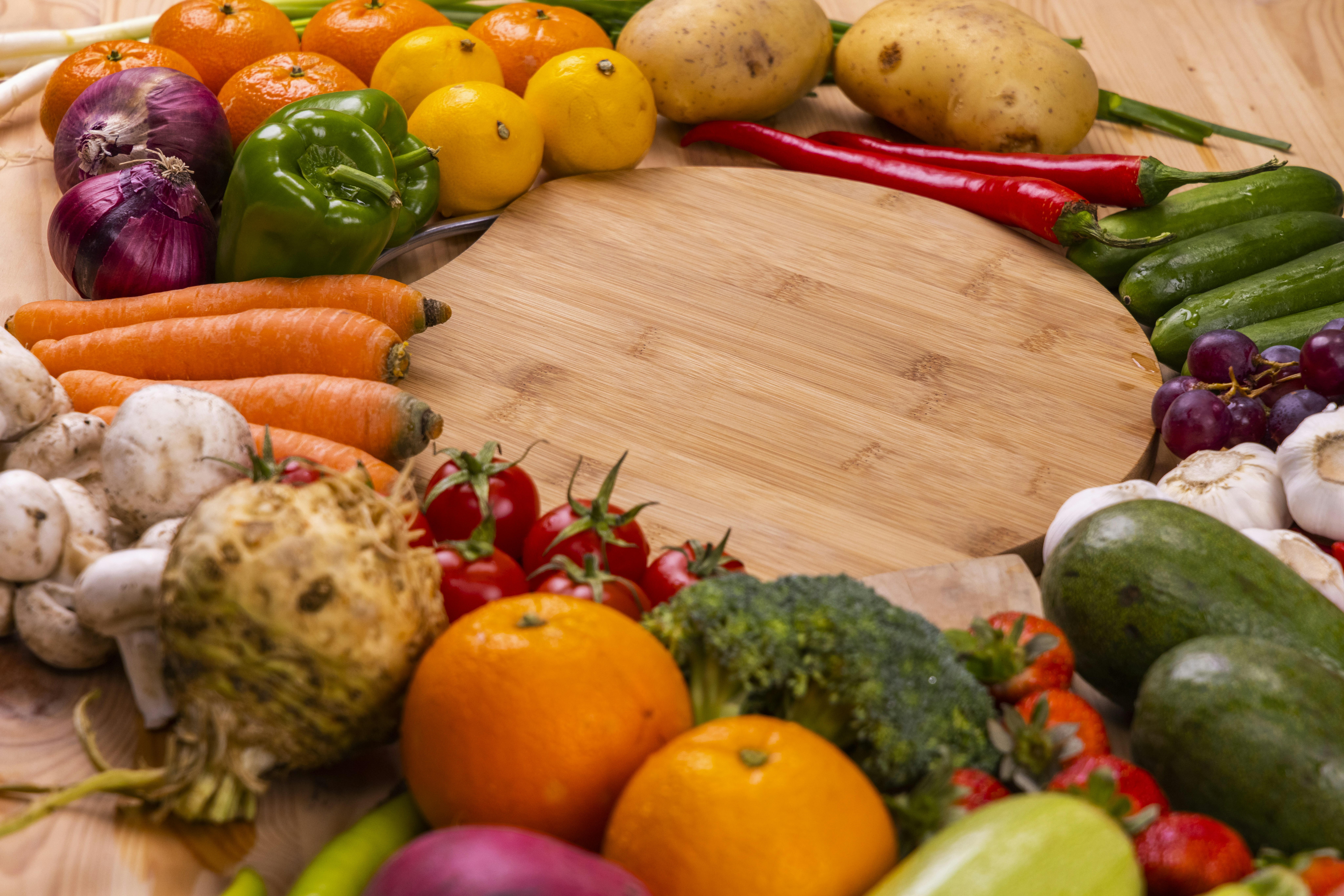
| Healthy Fats | Avocado, coconut oil, olive oil, nuts, seeds | Focus on unprocessed fats |
| Vegetables | Leafy greens (spinach, kale), zucchini, bell peppers | Low in carbs, high in fiber |
| Protein Sources | Tofu, tempeh, seitan, legumes in moderation (black soybeans) | Choose higher-fat options |
| Dairy Alternatives | Coconut yogurt, almond milk, nutritional yeast | Look for unsweetened options |
Essential Nutrients on a Plant-Based Keto Diet
While you enjoy your plant-based ketogenic journey, it’s crucial to ensure you get all the necessary nutrients. A balanced diet prevents deficiencies and promotes overall health.
Macronutrients
- Fats: Emphasize healthy fats from sources like avocados, nuts, seeds, and coconut products.
- Carbohydrates: Keep these low, focusing primarily on non-starchy vegetables.
- Proteins: Plant proteins can come from tofu, tempeh, and certain legumes, keeping portion sizes in mind.
Micronutrients
Plant-based diets can sometimes lack certain vitamins and minerals. Here are specific nutrients to watch:
- Vitamin B12: This is crucial for vegetarians and vegans since it’s primarily found in animal products. Consider fortified foods or a supplement.
- Iron: While plant-based sources include spinach and lentils, iron from plants is not absorbed as well as from meat. Consuming vitamin C-rich foods can help enhance absorption.
- Calcium: Get your calcium from fortified plant milks, tofu, and leafy greens.
- Omega-3 Fatty Acids: Flaxseeds, chia seeds, and walnuts can help meet this essential fat requirement.
Meal Planning for Plant-Based Keto
Thinking about what to eat while staying on track? Creating a weekly meal plan is a fantastic way to ensure variety and meet all your nutritional needs.
Sample Meal Plan
Here’s a simple one-day meal plan to kick-start your plant-based ketogenic diet:
| Meal | Foods Included |
|---|---|
| Breakfast | Chia seed pudding made with almond milk and topped with berries |
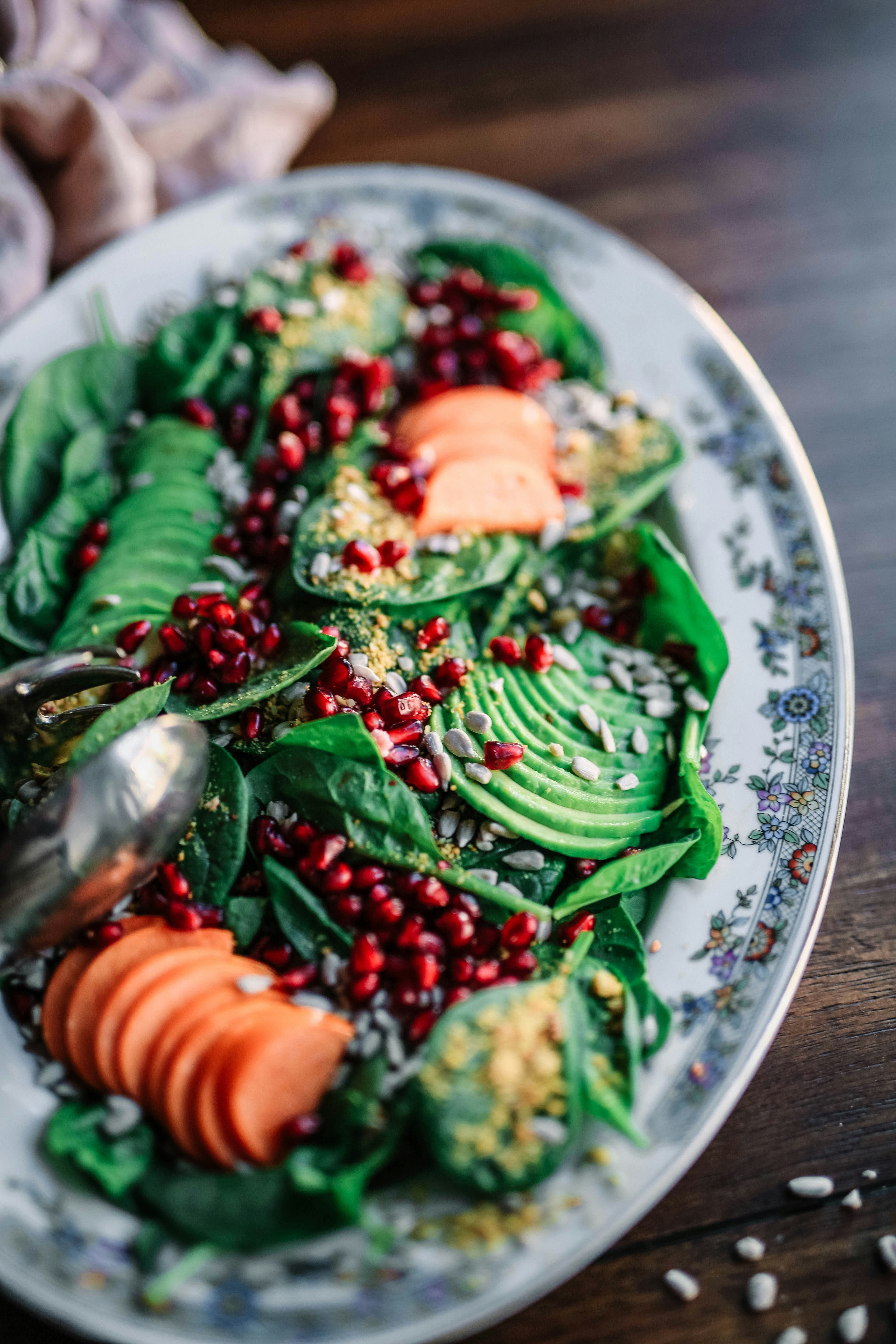
| Lunch | Spinach salad with avocado, sunflower seeds, and olive oil dressing |
| Snack | A handful of walnuts and a small serving of edamame |
| Dinner | Stir-fried tofu with zucchini noodles and sesame oil |
| Dessert | Coconut yogurt with unsweetened cocoa powder and a sprinkle of cinnamon |
Cooking Techniques for Plant-Based Keto
Cooking plays a significant role in your dietary success. With the right techniques, you can prepare delicious meals without compromising your keto goals.
Roasting and Sautéing
Roasting vegetables like Brussels sprouts, cauliflower, and zucchini with healthy fats like olive or avocado oil not only enhances their flavor but also helps meet your fat goals. Sautéing leafy greens with garlic and olive oil makes a quick and tasty side dish.
Blending and Smoothies
Smoothies can be an exceptional breakfast option. Blending spinach, avocado, almond milk, and a few berries can create a creamy, nutrient-packed meal while keeping carbs low.
Dehydrating and Sprouting
If you’re interested in raw foods, consider dehydrating vegetables and sprouting seeds. These methods can intensify flavors and preserve vital nutrients.
Snacking on a Plant-Based Keto Diet
Snack time doesn’t need to be dull! Staying keto-friendly while snacking can be delicious and satisfying with the right choices.
Ideas for Tasty Snacks
- Veggies and Dips: Cucumber or celery sticks paired with guacamole or almond butter can provide a satisfying crunch.
- Nuts and Seeds: A small handful of mixed nuts can keep hunger at bay while delivering healthy fats.
- Olives: A bowl of olives can be a great snack that’s rich in healthy fats.
- Nut-Based Cheese: Consider options made from cashews or almonds for a creamy snack.

Addressing Common Concerns
Switching to a plant-based ketogenic diet can raise questions or concerns, especially if this is your first experience with either diet.
Will I Get Enough Protein?
Many worry they won’t get enough protein on a plant-based diet, especially limited by keto. Focus on high-protein plant options—like tempeh and tofu—and ensure they are included in your meals most days.
Is it Sustainable Long Term?
Sustainability will depend on your individual lifestyle. Some people thrive on a plant-based keto approach and enjoy the variety. Keep experimenting with recipes and find what works best for you.
Listening to Your Body
As with any dietary change, it’s important to tune in to your body. Adapting to this new way of eating can take time, and you may experience some changes—good or bad—along the way.
Possible Side Effects
Adjusting to a low-carb diet may initially lead to “keto flu,” symptoms such as fatigue and irritability as your body adapts. Staying hydrated and maintaining your salt intake can help manage these effects.
Purposeful Eating
Be mindful of your eating. Focus on what your body, rather than your cravings, needs. This can foster a healthier relationship with food and promote overall well-being.

The Social Aspect of Eating
Eating is often a social experience, and maintaining dietary restrictions may be a challenge.
Navigating Social Situations
When attending events or gatherings, consider bringing your dishes to share. This way, you’ll know there’s something you can enjoy while introducing friends or family to delicious plant-based keto options.
Communicating Your Dietary Needs
Don’t hesitate to communicate your dietary preferences to others. Many people appreciate knowing how to accommodate your needs, making it easier to create inclusive meal experiences.
Tracking Progress
How will you know if this new dietary approach is working for you? Tracking your progress can be highly beneficial.
Keeping a Food Journal
By maintaining a food journal, you can keep an eye on your meals, monitor how you feel, and even track any changes in weight or health markers.
Setting Goals
Consider setting specific, achievable goals regarding your plant-based keto lifestyle. Whether it’s trying new recipes weekly or incorporating more diverse fruits and vegetables, having goals can keep you motivated.
Resources for Further Information
If you’re eager to learn more about the plant-based ketogenic lifestyle, numerous resources are available. Cookbooks, websites, and online communities can offer inspiration and support.
Recommended Cookbooks
- “Keto Vegan” by Liz MacDowell – A fantastic resource with delicious plant-based recipes designed for those on a keto diet.
- “Vegan Keto” by Anna Hunley – This book offers strategies and recipes for those wishing to combine the two diets effectively.
Online Resources
Consider checking out blogs, forums, or social media groups where like-minded individuals share tips and encouragement. Community support can enhance your journey and provide valuable information.
Final Thoughts
Embarking on a plant-based ketogenic path is not just about weight loss; it’s about embracing a lifestyle that promotes health, sustainability, and delicious food. With careful planning and a willingness to explore new flavors, you can thrive on this incredible journey.
So, are you ready to take the plunge into a deliciously satisfying plant-based ketogenic lifestyle? The possibilities are endless, and the health benefits await you at every turn!





