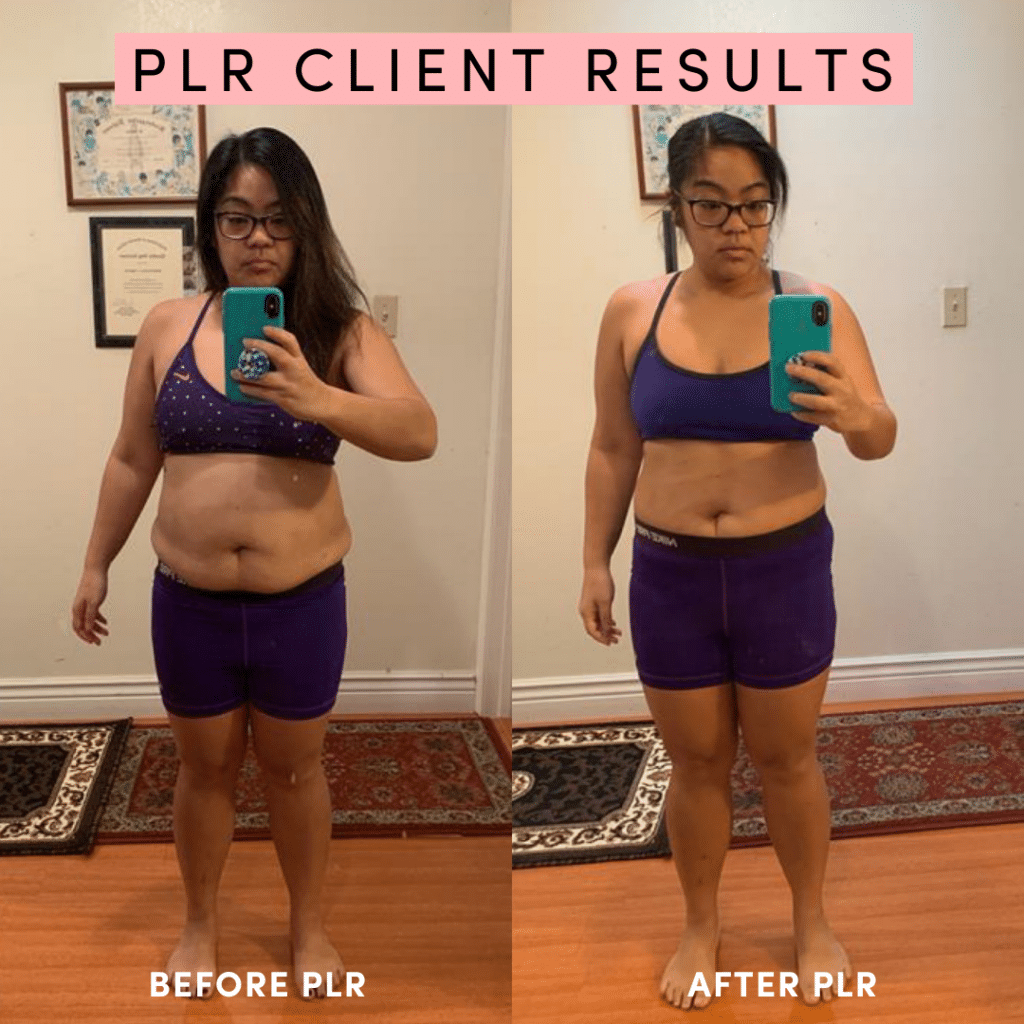
Are you tired of trying different weight loss methods without seeing any significant results? Look no further! In this article, you will discover the incredible benefits of the Keto diet for losing weight. The Keto diet, short for ketogenic diet, focuses on consuming foods that are low in carbohydrates and high in healthy fats. By following this diet, your body enters a state of ketosis, where it burns fat for fuel instead of carbohydrates. Say goodbye to those stubborn pounds and hello to a healthier, slimmer you with the Keto Lose Weight plan.
What is the Keto Diet?
Definition of the Keto Diet
The Keto Diet, short for ketogenic diet, is a high-fat, low-carbohydrate eating plan. The main objective of this diet is to switch the body’s primary source of fuel from carbohydrates to fat, thereby putting the body in a metabolic state known as ketosis. In ketosis, the body produces ketones from stored fat to be used as energy instead of relying on glucose from carbohydrates. The diet typically consists of high-fat foods such as meat, fish, eggs, cheese, and oils, while significantly reducing the intake of carbohydrates and minimizing the consumption of processed foods and sugars.
How the Keto Diet Works
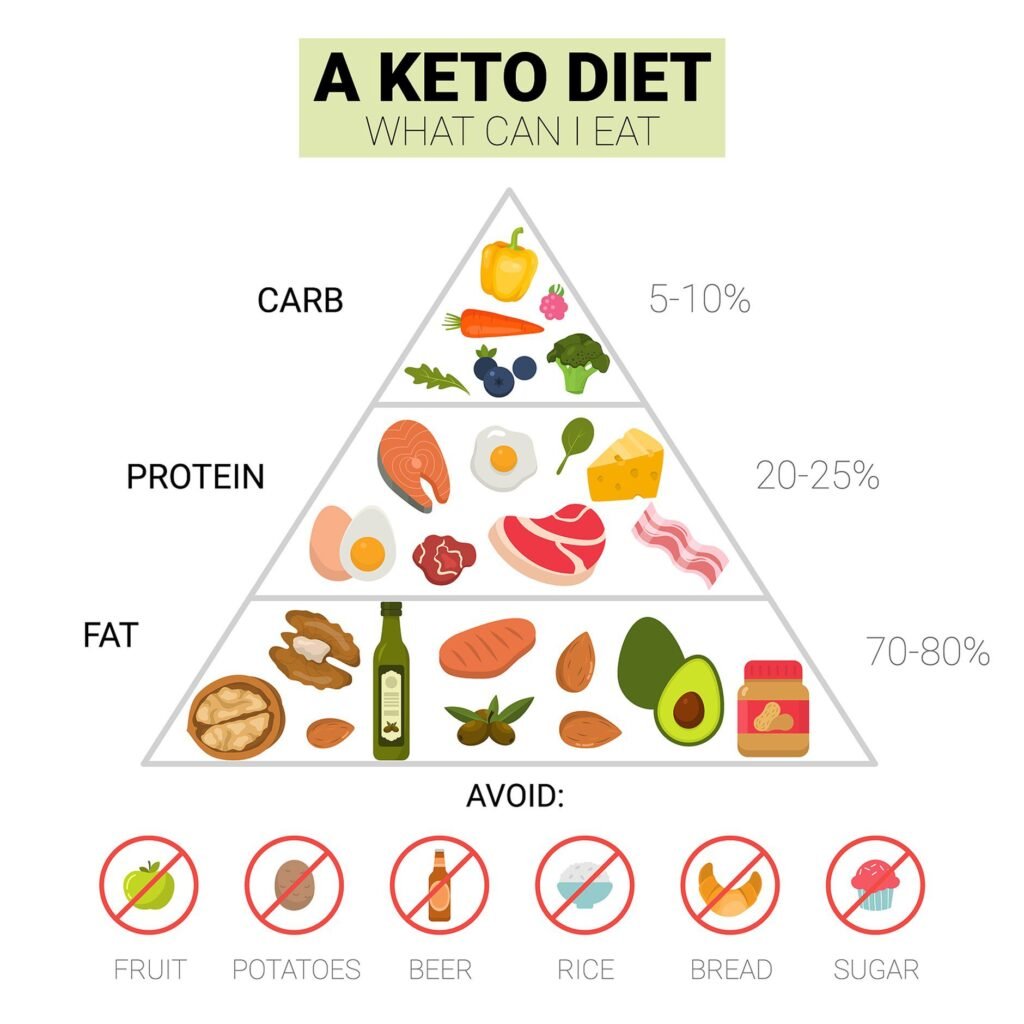
The Keto Diet works by drastically reducing carbohydrate intake, typically to fewer than 50 grams per day, and replacing those calories with fat. When carbohydrate intake is limited, the body has to find an alternative energy source. By consuming high amounts of fat and moderate amounts of protein, the body is forced to shift its metabolism to burn fat for energy. This metabolic shift leads to the production of ketones, which are derived from fat breakdown, that the body uses as fuel. The Keto Diet essentially reprograms the body to become highly efficient at burning fat instead of carbohydrates.
Benefits of the Keto Diet
Weight Loss
One of the primary benefits of the Keto Diet is its ability to promote weight loss. By minimizing carbohydrate intake, the body is forced to burn stored fat for energy, resulting in a reduction in overall body fat. Additionally, the Keto Diet helps control hunger and reduce appetite, making it easier to adhere to a calorie deficit, which is necessary for weight loss.
Increased Energy Levels
Many individuals on the Keto Diet report experiencing increased energy levels. This can be attributed to the fact that fat is a more sustainable and efficient source of fuel compared to carbohydrates. When the body becomes adapted to burning fat for energy, it can provide a steady supply of energy without the energy crashes often associated with a high-carbohydrate diet.
Improved Mental Focus
The Keto Diet has also been linked to improved mental focus and clarity. Ketones, which are produced during ketosis, can cross the blood-brain barrier and serve as an alternative fuel source for the brain. This can lead to enhanced cognitive function, increased mental clarity, and improved concentration.
Reduced Appetite
Another benefit of the Keto Diet is its impact on appetite control. By consuming a higher proportion of fat and protein, which are more satiating than carbohydrates, individuals on the Keto Diet often experience a reduction in appetite and cravings. This can be particularly helpful for those trying to maintain a calorie deficit and stick to their weight loss goals.
Lowered Blood Sugar and Insulin Levels
The Keto Diet has shown promise in improving blood sugar control and insulin sensitivity. By limiting carbohydrate intake, the body reduces its reliance on glucose for energy, resulting in lower blood sugar levels. Additionally, ketones produced during ketosis have been shown to have a stabilizing effect on insulin levels, which is beneficial for individuals with insulin resistance or type 2 diabetes.
Keto and Weight Loss
Mechanism of Weight Loss on the Keto Diet
The Keto Diet promotes weight loss through several mechanisms. First, by significantly reducing carbohydrate intake, the body is pushed into a state of ketosis, where it relies on fat for fuel instead of carbohydrates. This shift in metabolism leads to a greater breakdown of stored body fat, resulting in weight loss.
Reduced Carbohydrate Intake
One of the key factors of the Keto Diet is its restriction of carbohydrates. By consuming fewer carbohydrates, the body has to rely on alternative fuel sources, such as fat. This reduction in carbohydrate intake helps regulate blood sugar levels, minimize insulin spikes, and promotes fat burning.
Promoting Ketosis
To achieve weight loss on the Keto Diet, it is essential to promote and maintain a state of ketosis. This is achieved by consistently following the prescribed macronutrient ratios, which typically include high-fat, moderate-protein, and low-carbohydrate foods. By adhering to these dietary guidelines, the body adapts to using fat as its primary source of energy, leading to increased fat burning and weight loss.
Increased Fat Burning
The primary goal of the Keto Diet is to increase fat burning within the body. By consuming high amounts of dietary fat, the body becomes efficient at breaking down and utilizing stored fat as fuel. This leads to a reduction in overall body fat and promotes weight loss.
Preservation of Muscle Mass
One of the advantages of the Keto Diet is its ability to preserve muscle mass during weight loss. By consuming an adequate amount of protein and engaging in resistance training exercises, individuals can maintain or even build muscle while losing fat. This is beneficial for overall body composition and metabolism.
Getting Started on the Keto Diet
Consultation with a Healthcare Professional
Before starting the Keto Diet, it is recommended to consult with a healthcare professional or registered dietitian who can provide guidance and ensure that the diet is suitable for your specific needs and health conditions. They can help assess any potential risks or concerns and provide personalized recommendations.
Understanding Macros and Tracking Macros
Macros, short for macronutrients, are the three main components of the Keto Diet: fat, protein, and carbohydrates. Understanding how to calculate and track your macros is essential for success on the diet. There are various online tools and apps available that can help you determine your daily macronutrient goals based on your specific needs and weight loss goals.
Planning Meals and Snacks
Meal planning is an integral part of the Keto Diet. This involves preparing meals and snacks in advance to ensure you have a variety of keto-friendly options readily available. Planning your meals can help you stay on track and avoid reaching for high-carbohydrate convenience foods when hunger strikes.
Including Healthy Fats in the Diet
Healthy fats are a crucial component of the Keto Diet. These include foods such as avocados, nuts, seeds, olive oil, and coconut oil. Incorporating these healthy fats into your meals can help meet your daily fat intake goals and provide essential nutrients. It’s important to focus on quality sources of fat and avoid processed or unhealthy fats.
Staying Hydrated
Proper hydration is key to overall health and well-being, especially when following the Keto Diet. Drinking an adequate amount of water throughout the day can help prevent dehydration and support optimal bodily functions. It is recommended to drink at least eight cups of water per day, or more if you are physically active or live in a hot climate.
Monitoring Ketone Levels
Monitoring ketone levels is not necessary for everyone on the Keto Diet, but some individuals may find it helpful to track their ketone levels to ensure they are in a state of ketosis. There are ketone testing strips and blood monitors available that can provide an indication of ketone levels. However, it’s important to note that the presence of ketones does not necessarily guarantee weight loss or the effectiveness of the diet.

Common Foods to Include on the Keto Diet
Meat and Poultry
Meat and poultry are excellent sources of protein and healthy fats, making them ideal choices for the Keto Diet. Options such as beef, chicken, pork, and lamb are allowed on the diet, as long as they are not breaded or coated with high-carb ingredients. It is important to choose lean cuts of meat and poultry whenever possible to limit excessive saturated fat intake.
Fatty Fish and Seafood
Fatty fish, such as salmon, mackerel, and sardines, are rich in omega-3 fatty acids and provide a good source of protein. Seafood options like shrimp, crab, and lobster are also low in carbohydrates and high in essential nutrients. Including these foods in your diet can contribute to a well-rounded and balanced keto meal plan.
Eggs and Dairy Products
Eggs are a staple on the Keto Diet due to their high protein and fat content. They can be prepared in various ways, such as scrambled, fried, or used in omelets. Dairy products like cheese, butter, and heavy cream are also commonly consumed on the Keto Diet. However, it’s important to choose full-fat dairy options and avoid those with added sugars or hidden carbohydrates.
Nuts and Seeds
Nuts and seeds are great snack options for the Keto Diet, as they provide healthy fats and essential nutrients. Options such as almonds, walnuts, chia seeds, and flaxseeds are low in carbohydrates and can be enjoyed in moderation. It’s important to be mindful of portion sizes, as nuts and seeds are calorie-dense.
Low-Carb Vegetables
Vegetables are an important part of a well-balanced Keto Diet, as they provide essential vitamins, minerals, and dietary fiber. Low-carb vegetable options include leafy greens like spinach and kale, cruciferous vegetables such as broccoli and cauliflower, as well as zucchini, bell peppers, and asparagus. These vegetables can be consumed in generous amounts to promote overall health and maintain a state of ketosis.
Healthy Oils and Fats
Healthy oils and fats play a crucial role in the Keto Diet. Olive oil, coconut oil, and avocado oil are popular choices due to their high-fat content and beneficial health properties. These oils can be used for cooking, dressing salads, or adding flavor to meals. It is important to prioritize healthy sources of fat and avoid processed or hydrogenated oils.
Foods to Avoid on the Keto Diet
Processed Foods and Sugars
Processed foods and sugars should be avoided on the Keto Diet. These include items such as sugary beverages, candies, sweets, pastries, and packaged snack foods. These foods are typically high in carbohydrates and can easily derail ketosis and hinder weight loss efforts.
Grains and Starchy Vegetables
Grains and starchy vegetables are also off-limits on the Keto Diet due to their high carbohydrate content. This includes foods such as bread, pasta, rice, potatoes, corn, and legumes. These foods can spike blood sugar levels and prevent the body from entering into ketosis.
Fruit and High-Sugar Foods
While fruit is a natural and nutritious food, it is limited on the Keto Diet due to its sugar content. Fruits such as bananas, grapes, and tropical fruits are higher in carbohydrates and should be consumed in moderation or avoided altogether. It is important to choose lower-sugar options such as berries when incorporating fruit into your keto meal plan.
Beans and Legumes
Beans and legumes are carbohydrate-rich foods that are not suitable for the Keto Diet. This includes foods like chickpeas, lentils, black beans, and kidney beans. While these foods are generally considered healthy, they are high in carbohydrates and can disrupt ketosis.
Alcohol
Alcohol is generally discouraged on the Keto Diet due to its high carbohydrate content and potential to hinder weight loss. Alcoholic beverages such as beer, wine, and cocktails are often high in sugar and can contribute to an increased caloric intake. However, if consumed in moderation, certain low-carb alcoholic options like dry wines and spirits may be allowed in small quantities.
Tips for Success on the Keto Diet
Gradual Transition into Ketosis
When starting the Keto Diet, it is often recommended to gradually reduce carbohydrate intake over a period of a few weeks. This allows the body to adapt more easily to using fat for fuel and helps minimize potential side effects such as the “keto flu.” By slowly reducing carbohydrates, the transition into ketosis may be smoother and more sustainable.
Managing Keto Flu
The “keto flu” refers to a collection of symptoms that some individuals may experience when starting the Keto Diet. These symptoms can include fatigue, headaches, nausea, and irritability. To help manage these symptoms, it is important to stay hydrated, replenish electrolytes, and ensure adequate intake of essential nutrients through a well-balanced keto meal plan.
Regular Physical Activity
Incorporating regular physical activity into your routine can enhance the effectiveness of the Keto Diet. Exercise can help support weight loss by increasing calorie expenditure, improving insulin sensitivity, and promoting overall health. Engaging in a combination of cardiovascular exercise and strength training is recommended for optimal results.
Seeking Support and Accountability
Embarking on a new diet can be challenging, which is why seeking support and accountability can be beneficial. Joining a keto-oriented community or finding a diet buddy can provide motivation, resources, and tips for success. Having someone to share your progress and challenges with can help keep you motivated and on track toward your weight loss goals.
Meal Prepping and Planning
Meal prepping and planning can significantly simplify the adherence to the Keto Diet. Setting aside a designated time each week to plan and prepare meals in advance can save time, reduce decision fatigue, and ensure you always have keto-friendly options readily available. This can help prevent impulsive food choices and support consistency.
Adapting Recipes to Fit the Keto Diet
Adapting recipes to fit the Keto Diet is an essential skill to develop. Many traditional recipes can be modified to be low-carb and keto-friendly by substituting high-carbohydrate ingredients with healthier alternatives. For example, using almond flour instead of wheat flour or replacing sugar with natural sweeteners like stevia or erythritol. There are numerous online resources and cookbooks available with keto-friendly recipes to help inspire creativity in the kitchen.
Potential Side Effects of the Keto Diet
Keto Flu
As previously mentioned, the “keto flu” is a common side effect when starting the Keto Diet. It is characterized by symptoms such as fatigue, headaches, brain fog, and irritability. These symptoms are typically short-term and can be managed by staying hydrated, replenishing electrolytes, and gradually reducing carbohydrate intake.
Digestive Issues
Some individuals may experience digestive issues when transitioning to the Keto Diet. This can include symptoms such as constipation, diarrhea, or an upset stomach. Drinking plenty of water, consuming an adequate amount of fiber from low-carb vegetables, and incorporating sources of healthy fats can help alleviate these digestive issues.
Dehydration
The Keto Diet can cause increased water loss initially, which may lead to dehydration if not properly addressed. It is important to drink enough water throughout the day to stay properly hydrated. Adding a pinch of salt to water or consuming electrolyte-rich beverages can also help maintain electrolyte balance.
Nutrient Deficiencies
Due to the restrictive nature of the Keto Diet, it is possible to develop certain nutrient deficiencies if the diet is not properly planned and varied. For example, the diet is naturally low in certain vitamins and minerals found in fruits, starchy vegetables, and whole grains. It is important to ensure you are consuming a wide variety of nutrient-dense foods and consider supplementation if necessary.
Combining Keto with Exercise
Benefits of Exercise on the Keto Diet
Incorporating exercise into your routine while following the Keto Diet can provide numerous benefits. Exercise supports weight loss by increasing calorie expenditure and promoting fat burning. It also helps preserve muscle mass, improves overall fitness levels, enhances mood, and contributes to overall health and well-being.
Types of Exercises to Incorporate
A combination of cardiovascular exercise and strength training is recommended when combining exercise with the Keto Diet. Cardiovascular exercises such as walking, running, cycling, or swimming can help boost calorie burn and improve cardiovascular health. Strength training exercises, such as lifting weights or bodyweight exercises, help build and maintain muscle mass while targeting specific muscle groups.
Timing of Meals and Exercise
The timing of meals and exercise can impact energy levels and performance during workouts. Some individuals may prefer to consume a small meal or snack containing both protein and carbohydrates prior to exercise for immediate fuel. Others may prefer to exercise in a fasted state, relying on stored body fat for energy. Experimenting with different approaches can help determine what works best for your body.
Pre and Post-Workout Nutrition
Fueling your body properly before and after a workout is important, especially when following the Keto Diet. Prior to a workout, consuming a small meal or snack containing both protein and carbohydrates can help provide immediate energy and promote muscle protein synthesis. After a workout, replenishing glycogen stores and supporting muscle recovery with a balanced meal or snack that includes protein is recommended.
Long-Term Sustainability of the Keto Diet
Challenges and Pitfalls
While the Keto Diet can be effective for weight loss and other health benefits, it’s important to consider the potential challenges and pitfalls. The restrictive nature of the diet may make it difficult to adhere to in social situations or when dining out. It may also be challenging to meet specific nutrient needs and maintain long-term sustainability.
Balancing Macronutrients
Balancing macronutrients is essential for long-term success on the Keto Diet. It is important to ensure an adequate intake of healthy fats, moderate protein, and very low carbohydrates. Balancing these macronutrients can help maintain ketosis, support overall health, and prevent potential nutrient deficiencies.
Cyclic Keto Diet
For some individuals, a cyclic keto diet may be a more sustainable approach. This involves cycling in and out of ketosis by incorporating periods of higher carbohydrate intake. This can help provide flexibility and prevent some of the challenges associated with long-term adherence to a strict ketogenic diet.
Transitioning to a Balanced Diet
At some point, individuals may choose to transition from the Keto Diet to a more balanced and less restrictive eating plan. This transition should be gradual and based on individual goals and preferences. Reintroducing carbohydrates into the diet in a controlled manner and focusing on whole, nutrient-dense foods can help ensure a smooth transition and continued success in maintaining a healthy lifestyle.
In summary, the Keto Diet is a high-fat, low-carbohydrate eating plan that works by forcing the body to rely on fat for fuel, leading to weight loss and other health benefits. By understanding the benefits, mechanisms, and potential side effects of the diet, as well as implementing strategies for success, individuals can effectively lose weight and improve their overall well-being. As with any diet or lifestyle change, it is important to consult with a healthcare professional or registered dietitian before starting the Keto Diet to ensure it is appropriate for your specific needs and health conditions.