
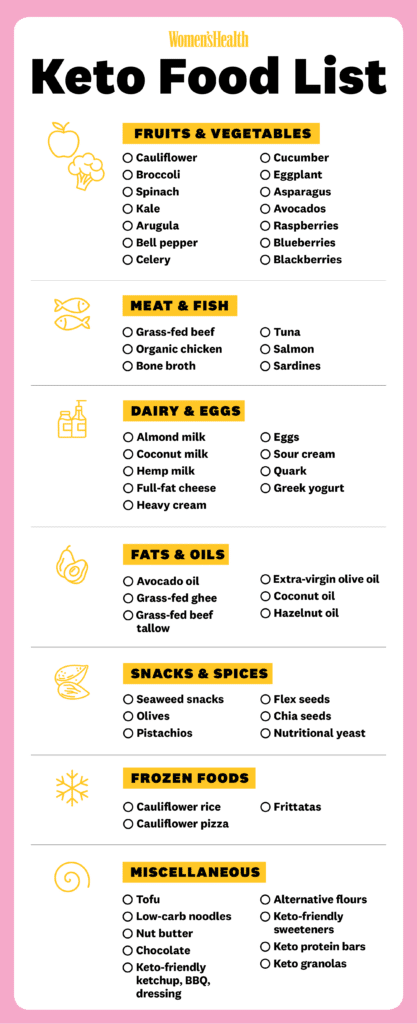
Hey there! So, you’re considering starting the keto diet, huh? Well, look no further, because we’ve got you covered with a handy list of keto-friendly foods for beginners like yourself. Whether you’re new to the concept of the keto diet or just need a little refresher, this article will give you a concise rundown of the foods you can enjoy while following this low-carb, high-fat eating plan. So, let’s dive right in and make your journey into the world of keto a breeze!
Keto Diet Foods List For Beginners
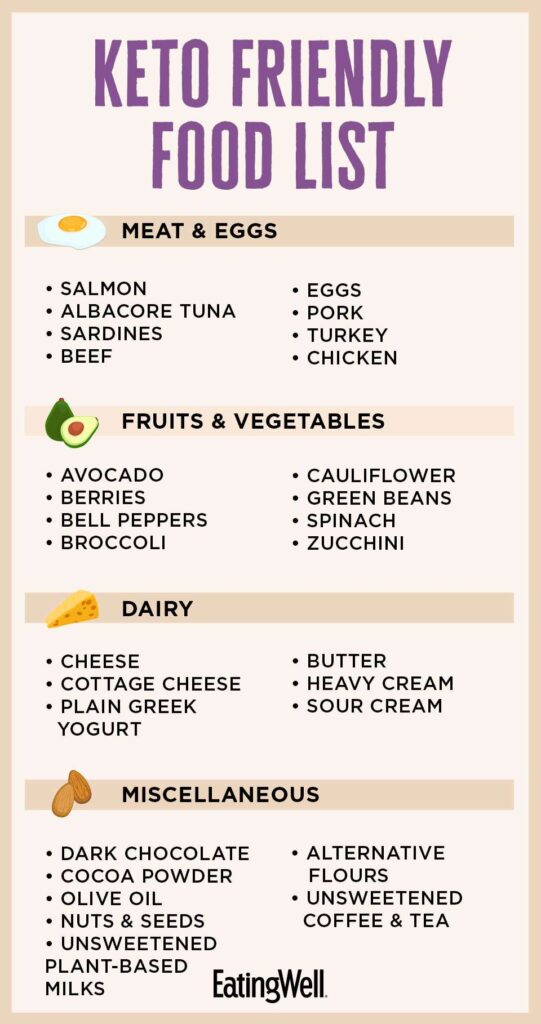
Understanding the Keto Diet
The Keto Diet, short for ketogenic diet, is a low-carb, high-fat diet that has gained popularity in recent years. It focuses on reducing carbohydrate intake and replacing it with fats. By doing so, the body enters a state of ketosis, where it relies on ketones (fat molecules) for fuel instead of glucose (sugar).
Benefits of the Keto Diet
The Keto Diet offers numerous benefits for those who follow it diligently. Here are some of the key advantages:
Weight Loss
One of the primary benefits of the Keto Diet is its ability to promote weight loss. By drastically reducing carbohydrate intake and increasing fat consumption, the body enters a state of ketosis, where it starts burning stored fat for energy. This can lead to effective and sustainable weight loss over time.
Increased Energy Levels
When following the Keto Diet, your body becomes efficient at utilizing fat as an energy source. This can result in increased energy levels throughout the day, as fat is a more sustainable source of fuel compared to carbohydrates, which can lead to blood sugar spikes and crashes.
Enhanced Mental Clarity
Many people on the Keto Diet report improved mental clarity and focus. This can be attributed to the stable energy levels provided by fats, as well as the reduced inflammation associated with a low-carb diet.
Reduced Inflammation
The Keto Diet has been shown to have anti-inflammatory effects on the body. By reducing the consumption of inflammatory foods such as processed carbohydrates and refined sugars, individuals on the Keto Diet may experience a decrease in inflammation throughout their body.
Improved Blood Sugar Control
For individuals with diabetes or those at risk of developing it, the Keto Diet can be beneficial in managing blood sugar levels. By minimizing carbohydrate intake, the diet helps regulate insulin levels and potentially improve insulin sensitivity.
Lowered Blood Pressure
High blood pressure is a risk factor for many chronic diseases. The Keto Diet, with its focus on healthy fats, lean proteins, and low-carb vegetables, can help lower blood pressure levels and promote overall cardiovascular health.
Reduced Risk of Heart Disease
By promoting weight loss, controlling blood sugar and blood pressure levels, and reducing inflammation, the Keto Diet can significantly reduce the risk of heart disease. However, it is essential to focus on consuming healthy fats and lean proteins rather than excessive amounts of saturated fats.
Preparing for the Keto Diet
Before starting the Keto Diet, it is essential to make some preparations to ensure a successful transition. Here are some steps to get you started:
Setting Realistic Goals
Begin by setting realistic goals for yourself. Evaluate your current eating habits and determine what changes you need to make to align with the Keto Diet principles. Setting achievable goals will help you stay motivated throughout your journey.
Calculating Macronutrient Ratios
To successfully follow the Keto Diet, you should calculate your macronutrient ratios. These ratios comprise a high fat, moderate protein, and low carbohydrate intake. Typically, the ideal macronutrient ratio for the Keto Diet is around 70-75% fat, 20-25% protein, and 5-10% carbohydrates.
Planning Keto Meals
Plan your meals in advance to ensure you have a variety of healthy options available throughout the week. Consider incorporating a mix of fatty fish, poultry, meat, eggs, tofu, and tempeh as protein sources, along with a wide selection of low-carb vegetables.
Meal Prepping and Grocery Shopping Tips
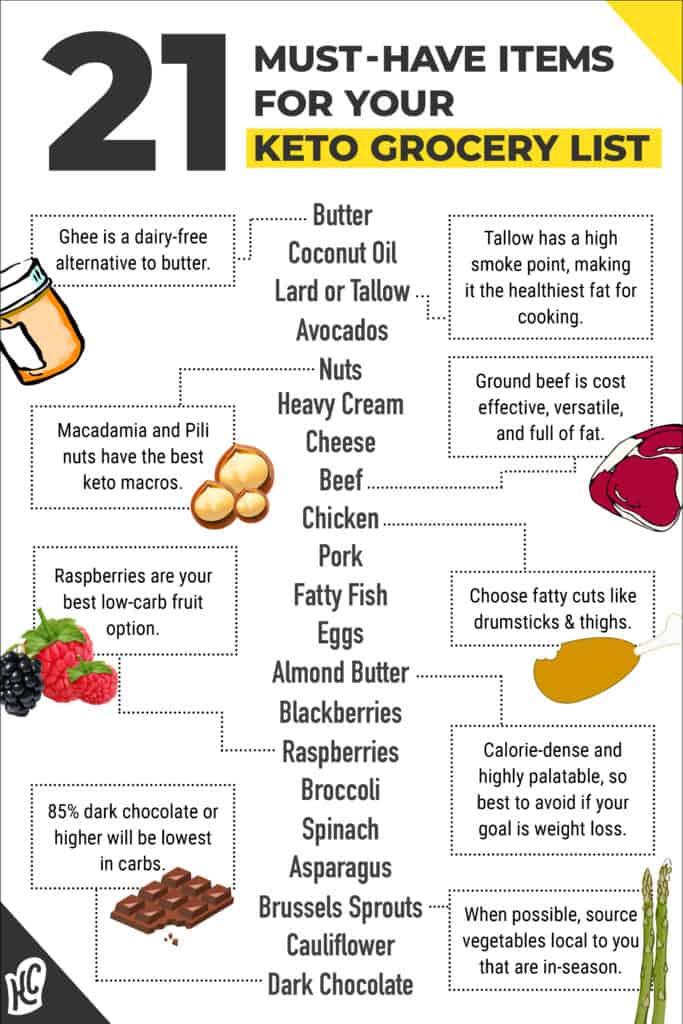
Prepping your meals in advance can save you time and ensure that you stick to the Keto Diet. Plan your meals for the week, create a grocery list, and shop for high-quality ingredients that align with the diet’s principles. Stock up on keto-friendly fats and oils, low-carb vegetables, and adequate protein sources.
Tracking Food Intake and Ketone Levels
Keep track of your food intake and ketone levels to monitor your progress and make necessary adjustments. Several mobile apps and websites can help you track your food intake, macronutrient distribution, and ketone levels, allowing you to stay on track and optimize your results.
Keto-Friendly Protein Sources
Protein is an essential macronutrient that plays a crucial role in building and repairing tissues, supporting immune function, and promoting satiety. Here are some keto-friendly protein sources to incorporate into your diet:
Fatty Fish
Fatty fish, such as salmon, mackerel, and sardines, are excellent sources of protein and heart-healthy omega-3 fatty acids. These fish are low in carbs, making them perfect for the Keto Diet.
Poultry
Chicken and turkey are lean sources of protein and can be enjoyed on the Keto Diet. Opt for skinless cuts to reduce saturated fat intake.
Meat
Meat, such as beef, pork, and lamb, are rich in protein and can be included in a well-rounded ketogenic meal plan. Opt for grass-fed and organic options whenever possible.
Eggs
Eggs are a versatile and affordable source of protein. They can be consumed in various ways, including boiled, scrambled, or incorporated into dishes such as omelets.
Tofu and Tempeh
For vegetarians and vegans, tofu and tempeh are excellent sources of protein. They can be marinated and cooked to add flavor and texture to meals.
Nuts and Seeds
Nuts and seeds, such as almonds, walnuts, chia seeds, and flaxseeds, provide a healthy dose of protein and healthy fats. They make for a convenient and nutritious snack or can be sprinkled on salads or incorporated into recipes.
Plant-Based Protein Powder
If you struggle to meet your protein needs through whole foods alone, consider incorporating plant-based protein powder into your diet. Options such as pea, hemp, or brown rice protein powder can be mixed into smoothies or used in baking recipes.
Keto-Friendly Fats and Oils
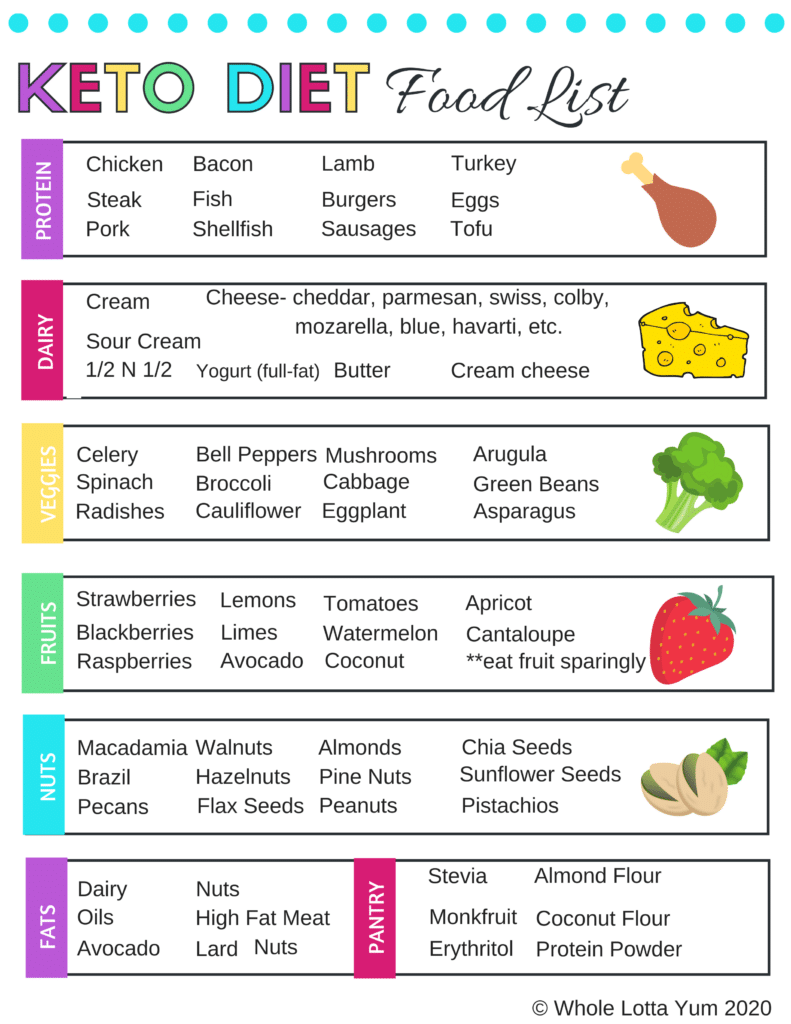
On the Keto Diet, healthy fats and oils serve as a primary source of energy. Here are some keto-friendly fats and oils to include in your diet:
Avocados and Avocado Oil
Avocados are a nutritional powerhouse, packed with healthy fats, fiber, and various vitamins and minerals. Use avocado oil for cooking or drizzle it on salads as a healthy fat option.
Coconut Oil
Coconut oil is rich in medium-chain triglycerides (MCTs), which can be rapidly converted into ketones by the liver. It is an excellent source of fat for those on the Keto Diet.
Olive Oil
Olive oil is a staple in the Mediterranean diet and is also suitable for the Keto Diet. It is high in monounsaturated fats, which have been linked to various health benefits.
Butter and Ghee
Butter and ghee are classic ingredients in many keto recipes. They add flavor and richness and are excellent sources of saturated fat.
Nuts and Nut Butters
Nuts and nut butters, such as almonds, macadamia nuts, and peanut butter, can provide healthy fats and nutrients. However, be mindful of portion sizes, as they are calorie-dense.
Seeds and Seed Oils
Seeds like chia, flaxseeds, and hemp seeds are packed with healthy fats and can be easily incorporated into various meals and snacks. Seed oils, such as flaxseed oil or hemp seed oil, can also be used for cooking and dressing.
Low-Carb Vegetables
When following the Keto Diet, it is essential to include low-carb vegetables to provide essential nutrients, fiber, and micronutrients. Here are some examples of low-carb vegetables to enjoy on the Keto Diet:
Leafy Greens
Leafy greens, such as spinach, kale, and lettuce, are low in carbs and rich in vitamins, minerals, and antioxidants. They can be enjoyed in salads, sautéed as a side dish, or added to smoothies.
Cruciferous Vegetables
Broccoli, cauliflower, Brussels sprouts, and cabbage are all examples of cruciferous vegetables that are low in carbs and high in fiber. They can be roasted, sautéed, or enjoyed raw in salads.
Cucumbers
Cucumbers are hydrating and refreshing, making them a great addition to salads or enjoyed as a snack. They are low in carbs and high in water content.
Zucchini
Zucchini is a versatile vegetable that can be spiralized to make low-carb pasta alternatives or simply sautéed as a side dish.
Bell Peppers
Bell peppers are colorful and packed with vitamins and antioxidants. Enjoy them raw with dips, roasted, or sautéed in stir-fries.
Mushrooms
Mushrooms are low in carbs and can add depth of flavor to any dish. Enjoy them in soups, stir-fries, or as a meat substitute in vegetarian recipes.
Asparagus
Asparagus is a nutrient-dense vegetable that is low in carbs and high in fiber. It can be roasted, grilled, or sautéed as a delicious side dish.
Celery
Celery is a crunchy and hydrating vegetable that is low in carbs and can be enjoyed as a snack or added to soups and salads.
Green Beans
Green beans are low in carbs and high in fiber, making them an excellent choice for the Keto Diet. Enjoy them steamed, sautéed, or roasted.
Fruits with Low Net Carbs
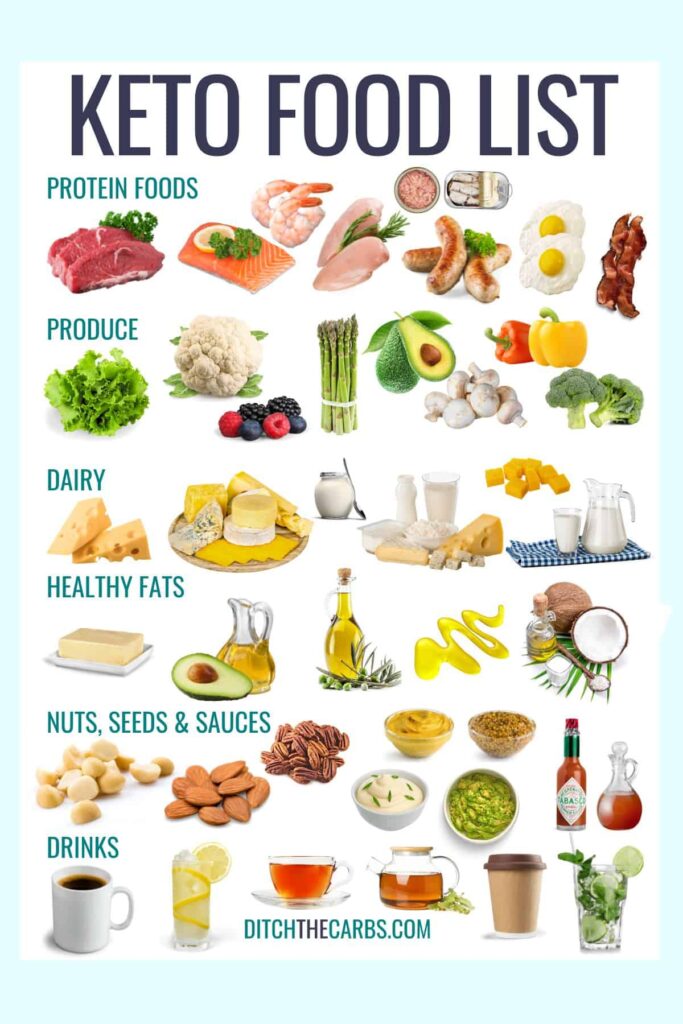
Although fruits are generally higher in carbs compared to vegetables, some fruits can still be enjoyed on the Keto Diet if consumed in moderation. Here are some fruits with low net carb counts:
Berries
Berries, such as strawberries, blueberries, raspberries, and blackberries, are relatively low in carbs and rich in fiber, antioxidants, and vitamins. Enjoy them as a topping on Greek yogurt or as a sweet addition to smoothies.
Tomatoes
Tomatoes are technically a fruit and can be enjoyed on the Keto Diet. They are low in carbs and contain essential nutrients like lycopene, vitamin C, and potassium.
Lemons and Limes
Lemons and limes are low in carbs and can add a refreshing citrus flavor to dishes and beverages. Squeeze them into water, use their zest in recipes, or incorporate their juice into salad dressings.
Coconut
Coconut, in its various forms such as coconut meat, coconut milk, and coconut oil, can be included in the Keto Diet. It provides healthy fats and adds a tropical flavor to dishes.
Olives
Olives are a source of healthy monounsaturated fats and can be enjoyed as a snack or added to salads and Mediterranean-inspired dishes.
Rhubarb
Rhubarb is a unique vegetable but is often used in sweet dishes. It is low in carbs and can be enjoyed in keto-friendly desserts or simply stewed and served with a dollop of whipped cream.
Keto-Friendly Dairy Products
Dairy products can be incorporated into the Keto Diet, but it is essential to choose full-fat options and be mindful of your carbohydrate intake. Here are some keto-friendly dairy products:
Full-Fat Cheese
Full-fat cheese, such as cheddar, mozzarella, and goat cheese, can be included in the Keto Diet. They are low in carbs and high in protein and fat.
Greek Yogurt
Greek yogurt is a good source of protein and healthy fats. Opt for full-fat versions and avoid flavored varieties that may contain added sugars.
Heavy Cream
Heavy cream is a keto-friendly dairy option that can be used in coffee, teas, sauces, and various recipes. It adds richness and flavor without adding significant carbs.
Butter
Butter is a staple in many keto recipes and can be used for cooking and baking. Choose unsalted butter made from grass-fed cows for higher nutrient content.
Cream Cheese
Cream cheese is a versatile dairy product that can be used in both sweet and savory keto recipes. It is delicious in cheesecakes, low-carb desserts, or as a spread.
Sour Cream
Sour cream can be used as a topping or a creamy ingredient in keto recipes. Choose full-fat, no-sugar-added versions for the best results.
Condiments and Seasonings
Condiments and seasonings can elevate the flavors of your keto meals without adding excessive carbs. Here are some keto-friendly options:
- Mayonnaise (choose full-fat, no-sugar-added versions)
- Mustard (avoid sweetened varieties)
- Hot sauce
- Tamari or soy sauce (choose low-sodium options)
- Vinegar (such as apple cider vinegar or balsamic vinegar)
- Herbs and spices (including basil, oregano, garlic powder, and turmeric)
- Salt and pepper
Keto-Friendly Snacks and Beverages
Sticking to the Keto Diet doesn’t mean you have to give up snacks and beverages entirely. Here are some keto-friendly options to satisfy your cravings:
Nuts and Seeds
Nuts and seeds, such as almonds, walnuts, pecans, and pumpkin seeds, make for convenient and satisfying snacks. Just be mindful of portion sizes, as they are calorie-dense.
Cheese Crisps
Cheese crisps are crispy, savory snacks made from melted cheese. They are low in carbs and high in fat, making them an ideal choice for the Keto Diet.
Hard-Boiled Eggs
Hard-boiled eggs are a portable snack packed with protein and healthy fats. They can be prepared in advance and enjoyed on the go.
Beef Jerky
Choose beef jerky made from high-quality, lean cuts of meat without added sugars or preservatives. It is a flavorful and protein-rich snack option.
Sugar-Free Jello
Sugar-free jello is a low-calorie treat that can satisfy your sweet tooth while keeping you in ketosis. Look for brands that use sugar substitutes like stevia or erythritol.
Keto Smoothies
Keto smoothies can be made by blending high-fat ingredients like avocados, coconut milk, nut butter, and low-carb fruits like berries. They make for a delicious and filling snack or meal replacement.
Bulletproof Coffee
Bulletproof coffee, also known as keto coffee, is made by blending coffee with grass-fed butter and MCT oil. It provides a boost of energy and healthy fats to keep you satiated.
Water and Herbal Tea
Staying hydrated is crucial on the Keto Diet. Water, both still and sparkling, should be the primary beverage of choice. Additionally, herbal teas are carb-free and can offer a variety of flavors to enjoy throughout the day.
In conclusion, the Keto Diet can offer numerous benefits, including weight loss, increased energy levels, enhanced mental clarity, reduced inflammation, improved blood sugar control, lowered blood pressure, and a reduced risk of heart disease. By understanding the principles of the Keto Diet and incorporating a variety of keto-friendly foods into your meals and snacks, you can embark on a successful ketogenic journey. Remember to consult with a healthcare professional or registered dietitian before making any significant dietary changes, especially if you have underlying health conditions or concerns.


