
Keto Diet Dangers
Are you considering trying out the popular keto diet? While this low-carb, high-fat diet has garnered considerable attention for its potential weight loss benefits, it’s essential to be aware of the possible dangers associated with it. From the risk of nutrient deficiencies to potential heart problems, this article will shed light on some of the potential risks you should be mindful of before embarking on a keto diet journey. Stay informed and make informed decisions about your health!
The keto diet has gained popularity in recent years due to its potential ability to promote weight loss and improve overall health. However, it’s essential to understand that, like any diet, the keto diet also comes with its share of dangers and potential risks. In this article, we will explore the various dangers associated with the keto diet, allowing you to make an informed decision about whether it is the right choice for you.
1. Nutritional imbalances
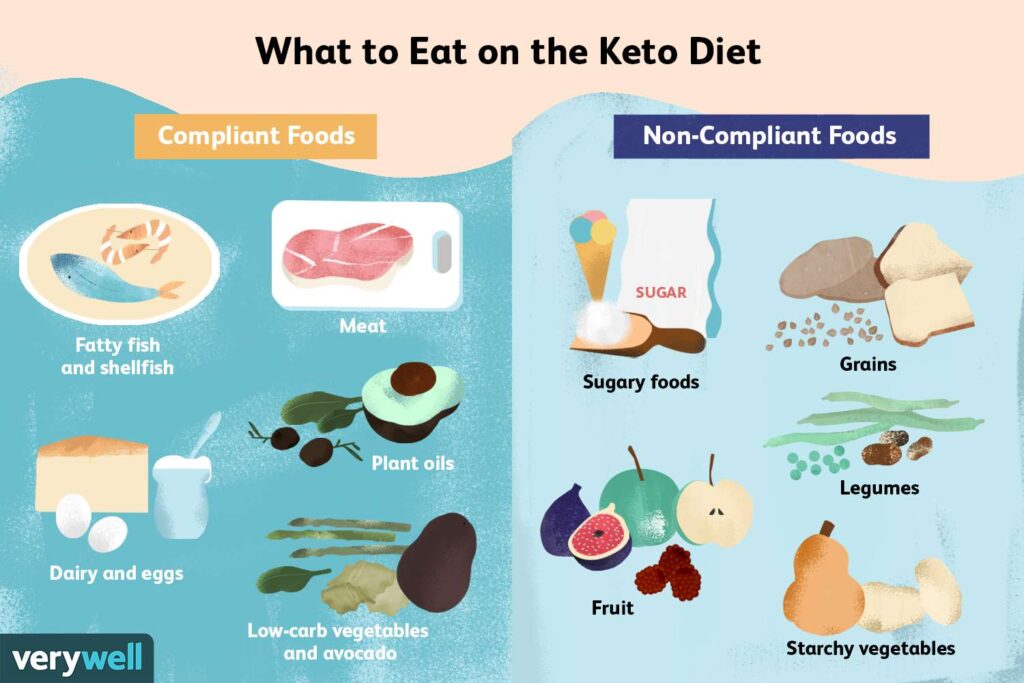
One of the main dangers of the keto diet is the potential for nutritional imbalances. The diet severely restricts carbohydrate intake while emphasizing high-fat and moderate protein consumption. This low-carbohydrate approach can lead to a deficiency in essential nutrients found in carbohydrate-rich foods, such as fruits, vegetables, and whole grains.
Carbohydrates play a crucial role in providing energy to the body, particularly during high-intensity activities. Without an adequate supply of carbohydrates, you may experience fatigue, weakness, and difficulty performing physical activities.
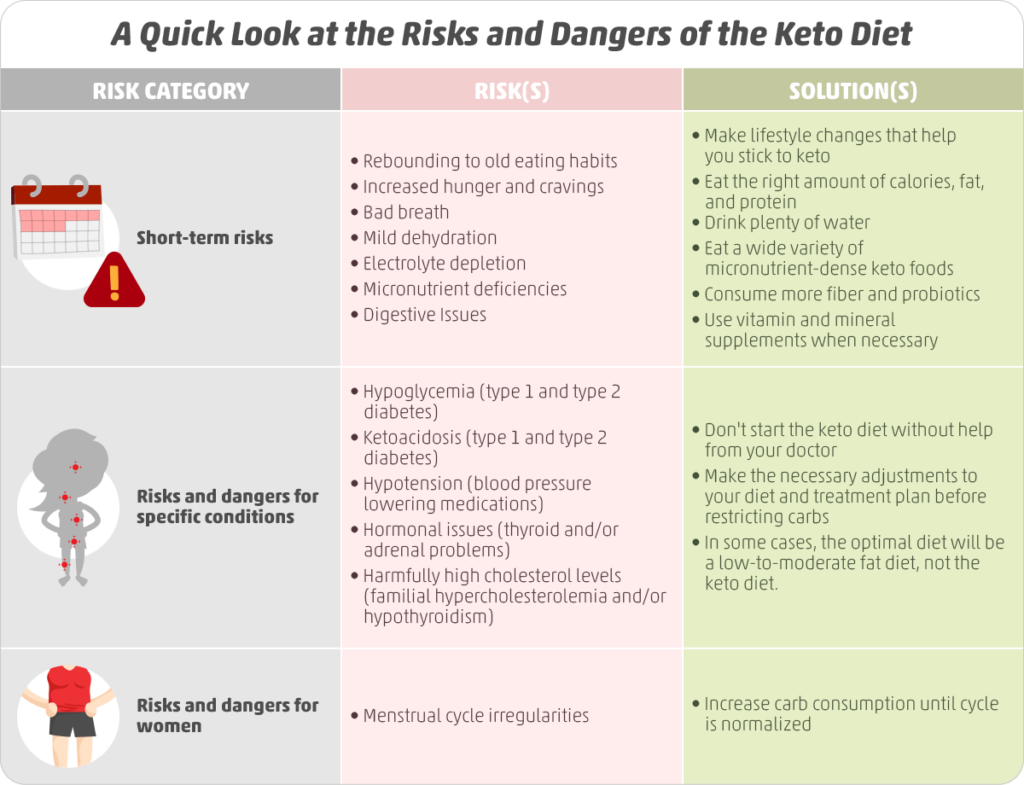
2. Risk of nutrient deficiencies
Following a keto diet may increase the risk of long-term nutrient deficiencies. By restricting certain food groups, such as fruits and whole grains, you might miss out on essential vitamins, minerals, and fiber.
Fruits and vegetables are excellent sources of vitamins and minerals, including vitamin C, potassium, and magnesium. Whole grains provide fiber, which aids digestion and helps maintain bowel regularity. By excluding these foods from your diet, you may compromise your nutrient intake, leading to potential deficiencies.

3. Increased risk of heart disease
While the keto diet has been associated with short-term improvements in certain heart disease risk factors, such as weight loss and reduced blood sugar levels, it’s essential to consider the potential long-term risks.
The diet’s high reliance on saturated fats, commonly found in foods like red meat, butter, and cheese, may increase your risk of heart disease. Consuming excessive amounts of saturated fats can raise levels of LDL (bad) cholesterol, which is known to contribute to the development of heart disease.
4. Loss of muscle mass
Another potential danger of the keto diet is the loss of muscle mass. When you restrict carbohydrates, your body is forced to find an alternative source of fuel. It breaks down stored fat, producing ketones to fuel the body. However, it can also break down muscle tissue to convert amino acids into glucose for energy. This process, known as gluconeogenesis, can lead to the loss of muscle mass.
Maintaining muscle mass is essential for overall strength, metabolism, and physical performance. Losing muscle mass can lead to a slower metabolism and decreased physical capabilities.
5. Adverse effects on gut health
The keto diet’s heavy reliance on animal products and exclusion of many plant-based foods can have adverse effects on gut health. A diverse and balanced gut microbiome is crucial for optimal digestion and overall health.
Plant-based foods, particularly fruits, vegetables, and whole grains, contain fiber that acts as a prebiotic, nourishing the beneficial bacteria in your gut. By restricting these foods, you may disrupt the balance of your gut microbiome, potentially leading to digestive issues and compromised immune function.
6. Keto flu and other side effects
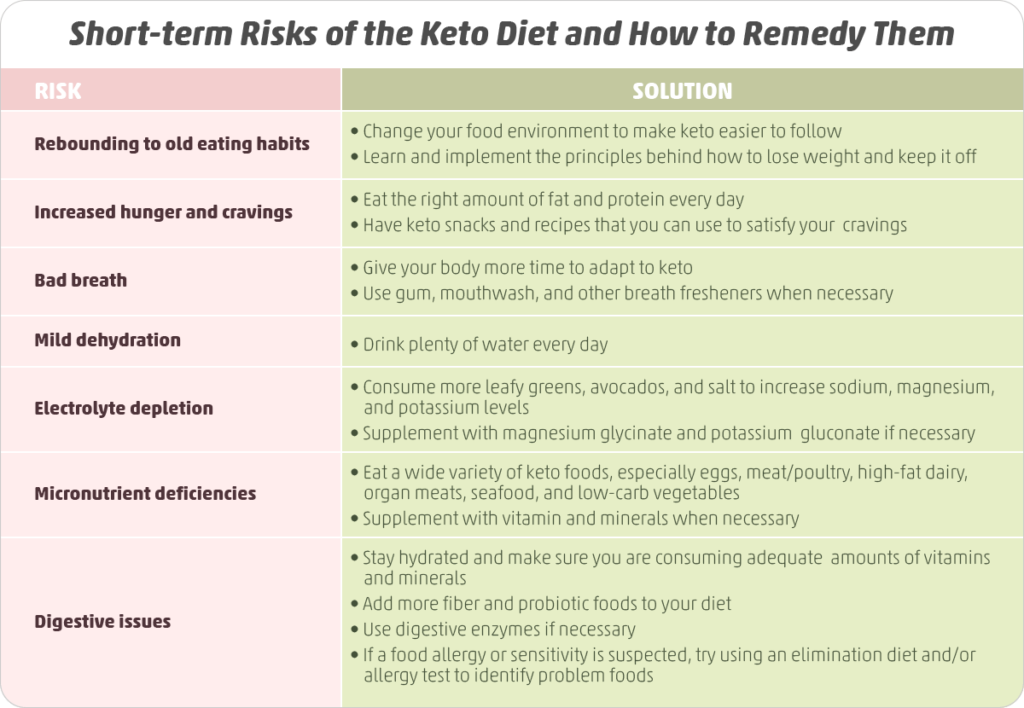
When transitioning to the keto diet, it’s common to experience a set of symptoms known as the “keto flu.” These symptoms may include fatigue, headaches, nausea, dizziness, and brain fog. The keto flu occurs as your body adjusts to using ketones as its primary fuel source instead of glucose.
Additionally, the keto diet may also cause other side effects, such as constipation, bad breath, and increased levels of uric acid. These side effects are typically temporary but can be uncomfortable during the initial stages of the diet.
7. Potential kidney damage
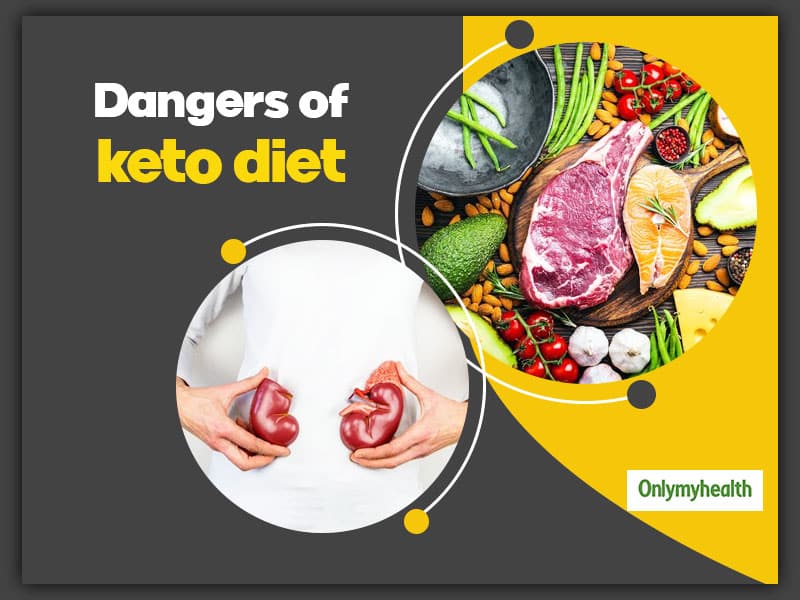
There is some concern that following a keto diet for an extended period may put unnecessary stress on the kidneys. The high protein intake required on the diet can increase the workload on the kidneys, potentially leading to kidney damage or impairing kidney function.
If you have pre-existing kidney conditions or a history of kidney problems, it is crucial to consult with a healthcare professional before starting a keto diet.
8. Negative impact on bone health
The keto diet’s exclusion of certain food groups can hurt bone health. Dairy products, which are commonly consumed on a keto diet, are a significant source of calcium and vitamin D, essential nutrients for maintaining strong bones.
Without sufficient calcium and vitamin D, you may be at a higher risk of developing osteoporosis or experiencing bone fractures. It is essential to find alternative sources of these nutrients if you choose to follow a keto diet.
9. Difficulty sustaining long-term
While the keto diet may provide short-term weight loss and specific health benefits, it can be challenging to sustain in the long run. The diet’s restrictive nature, limited food choices, and potential side effects may make it difficult to adhere to for an extended period.
Additionally, social situations like dining out or attending social gatherings can become challenging when following a strict keto diet, as many foods contain hidden carbohydrates.
10. Impact on mental health
Lastly, it’s essential to consider the potential impact of the keto diet on mental health. Some individuals may experience changes in mood, irritability, or difficulty concentrating while on the diet. These changes may be attributed to the limitations and restrictions imposed by the diet, as well as to potential physiological changes that occur in the body.
Suppose you have a history of disordered eating or are prone to developing obsessive behaviors around food. In such cases, it is essential to approach the keto diet with caution and consult a healthcare professional or a registered dietitian.
While the keto diet may offer some short-term benefits, it is essential to be aware of the potential dangers and risks associated with this dietary approach. It is always advisable to consult with a healthcare professional or registered dietitian before making significant changes to your diet, especially if you have pre-existing health conditions or concerns.
Remember, making informed choices about your health is crucial, and finding a sustainable and balanced approach to nutrition is key to achieving long-term well-being.
RELATED TOPICS ABOUT Keto Diet Dangers:
Dangers of Keto Diet,
Is Keto Diet Dangerous,
Keto Diet Health Risks,
Keto Diet Side Effects,
Keto Long-term Dangers,
Ketogenic Diet Dangers,
Keto Flu Dangers,
Dehydration on Keto,
Electrolyte Loss on Keto,
Low Blood Sugar on Keto,
Dizziness on Keto,
Nausea from Keto,
Keto and Heart Health Risks,
High Cholesterol from Keto,
Kidney Strain on Keto Diet,
Liver Issues from Ketogenic Diet,
Bone Loss on Keto,
Keto and Increased Heart Disease Risk,
Keto Dangerous for Diabetics,
Keto Diet and Pregnancy Risks,
Keto for People with Heart Conditions,
Is Keto Safe for Seniors,
Keto and Thyroid Dysfunction,
Who Should Avoid the Keto Diet,
Nutrient Deficiency on Keto,
Fiber Deficiency from Keto,
Lack of Vitamins on Keto,
Risk of Unbalanced Diet Keto,
Risk of Dirty Keto,
Keto Restrictive Diet Dangers,
Keto and Mood Swings,
Keto and Anxiety,
Keto and Disordered Eating,
Mental Health Risks of Keto,
Brain Fog from Keto,
Keto Diet Safety Warnings,
Doctor Warnings About Keto,
Keto Risk Factors,
Medical Opinions on Keto,
Science Behind Keto Dangers,
Printable Guide to Keto Risks
==========
Content 10/10/G


