Type 2 diabetes is a chronic condition that affects how your body metabolizes sugar (glucose), a crucial source of energy for your cells. In women, the implications of this disease can be particularly complex due to hormonal fluctuations, lifestyle factors, and the unique physiological responses that women experience. You may find that the symptoms of type 2 diabetes, such as increased thirst, frequent urination, fatigue, and blurred vision, can often be mistaken for other health issues, making early detection vital.
Understanding the nuances of how this condition manifests in women can empower you to take control of your health. Moreover, the risk factors for developing type 2 diabetes can differ between genders. Women may experience a higher risk if they have a history of gestational diabetes, polycystic ovary syndrome (PCOS), or are overweight.
These conditions can complicate the management of diabetes and may require tailored approaches to treatment and lifestyle changes. By recognizing these factors, you can better navigate your health journey and seek appropriate interventions that cater specifically to your needs.
Key Takeaways
- Type 2 diabetes affects women differently than men, and it’s important to understand these differences for effective management.
- The keto diet involves high fat, moderate protein, and low carbohydrate intake to induce ketosis, a metabolic state that can benefit women with type 2 diabetes.
- The keto diet can help women with type 2 diabetes by improving insulin sensitivity, promoting weight loss, and reducing blood sugar levels.
- Women with type 2 diabetes considering the keto diet should be aware of potential risks such as nutrient deficiencies and ketoacidosis, and should consult with a healthcare professional.
- Starting the keto diet with type 2 diabetes requires careful meal planning, monitoring blood sugar levels, and seeking support and resources for success.
The Basics of the Keto Diet
Understanding the Core Principles
As you consider this dietary approach, it’s essential to understand its core principles and how they align with your health goals. At its core, the keto diet typically involves reducing carbohydrate intake to about 5-10% of your total daily calories while increasing fat consumption to around 70-80%. Protein intake usually makes up the remaining percentage.
How the Keto Diet Works
This drastic reduction in carbs forces your body to utilize fat stores for energy, which can lead to weight loss and improved insulin sensitivity. The keto diet’s mechanism is based on the body’s ability to adapt to a new energy source, switching from relying on carbohydrates to burning fat for fuel.
Important Considerations for Women with Type 2 Diabetes
However, embarking on this diet requires careful planning and consideration, especially for women managing type 2 diabetes. It’s crucial to consult with a healthcare professional and carefully monitor blood sugar levels, medication, and overall health to ensure a safe and effective transition to the keto diet.
How the Keto Diet Can Benefit Women with Type 2 Diabetes

For women with type 2 diabetes, the keto diet offers several potential benefits that can significantly improve overall health and well-being. One of the most notable advantages is its ability to stabilize blood sugar levels. By minimizing carbohydrate intake, you can reduce insulin spikes and maintain more consistent glucose levels throughout the day.
This stabilization can lead to fewer cravings and a more balanced energy level, which is particularly beneficial for managing diabetes. Additionally, the keto diet may aid in weight loss, which is often a critical component of managing type 2 diabetes. Excess weight can exacerbate insulin resistance, making it more challenging to control blood sugar levels.
By adopting a ketogenic lifestyle, you may find it easier to shed unwanted pounds and improve your body’s sensitivity to insulin. This dual benefit of blood sugar control and weight management makes the keto diet an attractive option for many women navigating the complexities of type 2 diabetes.
Potential Risks and Considerations for Women with Type 2 Diabetes on the Keto Diet
While the keto diet presents numerous benefits, it’s essential to approach it with caution, especially if you have type 2 diabetes. One significant risk is the potential for hypoglycemia, or low blood sugar levels. As you reduce carbohydrate intake, your body may require adjustments in medication or insulin dosages to prevent dangerously low blood sugar levels.
It’s crucial to work closely with your healthcare provider to monitor your blood sugar and make necessary adjustments as you transition into this new dietary pattern. Another consideration is the impact of the keto diet on hormonal balance. Women are particularly sensitive to dietary changes that can affect hormones such as estrogen and progesterone.
Some women may experience menstrual irregularities or other hormonal fluctuations when adopting a high-fat diet. It’s vital to listen to your body and consult with a healthcare professional if you notice any significant changes in your menstrual cycle or overall hormonal health while on the keto diet.
Tips for Starting the Keto Diet with Type 2 Diabetes
If you’re considering starting the keto diet while managing type 2 diabetes, there are several tips that can help you navigate this transition smoothly. First and foremost, educate yourself about the foods that fit within a ketogenic framework. Focus on incorporating healthy fats such as avocados, nuts, seeds, and olive oil while avoiding processed foods high in sugars and refined carbohydrates.
Meal prepping can also be beneficial; by planning your meals in advance, you can ensure that you have keto-friendly options readily available. Additionally, consider keeping a food diary to track your meals and monitor how different foods affect your blood sugar levels. This practice can help you identify which foods work best for your body and allow you to make informed choices moving forward.
Lastly, don’t hesitate to seek support from healthcare professionals or nutritionists who specialize in diabetes management and ketogenic diets; their expertise can provide valuable guidance as you embark on this journey.
Meal Planning and Recipes for Women with Type 2 Diabetes on the Keto Diet
Meal planning is an essential aspect of successfully following the keto diet while managing type 2 diabetes. You’ll want to focus on creating balanced meals that are rich in healthy fats while being low in carbohydrates. For breakfast, consider options like scrambled eggs cooked in coconut oil with spinach and avocado on the side.
For lunch, a salad topped with grilled chicken, olive oil dressing, and a variety of non-starchy vegetables can be both satisfying and nutritious. Dinner could feature baked salmon with asparagus drizzled in lemon butter sauce or a hearty cauliflower rice stir-fry with vegetables and shrimp. Snacks can include cheese sticks, nuts, or celery with almond butter.
By incorporating a variety of flavors and textures into your meals, you’ll not only enjoy what you eat but also ensure that you’re meeting your nutritional needs while adhering to the principles of the keto diet.
Monitoring Blood Sugar Levels on the Keto Diet
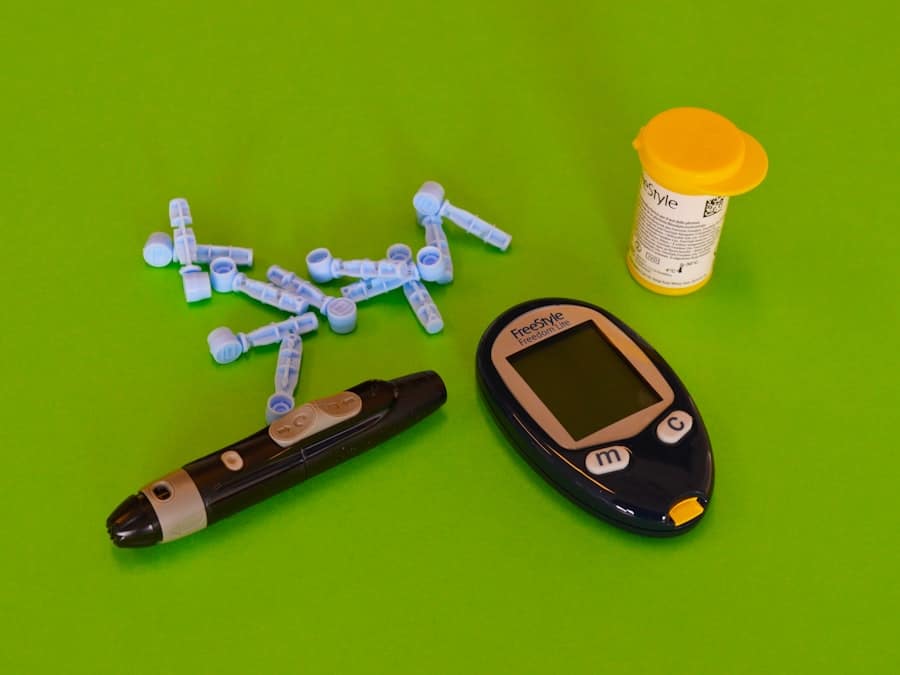
Monitoring your blood sugar levels is crucial when following the keto diet as a woman with type 2 diabetes. As you transition into ketosis, your body will undergo various metabolic changes that can affect how insulin works in your system. Regularly checking your blood glucose levels will help you understand how different foods impact your body and allow you to make necessary adjustments to your diet or medication.
You might consider investing in a continuous glucose monitor (CGM) for real-time tracking of your blood sugar levels throughout the day. This technology provides valuable insights into how your body responds to different meals and activities, enabling you to fine-tune your approach to managing diabetes effectively. Remember that maintaining open communication with your healthcare provider is essential; they can help interpret your readings and guide you in making informed decisions about your health.
Exercise and Physical Activity Recommendations for Women with Type 2 Diabetes on the Keto Diet
Incorporating regular physical activity into your routine is vital for managing type 2 diabetes effectively, especially when following a ketogenic diet. Exercise not only helps improve insulin sensitivity but also supports weight loss efforts and enhances overall well-being. As you embark on this journey, aim for a balanced mix of aerobic exercises—such as walking, swimming, or cycling—and strength training activities like weight lifting or resistance band workouts.
You may find that engaging in physical activity helps regulate your blood sugar levels more effectively while on the keto diet. However, it’s essential to listen to your body and adjust your exercise routine based on how you feel. If you experience fatigue or low energy levels during workouts, consider modifying the intensity or duration until you find a balance that works for you.
Managing Hormonal Changes and Menstrual Health on the Keto Diet
As a woman with type 2 diabetes on the keto diet, managing hormonal changes is an important aspect of maintaining overall health. The ketogenic diet can influence hormone levels due to its high-fat content and low carbohydrate intake. Some women may experience changes in their menstrual cycle or symptoms related to hormonal fluctuations during this transition period.
To support hormonal balance while on the keto diet, focus on consuming nutrient-dense foods rich in vitamins and minerals that promote reproductive health. Foods like leafy greens, fatty fish rich in omega-3 fatty acids, nuts, seeds, and avocados can provide essential nutrients that support hormonal function. Additionally, staying hydrated and managing stress through mindfulness practices or yoga can further help regulate hormonal changes during this time.
Seeking Support and Resources for Women with Type 2 Diabetes on the Keto Diet
Embarking on a new dietary journey can feel overwhelming at times; however, seeking support from others who understand your challenges can make all the difference. Consider joining online forums or local support groups specifically tailored for women with type 2 diabetes following a ketogenic lifestyle. These communities often share valuable resources such as recipes, meal plans, and personal experiences that can inspire and motivate you along the way.
Additionally, don’t hesitate to reach out to healthcare professionals who specialize in diabetes management or nutrition counseling. They can provide personalized guidance based on your unique health needs and help you navigate any obstacles you may encounter while following the keto diet.
Success Stories and Testimonials from Women with Type 2 Diabetes on the Keto Diet
Hearing success stories from other women who have successfully managed their type 2 diabetes through the keto diet can be incredibly motivating. Many women report significant improvements in their blood sugar levels, weight loss achievements, and overall energy levels after adopting this dietary approach. These testimonials often highlight not only physical transformations but also emotional benefits such as increased confidence and empowerment over their health.
As you consider embarking on this journey yourself, remember that every individual’s experience is unique; what works for one person may not work for another. However, learning from others’ successes can provide valuable insights into what strategies might resonate with you as you navigate your own path toward better health through the keto diet while managing type 2 diabetes.
FAQs
What is the keto diet?
The keto diet is a high-fat, low-carbohydrate diet that has been shown to help with weight loss and improve blood sugar control in people with type 2 diabetes.
How does the keto diet work for women with type 2 diabetes?
The keto diet works for women with type 2 diabetes by reducing carbohydrate intake, which helps to lower blood sugar levels and improve insulin sensitivity. It also promotes weight loss, which can further improve diabetes management.
Are there any specific considerations for women with type 2 diabetes following a keto diet?
Women with type 2 diabetes following a keto diet should be mindful of their nutrient intake, particularly with regards to essential vitamins and minerals. It is important to work with a healthcare professional to ensure that nutritional needs are being met.
What are the potential benefits of the keto diet for women with type 2 diabetes?
The potential benefits of the keto diet for women with type 2 diabetes include improved blood sugar control, weight loss, and reduced risk of complications associated with diabetes.
Are there any potential risks or drawbacks to the keto diet for women with type 2 diabetes?
Some potential risks or drawbacks of the keto diet for women with type 2 diabetes include the potential for nutrient deficiencies, the need for careful monitoring of blood sugar levels, and the potential for side effects such as “keto flu” during the initial adaptation phase.
Is the keto diet suitable for all women with type 2 diabetes?
The keto diet may not be suitable for all women with type 2 diabetes, particularly those with certain medical conditions or dietary restrictions. It is important to consult with a healthcare professional before starting any new diet or lifestyle change.