The ketogenic diet, commonly referred to as the keto diet, is a high-fat, low-carbohydrate eating plan that has gained significant popularity in recent years. The primary goal of the keto diet is to shift the body’s metabolism from relying on glucose, derived from carbohydrates, to utilizing fat as its primary source of energy. This metabolic state is known as ketosis, where the liver converts fatty acids into ketones, which can be used as an alternative fuel source for the brain and body.
Typically, a standard keto diet consists of approximately 70-75% fats, 20-25% protein, and only about 5-10% carbohydrates. The origins of the keto diet can be traced back to the early 20th century when it was initially developed as a treatment for epilepsy. Researchers discovered that fasting could reduce seizure frequency in patients, and they sought to replicate this effect through a controlled diet.
Over time, the diet’s application expanded beyond epilepsy treatment, and it has since been embraced by those seeking weight loss and improved metabolic health. The appeal of the keto diet lies in its ability to promote rapid weight loss, particularly in the form of visceral fat, which is often associated with various health risks.
Key Takeaways
- The keto diet is a high-fat, low-carb diet that aims to put the body in a state of ketosis, where it burns fat for fuel instead of carbohydrates.
- The keto diet can help in losing belly fat by reducing insulin levels, increasing fat burning, and suppressing appetite.
- Benefits of a keto diet for belly fat loss include improved insulin sensitivity, reduced inflammation, and increased weight loss compared to other diets.
- Foods to eat on a keto diet for belly fat loss include avocados, nuts, seeds, fatty fish, and low-carb vegetables.
- Foods to avoid on a keto diet for belly fat loss include sugary foods, grains, fruits high in sugar, and processed foods.
How the Keto Diet Helps in Losing Belly Fat
One of the most significant advantages of the keto diet is its effectiveness in targeting belly fat, a common concern for many individuals. When carbohydrates are drastically reduced, the body enters a state of ketosis, where it begins to burn stored fat for energy. This process not only helps in reducing overall body fat but also specifically targets visceral fat, which is the fat stored around internal organs and is linked to numerous health issues such as diabetes and heart disease.
Research has shown that individuals on a ketogenic diet often experience a more pronounced reduction in abdominal fat compared to those following low-fat diets. Additionally, the keto diet can help regulate insulin levels, which plays a crucial role in fat storage. High carbohydrate intake can lead to spikes in insulin levels, promoting fat storage and making it more challenging to lose weight.
By minimizing carbohydrate consumption, insulin levels stabilize, allowing the body to access and utilize stored fat more efficiently. This hormonal shift not only aids in fat loss but also contributes to improved energy levels and reduced hunger, making it easier for individuals to adhere to their dietary goals.
Benefits of a Keto Diet for Belly Fat Loss
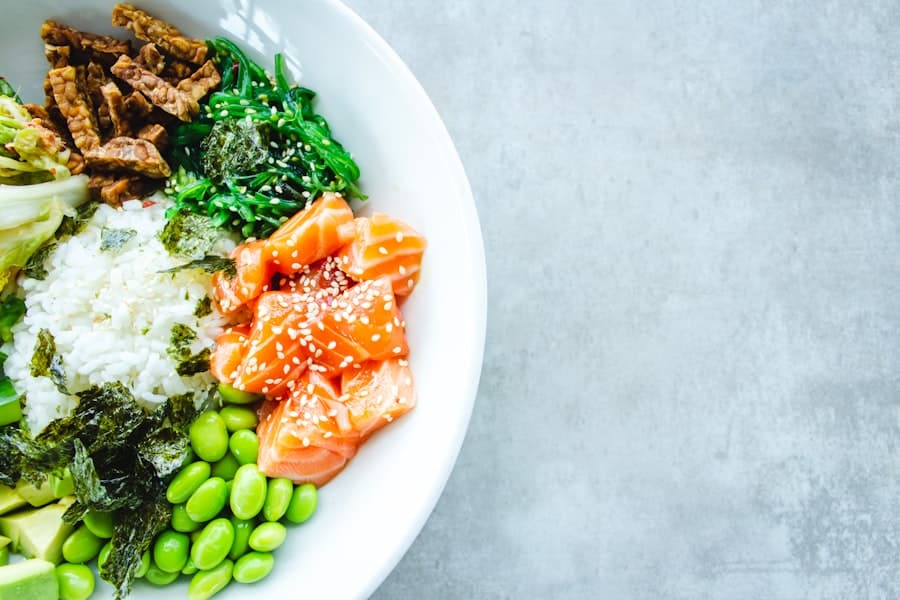
The benefits of adopting a keto diet extend beyond mere weight loss; they encompass various aspects of health that can significantly improve overall well-being. One notable benefit is the reduction of appetite and cravings. Many individuals find that high-fat foods are more satiating than carbohydrate-rich foods, leading to a natural decrease in caloric intake without the need for strict calorie counting.
This satiety can be particularly beneficial for those struggling with emotional eating or frequent snacking. Moreover, the keto diet has been associated with improved metabolic markers. Studies have indicated that individuals following a ketogenic diet may experience reductions in triglycerides and increases in HDL cholesterol levels, both of which are favorable for cardiovascular health.
Additionally, some research suggests that a ketogenic approach may enhance insulin sensitivity, which is crucial for preventing type 2 diabetes and managing blood sugar levels effectively. These metabolic improvements can create a positive feedback loop that supports further weight loss and overall health.
Foods to Eat on a Keto Diet for Belly Fat Loss
When embarking on a keto diet aimed at losing belly fat, it is essential to focus on nutrient-dense foods that align with the macronutrient ratios of the diet. Healthy fats should be the cornerstone of meals; sources such as avocados, olive oil, coconut oil, and nuts provide essential fatty acids while promoting satiety. Fatty fish like salmon and mackerel are also excellent choices due to their omega-3 content, which has been linked to reduced inflammation and improved heart health.
In addition to healthy fats, incorporating moderate amounts of protein is vital for maintaining muscle mass during weight loss. Options such as grass-fed beef, free-range poultry, eggs, and plant-based proteins like tofu can help meet protein needs while keeping carbohydrate intake low. Non-starchy vegetables should also be included liberally; leafy greens like spinach and kale, cruciferous vegetables like broccoli and cauliflower, and other low-carb options such as zucchini and bell peppers provide essential vitamins and minerals without significantly impacting carbohydrate intake.
Foods to Avoid on a Keto Diet for Belly Fat Loss
To achieve success on a keto diet focused on belly fat loss, it is crucial to avoid certain foods that can hinder progress. The primary culprits are high-carbohydrate foods that can quickly derail ketosis. Sugary snacks and beverages, including candies, pastries, sodas, and fruit juices, should be eliminated from the diet as they can lead to insulin spikes and cravings for more carbohydrates.
Additionally, starchy foods such as bread, pasta, rice, and potatoes are significant sources of carbohydrates that must be avoided or minimized. Even whole grains, while often considered healthy in moderation, can contribute to excessive carbohydrate intake on a keto diet. Processed foods containing hidden sugars or unhealthy fats should also be approached with caution; reading labels becomes essential to ensure that hidden carbohydrates do not sneak into meals.
Sample Keto Meal Plan for Belly Fat Loss

Creating a structured meal plan can simplify adherence to the keto diet while promoting belly fat loss. A sample day might begin with a breakfast of scrambled eggs cooked in butter with spinach and avocado on the side. This meal provides healthy fats and protein while keeping carbohydrates low.
For lunch, a salad featuring mixed greens topped with grilled chicken, olive oil dressing, and sliced almonds offers a satisfying combination of nutrients. Dinner could consist of baked salmon served with roasted asparagus drizzled with lemon butter sauce. This meal not only aligns with keto principles but also provides essential omega-3 fatty acids.
Snacks throughout the day might include celery sticks with almond butter or cheese slices paired with olives. By planning meals ahead of time and ensuring they are rich in healthy fats and low in carbohydrates, individuals can stay on track with their dietary goals.
Incorporating Exercise with Keto for Belly Fat Loss
While dietary changes play a pivotal role in achieving belly fat loss on a keto diet, incorporating regular exercise can enhance results significantly. Engaging in both aerobic exercises—such as walking, running, or cycling—and strength training can help accelerate fat loss while preserving lean muscle mass. Resistance training is particularly important on a ketogenic diet because it helps maintain muscle during weight loss; muscle tissue burns more calories at rest than fat tissue does.
Moreover, exercise can improve overall metabolic health by enhancing insulin sensitivity and promoting cardiovascular fitness. High-intensity interval training (HIIT) has gained popularity due to its efficiency in burning calories and improving metabolic rate even after workouts have concluded. Combining exercise with a ketogenic approach not only maximizes belly fat loss but also contributes to improved mood and energy levels.
Tips for Success on a Keto Diet for Belly Fat Loss
To achieve success on a keto diet aimed at losing belly fat, several practical tips can help individuals stay motivated and committed to their goals. First and foremost is meal preparation; planning meals ahead of time reduces the likelihood of reaching for unhealthy options when hunger strikes. Batch cooking or preparing snacks in advance can make it easier to stick to dietary guidelines.
Staying hydrated is another crucial aspect; drinking plenty of water can help manage hunger pangs and support overall health. Additionally, tracking food intake using apps or journals can provide valuable insights into macronutrient ratios and help identify areas for improvement. Engaging with online communities or support groups focused on keto dieting can also provide encouragement and accountability during challenging times.
Potential Challenges of a Keto Diet for Belly Fat Loss
Despite its many benefits, following a keto diet can present challenges that may hinder progress toward belly fat loss goals. One common issue is the “keto flu,” which some individuals experience during the initial transition into ketosis. Symptoms may include fatigue, headaches, irritability, and digestive discomfort as the body adapts to burning fat instead of carbohydrates.
Staying well-hydrated and ensuring adequate electrolyte intake can help alleviate these symptoms. Another challenge is social situations where high-carb foods are prevalent; navigating parties or dining out can be daunting for those adhering to strict dietary guidelines. Planning ahead by reviewing menus or bringing keto-friendly snacks can help mitigate these challenges.
Additionally, some individuals may struggle with cravings for carbohydrates or find it difficult to maintain long-term adherence due to restrictive nature of the diet.
Tracking Progress and Adjusting the Keto Diet for Belly Fat Loss
Monitoring progress is essential for anyone following a keto diet focused on losing belly fat. Regularly weighing oneself or taking body measurements can provide tangible evidence of changes over time; however, it’s important to remember that fluctuations are normal due to factors such as water retention or hormonal changes. Keeping track of how clothes fit or taking progress photos can also serve as motivating reminders of achievements.
Adjustments may be necessary if progress stalls; this could involve recalibrating macronutrient ratios or reassessing portion sizes. Some individuals may find that they need to reduce their caloric intake further or increase physical activity levels to continue seeing results. Listening to one’s body and being willing to adapt strategies based on personal experiences is key to long-term success.
Consulting with a Healthcare Professional before Starting a Keto Diet for Belly Fat Loss
Before embarking on any significant dietary change such as the keto diet, consulting with a healthcare professional is highly advisable. This step is particularly important for individuals with pre-existing health conditions or those taking medications that could be affected by dietary changes. A healthcare provider can offer personalized guidance based on individual health needs and goals while ensuring that any potential risks are addressed.
Additionally, working with a registered dietitian who specializes in ketogenic diets can provide valuable insights into meal planning and nutrient balance. They can help tailor the diet to meet specific needs while ensuring that essential vitamins and minerals are not overlooked during this low-carbohydrate approach. Ultimately, professional guidance can enhance safety and effectiveness when pursuing belly fat loss through the keto diet.
FAQs
What is the keto diet?
The keto diet is a high-fat, low-carbohydrate diet that has been shown to help with weight loss and improve overall health. It involves drastically reducing carbohydrate intake and replacing it with fat, forcing the body into a state of ketosis where it burns fat for fuel.
How does the keto diet help with losing belly fat?
The keto diet helps with losing belly fat by reducing insulin levels, which in turn allows the body to burn stored fat for energy. Additionally, the high-fat nature of the diet helps to keep you feeling full and satisfied, reducing overall calorie intake.
What foods are allowed on the keto diet?
Foods allowed on the keto diet include meats, fish, eggs, high-fat dairy, nuts and seeds, healthy oils, and low-carbohydrate vegetables. Foods to be avoided include grains, sugars, fruits, and starchy vegetables.
Are there any potential side effects of the keto diet?
Some potential side effects of the keto diet include initial fatigue, dizziness, and headaches as the body adjusts to using fat for fuel. Additionally, some people may experience constipation due to the low fiber intake from carbohydrates.
Is the keto diet safe for everyone?
The keto diet may not be safe for everyone, particularly those with certain medical conditions such as pancreatitis, liver failure, disorders of fat metabolism, or a history of eating disorders. It is important to consult with a healthcare professional before starting the keto diet.