
What if you could take control of your health and wellness with a simple change in your dietary choices? The ketogenic diet, or keto for short, has gained popularity in recent years for its potential to help with weight loss, manage certain health conditions, and boost overall energy levels. If you’re considering starting a keto diet in Australia, you’re in the right place. This guide will walk you through everything you need to know about adopting this low-carb, high-fat lifestyle.
Understanding the Keto Diet
The ketogenic diet is a low-carb, high-fat diet that aims to shift your body’s metabolism from burning carbohydrates to burning fats. When you consume fewer carbs, your body enters a metabolic state known as ketosis, where it efficiently burns fat for fuel. This process can lead to weight loss, increased energy levels, and even improved mental clarity for some people.
The Basics of Keto
To give you a better understanding of how the keto diet works, let’s break it down:
-
Macronutrient Ratios: On a standard keto diet, your daily calorie intake typically consists of about 70% fat, 25% protein, and only 5% carbohydrates. This means eating plenty of healthy fats and protein sources while significantly reducing sugar and starch.
-
Ketosis: Ketosis is the goal of the diet. When your carbohydrate intake is low enough, your liver converts fat into ketones, which serve as an alternative source of energy for your brain and body.
Benefits of a Keto Diet
Many people report various benefits from following a keto diet. While individual results may vary, common benefits include:
- Weight Loss: Many find that by reducing their carb intake, they naturally consume fewer calories, leading to weight loss.
- Improved Blood Sugar Control: A lower carb intake can help manage blood sugar levels, which is especially beneficial for individuals with diabetes.
- Increased Energy Levels: Once in ketosis, many people feel more energized, as fat is a more stable source of energy than carbs.
Considerations Before Starting
Before starting any diet, including the keto diet, it’s important to consult with a healthcare professional, especially if you have any underlying health conditions. Additionally, you should consider how the diet will fit into your lifestyle and family meals.
Getting Started with the Keto Diet in Australia
Now that you have a grasp on what the keto diet is, let’s discuss how you can start your journey.
Step 1: Educate Yourself
Knowledge is power! Take the time to read articles, books, or watch videos about the keto diet. Familiarize yourself with the types of foods to eat and those to avoid.
Step 2: Plan Your Meals
Meal Planning Ideas: One of the most effective ways to stay on track with your keto diet is by planning your meals in advance. Here’s a sample daily meal plan:
| Meal | Foods |
|---|---|
| Breakfast | Scrambled eggs cooked in butter with spinach and avocado |
| Lunch | Grilled chicken salad with olive oil dressing and nuts |
| Snack | Cheese and a handful of olives |
| Dinner | Salmon with asparagus cooked in olive oil |
| Dessert | A small serving of berries with whipped cream (in moderation) |
Step 3: Stock Your Pantry and Fridge
Having the right ingredients on hand will make it easier to stick to your keto diet. Here’s a list of essentials to consider:
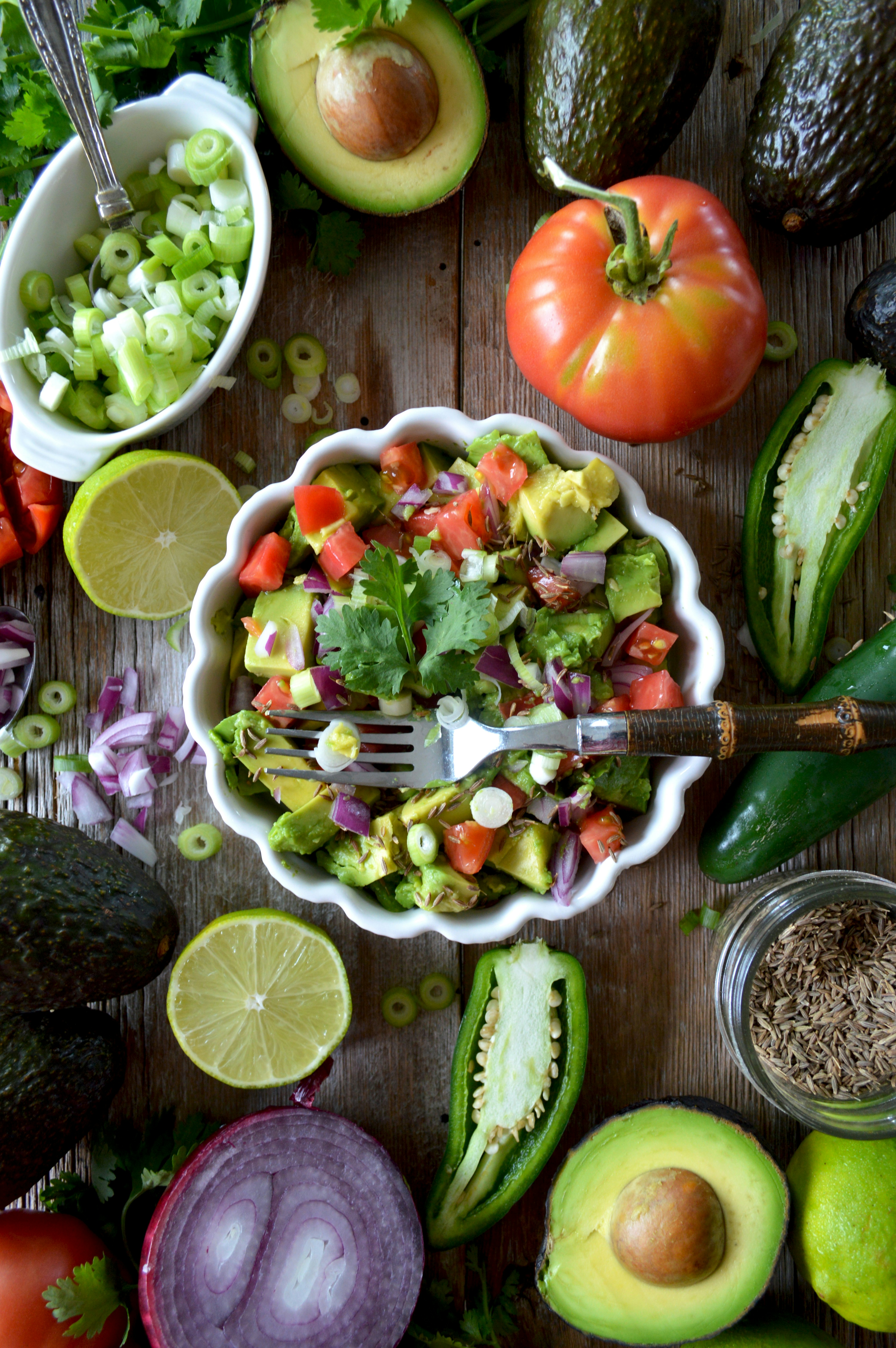
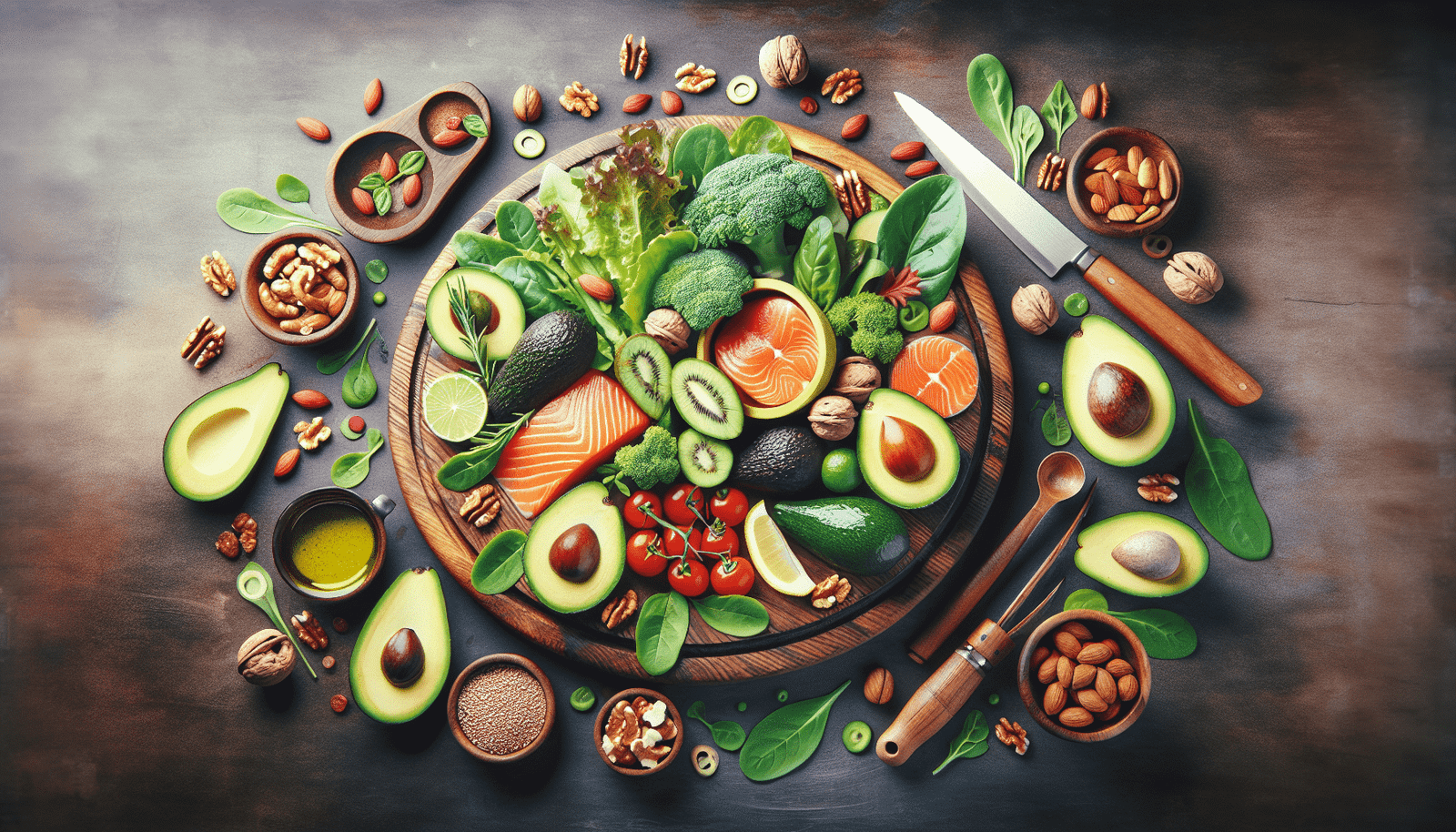
- Healthy Fats: Olives, avocados, coconut oil, and nuts.
- Proteins: Eggs, poultry, fish, and grass-fed meats.
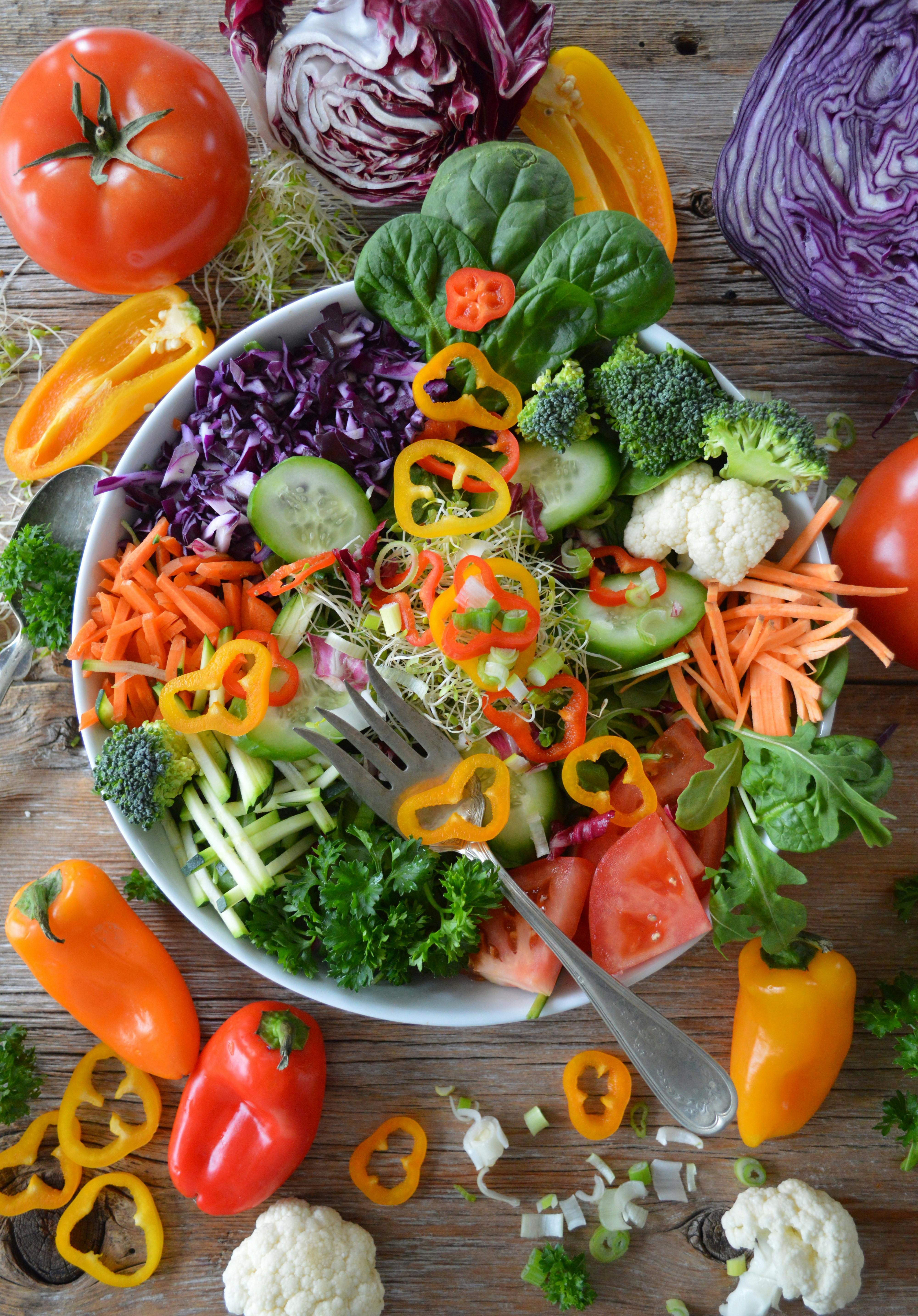
- Low-Carb Vegetables: Spinach, broccoli, cauliflower, and zucchini.
- Dairy Products: Cheese, heavy cream, and Greek yogurt (unsweetened).
Step 4: Transition Gradually
If you’re used to a high-carb diet, going keto overnight can be challenging. It might be easier for you to gradually reduce your carb intake and increase your fat consumption over a week or two. This can help ease into ketosis smoothly and minimize potential side effects known as the “keto flu”.
Step 5: Track Your Progress
Keeping track of your food intake can be beneficial. You can utilize apps like MyFitnessPal or Cronometer to log your meals and monitor your macros. This will help you ensure you’re staying within your intended macronutrient ratios.
Step 6: Stay Hydrated
While on the keto diet, you may experience increased water loss as your body adjusts to burning fats. It’s essential to stay hydrated, so be sure to drink plenty of water throughout the day.
Step 7: Be Mindful of Mineral Intake
Due to the reduction in carbohydrate intake, some may experience a drop in certain nutrients. Ensure you’re consuming enough potassium, magnesium, and sodium to help prevent deficiencies and maintain overall health.
Dealing with Challenges
Starting a new diet can come with its own set of challenges. Here are some common ones and tips on how to handle them.
Cravings
As you adjust to the keto diet, you might experience cravings for sugar and carbs, especially in the beginning. To handle cravings:
- Stay Busy: Keep yourself occupied to reduce mindless snacking.
- Find Substitutes: Look for keto-friendly snacks such as nuts, cheese, or dark chocolate.
Social Situations
Dining out or attending social events may pose challenges. Don’t hesitate to plan ahead:
- Review Menus in Advance: Check restaurant menus online and identify keto-friendly options beforehand.
- Communicate: Let friends or family know you’re following a keto diet; they may be accommodating when planning gatherings.
Plateaus
Hitting a weight loss plateau can be frustrating, but it’s normal. If this happens:
- Reassess Your Macros: Sometimes recalibrating your macronutrient ratios can help.
- Incorporate Exercise: Adding or increasing physical activity can boost your metabolism.
Recipes to Get You Started
Cooking at home not only helps you control ingredients but can also be a fun way to get more comfortable with the keto diet. Here are a few keto-friendly recipes you might enjoy.
Breakfast: Keto Omelette
A delicious omelette is an excellent way to start your day.
Ingredients:
- 3 eggs
- 1/4 cup shredded cheese
- 1/2 cup spinach
- 1 tbsp butter
- Salt and pepper to taste
Instructions:
- Whisk the eggs in a bowl and season with salt and pepper.
- Heat the butter in a pan over medium heat.
- Pour the eggs into the pan and add spinach and cheese.
- Cook until the eggs are set, then fold and serve.
Lunch: Chicken Avocado Salad
This fresh salad is packed with flavor and healthy ingredients.
Ingredients:
- 1 cooked chicken breast, shredded
- 1 ripe avocado, diced
- 2 cups mixed greens
- 1/4 cup nuts (like almond or walnuts)
- Olive oil and lemon juice for dressing
Instructions:
- In a bowl,combine shredded chicken, avocado, and mixed greens.
- Drizzle with olive oil and lemon juice.
- Top with nuts before serving.
Dinner: Zucchini Noodles with Pesto Chicken
A delicious, low-carb alternative to pasta.
Ingredients:
- 2 zucchinis, spiralized
- 1 chicken breast
- 1/4 cup pesto
- Olive oil
- Salt and pepper to taste
Instructions:
- Heat olive oil in a pan and cook the chicken breast until cooked through. Season with salt and pepper.
- Add the zucchini noodles and pesto to the pan, tossing until heated through.
- Serve with grated Parmesan cheese if desired.
Finding Support and Community
Starting any new diet can feel overwhelming, but you don’t have to go through it alone. Finding support from others on the same journey can be incredibly motivating.
Online Communities
Consider joining online forums, groups, or social media communities focused on the ketogenic diet. Many offer guidance, recipe ideas, and sharing of experiences that can be invaluable for someone starting out.
Local Groups
If you prefer in-person connections, look into local health clubs or community centers that might offer keto meetups, workshops, or classes. Connecting with others in your area can provide motivation and support.
Adjusting Your Lifestyle
As you adopt the keto diet, you might find it beneficial to make some adjustments to your overall lifestyle to support your commitment.
Meal Prep
Spending some time each week to prepare meals in advance can save you a lot of time and stress. Consider setting aside a couple of hours each week for meal prep.
Smart Shopping
When you go grocery shopping, stick to the perimeter of the store where fresh produce, meats, and dairy usually are. Avoid the interior aisles where many processed foods are stocked.
Keep Learning
Keto is a lifestyle, not just a diet. Continue to educate yourself about food, nutrition, and wellness to keep your motivation high.
Monitor Your Health
Maintain regular check-ups with your healthcare professional to ensure your health is progressing positively. Discuss any changes you notice, whether they’re positive or negative.
Celebrating Your Success
Remember to take time to celebrate your achievements, no matter how small. Whether it’s reaching a weight loss goal, fitting into a favorite outfit, or simply feeling better overall, acknowledging these successes can keep you motivated.
Create Goals
Set realistic, achievable goals for yourself. This could be something like cooking a new keto recipe once a week or aiming to hit your macro ratios consistently for a month.
Share Your Journey
Consider sharing your journey with others—whether on social media, in a blog, or with friends. Sharing your experiences, tips, and successes can inspire others and provide you with encouragement.
Final Thoughts
Transitioning to a keto diet in Australia can be a rewarding journey toward better health and wellness. By educating yourself, planning your meals, and staying committed, you’ll find a lifestyle that fits you. Remember that every journey has its ups and downs, but with persistence and the right mindset, you can make this work for you. Here’s to your health and happiness!
