
Have you ever wondered how dietary changes can influence health conditions like epilepsy? The ketogenic diet, a high-fat, low-carbohydrate eating plan, has garnered attention for its potential benefits in reducing seizures for many individuals. Let’s explore the connection between the ketogenic diet and seizures, shedding light on how this nutritional approach works.

What is the Ketogenic Diet?
The ketogenic diet is a dietary plan that emphasizes high fat intake, moderate protein consumption, and very low carbohydrates. By significantly reducing carbohydrate intake and substituting it with fat, your body enters a metabolic state known as ketosis. In this state, your body becomes incredibly efficient at burning fat for energy, which also leads to the production of molecules called ketones. These ketones can serve as an alternative energy source for your brain.
The Components of the Ketogenic Diet
You might be curious about what exactly constitutes a ketogenic diet. Here’s a brief breakdown:
| Food Group | Examples | Typical Daily Intake |
|---|---|---|
| Fats | Avocado oil, olive oil, butter, coconut oil | 70%-80% of total daily calories |
| Proteins | Meat, fish, eggs, certain dairy products | 15%-25% of total daily calories |
| Carbohydrates | Leafy greens, nuts, seeds, non-starchy veggies | 5%-10% of total daily calories |
Goals and Benefits
The primary goal of the ketogenic diet is to shift your body into ketosis, which can yield several health benefits. For one, it may help in weight loss and improve metabolic health markers. Furthermore, people have reported increased mental clarity and energy after adopting this eating plan. But how does this relate specifically to seizures?
How Does the Ketogenic Diet Help with Seizures?
The influence of the ketogenic diet on seizures is particularly notable in individuals with epilepsy. This eating plan was originally developed in the 1920s for children who were resistant to standard treatment methods. It’s believed that the diet alters the way your brain uses energy, thereby influencing seizure activity.
Mechanisms of Action
Several potential mechanisms explain how the ketogenic diet can reduce seizures:
-
Ketone Bodies: Ketones are thought to have neuroprotective properties. They may help balance neurotransmitters in your brain, leading to reduced excitability.
-
Energy Sources: The brain can utilize ketones more efficiently than glucose, potentially leading to improved brain function and reduced seizure incidence.
-
Reduced Inflammation: The ketogenic diet may help decrease inflammation in the brain, which has been associated with seizure activity.
-
Altered Gut Microbiota: Changes in gut bacteria from a ketogenic diet can influence brain function and seizure susceptibility.
Clinical Evidence
You might be wondering about the research backing these claims. Numerous studies have documented the efficacy of the ketogenic diet in managing seizures, especially among children with drug-resistant epilepsy.
-
Children with Epilepsy: A substantial percentage of children on a ketogenic diet experience a significant reduction in seizure frequency, with many achieving seizure freedom.
-
Adults with Epilepsy: Adults also show promising results, though individual responses can vary widely.
A study published in 2020 highlighted that nearly 50% of children maintained a reduction in seizures over a two-year period while on a ketogenic diet.
Types of Ketogenic Diets
There are various forms of the ketogenic diet. Each type can have a different impact, and you may consider which one might be suitable for you or someone else.
Standard Ketogenic Diet (SKD)
The SKD is the most common form and involves a strict ratio of macronutrients. It is primarily used in medical therapies for epilepsy.
Targeted Ketogenic Diet (TKD)
With the TKD, you may consume additional carbohydrates around workouts, making it beneficial if you are physically active but still wish to maintain ketosis.
Cyclical Ketogenic Diet (CKD)
This method involves periods of higher carbohydrate intake followed by several days of ketogenic eating. It’s generally more complex and might be less suitable for epilepsy management.
High-Protein Ketogenic Diet
This version has higher protein content than the SKD, making it appealing to those who prefer protein-rich foods. However, it’s essential to monitor how this affects seizure control.
Who Can Benefit from a Ketogenic Diet?
Not everyone may see the same level of benefits. Understanding who may gain from this dietary approach can help determine if it’s the right fit for your needs.
Children with Drug-Resistant Epilepsy
The ketogenic diet is particularly beneficial for children who have not responded to medications. Many parents report significant reductions in seizure frequency.
Adults with Epilepsy
Adults can also benefit, though it’s crucial to be aware that the effects may differ from those experienced by children. Individuals with rare forms of epilepsy may find the diet particularly effective.
Other Neurological Conditions
Research has started to explore the ketogenic diet’s potential effects on other neurological conditions, such as Alzheimer’s disease and Parkinson’s disease. Some evidence suggests it may provide neuroprotective benefits in these cases as well.

Considerations Before Starting a Ketogenic Diet
Before embarking on a ketogenic diet, it’s essential to consider a few key factors.
Consultation with Healthcare Professionals
Engaging with a healthcare provider who understands the ketogenic diet and its implications for seizures is crucial. They can help craft a personalized plan, monitor progress, and ensure nutritional adequacy.
Potential Side Effects
While many individuals see improvements, a few may experience side effects, particularly in the early stages of the diet. Common side effects include:
- Keto Flu: Some individuals experience flu-like symptoms as their body adjusts to ketosis.
- Nutrient Deficiencies: It’s vital to ensure you’re getting enough vitamins and minerals, as restrictive diets can sometimes lead to deficiencies.
- Gastrointestinal Issues: Changes in diet can affect gut health and lead to digestive concerns.
Self-Management and Monitoring
Keeping track of your or your child’s seizure activity while on a ketogenic diet is vital. You may want to maintain a journal documenting seizure frequency and intensity, which can provide valuable insights over time.
Creating a Ketogenic Meal Plan
If you’re considering starting the ketogenic diet, here’s how you might structure your meals. It’s all about planning ahead to ensure you’re getting a balanced intake of nutrients while staying in ketosis.
Sample Meal Plan
| Meal | Food Choices |
|---|---|
| Breakfast | Scrambled eggs cooked in butter + avocado |
| Lunch | Grilled chicken salad with olive oil dressing |
| Snack | Almonds or a small serving of cheese |
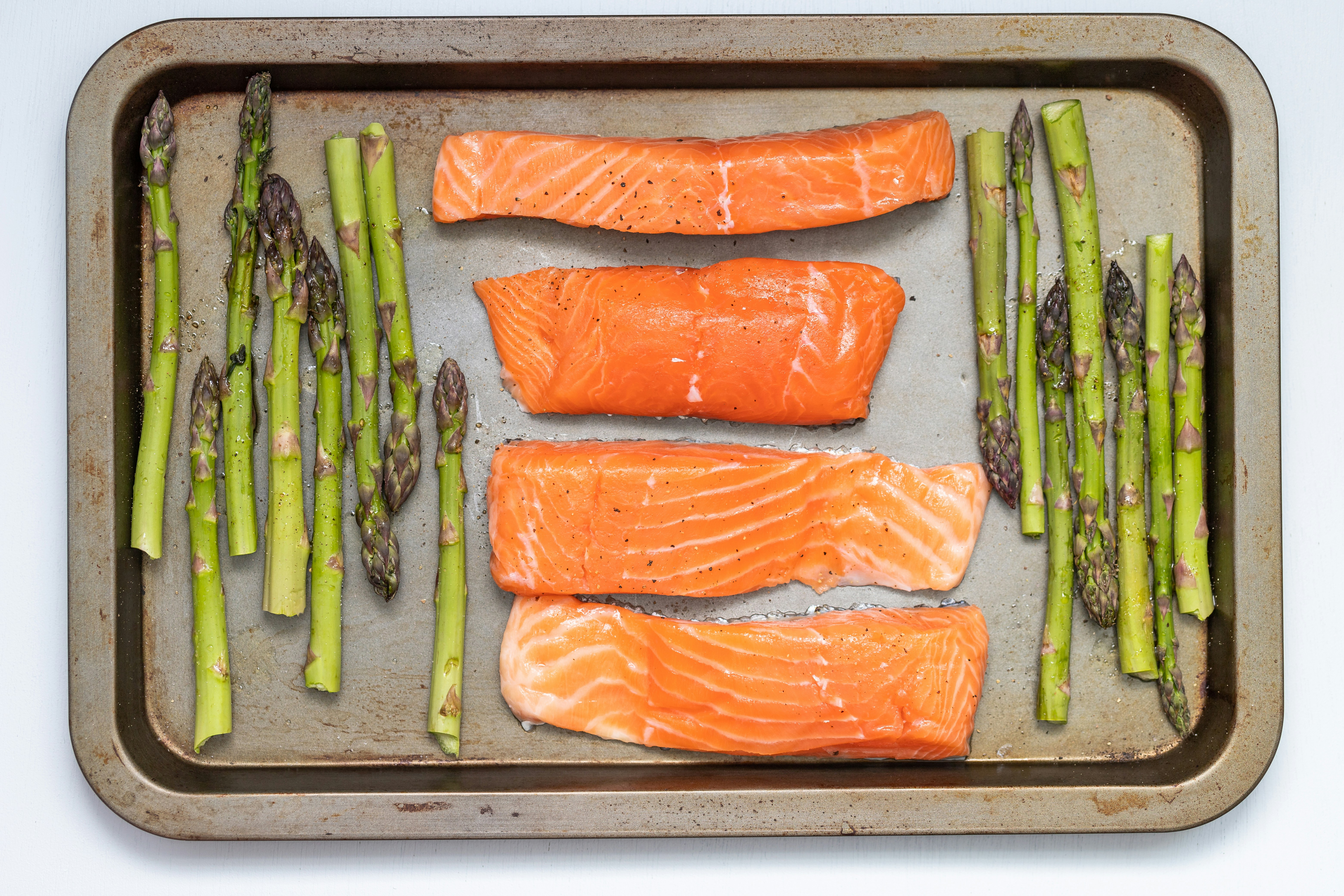
| Dinner | Baked salmon with roasted non-starchy vegetables |
| Dessert | Sugar-free jello or chia seed pudding |
Tips for Meal Prep
-
Batch Cooking: Preparing meals in advance can simplify your routine. Cook and store several meals to avoid the temptation of reaching for carb-rich foods.
-
Meal Variety: To prevent boredom, include a variety of recipes and flavors. You can search online for delicious keto-friendly recipes that match your taste preferences.
-
Hydration: Don’t forget to drink plenty of water! Staying hydrated is essential, especially as your body adjusts to the diet.

Success Stories and Testimonials
Hearing from others who have taken the plunge into the ketogenic lifestyle can be highly inspiring. Many individuals share their experiences with seizure reduction and overall improved wellness.
Positive Outcomes
Many families have reported that their children experienced considerable improvements while on the ketogenic diet. Success isn’t just limited to children. Adults have also shared their accounts of lowered seizure activity and enhanced cognitive function.
Community Support
You might find a supportive community online where members share recipes, tips, and encouragement. Engaging with others on a similar journey can provide motivation and accountability.
Conclusion
The ketogenic diet may be a beneficial approach for managing seizures in various populations, particularly in children with epilepsy. By shifting the body’s metabolic state, this diet appears to offer promising results through various mechanisms.
Before making significant dietary changes, be sure to consult with a healthcare professional to ensure you’re heading in the right direction. With careful planning, monitoring, and support, a ketogenic diet can turn into a valuable tool for improving quality of life and reducing seizure frequency.
Now that you have a better understanding of the connection between the ketogenic diet and seizures, are you considering trying it for yourself or someone you care about? Just remember, education and support can make all the difference along this journey.


