As you embark on your ketogenic journey, you may find yourself facing a frustrating phenomenon known as a keto plateau. This is a stage where your weight loss stalls despite your adherence to the diet. Initially, the keto diet may have yielded impressive results, with pounds melting away and energy levels soaring.
However, after a period of time, you might notice that the scale refuses to budge, leaving you feeling disheartened and questioning your commitment. Understanding the reasons behind these plateaus is crucial for overcoming them and continuing on your path to health. Keto plateaus can occur for various reasons, including metabolic adaptation, where your body becomes more efficient at using energy, thus burning fewer calories.
Additionally, factors such as water retention, hormonal fluctuations, and even stress can contribute to this stagnation. It’s essential to recognize that plateaus are a normal part of any weight loss journey, not just limited to the keto diet. By understanding that these phases are temporary, you can approach them with a mindset geared toward problem-solving rather than frustration.
Key Takeaways
- Keto plateaus are common and can be frustrating, but they are a normal part of the weight loss process on a ketogenic diet.
- Adjusting your macros, such as increasing fat intake or reducing carb intake, can help break through a keto plateau and kickstart weight loss.
- Incorporating intermittent fasting can help improve insulin sensitivity and promote fat burning, which can aid in overcoming a keto plateau.
- Trying different types of exercise, such as high-intensity interval training or strength training, can help boost metabolism and break through a keto plateau.
- Monitoring your stress levels and finding ways to manage stress, such as through meditation or yoga, can help support weight loss on a ketogenic diet.
Adjusting Your Macros
Once you’ve identified that you’re experiencing a plateau, one of the first steps you can take is to reassess your macronutrient ratios. The ketogenic diet typically emphasizes high fat, moderate protein, and very low carbohydrates. However, as your body adapts to this way of eating, it may require adjustments to continue seeing progress.
You might find that tweaking your macros can reignite your weight loss journey. For instance, consider reducing your fat intake slightly while increasing protein or adjusting your carb levels to find the sweet spot that works for you. Experimenting with different macronutrient ratios can be enlightening.
You may discover that a slight increase in protein helps you feel fuller and more satisfied, reducing cravings and snacking. Alternatively, lowering your fat intake could encourage your body to tap into its fat stores more effectively. Keep in mind that everyone’s body responds differently, so it’s essential to track your food intake and monitor how these changes affect your weight loss and overall well-being.
Incorporating Intermittent Fasting

Intermittent fasting (IF) is another strategy that can complement your ketogenic lifestyle and help break through plateaus. This eating pattern involves cycling between periods of eating and fasting, which can enhance fat burning and improve metabolic health. By giving your body a break from constant food intake, you allow it to utilize stored fat for energy more efficiently.
You might find that incorporating IF into your routine not only aids in weight loss but also enhances mental clarity and focus. There are various methods of intermittent fasting to choose from, such as the 16/8 method, where you fast for 16 hours and eat during an 8-hour window. Alternatively, you could try the 5:2 approach, where you eat normally for five days and restrict calories on two non-consecutive days.
Experimenting with these different methods can help you find what fits best into your lifestyle while still aligning with your keto goals. As you navigate this new eating pattern, pay attention to how your body responds and adjust accordingly.
Trying Different Types of Exercise
Incorporating a variety of exercises into your routine can also play a significant role in overcoming a keto plateau. While you may have found success with certain workouts in the past, your body can adapt to repetitive movements over time, leading to diminished returns. To reignite your progress, consider diversifying your exercise regimen by trying new activities or intensifying your current workouts.
This could mean adding strength training if you primarily focus on cardio or vice versa. Engaging in high-intensity interval training (HIIT) is another effective way to boost metabolism and promote fat loss. HIIT workouts involve short bursts of intense exercise followed by brief recovery periods, which can elevate your heart rate and burn calories even after the workout is complete.
Additionally, incorporating activities like yoga or Pilates can enhance flexibility and reduce stress levels, further supporting your weight loss efforts. By keeping your workouts fresh and challenging, you’ll not only avoid plateaus but also maintain motivation and enjoyment in your fitness journey.
Monitoring Your Stress Levels
Stress is often an overlooked factor in weight loss plateaus, yet it can significantly impact your progress on a ketogenic diet. When you experience stress, your body releases cortisol, a hormone that can lead to increased cravings for unhealthy foods and hinder fat loss. It’s essential to recognize the signs of stress in your life and take proactive steps to manage it effectively.
This might involve practicing mindfulness techniques such as meditation or deep breathing exercises to help calm your mind. Additionally, consider incorporating stress-reducing activities into your daily routine. Whether it’s taking a leisurely walk in nature, engaging in a hobby you love, or spending quality time with friends and family, finding ways to unwind can make a substantial difference in how your body responds to the keto diet.
By prioritizing stress management, you’ll create a more conducive environment for weight loss and overall well-being.
Getting Enough Sleep
Establishing a Consistent Sleep Schedule
Setting a regular sleep schedule can help regulate your body’s internal clock. This can be achieved by going to bed and waking up at the same time every day. Additionally, creating a relaxing bedtime routine can promote better sleep quality. This can include activities such as dimming the lights an hour before bed, avoiding screens, and engaging in calming activities like reading or taking a warm bath.
Creating a Conducive Sleep Environment
Ensuring your sleep environment is conducive to rest is also essential. Keep your bedroom cool, dark, and quiet to promote better sleep. By prioritizing sleep as part of your overall health strategy, you’ll likely find that it positively impacts not only your weight loss efforts but also your mood and energy levels throughout the day.
The Positive Impact of Prioritizing Sleep
Experimenting with Different Foods
If you’re feeling stuck in a plateau, it may be time to shake things up in the kitchen by experimenting with different foods within the keto framework. While the diet emphasizes low-carb options, there’s still a wide variety of foods available that can keep meals exciting and satisfying. Trying new recipes or incorporating different ingredients can help reignite your enthusiasm for cooking while also providing essential nutrients that support overall health.
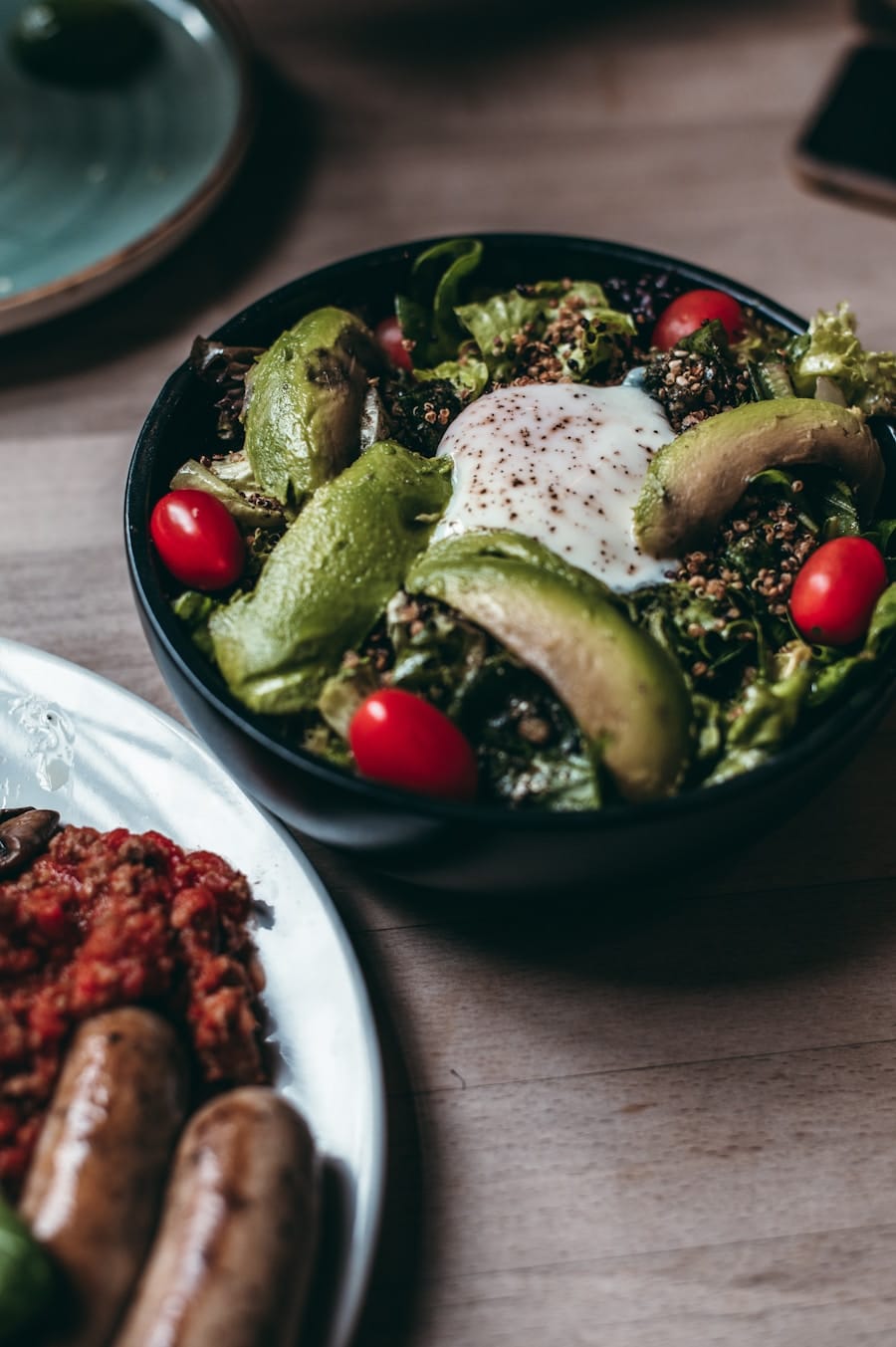
Consider exploring new sources of healthy fats such as avocados, olives, or coconut oil while also experimenting with various low-carb vegetables like zucchini or cauliflower. You might also want to try different protein sources like grass-fed beef or wild-caught fish to diversify your meals further. By keeping things fresh and interesting in the kitchen, you’ll not only enjoy the process of eating but also ensure that you’re providing your body with a range of nutrients necessary for optimal functioning.
Seeking Support from a Keto Community
Finally, one of the most powerful tools at your disposal when navigating a keto plateau is seeking support from a community of like-minded individuals. Engaging with others who share similar goals can provide motivation, encouragement, and valuable insights into overcoming challenges. Whether through online forums, social media groups, or local meetups, connecting with fellow keto enthusiasts can help you feel less isolated on your journey.
Sharing experiences and tips with others who understand the nuances of the ketogenic lifestyle can be incredibly beneficial. You may discover new strategies for breaking through plateaus or gain inspiration from others’ success stories. Additionally, having a support system can help keep you accountable and motivated during times when you might feel discouraged.
Remember that you’re not alone in this journey; there are countless others navigating similar challenges who are eager to share their knowledge and support. In conclusion, overcoming keto plateaus requires a multifaceted approach that includes understanding the reasons behind them and implementing various strategies to reignite progress. By adjusting your macros, incorporating intermittent fasting, diversifying exercise routines, managing stress levels, prioritizing sleep, experimenting with different foods, and seeking support from a community, you can break through barriers and continue on your path toward achieving your health goals.
Embrace this journey with patience and determination; every step forward is a step toward a healthier you.
FAQs
What is a keto plateau?
A keto plateau refers to a period of time when someone following a ketogenic diet stops losing weight, despite maintaining the same dietary and exercise habits.
Why do keto plateaus occur?
Keto plateaus can occur due to a variety of reasons, including metabolic adaptation, hormonal changes, calorie intake, and stress.
How can I avoid keto plateaus?
To avoid keto plateaus, it’s important to regularly reassess your calorie intake, adjust your macronutrient ratios, incorporate intermittent fasting, increase physical activity, and manage stress levels.
What are some tips for breaking through a keto plateau?
Some tips for breaking through a keto plateau include increasing protein intake, incorporating carb cycling, trying different types of exercise, getting enough sleep, and staying consistent with your dietary and lifestyle habits.
Is it normal to experience keto plateaus?
Yes, it is normal to experience keto plateaus, as the body adapts to changes in diet and exercise. It’s important to be patient and make adjustments as needed to continue making progress.