
When it comes to weight loss, bacon often finds itself at the center of a heated debate. You might have heard conflicting opinions about whether this beloved breakfast staple can fit into a weight-loss plan. On one hand, bacon is high in fat and calories, which can make it seem like an enemy to your weight-loss goals.
On the other hand, many people argue that when consumed mindfully, bacon can be part of a balanced diet that supports weight management. The truth lies somewhere in between, and understanding how to incorporate bacon into your meals can help you enjoy it without derailing your progress. You may be surprised to learn that bacon can actually provide some benefits when it comes to weight loss.
It is rich in protein, which can help you feel fuller for longer periods. This satiety can prevent you from snacking on less healthy options throughout the day. Additionally, the fats found in bacon can be beneficial for those following low-carb or ketogenic diets, where fat is prioritized over carbohydrates.
However, moderation is key. You need to be mindful of how much bacon you consume and how it fits into your overall dietary pattern.
Key Takeaways
- Bacon can be part of a weight loss plan when consumed in moderation and as part of a balanced diet and active lifestyle.
- Bacon is high in protein and fat, but low in carbohydrates, making it a good option for those following a low-carb diet.
- When incorporating bacon into a healthy diet, it’s important to consider portion control and balance it with other nutrient-dense foods like fruits, vegetables, and whole grains.
- Choosing the right type of bacon, such as nitrate-free or lower sodium options, can help minimize potential health risks associated with processed meats.
- Enjoying bacon in moderation can be achieved by balancing it with physical activity and making mindful choices about portion sizes and frequency of consumption.
The Nutritional Profile of Bacon
To truly understand how bacon can fit into your diet, it’s essential to examine its nutritional profile. A typical serving of cooked bacon contains about 42 calories, 3 grams of protein, and 3 grams of fat, with a significant portion of that fat being saturated. While this may sound alarming at first, it’s important to consider the context of your entire diet.
Bacon also contains essential nutrients such as B vitamins, selenium, and zinc, which play vital roles in your body’s functioning. However, you should also be aware of the sodium content in bacon. A single slice can contain around 200 milligrams of sodium, which can add up quickly if you’re not careful.
High sodium intake can lead to water retention and may affect your blood pressure. Therefore, while bacon does offer some nutritional benefits, it’s crucial to balance these with its potential downsides. Understanding the nutritional profile allows you to make informed choices about how much bacon you include in your meals.
Incorporating Bacon into a Healthy Diet
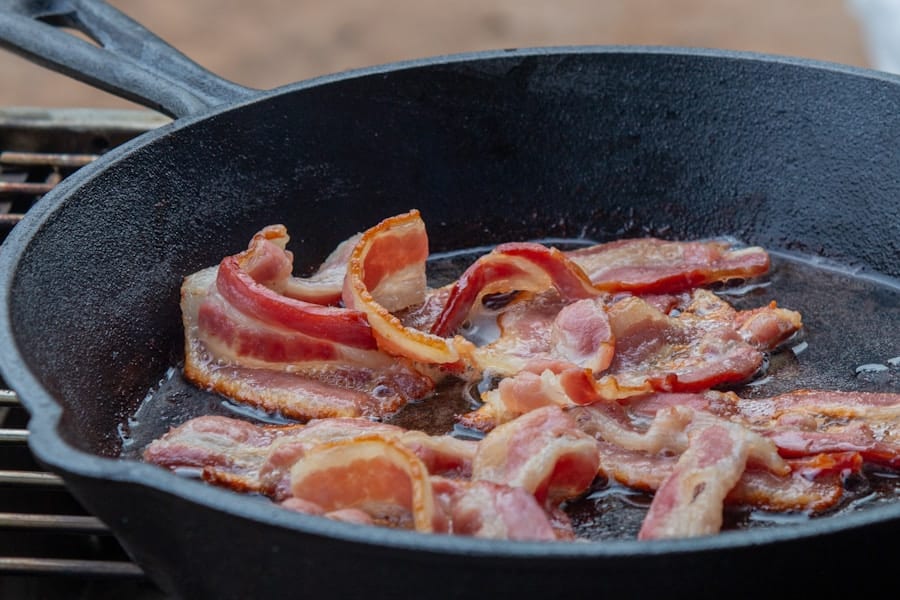
Incorporating bacon into a healthy diet doesn’t mean you have to give up on your weight-loss goals. Instead, it’s about finding creative ways to enjoy this flavorful food while still prioritizing nutrition. One approach is to use bacon as a flavor enhancer rather than the main event.
For instance, adding a small amount of crumbled bacon to a salad or vegetable dish can elevate the taste without overwhelming the meal with calories. Another strategy is to pair bacon with nutrient-dense foods. For example, wrapping asparagus or Brussels sprouts in bacon before roasting them can create a delicious side dish that balances flavor and nutrition.
You might also consider using turkey or chicken bacon as a lower-calorie alternative while still enjoying the smoky flavor that bacon brings to your meals. By being intentional about how you use bacon, you can savor its taste without compromising your health.
The Role of Portion Control
Portion control is a critical aspect of enjoying bacon while maintaining a healthy diet. It’s easy to overindulge when faced with crispy strips of bacon, but being mindful of serving sizes can help you enjoy it without guilt. A standard serving size is typically one or two slices, depending on the thickness and preparation method.
By sticking to this guideline, you can satisfy your cravings without consuming excessive calories. You might find it helpful to plan your meals ahead of time, allowing you to allocate a specific portion of bacon for each meal. This way, you can enjoy its rich flavor while keeping track of your overall caloric intake.
Additionally, consider using smaller plates or bowls when serving yourself; this simple trick can help create the illusion of a fuller plate while keeping your portions in check.
Choosing the Right Type of Bacon
Not all bacon is created equal, and choosing the right type can make a significant difference in your overall health. Traditional pork bacon is often high in saturated fat and sodium, but there are alternatives available that may better suit your dietary needs. Turkey bacon is a popular choice for those looking to reduce fat and calorie intake while still enjoying the taste of bacon.
However, it’s essential to read labels carefully, as some brands may add sugars or preservatives that could negate the health benefits. You might also consider opting for nitrate-free or uncured bacon options. These types are often free from artificial preservatives and may be less processed than conventional varieties.
While they may still contain sodium, they can be a healthier choice overall. By being selective about the type of bacon you consume, you can enjoy its flavor while making more health-conscious decisions.
Balancing Bacon with Other Nutrient-Dense Foods

To create a well-rounded meal that includes bacon, it’s essential to balance it with other nutrient-dense foods. Pairing bacon with vegetables, whole grains, and healthy fats can enhance the nutritional value of your meal while still allowing you to indulge in its savory goodness. For instance, consider adding sautéed spinach or kale alongside scrambled eggs and a slice of whole-grain toast topped with avocado for a hearty breakfast that satisfies both taste and nutrition.
Incorporating fruits into your meals can also provide a refreshing contrast to the richness of bacon. A fruit salad or sliced apples drizzled with balsamic glaze can serve as a delightful side dish that complements the flavors of your main course. By focusing on variety and balance in your meals, you can enjoy bacon without feeling deprived or guilty about your food choices.
The Importance of Physical Activity
While diet plays a significant role in weight management, physical activity is equally important in achieving and maintaining a healthy lifestyle. Engaging in regular exercise not only helps burn calories but also supports muscle growth and overall well-being. When you incorporate physical activity into your routine, you may find that you have more flexibility in your diet, allowing for occasional indulgences like bacon without negatively impacting your weight-loss goals.
You might consider finding activities that you genuinely enjoy, whether it’s dancing, hiking, cycling, or participating in group fitness classes. The key is to make physical activity a regular part of your life so that it becomes second nature rather than a chore. By combining exercise with mindful eating practices that include moderation with foods like bacon, you’ll be better equipped to achieve lasting results.
Tips for Enjoying Bacon in Moderation
Enjoying bacon in moderation is all about finding balance and being mindful of your choices. One effective tip is to reserve bacon for special occasions or as an occasional treat rather than a daily staple in your diet. This approach allows you to savor its flavor without feeling deprived or guilty about indulging too frequently.
Another helpful strategy is to experiment with different cooking methods that can reduce fat content while still delivering delicious results. For example, baking or air-frying bacon can help render out some of the excess fat compared to pan-frying it in oil or butter. Additionally, consider using herbs and spices to enhance flavor without relying solely on bacon’s richness; this way, you can create satisfying dishes that are lower in calories but still packed with taste.
In conclusion, enjoying bacon while pursuing weight loss is entirely possible when approached with mindfulness and moderation. By understanding its nutritional profile, incorporating it thoughtfully into meals, practicing portion control, and balancing it with other nutrient-dense foods, you can savor this beloved food without compromising your health goals. Remember that physical activity plays an essential role in maintaining a healthy lifestyle as well; by combining these elements, you’ll be well on your way to enjoying bacon guilt-free!
FAQs
What is the relationship between bacon and weight loss?
Bacon can be part of a weight loss diet if consumed in moderation and as part of a balanced diet. It is high in protein and can help keep you feeling full, which may prevent overeating.
Is bacon a healthy food choice for weight loss?
Bacon is high in saturated fat and sodium, so it should be consumed in moderation. Opt for leaner cuts of bacon and limit portion sizes to support weight loss goals.
How can bacon be included in a weight loss diet?
Bacon can be included in a weight loss diet by balancing it with plenty of fruits, vegetables, whole grains, and lean proteins. It’s important to monitor portion sizes and choose lower sodium options.
Are there any risks associated with consuming bacon while trying to lose weight?
Consuming bacon in excess can lead to an increased intake of saturated fat and sodium, which may have negative effects on heart health and weight management. It’s important to balance bacon consumption with other nutritious foods.
What are some healthier alternatives to traditional bacon for weight loss?
Healthier alternatives to traditional bacon include turkey bacon, Canadian bacon, or plant-based bacon made from ingredients like tempeh or mushrooms. These options typically have lower fat and sodium content.





