
Have you ever wondered how you can enjoy the benefits of a ketogenic diet while maintaining a vegetarian lifestyle? This might seem challenging at first, but it is indeed possible to combine these two eating approaches into a delicious and nutritious plan that works for you. Let’s embark on this journey of exploring a vegetarian keto diet plan that not only tantalizes your taste buds but also supports your health goals.
Understanding the Vegetarian Keto Diet
The vegetarian keto diet merges the principles of the ketogenic diet, which is low in carbohydrates and high in fats, with a vegetarian lifestyle that excludes meat and fish. This diet emphasizes high-fat, low-carb foods rich in plant-based proteins while avoiding traditional sources of carbohydrates like bread, pasta, and sugary snacks.
The Basics of Keto
At its core, a ketogenic diet encourages your body to enter a state of ketosis, where it primarily burns fat for energy instead of carbohydrates. To achieve this, you’ll reduce your carbohydrate intake significantly—generally below 50 grams per day—with an increase in healthy fats. For most people, this shift can lead to various health benefits, including weight loss, increased energy, and improved mental clarity.
The Vegetarian Approach
Being vegetarian means you eliminate meat from your diet, but it doesn’t have to mean sacrificing nutrition. A well-planned vegetarian keto diet can include a variety of plant-based foods that support your health while keeping your carbohydrate intake low. Key players in this diet are vegetables, healthy fats, seeds, nuts, and dairy products.
Key Components of a Vegetarian Keto Diet Plan
To create a successful vegetarian keto plan, you’ll want to focus on foods that align with the macronutrient ratios of keto while ensuring you’re getting enough vitamins and minerals. Below are the essential components you should incorporate.
Low-Carb Vegetables
Non-starchy vegetables are a cornerstone of any low-carb diet. They provide fiber, vitamins, and minerals without the excess sugars found in starchy vegetables. Here are some excellent choices:
| Vegetable | Net Carbs (per 100g) |
|---|---|
| Spinach | 1.4 g |
| Zucchini | 3.1 g |
| Cauliflower | 2.9 g |
| Broccoli | 4 g |
| Bell Peppers | 4.7 g |
| Avocado | 1.8 g |
Healthy Fats
Fats will compose the majority of your diet on a vegetarian keto plan. Opt for healthy sources to ensure you’re nourishing your body adequately. Good options include:
- Avocado oil: Great for cooking, it’s heart-healthy and rich in monounsaturated fats.
- Coconut oil: Packed with medium-chain triglycerides (MCTs), which can help you achieve ketosis more rapidly.
- Nut butters: Almond butter, peanut butter, and others can add flavor and healthy fats to your meals.
- Olive oil: Perfect for dressings, it also adds a nice flavor to cooked dishes.
Protein Sources
One challenge of a vegetarian keto diet is meeting your protein needs without resorting to meat or dairy. Here are some vegetarian protein sources that keep net carbs low:
| Protein Source | Net Carbs (per 100g) |
|---|---|
| Greek yogurt | 3.6 g |
| Tofu | 1.9 g |
| Tempeh | 6.8 g |
| Edamame | 4.7 g |
| Chia seeds | 6 g |
| Hemp seeds | 1.5 g |
Dairy Alternatives
If you consume dairy, it can be a great source of fat and protein on a vegetarian keto plan. Choose full-fat varieties to keep your carb intake in check. If you’re lactose intolerant or prefer non-dairy options, consider:
- Coconut yogurt: Look for those without added sugar.
- Unsweetened almond milk: Low in carbs, it works well in smoothies.
- Nutritional yeast: Adds a cheesy flavor and provides essential nutrients like B vitamins.
Sample Vegetarian Keto Meal Plan
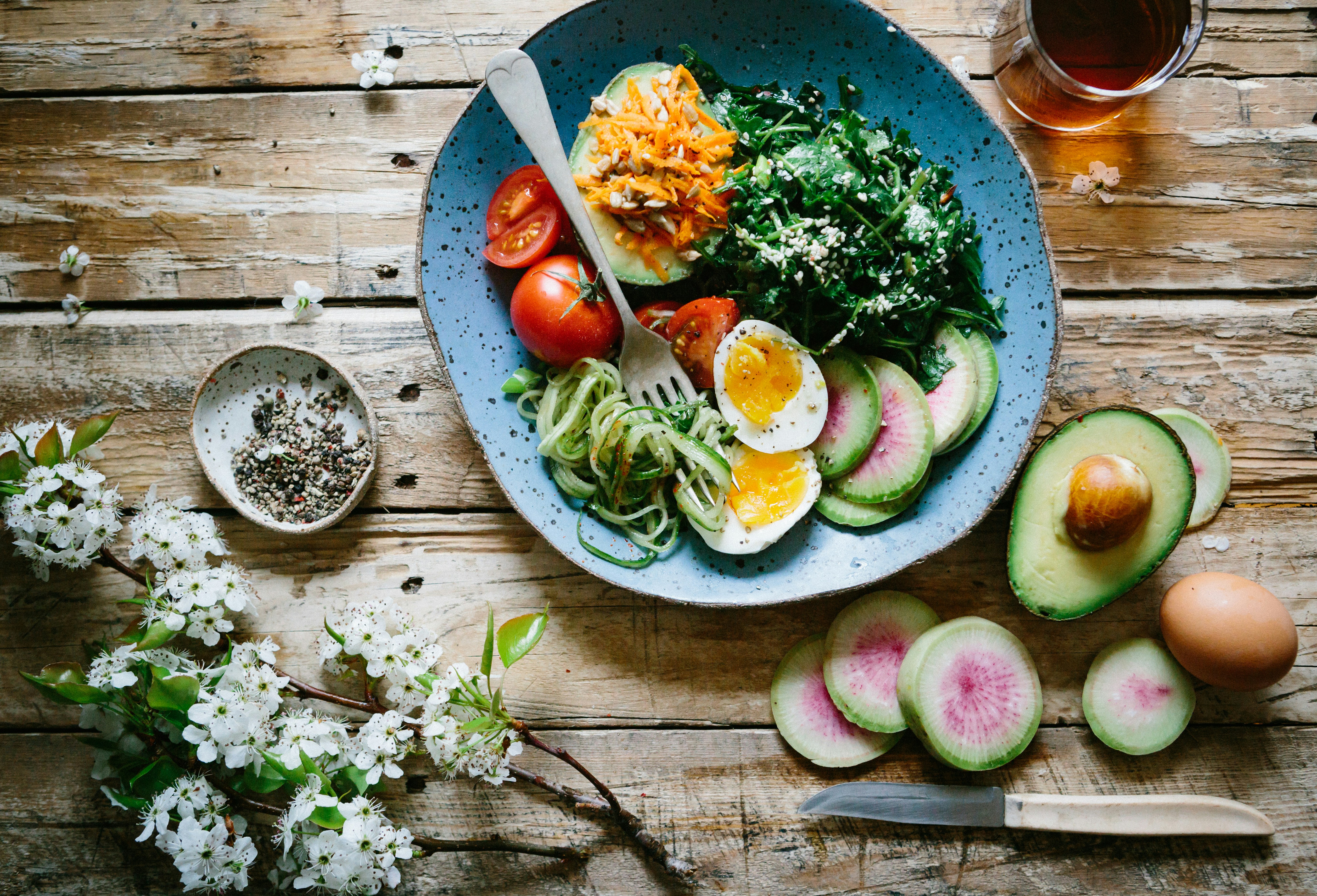
Creating a meal plan may help you visualize how to combine these foods conveniently. Here’s a five-day sample meal plan to get you started.
Day 1
- Breakfast: Scrambled eggs with spinach and feta cheese
- Lunch: Zucchini noodles with avocado pesto
- Snack: Celery sticks with almond butter
- Dinner: Grilled eggplant topped with ricotta cheese and herbs
Day 2
- Breakfast: Chia seed pudding made with unsweetened almond milk
- Lunch: Cauliflower rice stir-fry with tofu and bell peppers
- Snack: A handful of walnuts
- Dinner: Stuffed mushrooms with cream cheese and spinach
Day 3
- Breakfast: Greek yogurt with a sprinkle of hemp seeds and berries
- Lunch: Kale salad with roasted chickpeas and tahini dressing
- Snack: Sliced cucumber with guacamole
- Dinner: Ratatouille with zucchini, tomatoes, and fresh herbs
Day 4
- Breakfast: Smoothie with spinach, coconut milk, and hemp protein
- Lunch: Vegetable soup with a low-carb base
- Snack: Cheese slices with olives
- Dinner: Grilled portobello mushrooms with garlic butter
Day 5
- Breakfast: Omelette with bell peppers and cheese
- Lunch: Avocado salad with red onions and lime dressing
- Snack: A couple of macadamia nuts
- Dinner: Spinach and ricotta stuffed peppers
Nutritional Considerations
While embarking on a vegetarian keto diet can be exciting, it’s essential to follow a well-rounded approach to ensure you’re meeting your nutritional needs. Here are some considerations to keep in mind.
Micronutrients
Vegetarians might lack certain vitamins and minerals often found in animal products, such as vitamin B12, iron, and omega-3 fatty acids. Consider incorporating the following into your diet:
- B12: Found in fortified foods or consider a supplement.
- Iron: Opt for sources like lentils and spinach, and pair them with vitamin C-rich foods to enhance absorption.
- Omega-3s: Flaxseeds, chia seeds, and walnuts can provide essential fatty acids.
Hydration
Staying hydrated is crucial on any diet. Ensure you’re drinking plenty of water throughout the day. Electrolytes play a vital role when transitioning into ketosis, so consider including foods high in potassium and magnesium, such as avocados and leafy greens.
Common Challenges of Vegetarian Keto
Although a vegetarian keto diet offers many benefits, it’s not without its challenges. By anticipating these hurdles, you can better prepare yourself to navigate them.
Limited Food Choices
Initially, you may find that your food selection feels restricted, especially when dining out or socializing. It may help to have a list of your go-to vegetarian keto dishes to stay on track or even communicate your dietary preferences when dining with friends.
Meeting Protein Needs
Getting enough protein without animal sources may require creative meal planning. Use a mix of soy products, dairy, and nuts to meet your needs. It’s a great opportunity to try new recipes!
Managing Cravings
As with any diet change, cravings for carbohydrates can surface, particularly during the initial transition to ketosis. Keep alternative snacks on hand, like celery with nut butter or cheese crisps, to help manage those cravings.
Tips for Success on a Vegetarian Keto Diet
Sticking to a vegetarian keto diet doesn’t have to be daunting. Here are some friendly tips to help you thrive:
Meal Prep
Planning your meals in advance can save time and reduce the temptation to grab unhealthy snacks. Dedicate some time each week to meal prep, ensuring you have vegetarian keto meals ready to go during the week.
Experiment with Recipes
Trial and error will become your best friends. Don’t hesitate to explore new recipes or tweak existing ones to make them vegetarian-friendly. Online resources and cookbooks are full of inspiration!
Listen to Your Body
Every individual’s body responds differently to dietary changes. Pay attention to how you feel as you embark on this journey. Adjust your food choices based on your energy levels and satiety.
Connect with Others
Finding a community of individuals who share your dietary interests can be supportive and motivating. Whether online or in person, exchanging ideas, recipes, and encouragement can make your journey more enjoyable.
Conclusion: Your Path to Health
The vegetarian keto diet offers a delicious pathway to improve your health while honoring your commitment to a meat-free lifestyle. By carefully selecting low-carb vegetables, healthy fats, and plant-based proteins, you can create nourishing meals that support both your ketogenic goals and vegetarian values.
While it might take some time to adjust to this new way of eating, the benefits are worth it. Remember to plan, listen to your body, and, most importantly, enjoy the variety of flavors that come with this diet. Embrace the journey, and you’ll likely find it becomes a fulfilling part of your lifestyle. Happy cooking!





