
What if you’re considering the keto diet but aren’t aware of its less talked-about downsides? Many people jump into the keto lifestyle, attracted by the promise of quick weight loss and increased energy levels. However, there are several hidden cons to the keto diet that you should be aware of before making this significant dietary change.
Understanding the Keto Diet Basics
The keto diet, or ketogenic diet, is high in fats, moderate in proteins, and very low in carbohydrates. The idea is to shift your body from burning glucose for energy to burning fat, a state known as ketosis. While this might sound appealing, it’s essential to understand the bigger picture.
A typical keto diet consists of:
| Food Group | Typical Macros (Daily) |
|---|---|
| Fats | 70-75% |
| Protein | 20-25% |
| Carbohydrates | 5-10% |
Before starting any diet, it’s crucial to assess whether it suits your lifestyle and health goals. It’s not just about the food; it’s also about how your body responds to these changes over time.
Rapid Weight Loss: The Double-Edged Sword
One of the first things you might notice on the keto diet is rapid weight loss, especially within the first few weeks. While shedding extra pounds quickly may seem appealing, it’s essential to understand why this happens and the potential drawbacks.
Initial Water Weight Loss
When you restrict carbs, your body tends to lose a significant amount of water weight. This is primarily because glycogen, the stored form of carbohydrates, holds onto water. As you deplete your glycogen stores, your body releases water, leading to quick weight loss. Unfortunately, this isn’t the same as losing body fat.
Long-Term Weight Maintenance Challenges
Rapid weight loss can be misleading. Many people may find it challenging to maintain their new weight or keep losing fat after the initial phase. Often, once you start reintroducing carbs, the weight can quickly return, causing frustration. Understanding that the initial loss is mainly water and not fat can help set realistic expectations.

Nutrient Deficiencies: The Hidden Risk
Transitioning to a ketogenic diet can lead to nutrient deficiencies if not managed properly. While the diet allows for some fruits and vegetables, the limited carb intake means you might miss out on essential nutrients found in high-carb foods.
Key Nutrients at Risk
Several vitamins and minerals may fall short in your diet if you’re not careful. These include:
| Nutrient | Importance | Food Sources to Consider |
|---|---|---|
| Vitamin C | Boosts immunity and skin health | Berries, citrus fruits, tomatoes |
| Potassium | Regulates fluid balance and muscle function | Bananas, sweet potatoes |
| Magnesium | Supports muscle and nerve function | Nuts, seeds, leafy greens |
| Vitamin K | Important for blood clotting and bone health | Leafy greens, broccoli |
Make sure to incorporate various low-carb vegetables, nuts, and seeds into your meals to help curb potential deficiencies.
The Keto Flu: A Tough Transition
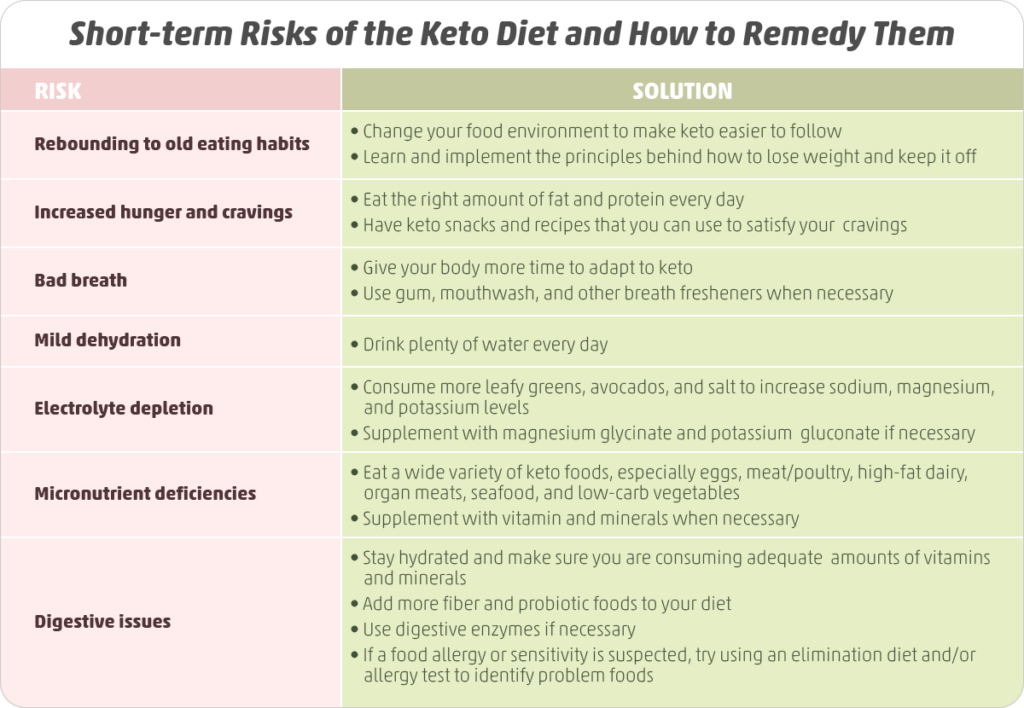
As your body adapts to ketosis, you might experience a range of symptoms collectively known as the “keto flu.” This phase can make the diet difficult and uncomfortable for many individuals.
Common Symptoms of Keto Flu
During this adjustment period, you may encounter:
- Fatigue
- Headaches
- Nausea
- Dizziness
- Irritability
These symptoms typically manifest within the first week of drastically cutting carbs. Staying hydrated and ensuring your electrolyte levels are balanced can help ease this transition.
Tips to Mitigate Keto Flu Symptoms
If you find yourself facing the keto flu, here are a few strategies:
- Hydrate: Drink plenty of water to combat fatigue and dizziness.
- Electrolyte Intake: Consider increasing your intake of sodium, potassium, and magnesium through food or supplements.
- Gradual Transition: Rather than cutting all carbs at once, consider gradually reducing carbohydrate intake over a week.
Social Situations: Navigating the Challenges
Adjusting to the keto diet can pose challenges in social settings, from family gatherings to dining out with friends. You might find it difficult to stick to your dietary choices amidst an abundance of high-carb options.
Feeling Left Out
It’s common to feel left out or awkward when your meal options are limited compared to what others are enjoying. This feeling can lead you to cheat on your diet or feel socially isolated.
Strategies for Social Situations
Here are some tips for navigating social gatherings while maintaining your keto lifestyle:
- Plan Ahead: Check the menu beforehand when dining out and pick keto-friendly options.
- Host Your Gathering: By hosting, you can control the menu and ensure there are plenty of keto options for yourself and your guests.
- Communicate: Let your friends and family know about your dietary choices. They might be more supportive than you think!
Potential for Increased Cholesterol Levels
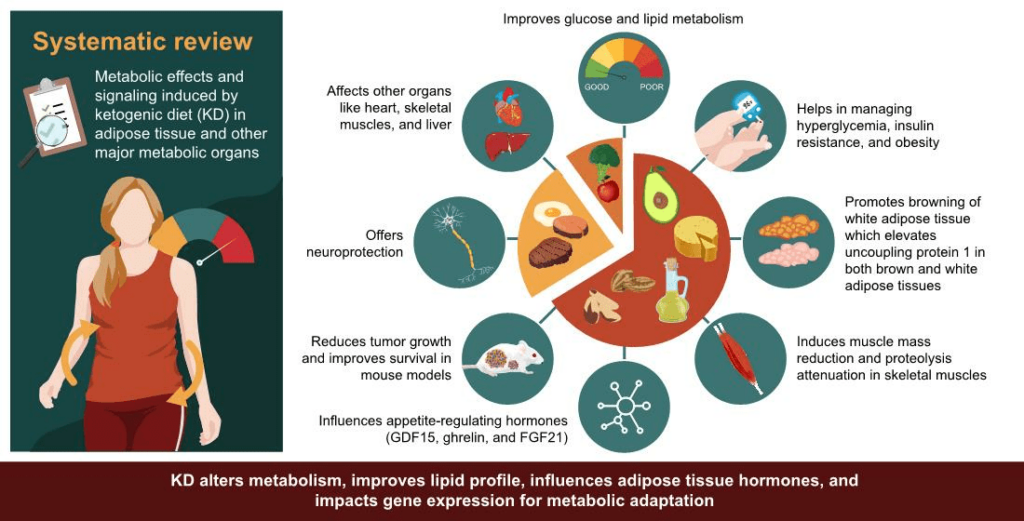
Depending on your food choices, switching to a high-fat diet could result in elevated cholesterol levels. For some individuals, this might raise concerns about heart health.
Understanding Cholesterol and Heart Health
Cholesterol is divided into two categories: LDL (bad cholesterol) and HDL (good cholesterol). While some studies suggest that a keto diet may improve the ratio of HDL to LDL, others indicate potential risks, especially for those predisposed to heart problems.
Monitoring Your Levels
- Regular Check-Ups: If you choose to follow the keto diet, it’s wise to have regular check-ups to monitor your cholesterol levels.
- Choose Healthy Fats: Focus your fat intake on healthy sources like avocados, olive oil, and fatty fish rather than saturated fats found in some animal products.
The Long-Term Sustainability Issue
Many people see short-term success with keto, but maintaining such a restrictive diet long-term can be challenging. Here are a few reasons why sustaining keto may prove difficult.
Overcoming Cravings
As humans, we naturally crave variety and different flavors. Constantly limiting yourself can lead to binge eating or feeling guilty about enjoying foods you once loved.
Finding Balance
Having a strict diet may lead to an unhealthy relationship with food. Eventually, many people feel compelled to revert to their previous eating habits, including carbs.
Incorporating Flexibility
Consider adopting a more flexible approach, such as cyclical keto or dirty keto, which may allow you to maintain some level of balance without sacrificing your health goals.
Impacts on Mental Health
The psychological effects of following a restrictive diet can be profound, affecting your mood and mental well-being.
Potential Anxiety and Stress
Dietary constraints can lead to anxiety about food choices, especially when dining out or attending social functions. You might worry about whether you’re following the diet correctly, which can create an unhealthy focus on food.
Performance in Day-to-Day Life
You may experience mood swings or irritability during the initial transition to keto. Your body is adjusting, which can impact your focus and motivation.
Prioritize Your Mental Health
To combat the mental strain, consider:
- Mindfulness: Practice being mindful about your food choices and how they make you feel.
- Stress Management: Incorporate stress-relief techniques, such as meditation, exercise, or hobbies, to help improve your mental resilience.

High-Protein vs. Standard Keto
You might come across various versions of the keto diet, including high-protein variations. Let’s examine the differences and their implications.
Standard Keto Diet (SKD)
This variation typically consists of a high fat, moderate protein, and very low-carb intake. The focus is on maintaining ketosis.
High-Protein Ketogenic Diet (HPKD)
In contrast, the HPKD allows for a higher protein intake alongside fat, altering your macronutrient distribution slightly. This variation might be more sustainable for some, but it could also prevent your body from entering full ketosis.
Choose What Works for You
Experiment with both approaches and see how your body reacts. What works wonders for one person may not work the same for you. Listen to your body and adjust your diet accordingly.
Conclusion: Making an Informed Decision
Navigating the keto diet may seem appealing, especially with the promise of quick weight loss. However, it’s essential to weigh the hidden cons to make an informed decision.
By understanding the potential obstacles and challenges, you can create a healthier relationship with food and your body. Remember to monitor your physical and mental well-being and be open to adjusting your approach where necessary.
The keto diet can be beneficial for some but may not be the best fit for everyone. So consider your lifestyle, health goals, and preferences before embarking on this journey. Whatever you decide, prioritize your overall well-being and choose a path that feels right for you.






