
Have you ever wondered how a particular diet can lead to optimal wellness and provide numerous health benefits? The keto diet is often mentioned in these conversations, and for good reasons! Let’s take a closer look at the healthy keto diet plan and how it can help you achieve your wellness goals.
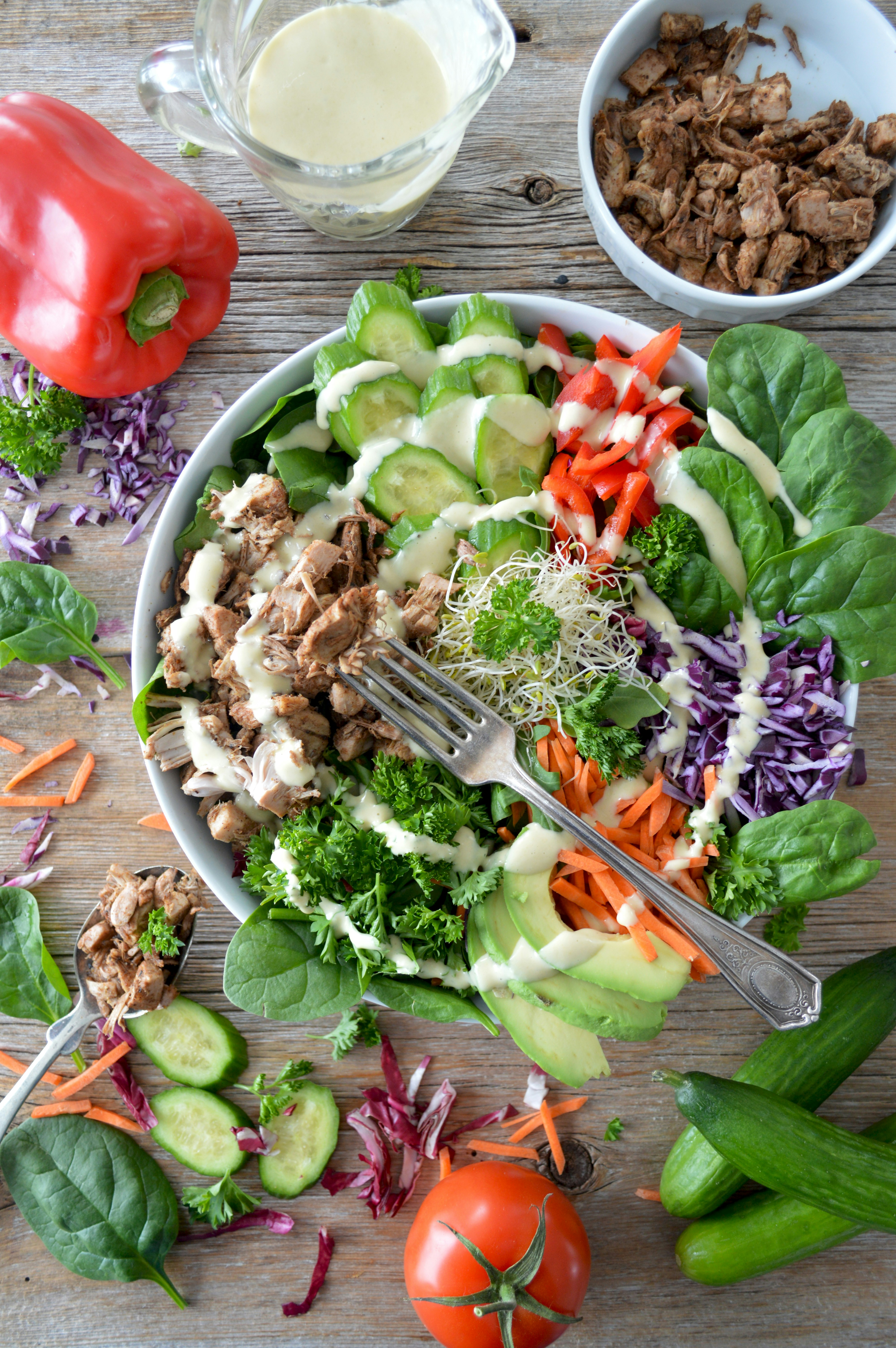
What is the Keto Diet?
The ketogenic diet, or keto diet for short, is a low-carb, high-fat dietary plan that encourages your body to enter a state of ketosis. In this metabolic state, your body becomes remarkably efficient at burning fat for energy, instead of relying on carbohydrates. By drastically reducing your carbohydrate intake and replacing it with healthy fats, you prompt your body to shift its energy production method.
How Does Ketosis Work?
Once you lower your carb intake, your glucose levels drop, prompting your body to look for an alternative energy source. The liver starts to convert fats into ketones, which then serve as fuel for your body and brain. Entering ketosis can lead to improved mental focus, increased energy levels, and even fat loss.
Benefits of the Healthy Keto Diet
Switching to a healthy keto diet can come with numerous health benefits. Here are some of the key advantages you might experience:
Weight Loss
One of the primary reasons people try the keto diet is for weight loss. When your body switches to burning fat for fuel, it can help shed those extra pounds. Many find that they feel more full on a keto diet thanks to the increased fat intake and protein levels, reducing the urge to snack.
Improved Mental Clarity
Many people on a keto diet report enhanced mental clarity and concentration. Ketones can provide a more consistent energy source for your brain compared to the fluctuations caused by sugar and carbohydrates.
Stabilized Blood Sugar Levels
The keto diet can also be beneficial for those managing blood sugar levels. By focusing on low-glycemic foods, you can help keep your blood sugar stable, which is particularly useful for anyone with insulin resistance or diabetes.
Increased Energy Levels
Once your body adjusts to burning fat as its primary energy source, you may notice a boost in your overall energy levels. The fluctuations that come from carbohydrate consumption can tire you out, while fat provides sustained energy.
Healthier Skin
Some people experience improvements in skin conditions such as acne when they switch to a ketogenic diet. This change may be attributed to reduced insulin levels, as well as a decrease in sugar intake.
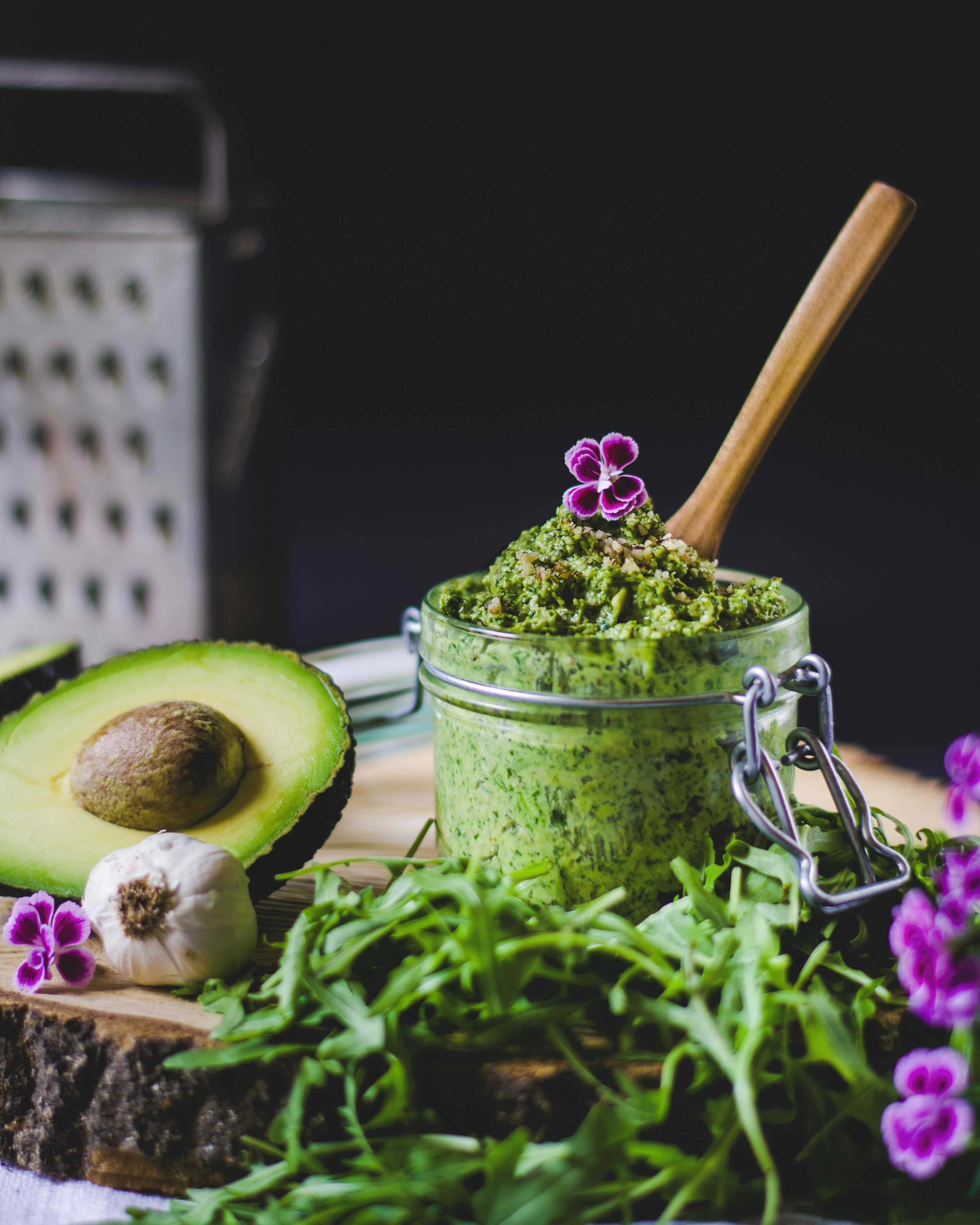
Components of a Healthy Keto Diet Plan
To achieve optimal wellness on a keto diet, it’s crucial to focus on high-quality foods, make smart choices, and ensure you’re getting a well-rounded nutritional intake.
Healthy Fats
Fat is the cornerstone of the keto diet. However, not all fats are created equal. Focus on:
- Monounsaturated fats: Olive oil, avocados, and nuts.
- Saturated fats: Coconut oil and high-quality butter.
- Omega-3 fatty acids: Fatty fish such as salmon and mackerel or flaxseeds.
Moderate Protein
While protein is essential, consuming excessive amounts can kick you out of ketosis. Aim for moderate intake, including:
- Grass-fed meats: Beef, pork, chicken, and turkey.
- Fish and seafood: A great source of protein and healthy fats.
- Eggs: A nutritious option that can be easily included in your meals.
Low-Carb Vegetables
Vegetables are essential for providing vitamins and minerals without the added sugars of starchy options. Focus on:
- Leafy greens: Spinach, kale, and Swiss chard.
- Cruciferous vegetables: Broccoli, cauliflower, and Brussels sprouts.
- Other low-carb options: Zucchini, bell peppers, and asparagus.
Avoiding Processed Foods
Even when on a keto diet, it’s essential to choose whole, nutrient-dense foods. Processed foods can contain added sugars and unhealthy fats that can ruin your health goals.
Sample Healthy Keto Meal Plan
Creating a meal plan can help you stay on track as you embark on your keto journey. Here’s a simple sample meal plan for you to consider:
| Meal | Options |
|---|---|
| Breakfast | Scrambled eggs with spinach and feta cheese |
| Snack | A handful of almonds or walnuts |
| Lunch | Grilled chicken salad with olive oil dressing |
| Snack | Celery sticks with cream cheese |
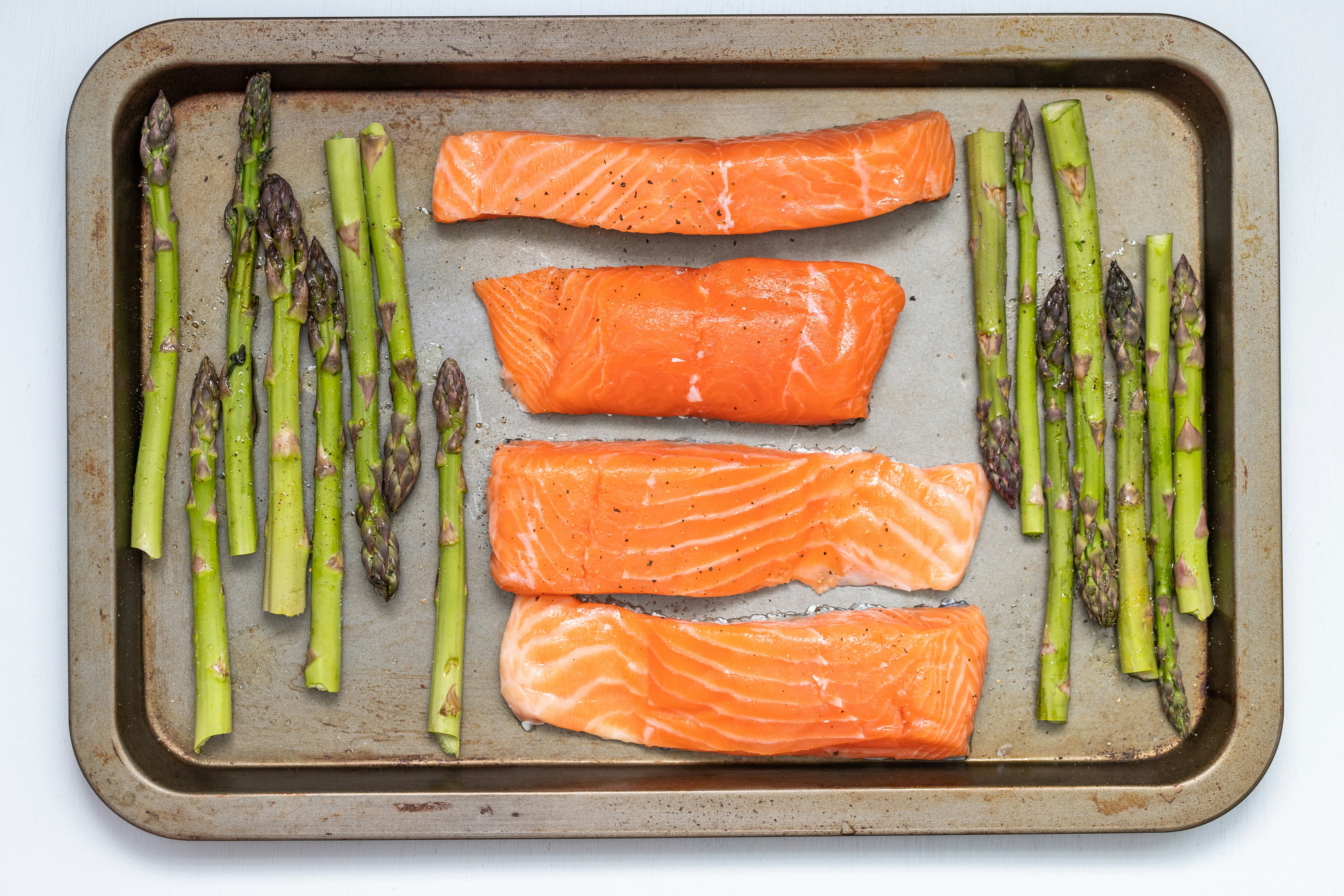
| Dinner | Baked salmon with asparagus and lemon |
| Dessert | Chia seed pudding sweetened with stevia |
The above meal plan emphasizes whole foods and incorporates healthy fats, moderate protein, and low-carb vegetables throughout the day.
Transitioning to a Healthy Keto Lifestyle
Making a significant dietary change can be a bit daunting. Here are some strategies to help you transition smoothly into a healthy keto lifestyle:
Educate Yourself
Understanding the principles of the keto diet will empower you to make informed food choices. Familiarizing yourself with which foods are keto-friendly can ease your transition and help prevent slip-ups.
Plan Your Meals
Meal planning can play a crucial role in your success on the keto diet. Take time each week to plan your meals, create a shopping list, and prep snacks.
Start Slow
If you’re new to keto, consider easing into it. Going cold turkey may work for some people, but gradually reducing your carb intake might be more sustainable.
Listen to Your Body
As you transition to a keto diet, pay attention to how your body reacts. It’s normal to experience some side effects, often referred to as the “keto flu,” as your body adjusts. Symptoms may include fatigue, headaches, or irritability, but these usually dissipate quickly.
Stay Hydrated and Maintain Electrolyte Balance
Being on a keto diet can lead to dehydration and potential electrolyte imbalances. Ensure you stay hydrated and consider supplements or foods that are high in electrolytes, such as avocados, leafy greens, and nuts.
Potential Challenges to Consider
While the healthy keto diet has many benefits, it’s essential to remain aware of potential challenges that may arise during your journey.
Social Situations
Social events or dining out may present challenges, as not all restaurants or gatherings cater to low-carb meals. Don’t hesitate to communicate your dietary preferences or bring your own keto-friendly food.
Nutritional Deficiencies
Depending on your food choices, you may face nutritional deficiencies over time. It’s important to ensure that you’re getting the necessary vitamins and minerals, potentially by incorporating high-quality supplements if needed.
Long-Term Sustainability
Some individuals find it challenging to stick to a strict keto lifestyle long-term. By finding a balance that works for you and allowing for the occasional treat, you can create a sustainable approach to healthy eating.

Tips for Long-Term Success
Achieving success on a keto diet requires some additional strategies. Here are some tips to help you maintain your new lifestyle:
Track Your Progress
Keeping track of your meals, weight, and overall energy levels can be motivating. Consider using a food diary or an app to log your progress.
Find a Support System
Connecting with others who are also pursuing a ketogenic lifestyle can offer emotional and practical support. Joining online communities or local keto groups can be beneficial for sharing experiences and tips.
Experiment with Recipes
Variety is key to sustaining interest in your meal plan. Experiment with different keto-friendly recipes to keep your meals exciting and satisfying.
Emphasize Whole Foods
Focusing on whole foods over packaged products can help you maintain nutritional balance and support optimal wellness.
Conclusion
If you’ve been considering a dietary change, the healthy keto diet may be worth trying. By understanding the principles, benefits, and strategies to succeed, you can embark on a path to improved wellness. Remember, it’s about finding a balanced and enjoyable approach to eating that works best for you. Happy eating!






