The ketogenic diet, commonly referred to as the keto diet, is a high-fat, low-carbohydrate dietary regimen that has gained significant popularity in recent years. The primary objective of this diet is to induce a state of ketosis in the body, where fat becomes the primary source of energy instead of carbohydrates. This metabolic state occurs when carbohydrate intake is drastically reduced, typically to about 5-10% of total daily caloric intake, while fat consumption is increased to around 70-80%.
Protein intake is moderate, usually comprising about 20-25% of total calories. The shift in macronutrient ratios forces the body to burn fat for fuel, leading to weight loss and various health benefits. The origins of the keto diet can be traced back to the early 20th century when it was initially developed as a treatment for epilepsy.
Researchers discovered that fasting could reduce seizure frequency in patients, and they sought to replicate this effect through a high-fat diet. Over time, the diet has evolved and gained traction among those seeking weight loss and improved metabolic health. Proponents of the keto diet often cite benefits such as enhanced mental clarity, increased energy levels, and reduced hunger pangs, making it an appealing option for many individuals looking to improve their overall well-being.
Key Takeaways
- The keto diet is a high-fat, low-carb diet that aims to put the body in a state of ketosis, where it burns fat for fuel instead of carbohydrates.
- Approved foods for the keto diet include meat, fish, eggs, butter, oils, nuts, seeds, and low-carb vegetables.
- Protein sources for the keto diet include meat, poultry, fish, and tofu, which are all low in carbohydrates.
- Healthy fats for the keto diet include avocados, olive oil, coconut oil, and fatty cuts of meat, which help to keep the body in ketosis.
- Low-carb vegetables for the keto diet include leafy greens, broccoli, cauliflower, and zucchini, which are high in fiber and low in carbohydrates.
What are Approved Foods for Keto Diet?
When embarking on a ketogenic diet, it is crucial to understand which foods are approved and which should be avoided. The foundation of the keto diet consists of foods that are high in healthy fats, moderate in protein, and low in carbohydrates. Approved foods typically include fatty cuts of meat, fish, eggs, avocados, nuts, seeds, and low-carb vegetables.
These foods not only help maintain ketosis but also provide essential nutrients that support overall health. In contrast, foods that are high in carbohydrates must be limited or eliminated entirely. This includes grains, sugars, starchy vegetables, and most fruits.
For instance, while berries can be consumed in moderation due to their lower carbohydrate content compared to other fruits, bananas and apples are generally off-limits. Understanding these distinctions is vital for anyone considering the keto diet, as it sets the stage for meal planning and grocery shopping. By focusing on approved foods, individuals can effectively navigate their dietary choices and maintain their desired state of ketosis.
Protein Sources for Keto Diet
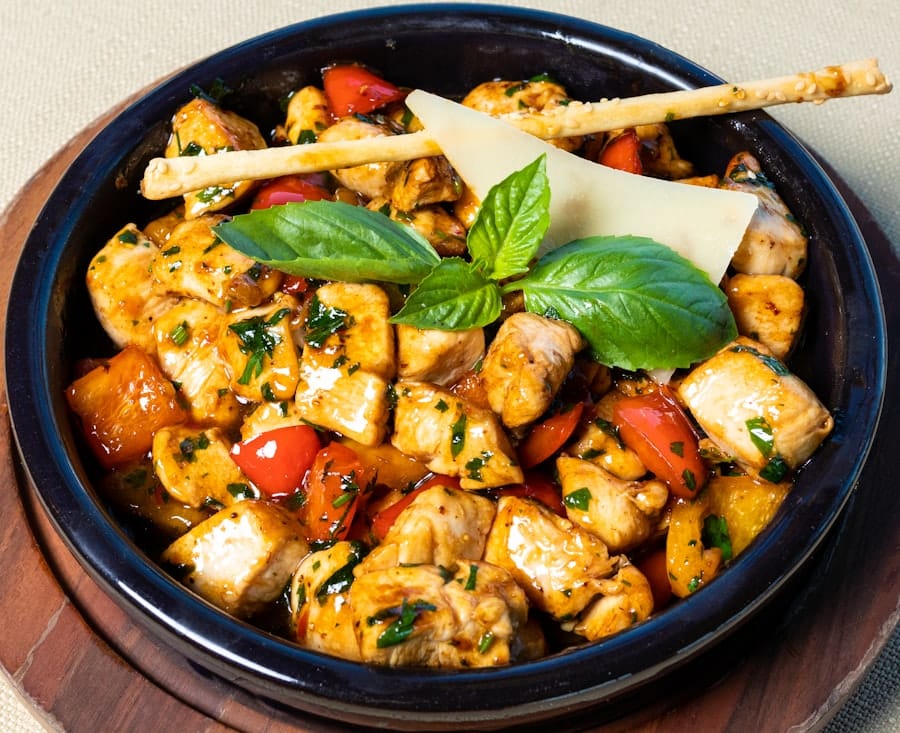
Protein is an essential macronutrient that plays a critical role in muscle repair, immune function, and hormone production. On a ketogenic diet, protein sources should be chosen carefully to ensure they align with the overall macronutrient goals. High-quality protein sources include fatty cuts of meat such as ribeye steak, pork belly, and chicken thighs with skin.
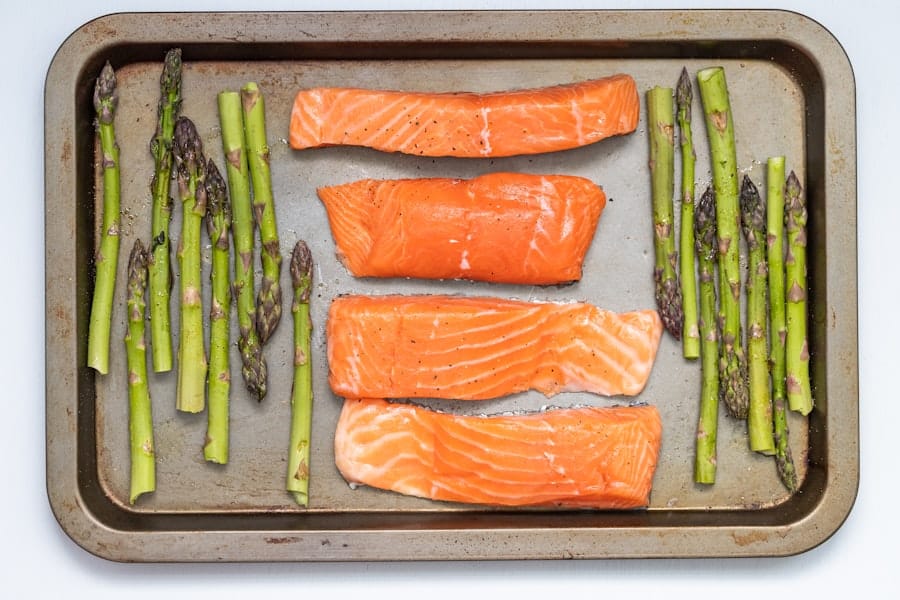
These options not only provide adequate protein but also contribute healthy fats that are necessary for maintaining ketosis. Fish is another excellent protein source for those on a keto diet. Fatty fish like salmon, mackerel, and sardines are rich in omega-3 fatty acids, which offer numerous health benefits including anti-inflammatory properties and improved heart health.
Eggs are also a staple protein source on the keto diet; they are versatile and can be prepared in various ways while being low in carbohydrates. Incorporating these protein sources into meals can help individuals meet their nutritional needs while adhering to the principles of the ketogenic diet.
Healthy Fats for Keto Diet
Healthy fats are the cornerstone of the ketogenic diet and are essential for achieving and maintaining ketosis. The types of fats consumed can significantly impact overall health and well-being. Unsaturated fats, particularly monounsaturated and polyunsaturated fats, should be prioritized.
Olive oil, avocado oil, and coconut oil are excellent choices for cooking and salad dressings due to their favorable fatty acid profiles. In addition to oils, whole food sources of healthy fats should also be included in the diet. Avocados are a nutrient-dense option that provides fiber, potassium, and heart-healthy fats.
Nuts and seeds such as almonds, walnuts, chia seeds, and flaxseeds are not only rich in healthy fats but also provide essential vitamins and minerals. These fats help keep individuals satiated and energized throughout the day while supporting various bodily functions.
Low-Carb Vegetables for Keto Diet
While many vegetables are nutritious, not all are suitable for a ketogenic diet due to their carbohydrate content. Low-carb vegetables should be prioritized to ensure that individuals can enjoy a variety of flavors and textures while staying within their carbohydrate limits. Leafy greens such as spinach, kale, and arugula are excellent choices; they are low in carbs but high in vitamins A, C, K, and various antioxidants.
Cruciferous vegetables like broccoli, cauliflower, and Brussels sprouts are also ideal for those on a keto diet. These vegetables not only provide fiber but also contain compounds that may have cancer-fighting properties. Other low-carb options include zucchini, bell peppers, asparagus, and mushrooms.
Incorporating these vegetables into meals can enhance nutrient intake while keeping carbohydrate consumption in check.
Dairy Products for Keto Diet
Dairy products can be a valuable addition to a ketogenic diet if chosen wisely. Full-fat dairy options such as cheese, heavy cream, and Greek yogurt can provide both flavor and essential nutrients without significantly increasing carbohydrate intake. Cheese varieties like cheddar, mozzarella, and cream cheese are particularly popular among keto dieters due to their low carb content and versatility in cooking.
Heavy cream is often used in recipes to add richness and creaminess without adding excessive carbohydrates. It can be used in sauces, soups, or even whipped as a topping for desserts. Greek yogurt can also be enjoyed in moderation; however, it is essential to choose unsweetened varieties to avoid added sugars that could disrupt ketosis.
By incorporating these dairy products into meals and snacks, individuals can enjoy satisfying flavors while adhering to their dietary goals.
Nuts and Seeds for Keto Diet
Nuts and seeds are nutrient-dense foods that provide healthy fats, protein, fiber, vitamins, and minerals—making them an excellent choice for those following a ketogenic diet. However, it is important to be mindful of portion sizes due to their calorie density. Almonds are one of the most popular nuts on the keto diet; they are low in carbs and high in healthy monounsaturated fats.
They can be enjoyed raw or roasted as a snack or added to salads for extra crunch. Other nuts such as walnuts, macadamia nuts, and pecans are also great options due to their favorable fat profiles. Seeds like chia seeds and flaxseeds are particularly beneficial because they are rich in omega-3 fatty acids and fiber.
Chia seeds can absorb liquid and expand in size, making them an excellent ingredient for puddings or smoothies. Incorporating a variety of nuts and seeds into the diet not only enhances flavor but also contributes to overall health by providing essential nutrients.
Beverages for Keto Diet
Staying hydrated is crucial on any diet, including the ketogenic diet; however, beverage choices must align with the low-carb principles of keto. Water should be the primary beverage of choice due to its zero-calorie content and essential role in bodily functions. For those seeking variety beyond plain water, herbal teas or infused water with slices of lemon or cucumber can add flavor without adding carbohydrates.
Coffee is another popular beverage among keto dieters; it can be enjoyed black or with added healthy fats such as coconut oil or butter—often referred to as “bulletproof coffee.” This combination provides sustained energy without spiking blood sugar levels. Additionally, unsweetened almond milk or coconut milk can serve as alternatives to traditional dairy milk in coffee or smoothies while keeping carbohydrate intake low.
Sweeteners for Keto Diet
One of the challenges many face when transitioning to a ketogenic diet is finding suitable alternatives for sugar. Fortunately, there are several low-carb sweeteners available that can satisfy sweet cravings without disrupting ketosis. Stevia is a popular natural sweetener derived from the leaves of the Stevia plant; it contains no calories or carbohydrates and is significantly sweeter than sugar.
Erythritol is another favored option among keto dieters; it is a sugar alcohol that has minimal impact on blood sugar levels while providing sweetness similar to sugar without the calories. Monk fruit sweetener is also gaining popularity due to its natural origins and zero-calorie content. When using these sweeteners in recipes or beverages, individuals can enjoy sweetness without compromising their dietary goals.
Condiments and Spices for Keto Diet
Condiments and spices play an essential role in enhancing flavor while adhering to a ketogenic diet. However, many store-bought condiments contain added sugars or high-carb ingredients that can hinder progress toward ketosis. It is advisable to opt for homemade versions whenever possible or choose brands that offer low-carb alternatives.
Mustard is an excellent condiment choice; it is typically low in carbs and adds a tangy flavor to dishes without unnecessary calories. Mayonnaise made from healthy oils like avocado or olive oil can also be used as a base for dressings or dips while providing healthy fats. Spices such as garlic powder, paprika, cumin, and turmeric can elevate dishes without adding carbs; they also offer various health benefits due to their antioxidant properties.
Snacks for Keto Diet
Snacking on a ketogenic diet requires careful selection to ensure that snacks align with macronutrient goals while satisfying hunger between meals. One popular option is cheese crisps—baked cheese that becomes crunchy—providing both flavor and texture without carbs. Another convenient snack is beef jerky; however, it’s essential to choose varieties without added sugars or preservatives.
Vegetable sticks paired with guacamole or cream cheese make for a nutritious snack that incorporates healthy fats while keeping carbs low. Hard-boiled eggs are another excellent choice; they are portable and packed with protein and healthy fats that promote satiety. By preparing snacks ahead of time using approved ingredients, individuals can stay on track with their dietary goals while enjoying delicious options throughout the day.
FAQs
What are approved foods for a keto diet?
Approved foods for a keto diet typically include low-carb, high-fat foods such as meat, fish, eggs, dairy, nuts, seeds, and low-carb vegetables.
What types of meat are approved for a keto diet?
Meats such as beef, pork, chicken, turkey, and lamb are approved for a keto diet. Processed meats like bacon and sausage can also be included, but it’s important to check for added sugars and fillers.
Are all vegetables allowed on a keto diet?
Low-carb vegetables such as leafy greens, broccoli, cauliflower, zucchini, and bell peppers are approved for a keto diet. Starchy vegetables like potatoes and corn should be limited or avoided.
Can I eat fruits on a keto diet?
Most fruits are high in carbohydrates and are not typically included in a keto diet. However, small portions of berries such as strawberries, blueberries, and raspberries can be consumed in moderation.
What dairy products are approved for a keto diet?
Dairy products such as cheese, butter, heavy cream, and full-fat yogurt are approved for a keto diet. It’s important to choose full-fat options and avoid flavored or sweetened varieties.
Are there any approved sweeteners for a keto diet?
Approved sweeteners for a keto diet include stevia, erythritol, and monk fruit. These sweeteners are low in carbohydrates and do not significantly impact blood sugar levels.
Can I consume alcohol on a keto diet?
While some alcoholic beverages can be consumed in moderation on a keto diet, it’s important to choose options that are low in carbohydrates, such as dry wines, spirits, and light beers. Sweetened cocktails and sugary mixers should be avoided.