A Keto meal plan is a structured dietary approach that emphasizes high-fat, moderate-protein, and very low-carbohydrate intake. The primary goal of this plan is to induce a state of ketosis in your body, where it shifts from using glucose as its main energy source to burning fat for fuel. This metabolic state can lead to various health benefits, including weight loss and improved mental clarity.
By drastically reducing carbohydrate consumption, you encourage your body to tap into its fat reserves, which can be particularly appealing if you’re looking to shed some pounds or enhance your overall health. When you embark on a Keto meal plan, you will typically consume around 70-75% of your daily calories from fats, 20-25% from proteins, and only about 5-10% from carbohydrates. This means that traditional foods like bread, pasta, and sugary snacks are largely off-limits.
Instead, you will focus on nutrient-dense foods that are rich in healthy fats and proteins. The transition to this way of eating can be challenging at first, but many find that the benefits far outweigh the initial difficulties. As you adapt to this new lifestyle, you may discover a newfound appreciation for whole foods and a deeper understanding of how different macronutrients affect your body.
Key Takeaways
- A keto meal plan is a low-carb, high-fat diet that aims to put the body in a state of ketosis, where it burns fat for fuel instead of carbohydrates.
- Following a keto meal plan can lead to weight loss, improved blood sugar control, and increased energy levels.
- Foods to include in a keto meal plan are high-fat dairy, meat, fish, low-carb vegetables, and healthy fats like avocado and olive oil.
- Foods to avoid in a keto meal plan include high-carb foods like bread, pasta, rice, and sugary snacks and drinks.
- To create a keto meal plan, calculate your macronutrient needs, plan your meals around low-carb, high-fat foods, and track your progress.
Benefits of Following a Keto Meal Plan
One of the most significant benefits of following a Keto meal plan is weight loss. By limiting carbohydrates, your body begins to burn stored fat for energy, which can lead to rapid weight loss in the initial stages. Many people experience a decrease in appetite as well, which can make it easier to stick to the plan without feeling deprived.
This combination of fat burning and reduced hunger can be a powerful motivator for those looking to lose weight. In addition to weight loss, a Keto meal plan may offer other health benefits. Research suggests that it can improve insulin sensitivity, which is particularly beneficial for individuals with type 2 diabetes or those at risk for developing it.
Furthermore, some studies indicate that a ketogenic diet may have neuroprotective effects, potentially benefiting conditions like epilepsy and Alzheimer’s disease. You might also notice improvements in your energy levels and mental clarity as your body becomes more efficient at utilizing fat for fuel. These benefits can contribute to an overall sense of well-being and vitality.
Foods to Include in a Keto Meal Plan

When crafting your Keto meal plan, it’s essential to focus on foods that align with the macronutrient ratios required for ketosis. Healthy fats should be the cornerstone of your diet. Avocados, olive oil, coconut oil, and nuts are excellent sources of fat that can help you meet your daily requirements while providing essential nutrients.
Incorporating fatty fish like salmon or mackerel can also be beneficial due to their omega-3 fatty acids. In addition to healthy fats, you’ll want to include high-quality protein sources in your meals. Grass-fed meats, poultry, eggs, and full-fat dairy products are all great options.
These foods not only provide the necessary protein but also contribute to satiety, helping you feel full and satisfied throughout the day. Non-starchy vegetables such as leafy greens, broccoli, cauliflower, and zucchini should also be included in your meal plan. These vegetables are low in carbohydrates but high in fiber and essential vitamins, making them perfect companions for your Keto meals.
Foods to Avoid in a Keto Meal Plan
To successfully follow a Keto meal plan, it’s crucial to avoid foods that are high in carbohydrates. This includes grains such as wheat, rice, and oats, as well as starchy vegetables like potatoes and corn. Sugary foods and beverages are also off-limits; this means steering clear of candies, pastries, soda, and even fruit juices that can spike your blood sugar levels.
Processed foods often contain hidden sugars and unhealthy fats that can derail your progress on a Keto diet. It’s wise to read labels carefully and avoid anything that contains high-fructose corn syrup or trans fats. Additionally, many people find it helpful to limit their intake of certain fruits due to their natural sugar content; while berries can be enjoyed in moderation, fruits like bananas and grapes should generally be avoided.
By being mindful of what you eat and steering clear of these high-carb foods, you can maintain ketosis and reap the benefits of your Keto meal plan.
How to Create a Keto Meal Plan
Creating a successful Keto meal plan involves careful planning and consideration of your dietary preferences and lifestyle. Start by determining your daily caloric needs based on factors such as age, gender, activity level, and weight loss goals. Once you have this information, you can calculate the appropriate macronutrient ratios for your Keto diet—typically around 70-75% fats, 20-25% proteins, and 5-10% carbohydrates.
Next, take some time to explore recipes that fit within these macronutrient guidelines. There are countless resources available online that offer delicious Keto-friendly meals ranging from breakfast options like scrambled eggs with avocado to dinner ideas such as grilled chicken with sautéed spinach. As you create your meal plan, consider batch cooking or meal prepping to save time during the week.
This will help ensure that you always have healthy options on hand when hunger strikes.
Sample Keto Meal Plan for a Week
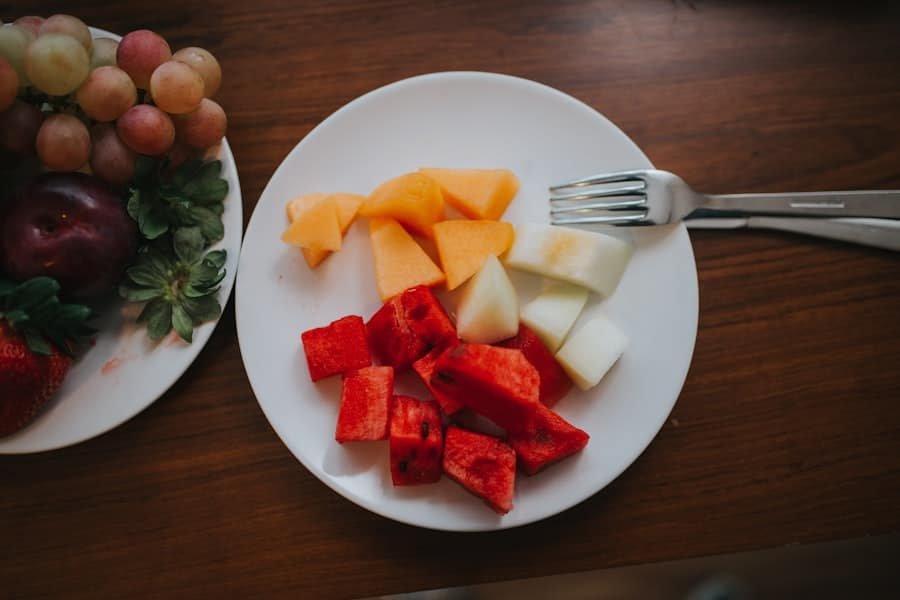
To give you an idea of what a week on a Keto meal plan might look like, here’s a sample menu: **Day 1:**
– Breakfast: Scrambled eggs cooked in butter with spinach
– Lunch: Grilled chicken salad with olive oil dressing
– Dinner: Baked salmon with asparagus sautéed in coconut oil
– Snack: A handful of almonds **Day 2:**
– Breakfast: Greek yogurt topped with chia seeds
– Lunch: Zucchini noodles with pesto sauce
– Dinner: Beef stir-fry with bell peppers and broccoli
– Snack: Celery sticks with cream cheese **Day 3:**
– Breakfast: Omelet with cheese and mushrooms
– Lunch: Tuna salad wrapped in lettuce leaves
– Dinner: Pork chops with cauliflower mash
– Snack: Hard-boiled eggs **Day 4:**
– Breakfast: Smoothie made with coconut milk and spinach
– Lunch: Cobb salad with bacon and avocado
– Dinner: Grilled shrimp with zucchini
– Snack: Olives **Day 5:**
– Breakfast: Chia pudding made with almond milk
– Lunch: Egg salad served in avocado halves
– Dinner: Chicken thighs roasted with Brussels sprouts
– Snack: Cheese slices **Day 6:**
– Breakfast: Frittata with bell peppers and cheese
– Lunch: Salad with grilled steak and blue cheese dressing
– Dinner: Lamb chops with roasted radishes
– Snack: Macadamia nuts **Day 7:**
– Breakfast: Coconut flour pancakes topped with butter
– Lunch: Shrimp salad with avocado
– Dinner: Meatballs served with zucchini noodles
– Snack: Cucumber slices with guacamole
Tips for Success on a Keto Meal Plan
To maximize your success on a Keto meal plan, consider keeping a food journal to track what you eat and how it makes you feel. This practice can help you identify patterns in your eating habits and make adjustments as needed. Staying hydrated is also crucial; drinking plenty of water can help alleviate some common side effects associated with transitioning into ketosis.
Another helpful tip is to find a support system or community that shares your goals. Whether it’s friends who are also following a Keto diet or online forums dedicated to low-carb living, having others to share experiences with can provide motivation and encouragement during challenging times. Lastly, be patient with yourself as you adjust to this new way of eating; it may take time for your body to adapt fully to burning fat for fuel.
Frequently Asked Questions about Keto Meal Plans
As you embark on your Keto journey, you may have several questions about the diet itself. One common inquiry is whether the Keto diet is safe for everyone. While many people can benefit from this approach, it’s essential to consult with a healthcare professional before making significant dietary changes—especially if you have underlying health conditions.
Another frequently asked question revolves around the sustainability of the Keto diet long-term. While some individuals thrive on this way of eating for extended periods, others may find it challenging to maintain over time due to social situations or personal preferences. It’s important to listen to your body and make adjustments as needed; if you find that strict adherence isn’t working for you, consider incorporating more flexibility into your meal plan while still focusing on whole foods.
In conclusion, following a Keto meal plan can be an effective way to achieve weight loss and improve overall health when done mindfully. By understanding what foods to include and avoid, creating a structured meal plan, and employing strategies for success, you can navigate this dietary approach effectively. Remember that every individual’s journey is unique; what works for one person may not work for another.
Stay informed, stay motivated, and enjoy the process of discovering new foods and recipes along the way!
FAQs
What is a keto meal plan?
A keto meal plan is a high-fat, low-carbohydrate eating plan designed to put the body into a state of ketosis, where it burns fat for fuel instead of carbohydrates.
What foods are typically included in a keto meal plan?
Foods commonly included in a keto meal plan are high-fat foods such as meats, fish, eggs, dairy products, nuts, seeds, and low-carbohydrate vegetables.
What foods are typically excluded from a keto meal plan?
Foods typically excluded from a keto meal plan are high-carbohydrate foods such as grains, sugars, fruits, starchy vegetables, and processed foods.
What are the potential benefits of following a keto meal plan?
Potential benefits of following a keto meal plan may include weight loss, improved blood sugar control, and increased energy levels.
Are there any potential risks or drawbacks to following a keto meal plan?
Potential risks or drawbacks of following a keto meal plan may include nutrient deficiencies, constipation, and an increased risk of developing kidney stones.
Is a keto meal plan suitable for everyone?
A keto meal plan may not be suitable for everyone, particularly those with certain medical conditions such as diabetes or kidney disease. It is important to consult with a healthcare professional before starting a keto meal plan.