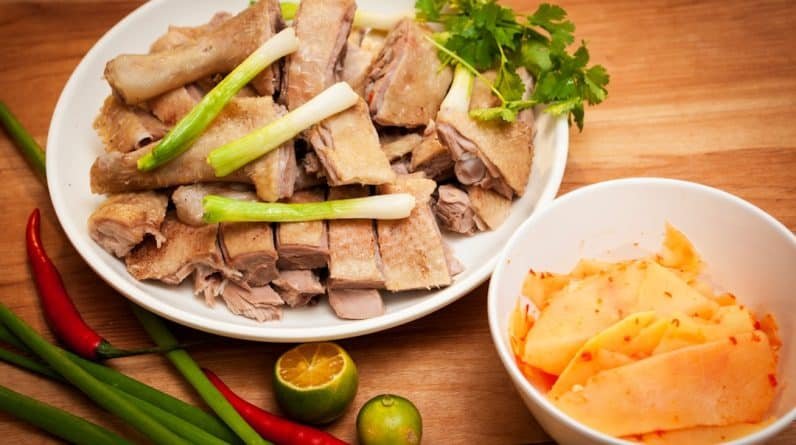
The Keto diet, short for the ketogenic diet, is a high-fat, low-carbohydrate eating plan designed to shift your body’s metabolism away from carbohydrates and towards fat. By drastically reducing your intake of carbohydrates and replacing them with fats, you enter a metabolic state known as ketosis. In this state, your body becomes incredibly efficient at burning fat for energy, which can lead to significant weight loss and other health benefits.
The typical macronutrient breakdown for a ketogenic diet is approximately 70-75% fat, 20-25% protein, and only about 5-10% carbohydrates. This dietary approach has gained immense popularity in recent years, not just for weight loss but also for its potential therapeutic benefits. Originally developed in the 1920s to treat epilepsy, the Keto diet has since been explored for its effects on various health conditions, including type 2 diabetes, heart disease, and even certain types of cancer.
As you delve into this lifestyle, you may find that it offers a unique way to fuel your body while also promoting overall well-being.
Key Takeaways
- The Keto Diet is a high-fat, low-carbohydrate diet that aims to put the body into a state of ketosis, where it burns fat for fuel instead of carbohydrates.
- Benefits of the Keto Diet include weight loss, improved blood sugar control, and increased mental clarity and focus.
- To get started with the Keto Diet, it’s important to calculate your macronutrient needs, plan your meals, and gradually reduce your carbohydrate intake.
- Foods to eat on the Keto Diet include meat, fish, eggs, low-carb vegetables, and healthy fats like avocado and olive oil.
- Foods to avoid on the Keto Diet include sugar, grains, starchy vegetables, and most fruits, as well as processed foods and high-carb snacks.
Benefits of the Keto Diet
One of the most compelling reasons to consider the Keto diet is its potential for weight loss. By limiting carbohydrate intake, your body begins to burn stored fat for energy, which can lead to rapid weight loss in the initial stages. Many people report losing several pounds within the first week of starting the diet, which can be incredibly motivating.
Additionally, the high-fat content of the diet can help you feel fuller for longer periods, reducing cravings and making it easier to stick to your eating plan. Beyond weight loss, the Keto diet may offer several other health benefits. Research suggests that it can improve insulin sensitivity, which is particularly beneficial for those with type 2 diabetes or prediabetes.
By stabilizing blood sugar levels, you may experience fewer energy crashes and mood swings throughout the day. Furthermore, some studies indicate that the Keto diet may have neuroprotective effects, potentially benefiting brain health and reducing the risk of neurodegenerative diseases like Alzheimer’s. As you explore this dietary approach, you may find that it not only helps you shed pounds but also enhances your overall health.
Getting Started with the Keto Diet

Embarking on the Keto diet requires a shift in mindset and a commitment to understanding how your body responds to different foods. To begin, it’s essential to educate yourself about the macronutrient ratios that define this diet. Familiarize yourself with what constitutes healthy fats, proteins, and carbohydrates.
You might find it helpful to track your food intake initially to ensure you’re meeting your macronutrient goals. There are numerous apps available that can assist you in monitoring your daily consumption. As you prepare to start your Keto journey, consider planning your meals in advance.
This proactive approach can help you avoid the temptation of reaching for high-carb snacks when hunger strikes. Stock your kitchen with Keto-friendly foods and ingredients so that you have everything you need at your fingertips. Additionally, it may be beneficial to consult with a healthcare professional or a registered dietitian before making significant dietary changes, especially if you have underlying health conditions or concerns.
Foods to Eat on the Keto Diet
When following the Keto diet, you’ll want to focus on incorporating a variety of nutrient-dense foods that align with your macronutrient goals. Healthy fats should be at the forefront of your meals; think avocados, olive oil, coconut oil, and nuts. These foods not only provide essential fatty acids but also contribute to satiety and flavor in your dishes.
You can also enjoy fatty cuts of meat like ribeye steak or pork belly, as well as fatty fish such as salmon and mackerel. In addition to fats and proteins, non-starchy vegetables should be a staple in your diet. Leafy greens like spinach and kale, along with cruciferous vegetables such as broccoli and cauliflower, are excellent choices that are low in carbohydrates but high in fiber and essential vitamins.
You can also include dairy products like cheese and heavy cream in moderation, as they can add richness to your meals while keeping carb counts low. By focusing on these food groups, you’ll create a satisfying and diverse menu that supports your Keto lifestyle.
Foods to Avoid on the Keto Diet
To successfully navigate the Keto diet, it’s crucial to be aware of which foods to avoid. The primary culprits are high-carbohydrate foods that can quickly derail your progress. This includes sugary snacks like candy, cookies, and cakes, as well as starchy foods such as bread, pasta, rice, and potatoes.
Even certain fruits can be problematic due to their natural sugar content; bananas, grapes, and apples are best limited or avoided altogether. Processed foods often contain hidden sugars and unhealthy additives that can hinder your ability to maintain ketosis. It’s wise to read labels carefully and steer clear of items that list sugar or refined grains among their top ingredients.
Additionally, be cautious with condiments and sauces; many contain added sugars that can quickly add up in terms of carbohydrate intake. By being mindful of these foods and making conscious choices about what you consume, you’ll set yourself up for success on your Keto journey.
Tips for Success on the Keto Diet

To thrive on the Keto diet, consider implementing a few practical tips that can enhance your experience. First and foremost, stay hydrated. Drinking plenty of water is essential for overall health and can help alleviate some common side effects associated with transitioning into ketosis, such as headaches or fatigue.
You might also want to increase your electrolyte intake by consuming foods rich in potassium and magnesium or considering supplements if necessary. Another key aspect of success is meal prepping. By preparing meals in advance, you can ensure that you always have Keto-friendly options available when hunger strikes.
This not only saves time during busy weekdays but also helps you resist the temptation of reaching for non-compliant foods. Experimenting with new recipes can keep your meals exciting and prevent boredom from setting in. Engaging with online communities or social media groups dedicated to the Keto lifestyle can also provide support and inspiration as you navigate this dietary change.
Common Mistakes to Avoid on the Keto Diet
As you embark on your Keto journey, it’s important to be aware of common pitfalls that could hinder your progress. One frequent mistake is not consuming enough healthy fats. Since the diet relies heavily on fat for energy, skimping on this macronutrient can lead to feelings of fatigue or hunger.
Make sure you’re incorporating a variety of healthy fats into your meals to keep your energy levels stable. Another common error is neglecting to track your carbohydrate intake accurately. Even small amounts of hidden carbs can add up quickly and prevent you from entering or maintaining ketosis.
Be diligent about reading labels and measuring portions when necessary. Additionally, some individuals may experience what is known as “Keto flu” during the initial transition period; this can include symptoms like fatigue or irritability as your body adjusts to burning fat instead of carbs. Understanding that these symptoms are temporary can help you stay committed during this adjustment phase.
Sample Keto Meal Plan
Creating a sample meal plan can provide you with a clear roadmap as you begin your Keto journey. For breakfast, consider starting your day with scrambled eggs cooked in butter alongside sautéed spinach and avocado slices. This meal is rich in healthy fats and protein while keeping carbohydrates low.
For lunch, a salad featuring grilled chicken breast topped with olive oil dressing, feta cheese, and a variety of non-starchy vegetables makes for a satisfying option. You could also enjoy a hearty bowl of cauliflower soup blended with cream for added richness. Dinner could consist of baked salmon drizzled with lemon butter sauce served alongside roasted Brussels sprouts tossed in olive oil.
For a snack between meals, consider munching on a handful of almonds or celery sticks paired with cream cheese. By following this sample meal plan and adjusting it according to your preferences and nutritional needs, you’ll be well on your way to successfully embracing the Keto lifestyle while enjoying delicious food along the way.
FAQs
What is the keto diet?
The keto diet is a high-fat, low-carbohydrate diet that has been shown to help with weight loss and improve certain health conditions. It involves drastically reducing carbohydrate intake and replacing it with fat, which puts the body into a metabolic state called ketosis.
How does the keto diet work?
The keto diet works by forcing the body to burn fat for fuel instead of carbohydrates. When carbohydrate intake is limited, the body produces ketones from fat, which are used as an alternative fuel source. This can lead to weight loss and improved energy levels.
What foods are allowed on the keto diet?
Foods that are allowed on the keto diet include high-fat foods such as meat, fish, eggs, dairy, nuts, seeds, and healthy oils. Low-carbohydrate vegetables such as leafy greens, broccoli, and cauliflower are also allowed. Foods to avoid include high-carbohydrate foods such as grains, sugars, fruits, and starchy vegetables.
What are the potential benefits of the keto diet?
Some potential benefits of the keto diet include weight loss, improved blood sugar control, reduced inflammation, and increased mental clarity. It may also be beneficial for certain medical conditions such as epilepsy and type 2 diabetes.
Are there any potential risks or side effects of the keto diet?
Some potential risks and side effects of the keto diet include nutrient deficiencies, constipation, bad breath, and the “keto flu” which can cause fatigue, headache, and irritability during the initial stages of the diet. It is important to consult with a healthcare professional before starting the keto diet, especially for those with underlying health conditions.