
If you’re new to the world of keto, you’re probably wondering what all the buzz is about. Well, look no further! We’ve got the ultimate guide for Keto Diet Beginners. In this article, you’ll discover everything you need to know about getting started on the ketogenic diet. From understanding the science behind it to practical tips and delicious recipes, we’ve got you covered. So get ready to embark on a transformative journey towards a healthier, more energized lifestyle with the Keto Diet Beginners guide.
What is the Keto Diet?
Definition
The Keto Diet, short for the Ketogenic Diet, is a low-carbohydrate, high-fat diet that has gained popularity among those looking to lose weight and improve their overall health. The main principle of the Keto Diet is to drastically reduce your carbohydrate intake and replace it with fats. By doing so, your body enters a state of ketosis, where it begins to burn fat for fuel instead of carbohydrates. This shift in fuel source can lead to numerous health benefits.
Basic Principles
The basic principles of the Keto Diet revolve around achieving and maintaining a state of ketosis. To do this, you need to limit your daily carbohydrate intake to approximately 20-50 grams per day, depending on your individual needs. This restriction forces your body to rely on fat for energy, leading to weight loss and other positive effects.
In addition to restricting carbohydrates, the Keto Diet also emphasizes consuming moderate amounts of protein and high amounts of healthy fats. This macronutrient ratio typically consists of 70-75% fat, 20-25% protein, and 5-10% carbohydrates.
Benefits of the Keto Diet
Weight Loss
One of the primary benefits that individuals experience on the Keto Diet is weight loss. When you consume fewer carbohydrates, your body is less likely to store excess glucose as fat. Instead, it begins to utilize stored fat as its main source of energy. As a result, many people find that they can shed pounds more easily and effectively on the Keto Diet compared to other conventional diets.
Increased Energy Levels
Another advantage of the Keto Diet is the increase in energy levels that many people experience. When your body transitions into ketosis, it becomes highly efficient at burning fat for fuel. Fat is a longer-lasting and more sustainable source of energy compared to carbohydrates, which can lead to improved stamina and endurance throughout the day.
Improved Mental Focus
Many individuals on the Keto Diet report improved mental clarity and focus. This could be attributed to the steady supply of energy provided by ketones, which are produced when your body breaks down fat for fuel. Ketones are believed to provide a more stable and consistent energy source for the brain, leading to enhanced cognitive function and alertness.
Reduced Risk of Chronic Diseases
The Keto Diet has shown promise in helping reduce the risk of chronic diseases such as heart disease, type 2 diabetes, and certain cancers. By minimizing carbohydrate intake, the Keto Diet helps regulate blood sugar levels and improves insulin sensitivity, potentially lowering the risk of developing insulin-related conditions. Additionally, the reduction in processed foods and sugars commonly consumed on the Keto Diet can contribute to overall better health outcomes.
Getting Started with the Keto Diet
Consultation with a Healthcare Professional
Before embarking on any new dietary regimen, it is crucial to consult with a healthcare professional, especially if you have any pre-existing medical conditions or concerns. They can provide personalized advice and help determine whether the Keto Diet is suitable for you.
Understanding Macronutrient Ratios
To successfully follow the Keto Diet, it is essential to understand macronutrient ratios and how to achieve the desired balance. As mentioned earlier, the goal is to consume approximately 70-75% of calories from fat, 20-25% from protein, and 5-10% from carbohydrates. Calculating and tracking your macronutrient intake can be helpful in ensuring you stay within these ranges.
Planning Your Meals and Grocery Shopping
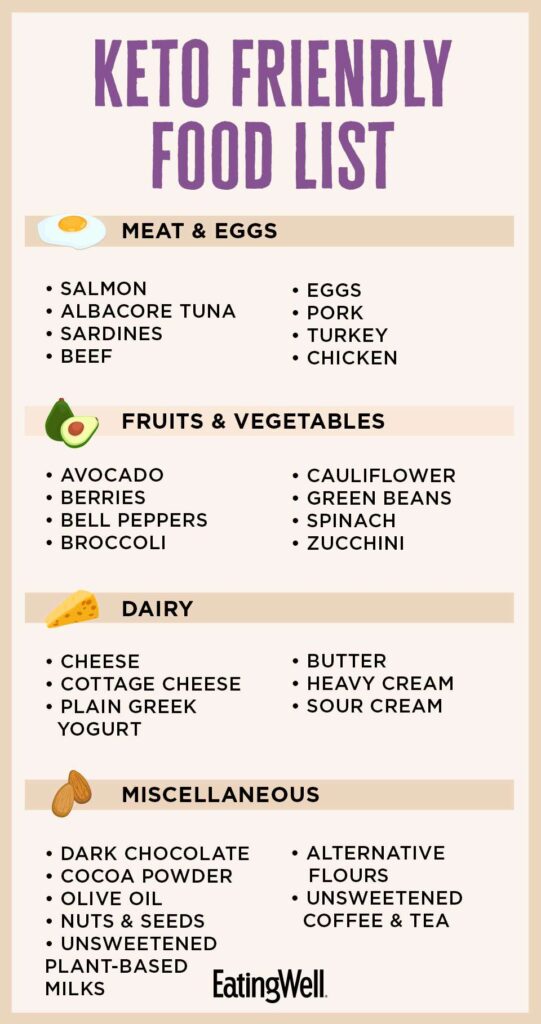
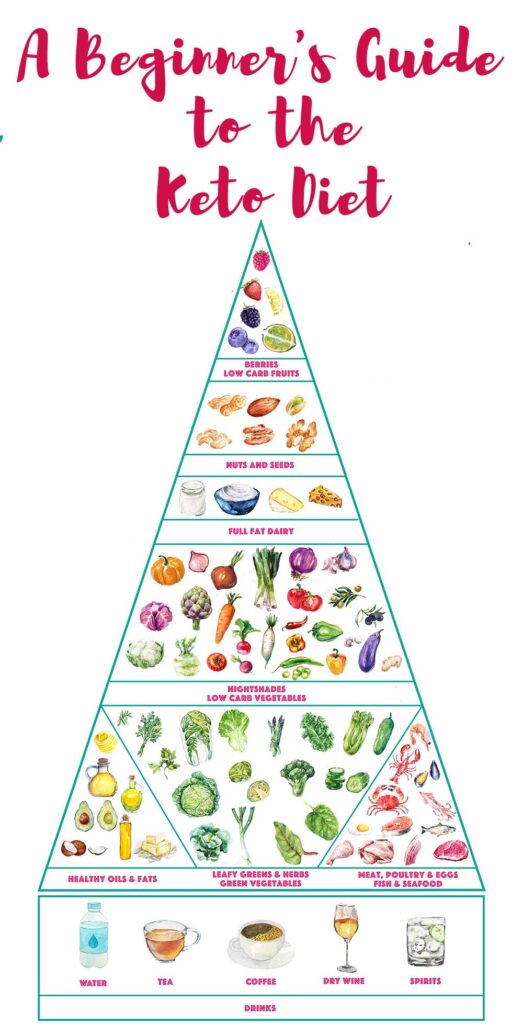
Meal planning and grocery shopping are key aspects of starting the Keto Diet. Consider making a list of keto-friendly foods and ingredients that align with the macronutrient ratios. Stock up on healthy fats like avocados, olive oil, and nuts, as well as high-quality proteins such as eggs, fish, and lean meats. Don’t forget to include low-carb vegetables like leafy greens, broccoli, and cauliflower to round out your meals.
Foods to Eat on the Keto Diet
Healthy Fats
Healthy fats play a vital role in the Keto Diet, as they make up the largest portion of your daily caloric intake. Opt for nutrient-dense sources of fats like avocados, coconut oil, butter, and olive oil. These fats not only provide energy but also contain essential fatty acids and fat-soluble vitamins.
Proteins
Protein intake should be moderate on the Keto Diet, as excessive protein consumption can potentially hinder ketosis. Include lean sources of protein such as poultry, fish, and tofu. Eggs are also an excellent source of protein and healthy fats.
Low-Carb Vegetables
Low-carb vegetables are a staple in the Keto Diet, providing essential nutrients and fiber without contributing significantly to the carbohydrate intake. Leafy greens like spinach and kale, cruciferous vegetables like broccoli and cauliflower, and zucchini are excellent choices. These vegetables can be enjoyed cooked or raw, depending on personal preference.

Foods to Avoid on the Keto Diet
High Carbohydrate Foods
To maintain ketosis, it is essential to avoid high-carbohydrate foods. This includes grains like rice, wheat, and oats, as well as starchy vegetables like potatoes and corn. Additionally, fruits high in sugar, such as bananas and grapes, should be limited or avoided altogether.
Processed Foods with Added Sugars
Processed foods tend to be high in carbohydrates, unhealthy fats, and added sugars, making them unsuitable for the Keto Diet. Items like sugary snacks, baked goods, and packaged meals should be avoided. Instead, focus on whole, unprocessed foods.
Grains and Starchy Vegetables
Grains such as bread, pasta, and cereal, as well as starchy vegetables like peas and beans, should be eliminated or severely limited on the Keto Diet. These foods are typically high in carbohydrates and can disrupt ketosis if consumed in large quantities.
Meal Planning and Sample Recipes for the Keto Diet
Meal Prepping
Meal prepping can be incredibly beneficial on the Keto Diet, as it allows you to plan and prepare your meals in advance. Spend some time each week designing a meal plan and prepping ingredients for the upcoming days. This practice can help you stay on track and prevent impulsive, carb-heavy food choices.
Sample Breakfast Recipes
- Avocado and Bacon Omelet: Whip up a delicious omelet filled with avocado slices and crispy bacon for a satisfying and high-fat breakfast option.
- Keto Pancakes: Use almond flour or coconut flour to create fluffy and low-carb pancakes topped with sugar-free syrup and berries.
Sample Lunch Recipes
- Grilled Chicken Salad: Toss together grilled chicken breast, mixed greens, avocado, cherry tomatoes, and a keto-friendly dressing for a nutritious and filling salad.
- Zucchini Noodles with Pesto and Shrimp: Swap traditional pasta for zucchini noodles and toss them with pesto sauce and cooked shrimp for a light and flavorful lunch.
Sample Dinner Recipes
- Salmon with Broccoli and Cauliflower Mash: Roast salmon fillets in the oven and serve them alongside steamed broccoli and a creamy cauliflower mash.
- Stuffed Bell Peppers: Fill bell peppers with a mixture of ground beef, cauliflower rice, and spices, then bake until tender and enjoy a savory and satisfying meal.
Snack Options
- Keto Friendly Smoothie: Blend together unsweetened almond milk, avocado, spinach, and a low-carb protein powder for a refreshing and filling snack.
- Cheese and Pepperoni Roll-ups: Roll slices of cheese and pepperoni together for a quick and easy keto-friendly snack with a satisfying combination of flavors.

Managing and Overcoming Keto Flu
Understanding Keto Flu
Keto flu is a common side effect experienced by some individuals when first starting the Keto Diet. It is characterized by symptoms such as fatigue, headaches, irritability, and muscle cramps. These symptoms usually occur as your body adjusts to the decreased carbohydrate intake and the shift to burning fat for fuel.
Tips to Reduce Symptoms
To alleviate the symptoms of keto flu, there are several strategies you can try. First, ensure you are consuming enough electrolytes, especially sodium, potassium, and magnesium. These can be obtained through foods like avocados, leafy greens, and nuts. Additionally, staying hydrated is essential, as dehydration can exacerbate symptoms. Lastly, be patient and allow your body time to adapt to the new diet.
Staying Hydrated
Staying hydrated is crucial on the Keto Diet, as it helps maintain proper bodily functions and supports overall health. Aim to drink at least 8 cups of water per day, and more if you engage in physical activity or live in a hot climate. Adding a pinch of salt to your water or consuming electrolyte-enhanced beverages can also help maintain electrolyte balance.
Exercise and Physical Activity on the Keto Diet
Importance of Exercise
Incorporating regular exercise into your routine is important for overall health and can enhance the effects of the Keto Diet. Exercise can help increase muscle mass, improve cardiovascular health, and boost metabolism. Additionally, physical activity can aid in weight loss and improve insulin sensitivity.
Types of Exercises
When following the Keto Diet, you can engage in various types of exercises based on your preferences and abilities. Both aerobic exercises, such as jogging or cycling, and strength training exercises, like weightlifting or bodyweight exercises, are beneficial. Find activities that you enjoy and can easily incorporate into your lifestyle for long-term success.
Pre and Post-Workout Nutrition
Prior to exercise, it is essential to fuel your body with a balance of macronutrients to optimize performance. Consuming a small snack that combines carbohydrates and protein, such as a banana with nut butter, can provide the necessary energy and nutrients. After your workout, prioritize replenishing your body with protein-rich foods to support muscle recovery and repair.
Common Mistakes to Avoid on the Keto Diet
Not Tracking Macronutrient Intake
One common mistake on the Keto Diet is not tracking macronutrient intake properly. To ensure you stay within the desired ranges, it is crucial to track the amounts of fat, protein, and carbohydrates you consume. This can help you adjust your intake if you are not achieving or maintaining ketosis.
Not Consuming Sufficient Electrolytes
Electrolytes play a vital role in maintaining balanced bodily functions, especially when following the Keto Diet. Insufficient intake of electrolytes, such as sodium, potassium, and magnesium, can lead to symptoms of keto flu and overall discomfort. Therefore, it is important to ensure you are consuming enough electrolytes through food sources or supplements.
Overeating on High-Fat Foods
While high-fat foods are encouraged on the Keto Diet, it is still important to practice portion control and mindful eating. Overeating high-fat foods can lead to consuming excess calories and hinder weight loss efforts. Focus on listening to your body’s hunger and fullness cues and choose nutrient-dense foods to optimize your overall health.
Potential Side Effects and Precautions
Temporary Side Effects
Starting the Keto Diet may come with some temporary side effects, commonly referred to as the keto flu. These can include fatigue, headaches, dizziness, and digestive issues. However, these side effects are usually temporary and tend to resolve as your body adapts to using fat as its primary fuel source.
Medical Conditions and Medication
If you have any pre-existing medical conditions or are taking medications, it is crucial to consult with a healthcare professional before starting the Keto Diet. Certain conditions, such as pancreatitis or liver disease, may not be compatible with the diet. Additionally, some medications, like those for diabetes or high blood pressure, may require adjustments when following a low-carbohydrate diet.
Pregnancy and Lactation
The Keto Diet is not recommended during pregnancy and lactation. During these periods, it is important to ensure an adequate intake of nutrients for both the mother and the baby. The Keto Diet’s restrictive nature may not provide sufficient carbohydrates and nutrients needed for optimal growth and development. Always consult with a healthcare professional for personalized guidance during these stages of life.
In conclusion, the Keto Diet is a low-carbohydrate, high-fat diet that can lead to weight loss, increased energy levels, improved mental focus, and reduced risk of chronic diseases. To start the Keto Diet, it is recommended to consult with a healthcare professional, understand macronutrient ratios, and plan your meals and grocery shopping accordingly. Focus on consuming healthy fats, proteins, and low-carb vegetables, while avoiding high-carbohydrate foods, processed foods with added sugars, and grains/starchy vegetables. Meal planning and preparation can help you stay on track, and managing potential side effects like the keto flu can be achieved through understanding, hydration, and nutrient-balanced meals. Incorporating exercise and avoiding common mistakes such as improper macronutrient tracking and overeating on high-fat foods can ensure successful adherence to the Keto Diet. Finally, consider potential side effects and precautions before starting the diet, particularly if you have medical conditions, take medications, or are pregnant or lactating. Always consult with a healthcare professional for personalized advice and guidance on your journey towards a healthier lifestyle.


