
If you’re considering following a keto diet and have concerns about its impact on your kidney health, this article is for you. In “Keto Diet And Kidney Disease,” we address the relationship between the ketogenic diet and kidney health. By exploring the potential effects of a keto diet on the kidneys and providing expert insights, we aim to help you make an informed decision about incorporating this dietary approach into your lifestyle. So, let’s get started and shed light on this topic!
Understanding Kidney Disease
Kidney disease is a condition that affects the proper functioning of your kidneys. There are several types of kidney disease, each with its own causes and symptoms. It is important to have a good understanding of this condition in order to make informed decisions about your health.
Types of kidney disease
The two main types of kidney disease are acute kidney disease and chronic kidney disease. Acute kidney disease occurs suddenly and is often a result of an injury or infection. It can be reversible if treated promptly. On the other hand, chronic kidney disease is a long-term condition that gradually worsens over time. It is typically caused by underlying health conditions such as diabetes or high blood pressure.
Causes of kidney disease
Kidney disease can have various causes. Some common causes include diabetes, high blood pressure, autoimmune diseases, kidney infections, and certain medications. It is important to identify the underlying cause of kidney disease in order to effectively manage and treat the condition.
Symptoms of kidney disease
The symptoms of kidney disease can vary depending on the stage and severity of the condition. Some common symptoms include fatigue, swelling in the legs and feet, changes in urination patterns, blood in the urine, back pain, and loss of appetite. If you experience any of these symptoms, it is important to consult with a healthcare professional for a proper diagnosis and treatment.
Introduction to the Keto Diet
The keto diet, short for ketogenic diet, has gained popularity in recent years for its potential health benefits. It is a low-carb, high-fat diet that aims to put your body into a state of ketosis, where it burns fat for fuel instead of carbohydrates. Understanding the basics of the keto diet can help you make an informed decision about whether it is suitable for your kidney health.
What is the keto diet?
The keto diet is a dietary approach that involves drastically reducing your carbohydrate intake and increasing your fat intake. By doing so, your body enters a metabolic state called ketosis, in which it produces ketones from fat supplies as its primary source of energy. This shift in fuel source can have various effects on your body, including weight loss and improved mental clarity.
How does it work?
When you consume fewer carbohydrates, your body has to rely on alternative sources of energy, such as stored fat. This triggers the production of ketones, which are produced by the liver. Ketones are then used by your body as an energy source, which can lead to weight loss and increased fat burning.
Benefits of the keto diet
The keto diet has been associated with several potential health benefits. Some studies suggest that it may aid in weight loss, improve insulin sensitivity, and reduce inflammation. Additionally, the keto diet has shown promise in helping manage certain medical conditions, such as epilepsy and metabolic syndrome. However, it is important to remember that individual results may vary, and more research is needed to fully understand the long-term effects of the keto diet.

Impact of Keto Diet on Kidney Health
While the keto diet may have potential benefits, it is important to consider its impact on kidney health. The kidneys play a vital role in filtering waste products and maintaining fluid balance in the body. Here are some key considerations when it comes to the impact of the keto diet on kidney health.
Dehydration risk
One potential risk associated with the keto diet is dehydration. When you limit your carbohydrate intake, your body excretes more water, leading to increased urination. This can make it easier to become dehydrated if you do not drink enough fluids. Dehydration can put stress on your kidneys and potentially worsen existing kidney conditions.
Effect on kidney function
There is limited research on the direct effect of the keto diet on kidney function. However, some studies have suggested that the high protein intake associated with the keto diet may put strain on the kidneys. It is important to ensure that your kidneys are functioning properly before starting the keto diet, and to monitor your kidney health regularly if you decide to follow this dietary approach.
Potential kidney stone formation
Another concern related to the keto diet and kidney health is the potential for kidney stone formation. The diet’s high fat intake and decreased fluid intake can alter the composition of urine, increasing the risk of kidney stone formation. If you have a history of kidney stones or are at a higher risk for developing them, it is important to discuss the keto diet with your healthcare professional before making any dietary changes.
Research on Keto Diet and Kidney Disease
Research on the specific impact of the keto diet on kidney disease is still limited. However, there have been some studies conducted to explore its effects on kidney health. It is important to understand the current research findings to make an informed decision about the suitability of the keto diet for kidney disease.
Research findings
Recent studies have shown mixed results regarding the effects of the keto diet on kidney disease. Some studies suggest that the keto diet may have a negative impact on kidney function, while others indicate potential benefits. Due to the limited research available, it is essential to consider individual health conditions and consult with a healthcare professional before starting the keto diet if you have kidney disease.
Negative effects on the kidneys
Some studies have suggested that the high protein intake associated with the keto diet may exert stress on the kidneys, potentially worsening kidney function. Additionally, the decreased fluid intake and altered urine composition can increase the risk of kidney stone formation. It is crucial to monitor kidney function closely when following the keto diet, especially if you have pre-existing kidney disease.
Positive effects on the kidneys
On the other hand, some studies have indicated potential benefits of the keto diet for certain kidney conditions. For example, the diet may help manage polycystic kidney disease, a genetic disorder characterized by the growth of numerous cysts in the kidneys. However, more research is needed to understand the mechanisms and long-term effects of the keto diet on kidney health.
Precautions and Considerations
Before starting the keto diet, it is important to take certain precautions and considerations to ensure the best possible outcomes for your kidney health. Consulting with a healthcare professional, monitoring kidney function, and prioritizing hydration are essential steps to take.
Consultation with a healthcare professional
If you have kidney disease or any other underlying health condition, it is crucial to consult with a healthcare professional before starting the keto diet. They can assess your specific situation, perform necessary tests, and provide personalized recommendations based on your individual needs. Your healthcare professional can guide you on whether the keto diet is suitable for you or if alternative dietary modifications are more appropriate.
Monitoring kidney function
Regular monitoring of kidney function is essential for individuals with kidney disease and those considering the keto diet. Monitoring can involve tests such as blood work and urine analysis to assess kidney function and identify any potential issues. It is important to work closely with your healthcare professional to develop a monitoring plan that is specific to your needs.
Hydration and water intake
To mitigate the risk of dehydration and kidney stone formation, hydration is crucial when following the keto diet. It is recommended to drink an adequate amount of water throughout the day and listen to your body’s thirst cues. Staying properly hydrated can help support kidney function and overall health.
Balancing the Keto Diet with Kidney Health
If you decide to follow the keto diet while considering your kidney health, there are several strategies you can employ to ensure a balanced approach. Moderating protein intake, choosing healthy fats, and maintaining a balanced diet are key considerations.
Protein intake moderation
Considering the potential strain that high protein intake may place on the kidneys, it is important to moderate protein consumption on the keto diet. Instead of excessive animal protein sources, opt for plant-based protein options such as tofu, tempeh, and legumes. This can help reduce the overall load on the kidneys while still meeting your dietary needs.
Choosing healthy fats
While the keto diet emphasizes consuming high amounts of fat, it is important to choose healthy fats that promote overall health and support kidney function. Opt for sources of unsaturated fats such as avocados, olive oil, nuts, and seeds. These fats provide essential nutrients and can help maintain a healthy balance in your diet.
Maintaining a balanced diet
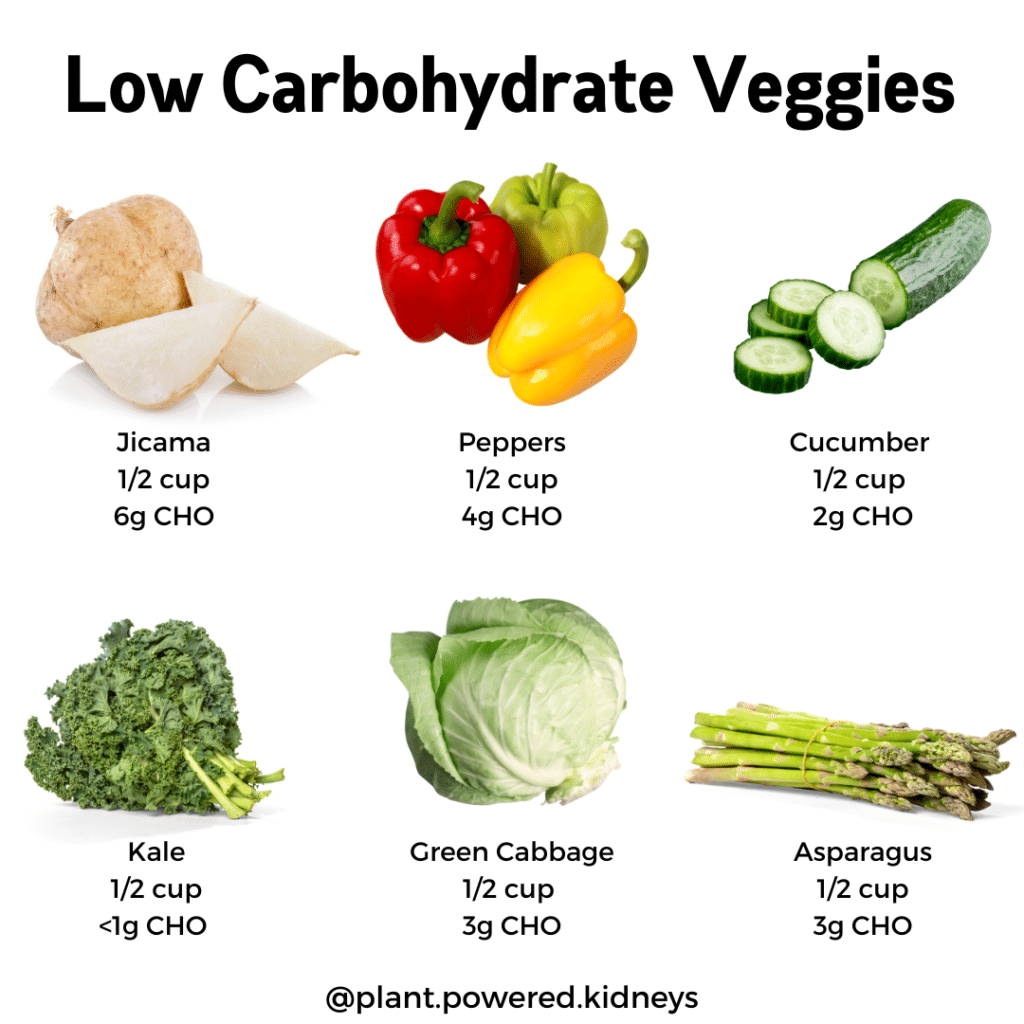
A well-balanced diet is crucial for overall health, and this holds true even when following the keto diet. Incorporate a variety of low-carb vegetables, such as leafy greens and cruciferous vegetables, to ensure an adequate intake of fiber, vitamins, and minerals. These nutrient-dense foods can support kidney health and provide essential nutrients to support your body’s overall functioning.

Modified Keto Diet for Kidney Patients
For individuals with kidney disease, a modified version of the keto diet may be necessary to suit their specific needs. Adjustments for kidney disease, specific nutrient requirements, and medical guidance are vital to ensure the best possible outcome.
Adjustments for kidney disease
A modified keto diet for individuals with kidney disease may involve further restrictions on certain nutrients, such as phosphorus and potassium. These adjustments are necessary to manage the balance of these minerals in the body and ensure they do not accumulate to harmful levels. Your healthcare professional or a registered dietitian can provide guidance on the specific modifications needed for your kidney disease.
Specific nutrient requirements
Individuals with kidney disease often have specific nutrient requirements that need to be addressed when following a diet, including the keto diet. This may involve adjusting the intake of protein, sodium, and other key nutrients to maintain a healthy balance. Working with a registered dietitian who specializes in kidney health can help ensure that your nutrient needs are met while following the keto diet.
Supplementation and medical guidance
Supplementation may be necessary for individuals with kidney disease on the keto diet, as certain nutrients may be affected by the dietary restrictions. It is important to work closely with your healthcare professional to determine if any supplementation is required and to ensure that your overall health is regularly monitored.
Case Studies and Patient Experiences
Personal accounts and experiences can provide insight into the real-life impact of the keto diet on kidney health. While individual experiences may vary, it can be helpful to understand the challenges faced and success stories to gain a broader perspective.
Personal accounts
Some individuals with kidney disease have shared their personal experiences of following the keto diet. These accounts can provide valuable insights into the potential benefits and challenges faced when incorporating the keto diet into their lifestyle. It is important to remember that everyone’s experience is unique, and what works for one person may not work for another.
Success stories
There have been success stories of individuals with kidney disease who have found the keto diet to be beneficial for their overall health. These success stories provide hope and inspiration for others who may be considering the keto diet. However, it is important to approach these stories with caution and consult with a healthcare professional to determine if the keto diet is appropriate for your specific situation.
Challenges faced
Challenges may arise when following the keto diet with kidney disease. Some individuals may struggle with the dietary restrictions, difficulties in achieving and maintaining ketosis, or fluctuations in kidney function. It is important to be aware of these challenges and to seek appropriate support and guidance to overcome them.

Guidelines for Kidney Disease Patients on the Keto Diet
If you have kidney disease and are considering following the keto diet, here are some general guidelines to keep in mind. These guidelines can help you navigate the diet safely and effectively while managing your kidney health.
Dos and don’ts
- Do consult with a healthcare professional before starting the keto diet.
- Do monitor your kidney function regularly with medical guidance.
- Do stay properly hydrated by drinking an adequate amount of water.
- Don’t overconsume protein. Focus on plant-based protein sources and moderate your intake.
- Don’t neglect other essential nutrients. Incorporate a variety of low-carb vegetables and choose healthy fats.
Meal planning tips
Meal planning can be helpful when following the keto diet with kidney disease. Consider the following tips to make meal planning easier:
- Plan your meals in advance to ensure a well-balanced diet.
- Focus on incorporating protein, healthy fats, and low-carb vegetables.
- Experiment with different recipes to keep your meals interesting and enjoyable.
- Consider working with a registered dietitian who specializes in kidney health to develop a customized meal plan.
Support and resources
Seeking support and utilizing available resources can greatly benefit individuals with kidney disease on the keto diet. Consider the following resources:
- Join support groups or communities where you can connect with others facing similar challenges.
- Consult with a registered dietitian who specializes in kidney health to receive personalized guidance and support.
- Stay up to date with the latest research and developments in the field by accessing reputable sources of information.
Alternative Diets for Kidney Disease
If the keto diet is not suitable for your kidney health, there are alternative dietary approaches that can still support your overall well-being. Here are a few options to consider:
Low-protein diets
Low-protein diets are commonly recommended for individuals with kidney disease to reduce the workload on the kidneys. These diets limit the intake of protein-rich foods and focus on incorporating other nutrients to meet your dietary needs. It is important to work with a registered dietitian to develop a personalized low-protein diet plan that suits your specific requirements.
DASH diet
The DASH (Dietary Approaches to Stop Hypertension) diet is a well-known dietary approach that focuses on reducing sodium intake and increasing the consumption of fruits, vegetables, whole grains, lean proteins, and low-fat dairy products. The DASH diet has been shown to help manage high blood pressure, a common risk factor for kidney disease.
Mediterranean diet
The Mediterranean diet emphasizes whole, unprocessed foods such as fruits, vegetables, whole grains, fish, and olive oil. It is rich in antioxidants and healthy fats, which can support heart health and overall well-being. The Mediterranean diet has shown promise in reducing the risk of chronic kidney disease, but individual needs may vary.
In conclusion, understanding the relationship between the keto diet and kidney disease is important for making informed decisions about your health. While the keto diet has potential benefits, it is essential to consider the impact on kidney health and take necessary precautions. Consulting with a healthcare professional, monitoring kidney function, and practicing proper hydration are crucial steps to ensure a safe and balanced approach. If the keto diet is not suitable for your kidney health, alternative diets, such as low-protein diets, the DASH diet, or the Mediterranean diet, may be more appropriate. Remember to consult with a healthcare professional or registered dietitian to determine the best dietary approach for your specific needs.


