
As you embark on your journey with the ketogenic diet, it’s essential to grasp its fundamental principles and how they relate to strength loss. The keto diet is characterized by a significant reduction in carbohydrate intake, which leads your body to enter a state of ketosis. In this metabolic state, your body shifts from using glucose as its primary energy source to utilizing fat.
While many people experience weight loss and improved energy levels on keto, there can be concerns regarding muscle preservation and strength loss, especially if you are not mindful of your dietary choices and exercise regimen. When you drastically cut carbohydrates, your body may initially lose water weight, which can give the impression of rapid fat loss. However, if you do not consume enough protein or engage in resistance training, you might also lose muscle mass.
This is particularly concerning for those who are active or looking to maintain their strength. Understanding the delicate balance between fat loss and muscle preservation is crucial for anyone considering or currently following a keto diet. You must be aware of how your body responds to this dietary shift and take proactive steps to ensure that you maintain your strength while reaping the benefits of ketosis.
Key Takeaways
- The keto diet may initially cause a decrease in strength due to the body’s adjustment to using fat for fuel instead of carbohydrates.
- Protein is crucial in a keto diet for muscle preservation and should be consumed in adequate amounts to support muscle growth and repair.
- Incorporating resistance training in a keto diet is essential for maintaining muscle mass and strength while in a state of ketosis.
- Balancing macronutrients, including adequate protein and healthy fats, is important for preserving muscle while on a keto diet.
- Ketosis can benefit muscle preservation by reducing muscle breakdown and promoting fat utilization for energy during workouts.
Importance of Protein in a Keto Diet
Protein plays a pivotal role in any diet, but its significance is magnified on a keto diet. As you reduce your carbohydrate intake, it becomes vital to ensure that you are consuming adequate protein to support muscle maintenance and repair. Protein is not only essential for building and repairing tissues but also helps in preserving lean muscle mass during weight loss.
When you are in a caloric deficit, as is often the case on keto, your body may turn to muscle for energy if it does not receive enough protein. To effectively incorporate protein into your keto diet, aim for high-quality sources such as lean meats, fish, eggs, and dairy products. These foods not only provide the necessary amino acids for muscle repair but also help keep you satiated, reducing the likelihood of cravings that can derail your progress.
Additionally, consider spreading your protein intake throughout the day rather than consuming it all in one meal. This approach can enhance muscle protein synthesis and support your overall strength goals while adhering to the principles of the ketogenic diet.
Incorporating Resistance Training in a Keto Diet
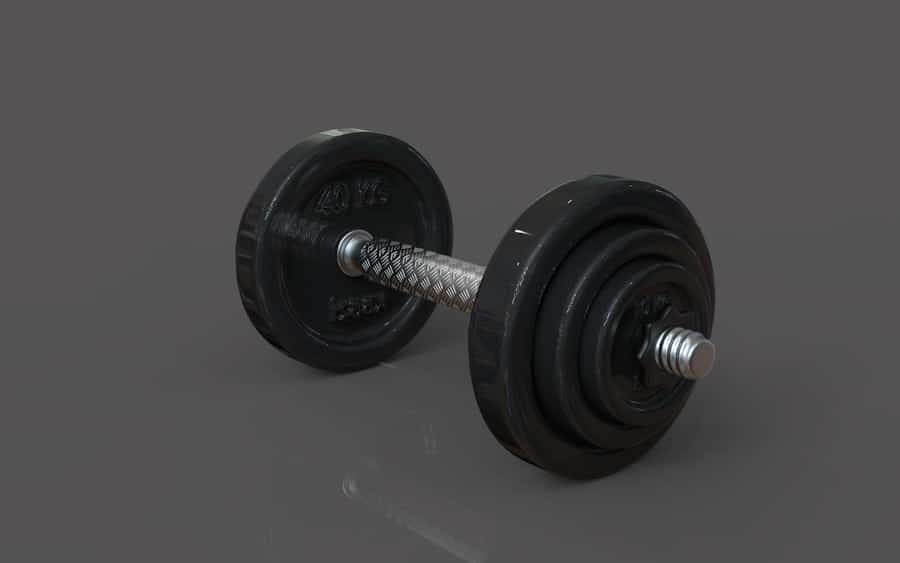
Engaging in resistance training is crucial for anyone on a keto diet who wishes to maintain or build muscle mass. While the diet itself can lead to fat loss, without adequate strength training, you may find that your body loses muscle along with fat. Resistance training stimulates muscle growth and helps preserve lean mass by creating micro-tears in your muscles that repair stronger over time.
This process is essential for maintaining strength and achieving a toned physique. When incorporating resistance training into your keto lifestyle, focus on compound movements that engage multiple muscle groups, such as squats, deadlifts, and bench presses. These exercises not only maximize muscle engagement but also promote hormonal responses that are beneficial for muscle growth.
Additionally, consider adjusting your training frequency and volume based on how your body feels on keto. Some individuals may find they need more recovery time as their bodies adapt to using fat for fuel instead of carbohydrates. Listening to your body and adjusting your workouts accordingly will help you maintain strength while following a ketogenic diet.
Balancing Macronutrients for Muscle Preservation
Achieving the right balance of macronutrients is vital for muscle preservation on a keto diet. While the primary focus is often on reducing carbohydrates and increasing fats, protein should not be overlooked. A common macronutrient ratio for a standard ketogenic diet is approximately 70% fats, 25% protein, and 5% carbohydrates.
However, these ratios can be adjusted based on individual needs, activity levels, and goals. To effectively balance your macronutrients, start by calculating your daily caloric needs and then determine how much of each macronutrient you should consume. Prioritize high-quality fats from sources like avocados, nuts, seeds, and olive oil while ensuring that you meet your protein requirements through lean meats and dairy.
Monitoring your carbohydrate intake is equally important; focus on low-carb vegetables and avoid hidden sugars that can disrupt ketosis. By carefully balancing these macronutrients, you can create an environment conducive to muscle preservation while still enjoying the benefits of a ketogenic lifestyle.
Benefits of Ketosis for Muscle Preservation
While there are concerns about muscle loss on a ketogenic diet, ketosis itself can offer several benefits that support muscle preservation. When your body enters ketosis, it becomes highly efficient at burning fat for fuel, which can lead to improved energy levels during workouts. This increased energy can enhance your performance in resistance training sessions, allowing you to lift heavier weights or complete more repetitions—both of which are crucial for maintaining muscle mass.
Moreover, ketosis has been shown to have anti-inflammatory effects that can aid in recovery after intense workouts. Reduced inflammation means less soreness and quicker recovery times, enabling you to train more frequently and effectively. Additionally, some studies suggest that ketones may have a sparing effect on muscle tissue during periods of caloric restriction.
This means that while you may be losing weight, your body could be more inclined to preserve lean muscle mass when in ketosis compared to other diets.
Common Mistakes to Avoid on a Keto Diet

As you navigate the complexities of the ketogenic diet, it’s essential to be aware of common pitfalls that could hinder your progress toward muscle preservation. One frequent mistake is underestimating protein intake. Many individuals focus heavily on fats while neglecting their protein needs, which can lead to muscle loss over time.
Ensure that you are consuming enough protein daily to support your workouts and recovery. Another common error is failing to stay hydrated. The initial stages of a keto diet often lead to increased water loss due to reduced carbohydrate intake.
Dehydration can negatively impact performance and recovery, making it crucial to drink plenty of water throughout the day. Additionally, be cautious about relying too heavily on processed keto-friendly foods that may be high in unhealthy fats or additives. Instead, prioritize whole foods that provide essential nutrients for overall health and muscle preservation.
Supplements to Support Muscle Preservation on Keto
While a well-planned ketogenic diet can provide most of the nutrients you need for muscle preservation, certain supplements can further support your goals. One popular supplement among those following a keto diet is branched-chain amino acids (BCAAs). These essential amino acids can help reduce muscle soreness and promote recovery after workouts, making them an excellent addition to your regimen.
Creatine is another supplement worth considering. It has been extensively studied for its benefits in enhancing strength and muscle mass across various diets, including keto. Creatine helps replenish ATP (adenosine triphosphate) levels in your muscles during high-intensity exercise, allowing you to perform better during resistance training sessions.
Additionally, omega-3 fatty acids can help reduce inflammation and support overall joint health—important factors when engaging in regular strength training.
Adjusting Training Volume and Intensity on Keto
As you transition into a ketogenic lifestyle, it’s important to assess how your body responds to changes in energy sources and adjust your training volume and intensity accordingly. Initially, you may experience fatigue or decreased performance as your body adapts to burning fat instead of carbohydrates for fuel. During this adaptation phase, consider reducing the intensity or volume of your workouts until you feel more comfortable.
Once you’ve adjusted to ketosis and feel more energized during workouts, gradually increase the intensity or volume of your training sessions. This approach allows you to maintain strength while giving your body time to adapt to its new energy source. Pay attention to how you feel during workouts; if you notice significant fatigue or decreased performance, it may be beneficial to dial back temporarily until your body fully adapts.
Tracking Progress and Adjusting Macros on Keto
Tracking your progress is essential when following a ketogenic diet aimed at preserving muscle mass. Keeping a food diary or using an app can help you monitor your macronutrient intake and ensure that you are meeting your protein needs while staying within your carbohydrate limits. Regularly assessing your weight, body composition, and strength levels will provide valuable insights into how well the diet is working for you.
As you track your progress, be open to adjusting your macros based on what you observe. If you find that you’re losing too much muscle or not seeing the desired results in strength gains, consider increasing your protein intake or modifying your fat consumption. Flexibility is key; what works for one person may not work for another, so be willing to experiment until you find the right balance that supports both fat loss and muscle preservation.
Real-life Success Stories of Muscle Preservation on Keto
Hearing success stories from others who have navigated the challenges of maintaining muscle mass on a ketogenic diet can be incredibly motivating. Many individuals have shared their experiences of achieving impressive transformations while adhering to keto principles without sacrificing their strength or physique. For instance, some athletes have reported enhanced performance levels after transitioning to a low-carb lifestyle while maintaining their lean muscle mass through careful planning and dedication.
These success stories often highlight the importance of combining proper nutrition with consistent resistance training and adequate recovery strategies. By learning from others who have successfully preserved their muscles on keto, you can gain valuable insights into effective strategies that may work for you as well.
Achieving a Lean and Strong Physique on Keto
In conclusion, achieving a lean and strong physique on a ketogenic diet is entirely possible with the right approach and mindset. By understanding the importance of protein intake, incorporating resistance training into your routine, balancing macronutrients effectively, and avoiding common pitfalls, you can preserve muscle mass while enjoying the benefits of ketosis. Remember that every individual’s journey is unique; what works for one person may not work for another.
Stay committed to tracking your progress and adjusting your macros as needed while remaining open to learning from others’ experiences. With dedication and perseverance, you can successfully navigate the challenges of a ketogenic lifestyle while maintaining strength and achieving your fitness goals.
FAQs
What is the keto diet?
The keto diet is a high-fat, low-carbohydrate diet that has been shown to help with weight loss and improve certain health conditions such as epilepsy and diabetes.
Can you do keto without losing strength?
Yes, it is possible to do keto without losing strength. By ensuring you are consuming enough protein and calories, and incorporating strength training exercises into your routine, you can maintain or even build strength while on a keto diet.
How does the keto diet affect strength?
Initially, some people may experience a decrease in strength and energy levels as their body adapts to using fat for fuel instead of carbohydrates. However, with proper nutrition and training, strength levels can be maintained or even improved on a keto diet.
What are some good sources of protein on a keto diet?
Good sources of protein on a keto diet include meat, poultry, fish, eggs, dairy products, and plant-based sources such as tofu and tempeh.
Are there any supplements that can help with strength on a keto diet?
Some supplements that may help with strength on a keto diet include creatine, branched-chain amino acids (BCAAs), and electrolyte supplements to help with hydration and muscle function. It’s important to consult with a healthcare professional before starting any new supplements.





