The ketogenic diet, often referred to as the keto diet, has gained immense popularity in recent years as a powerful tool for weight loss and improved health. At its core, this dietary approach emphasizes a significant reduction in carbohydrate intake while increasing fat consumption. By doing so, your body enters a metabolic state known as ketosis, where it becomes highly efficient at burning fat for energy instead of relying on carbohydrates.
This shift not only aids in weight loss but can also lead to various health benefits, including improved mental clarity and reduced inflammation. As you embark on your journey with the ketogenic diet, it’s essential to understand the fundamental principles that govern it. The typical macronutrient breakdown for a keto diet consists of approximately 70-75% fats, 20-25% protein, and only about 5-10% carbohydrates.
This drastic reduction in carbs can be challenging, especially when it comes to choosing foods that align with these guidelines. However, with careful planning and knowledge of which foods are keto-friendly, you can enjoy a diverse and satisfying diet while reaping the benefits of ketosis.
Key Takeaways
- The ketogenic diet is a high-fat, low-carbohydrate diet that has been shown to have various health benefits, including weight loss and improved blood sugar control.
- Carbohydrates play a crucial role in the ketogenic diet, as they are limited to a very low amount to induce a state of ketosis, where the body burns fat for fuel instead of carbohydrates.
- Peaches have a moderate amount of carbohydrates, with a medium-sized peach containing about 15 grams of carbs, making them a potentially challenging fit for a ketogenic diet.
- With careful portion control, peaches can be incorporated into a ketogenic diet, but it’s important to be mindful of overall carbohydrate intake from other sources throughout the day.
- When including peaches in a ketogenic diet, it’s important to focus on consuming them in moderation and balancing their carbohydrate content with other low-carb, high-fat foods to maintain ketosis.
Understanding the Role of Carbohydrates in the Ketogenic Diet
Carbohydrates play a pivotal role in the ketogenic diet, primarily because they are the macronutrient that you will be limiting the most. When you consume carbohydrates, your body breaks them down into glucose, which is then used as a primary energy source. However, by drastically reducing your carb intake, you force your body to seek alternative energy sources.
This is where ketosis comes into play; your liver begins to convert fats into ketones, which can be used by your brain and body for energy. Understanding how carbohydrates function in your body can help you make informed choices about what to eat on a ketogenic diet. Not all carbohydrates are created equal; they can be categorized into simple and complex carbs.
Simple carbohydrates, found in sugary foods and drinks, can spike your blood sugar levels and lead to energy crashes. In contrast, complex carbohydrates, found in whole grains and vegetables, provide a more stable energy source. However, even complex carbs can hinder your progress on a keto diet if consumed in excess.
Therefore, it’s crucial to monitor your carbohydrate intake closely and focus on low-carb options that align with your dietary goals.
Nutritional Profile of Peaches

Peaches are a delicious and juicy fruit that many people enjoy during the warmer months. They are not only refreshing but also packed with essential nutrients. A medium-sized peach contains about 58 calories, 0.4 grams of fat, 14 grams of carbohydrates, and 1.5 grams of protein.
Additionally, peaches are rich in vitamins A and C, potassium, and dietary fiber. These nutrients contribute to various health benefits, including improved skin health and enhanced immune function. However, while peaches are nutritious, they are also relatively high in carbohydrates compared to other fruits.
This is an important consideration for anyone following a ketogenic diet. The natural sugars found in peaches can add up quickly, making it essential to evaluate how they fit into your overall daily carb allowance. Understanding the nutritional profile of peaches will help you make informed decisions about whether to include them in your keto meal plan.
Can Peaches Fit into a Ketogenic Diet?
The question of whether peaches can fit into a ketogenic diet is nuanced and depends largely on your individual carbohydrate tolerance and daily intake goals. While peaches do offer several health benefits and are low in calories, their carbohydrate content can pose a challenge for those strictly adhering to keto guidelines. A medium peach contains approximately 14 grams of carbohydrates, which can take up a significant portion of your daily carb allowance if you’re aiming for a strict limit.
If you’re following a more flexible version of the ketogenic diet or if you have a higher carbohydrate threshold, you might find that you can enjoy peaches in moderation without derailing your progress. It’s all about balance and understanding how different foods affect your body. If you choose to include peaches in your diet, consider pairing them with high-fat foods like cream or nuts to help mitigate their impact on your blood sugar levels.
Tips for Incorporating Peaches into a Ketogenic Diet
If you decide to incorporate peaches into your ketogenic diet, there are several strategies you can employ to enjoy this fruit while staying within your carb limits. One effective approach is portion control; instead of consuming an entire peach at once, consider slicing it and adding it to a salad or yogurt as a topping. This way, you can savor the flavor without overindulging in carbohydrates.
Another tip is to pair peaches with healthy fats to create a more balanced meal or snack. For instance, you could enjoy peach slices with almond butter or mix them into a smoothie made with coconut milk and spinach. These combinations not only enhance the flavor but also help slow down the absorption of sugars from the peach, keeping your blood sugar levels stable.
Potential Benefits of Including Peaches in a Ketogenic Diet
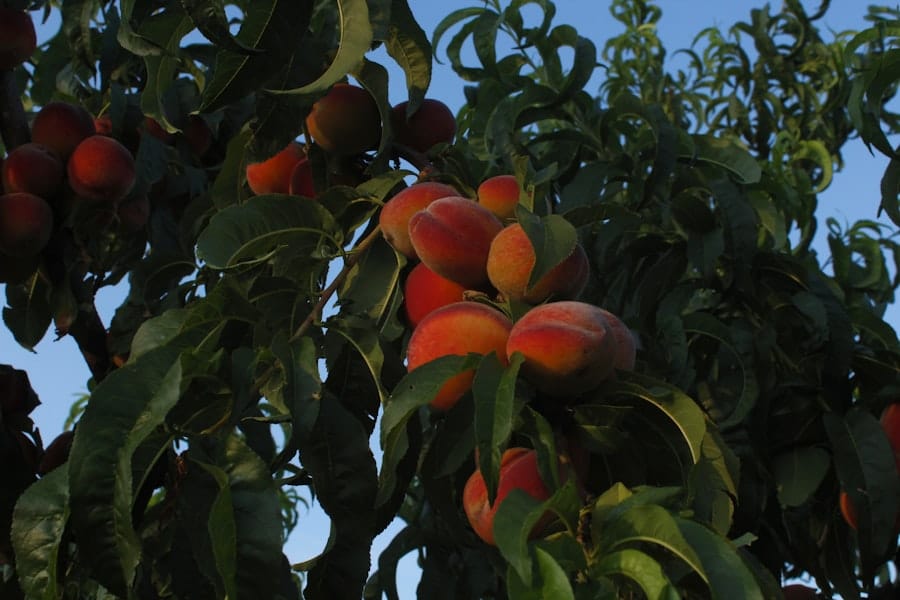
Including peaches in your ketogenic diet can offer several potential benefits that go beyond just taste. First and foremost, peaches are an excellent source of vitamins and antioxidants that can support overall health. The vitamin C found in peaches plays a crucial role in immune function and skin health, while vitamin A contributes to eye health and vision.
Additionally, the fiber content in peaches can aid digestion and promote feelings of fullness, which is particularly beneficial when you’re trying to manage your weight on a ketogenic diet. Fiber helps regulate blood sugar levels by slowing down the absorption of sugars into the bloodstream. This means that when you consume peaches alongside other low-carb foods, you may experience fewer spikes in blood sugar levels compared to eating them alone.
Potential Drawbacks of Including Peaches in a Ketogenic Diet
While there are benefits to including peaches in your ketogenic diet, there are also potential drawbacks that you should consider. The most significant concern is their carbohydrate content; as mentioned earlier, a medium peach contains around 14 grams of carbs. For those strictly adhering to a ketogenic lifestyle with a daily limit of 20-50 grams of carbs, this can be quite substantial.
Moreover, some individuals may find that consuming fruits like peaches triggers cravings for other high-carb foods or leads to overeating due to their sweetness. If you notice that including peaches makes it difficult for you to stay within your carb limits or leads to cravings for more sugary foods, it may be best to limit or avoid them altogether.
Making Informed Choices for Your Ketogenic Diet
In conclusion, navigating the world of the ketogenic diet requires careful consideration of the foods you choose to include in your meal plan. While peaches offer numerous health benefits and can be enjoyed in moderation, their carbohydrate content makes them a food that should be approached with caution if you’re aiming for strict ketosis. By understanding the role of carbohydrates and being mindful of portion sizes, you can make informed choices that align with your dietary goals.
Ultimately, the key to success on a ketogenic diet lies in balance and moderation. If you love peaches and want to include them in your meals, do so thoughtfully by pairing them with healthy fats and monitoring your overall carbohydrate intake. Remember that every individual’s body responds differently to various foods; what works for one person may not work for another.
By staying attuned to how your body reacts and making adjustments as needed, you can enjoy the benefits of a ketogenic lifestyle while still savoring the flavors you love.
FAQs
What is a ketogenic diet?
A ketogenic diet is a high-fat, low-carbohydrate diet that has been shown to help with weight loss and improve certain health conditions. It involves reducing carbohydrate intake and replacing it with fat, which puts the body into a metabolic state called ketosis.
Can I have peaches on a ketogenic diet?
Peaches are relatively high in carbohydrates, so they are not typically recommended for a strict ketogenic diet. However, small amounts of peaches can be incorporated into a ketogenic diet if they fit within your daily carbohydrate limit.
How many carbs are in a peach?
On average, a medium-sized peach contains about 14 grams of carbohydrates, with 2.3 grams of fiber. This means that a medium peach has approximately 11.7 grams of net carbs.
Are there low-carb alternatives to peaches on a ketogenic diet?
Yes, there are several low-carb fruits that can be enjoyed on a ketogenic diet, such as berries (e.g., strawberries, blueberries, raspberries), avocados, and tomatoes. These fruits are lower in carbohydrates compared to peaches and can be included in moderation on a ketogenic diet.