In the world of Taekwondo (TKD), maintaining a balanced diet is as crucial as perfecting your kicks and punches. A well-structured meal plan can significantly enhance your performance, energy levels, and overall health. This is where a printable TKD meal planner comes into play.
By providing a clear framework for your meals, it allows you to focus on your training while ensuring that your nutritional needs are met. With a printable planner, you can easily visualize your meals for the week, making it simpler to stay on track with your dietary goals. Using a printable TKD meal planner not only helps you organize your meals but also encourages you to make healthier choices.
You can customize it according to your preferences, dietary restrictions, and training schedule. Whether you are a beginner or an experienced practitioner, having a dedicated meal planner can streamline your nutrition strategy, allowing you to concentrate on honing your skills in the dojang. As you embark on this journey, you’ll find that a well-planned diet can be a game-changer in your TKD practice.
Key Takeaways
- Using a printable TKD meal planner can help you stay organized and on track with your nutrition goals.
- Benefits of using a TKD meal planner include saving time, money, and reducing stress around meal times.
- To use the printable TKD meal planner, start by setting your goals, selecting recipes, and creating a grocery list.
- Tips for meal planning in TKD include incorporating a variety of nutrient-dense foods and balancing macronutrients.
- TKD-friendly recipes to include in your meal planner can feature lean proteins, healthy fats, and complex carbohydrates.
Benefits of Using a Tkd Meal Planner
Fueling Your Workouts and Recovery
As an athlete, you require specific nutrients to fuel your workouts and recovery. A meal planner helps you ensure that you are consuming the right balance of carbohydrates, proteins, and fats to support your training regimen.
Avoiding Unhealthy Food Choices
By planning your meals in advance, you can avoid last-minute unhealthy food choices that may leave you feeling sluggish or unmotivated. Additionally, a TKD meal planner can save you time and reduce stress associated with daily meal preparation.
Streamlining Meal Prep and Grocery Shopping
When you have a clear plan in place, grocery shopping becomes more efficient, and cooking can be streamlined. You can dedicate specific days for meal prep, allowing you to batch-cook and store meals for the week ahead. This not only frees up time during busy training days but also ensures that you always have nutritious options readily available.
How to Use the Printable Tkd Meal Planner
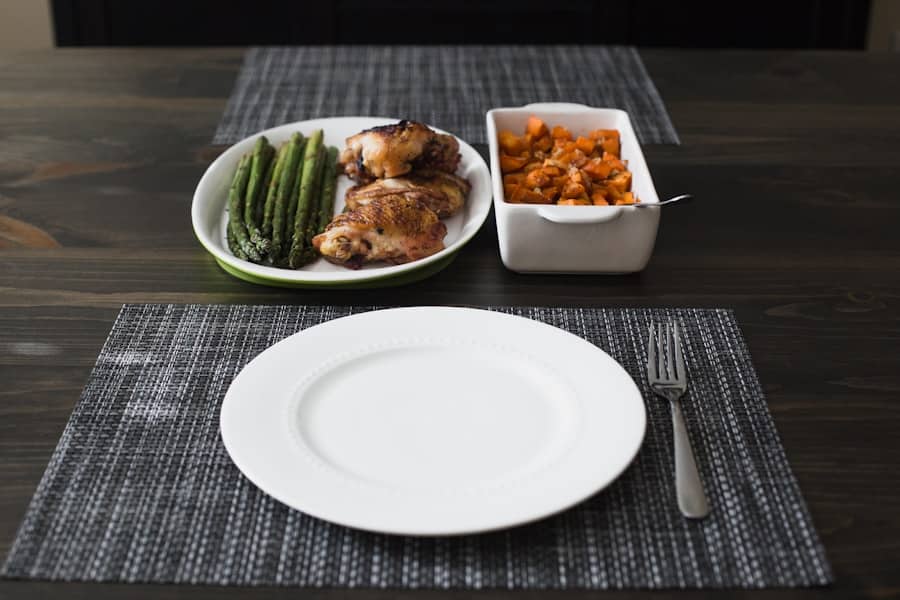
Using a printable TKD meal planner is straightforward and can be tailored to fit your lifestyle. Start by downloading or creating a template that suits your needs. You can find various designs online or create one that includes sections for breakfast, lunch, dinner, and snacks.
Once you have your template ready, begin by filling in your meals for the week based on your training schedule and nutritional requirements. As you plan your meals, consider incorporating a variety of foods to keep things interesting. Aim for a mix of lean proteins, whole grains, fruits, and vegetables.
You might want to allocate specific days for certain types of meals—like meatless Mondays or seafood Saturdays—to encourage diversity in your diet. Remember to leave some flexibility in your planner for spontaneous meals or social events; this will help you maintain balance without feeling restricted.
Tips for Meal Planning in Tkd
When it comes to meal planning for TKD, there are several strategies that can enhance your experience. First and foremost, always keep your training schedule in mind. On days when you have intense training sessions, prioritize meals that are rich in carbohydrates to provide the necessary energy.
Conversely, on rest days, focus on lighter meals that emphasize protein and healthy fats to aid recovery. Another useful tip is to prepare snacks in advance. As a TKD practitioner, you may find yourself needing quick energy boosts between training sessions or during long days at work or school.
Having pre-portioned snacks like nuts, fruit, or protein bars on hand can help you avoid unhealthy temptations and keep your energy levels stable throughout the day. Additionally, consider involving family members or friends in the meal planning process; this can make it more enjoyable and provide accountability.
Tkd-Friendly Recipes to Include in Your Meal Planner
Incorporating TKD-friendly recipes into your meal planner is essential for maintaining variety and excitement in your diet. Start with breakfast options like overnight oats topped with fresh fruit and nuts or scrambled eggs with spinach and whole-grain toast. These meals provide a solid foundation of nutrients to kickstart your day and fuel your training.
For lunch and dinner, consider recipes such as grilled chicken with quinoa and steamed vegetables or a hearty lentil soup packed with greens and spices. These dishes are not only nutritious but also easy to prepare in bulk for meal prepping. Don’t forget about snacks!
Energy balls made from oats, nut butter, and honey are perfect for quick bites before or after training sessions. By including these recipes in your meal planner, you’ll ensure that you’re eating well while enjoying delicious food.
Incorporating Nutritional Balance in Your Tkd Meal Planner

Achieving nutritional balance is vital for any athlete, especially in a demanding sport like TKD. To create a well-rounded meal plan, focus on including all three macronutrients: carbohydrates, proteins, and fats. Carbohydrates are essential for energy; opt for whole grains like brown rice or whole wheat pasta.
Proteins are crucial for muscle repair; lean meats, fish, legumes, and dairy products should be staples in your diet. Fats often get a bad reputation but are equally important for overall health and energy levels. Incorporate healthy fats from sources like avocados, nuts, seeds, and olive oil into your meals.
Additionally, don’t forget about micronutrients—vitamins and minerals found in fruits and vegetables play a significant role in recovery and overall well-being. Aim to fill half of your plate with colorful veggies at every meal; this will help ensure you’re getting a wide range of nutrients.
Creating a Grocery List for Your Tkd Meal Planner
Once you’ve mapped out your meals for the week using your TKD meal planner, it’s time to create a grocery list. This step is crucial for ensuring that you have all the ingredients needed to execute your plan successfully. Start by reviewing each meal you’ve planned and jot down the necessary items.
Organizing your list by category—such as produce, proteins, grains, and pantry staples—can make shopping more efficient. When creating your grocery list, consider buying in bulk for items you use frequently, such as grains or frozen vegetables. This not only saves money but also ensures that you always have healthy options on hand.
Additionally, take advantage of seasonal produce; not only is it often more affordable, but it also tends to be fresher and more flavorful.
How to Customize Your Tkd Meal Planner for Your Goals
Every athlete has unique goals when it comes to their training and nutrition. Whether you’re aiming to build muscle, lose weight, or simply maintain a healthy lifestyle, customizing your TKD meal planner is essential. Start by identifying your specific goals and then adjust your macronutrient ratios accordingly.
For instance, if you’re looking to gain muscle mass, increase your protein intake while ensuring you’re still consuming enough carbohydrates for energy. You can also tailor your meal planner based on personal preferences or dietary restrictions. If you’re vegetarian or vegan, focus on plant-based protein sources like beans, lentils, tofu, and tempeh while ensuring you’re still meeting all nutritional needs.
By personalizing your meal planner in this way, you’ll create a sustainable approach that aligns with both your training objectives and lifestyle choices.
Tracking Progress and Adjusting Your Tkd Meal Planner
Tracking progress is an integral part of any successful meal planning strategy. As you follow your TKD meal planner over time, take note of how different foods affect your performance and energy levels during training sessions. Keeping a food journal can be beneficial; jot down what you eat each day along with how you feel during workouts or competitions.
If you notice that certain meals leave you feeling sluggish or unmotivated, don’t hesitate to make adjustments. Experiment with different recipes or modify portion sizes based on how you’re feeling physically and mentally. Remember that flexibility is key; as you progress in your training or if your goals change, so too should your meal planner.
Meal Prepping and Batch Cooking for Tkd
Meal prepping is an invaluable skill for any TKD practitioner looking to streamline their nutrition efforts. By dedicating a few hours each week to batch cooking meals in advance, you’ll save time during busy days while ensuring that healthy options are always available. Start by selecting recipes that store well; soups, stews, casseroles, and grain bowls are excellent choices.
When prepping meals, consider investing in quality storage containers that allow for easy portioning and reheating. Labeling containers with dates can help keep track of freshness as well. Additionally, don’t shy away from freezing meals; this can extend their shelf life while providing convenient options for days when cooking feels overwhelming.
Additional Resources for Tkd Meal Planning
To further enhance your TKD meal planning journey, consider exploring additional resources available online or within the community. Websites dedicated to sports nutrition often provide valuable insights into fueling strategies specifically tailored for athletes like yourself. You might also find mobile apps designed for tracking meals and macronutrients helpful in staying organized.
Joining forums or social media groups focused on TKD can connect you with fellow practitioners who share their experiences and tips regarding meal planning and nutrition. Engaging with others who understand the demands of the sport can provide motivation and inspiration as you work towards achieving your goals. In conclusion, utilizing a printable TKD meal planner can significantly impact your performance and overall well-being as an athlete.
By understanding its benefits and learning how to effectively use it while incorporating nutritional balance and customization based on personal goals, you’ll be well-equipped to fuel your training effectively. With dedication to meal prepping and tracking progress along the way, you’ll find yourself not only improving in Taekwondo but also enjoying the journey toward better health through mindful eating practices.
FAQs
What is a TKD meal planner?
A TKD meal planner is a tool used to plan and organize meals for individuals practicing Taekwondo (TKD). It helps them to maintain a balanced diet that supports their training and overall health.
What are the benefits of using a TKD meal planner?
Using a TKD meal planner can help individuals to ensure they are consuming the right balance of nutrients to support their training and recovery. It can also help in managing weight, improving energy levels, and promoting overall health and well-being.
How does a printable TKD meal planner work?
A printable TKD meal planner typically includes sections for breakfast, lunch, dinner, and snacks, as well as space to write down the specific foods and portion sizes for each meal. It can also include a section for tracking water intake and exercise.
Where can I find a printable TKD meal planner?
Printable TKD meal planners can be found online on various health and fitness websites, as well as on platforms that offer printable templates and resources. They are often available for free and can be downloaded and printed for personal use.
How can I use a printable TKD meal planner effectively?
To use a printable TKD meal planner effectively, individuals can start by setting specific goals for their nutrition and training. They can then use the planner to pre-plan their meals, make a grocery list, and track their food intake and progress over time. Regularly reviewing and adjusting the meal plan can also help in achieving desired results.