
Keto Diet And Cholesterol
Are you curious about the relationship between the keto diet and cholesterol? Look no further! In this article, we will explore the impact of the ketogenic diet on cholesterol levels in the body. With the rising popularity of the keto diet, it is essential to understand how it may affect the delicate balance of cholesterol in your system. So, let’s dive right in and find out what the latest research has to say about the keto diet and cholesterol!
What is the Keto Diet?
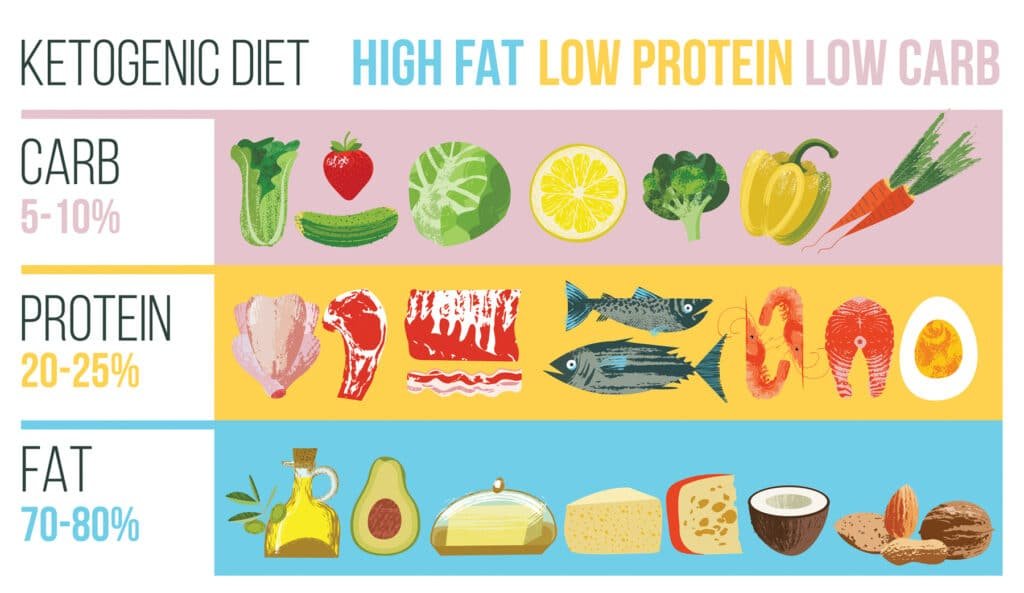
The Keto Diet, short for the ketogenic diet, is a low-carbohydrate, high-fat diet that has gained popularity in recent years. It involves drastically reducing your carbohydrate intake and replacing it with fats. By doing so, your body enters a metabolic state known as ketosis, where it relies on fats for energy instead of carbohydrates. This shift in energy source has been linked to various health benefits, including weight loss and improved blood sugar control.
Definition
The Keto Diet is characterized by a significant reduction in carbohydrate consumption, typically less than 50 grams per day. This low-carbohydrate intake prompts the body to enter a state of ketosis, where it begins to burn fat for energy instead of relying on carbohydrates. The primary source of calories in a ketogenic diet is fats, which account for approximately 70-75% of total daily calorie intake. Protein consumption is moderate, accounting for approximately 20-25% of calories, while carbohydrates comprise only 5-10% of the calories consumed.
How it Works
When you consume fewer carbohydrates, your body’s glycogen stores become depleted, and it starts to produce ketones from fats for energy. Ketones are produced in the liver and serve as an alternative fuel source for the brain and muscles. As your body begins to rely on ketones for energy, it enters a state of ketosis. This metabolic state has been associated with numerous health benefits, including weight loss and improved insulin sensitivity.
Macronutrient Composition
The macronutrient composition of the Keto Diet is distinct from traditional diets. Rather than being carbohydrate-heavy, the Keto Diet focuses on high-fat and moderate-protein intake. This shift in macronutrient ratios forces the body to utilize fats as its primary energy source, resulting in a metabolic state of ketosis.
Benefits of the Keto Diet
The Keto Diet has gained popularity due to its potential benefits. Some of the key advantages associated with this dietary approach include:
- Weight Loss: By relying on fats as the primary energy source, the Keto Diet has been shown to promote weight loss, especially in obese individuals.
- Improved Insulin Sensitivity: The Keto Diet may help improve insulin sensitivity, which is beneficial for individuals with type 2 diabetes or prediabetes.
- Reduced Blood Sugar and Insulin Levels: By minimizing carbohydrate intake, the Keto Diet can effectively lower blood sugar and insulin levels, which may help manage diabetes.
- Increased HDL Cholesterol and Decreased Triglyceride Levels: The Keto Diet has been shown to increase high-density lipoprotein (HDL) cholesterol, often referred to as “good” cholesterol, and lower triglyceride levels, a type of fat found in the bloodstream.
- Enhanced Mental Focus and Energy Levels: The ketones produced during ketosis can provide a steady source of energy for the brain, leading to improved mental focus and concentration.
- Potential Anti-inflammatory Effects: Some studies suggest that the Keto Diet may help reduce inflammation in the body, which is associated with various chronic diseases.
While the Keto Diet can provide numerous benefits, it’s essential to understand its potential impact on cholesterol levels, as cholesterol plays a vital role in the body’s overall health.
Understanding Cholesterol
Cholesterol is a waxy substance that is found in your body and is also present in certain foods. Although it is often vilified, cholesterol is an essential component of cell membranes, hormone production, and bile acid synthesis. It plays a crucial role in various bodily functions and is necessary for overall health. However, it’s essential to maintain a balance when it comes to cholesterol levels, as excessive amounts can contribute to health problems, particularly those related to heart health.
What is Cholesterol?
Cholesterol is a lipid, or fat, produced by the liver and obtained through the diet. It is categorized into two types: dietary cholesterol and blood cholesterol. Dietary cholesterol is found in animal-based foods, such as meat, eggs, and dairy products, while the liver produces blood cholesterol.
Types of Cholesterol
There are two primary types of cholesterol: low-density lipoprotein (LDL) cholesterol and high-density lipoprotein (HDL) cholesterol. LDL cholesterol is often referred to as “bad” cholesterol as it can contribute to the buildup of plaque in the arteries, increasing the risk of heart disease. HDL cholesterol, on the other hand, is considered “good” cholesterol as it helps remove excess cholesterol from the bloodstream and carries it back to the liver for processing and elimination.
The Role of Cholesterol in the Body
Cholesterol is essential for various physiological functions in the body. It is a critical component of cell membranes, playing a crucial role in maintaining their integrity. Cholesterol is also required for the synthesis of hormones, including cortisol, estrogen, and testosterone. Additionally, cholesterol is involved in the production of bile acids, which aid in the digestion and absorption of dietary fats.
Cholesterol and Heart Health
High levels of LDL cholesterol and low levels of HDL cholesterol are associated with an increased risk of heart disease. LDL cholesterol can accumulate in the arteries, forming plaques that restrict blood flow and increase the likelihood of heart attacks and strokes. Maintaining a healthy balance of cholesterol is crucial for heart health.
The Keto Diet and Cholesterol Levels
With the rising popularity of the Keto Diet, concerns have been raised regarding its potential impact on cholesterol levels. As the diet is high in fats, including saturated fats, questions arise about its effect on LDL cholesterol and overall heart health. Let’s delve into the research to gain a better understanding of the relationship between the Keto Diet and cholesterol levels.
Effects of the Keto Diet on Cholesterol
Numerous studies have investigated the effect of the Keto Diet on cholesterol levels. While some studies have shown a significant increase in LDL cholesterol levels, others have found no significant change or even a decrease in LDL cholesterol levels. These conflicting findings contribute to the ongoing debates surrounding the Keto Diet’s impact on cholesterol.
Impact of High Fat Intake
The high-fat intake characteristic of the Keto Diet can lead to increased LDL cholesterol levels. Saturated fats, which are commonly consumed on the Keto Diet, have been associated with raising LDL cholesterol levels, potentially increasing the risk of heart disease.
Effect on LDL Cholesterol
Some studies have reported an elevation in LDL cholesterol levels among individuals following the Keto Diet. Elevated LDL cholesterol, especially when combined with other risk factors, can contribute to the development of cardiovascular disease. However, it’s important to note that not all studies have found this association, suggesting that individual variations and other factors may be at play.
Effect on HDL Cholesterol
Interestingly, the Keto Diet has been shown to increase levels of HDL cholesterol, which is often considered beneficial for heart health. Higher levels of HDL cholesterol are associated with a decreased risk of cardiovascular disease. This positive effect on HDL cholesterol may partly counterbalance any potential negative impact on LDL cholesterol.
Influence on Triglyceride Levels
Triglycerides are another type of fat found in the bloodstream, and high levels are associated with an increased risk of heart disease. The Keto Diet has been shown to decrease triglyceride levels in some studies, which may be advantageous for cardiovascular health. However, more research is needed to fully understand the relationship between the Keto Diet and triglyceride levels.
Controversies and Debates
As with any dietary approach, the relationship between the Keto Diet and cholesterol levels is not without controversy and debate. Research findings, individual variations, long-term effects, and expert opinions all contribute to the ongoing discussions surrounding this topic.
Conflicting Research Findings
One of the main factors fueling debates is the conflicting research findings regarding the impact of the Keto Diet on cholesterol levels. While some studies have observed an increase in LDL cholesterol levels, others have found no significant change or even a decrease in LDL cholesterol levels. This inconclusiveness underscores the need for further research to fully understand the relationship between the Keto Diet and cholesterol.
Individual Variations
It’s essential to recognize that individuals may respond differently to the Keto Diet in terms of cholesterol levels. Genetic factors, pre-existing health conditions, and lifestyle factors can all influence how the body metabolizes fats and cholesterol. Therefore, what works for one person may not necessarily work for another when it comes to cholesterol management on the Keto Diet.
Long-term Effects on Cholesterol
The long-term effects of the Keto Diet on cholesterol levels are still not well understood. Most studies conducted so far have been of short duration, making it challenging to draw definitive conclusions regarding the diet’s long-term impact on cholesterol. Long-term studies are needed to assess the sustained effects of the Keto Diet on cholesterol levels and overall heart health.
Expert Opinions
Opinions among experts vary regarding the relationship between the Keto Diet and cholesterol levels. Some experts believe that the potential benefits of weight loss and improved blood sugar control outweigh any adverse effects on cholesterol. Others emphasize the importance of monitoring cholesterol levels and modifying the diet accordingly to minimize potential risks.
Tips for a Healthy Keto Lifestyle
If you’re considering following the Keto Diet while managing your cholesterol levels, there are several strategies you can incorporate to maintain a healthy lifestyle. These tips can help you optimize your nutritional choices and mitigate any potential risks associated with the diet.
Choosing Healthy Fats
While the Keto Diet is high in fat, it’s essential to focus on consuming healthy fats, such as avocados, nuts, seeds, and olive oil. These fats contain monounsaturated and polyunsaturated fats, which can have a positive effect on cholesterol levels. Limiting saturated and trans fats, which are commonly found in processed and fried foods, is crucial for heart health.
Incorporating Fiber
Fiber is essential for maintaining healthy cholesterol levels and promoting good gut health. While the Keto Diet restricts carbohydrate intake, it’s still possible to include fiber-rich vegetables and low-carb sources of fiber, such as chia seeds and flaxseed. Adequate fiber intake can help regulate cholesterol and support digestive function.
Avoiding Processed Foods
Processed foods high in unhealthy fats, artificial additives, and refined carbohydrates should be minimized or avoided altogether on the Keto Diet. These foods can contribute to inflammation, insulin resistance, and poor cholesterol profiles. Opt for whole, unprocessed foods whenever possible to optimize both your cholesterol levels and overall health.
Monitoring Cholesterol Levels
Regular monitoring of cholesterol levels is essential when following the Keto Diet. This allows you to track any changes and make necessary adjustments to your diet and lifestyle. Consult with your healthcare professional to determine the appropriate frequency of cholesterol testing, taking into account your individual needs and risk factors.
Balancing Macronutrient Ratios
Maintaining a proper balance of macronutrients is crucial for long-term success on the Keto Diet. While the diet is high in fats, it’s essential to consume an adequate amount of protein and incorporate non-starchy vegetables. This helps ensure you’re obtaining crucial nutrients while minimizing potential risks associated with high-fat diets.
Potential Risks and Considerations
Although the Keto Diet can yield positive results for some individuals, it’s essential to be aware of the potential risks and considerations, particularly concerning cholesterol management.
Increased Risk of Heart Disease
The high intake of saturated fats on the Keto Diet can increase LDL cholesterol levels and potentially elevate the risk of heart disease, especially in individuals who are genetically predisposed or already have existing heart conditions. It’s crucial to carefully monitor cholesterol levels and consult with a healthcare professional if you have concerns.
Effect on Blood Sugar Levels
While the Keto Diet can be beneficial for blood sugar control and insulin sensitivity in specific individuals, it’s essential to closely monitor blood sugar levels, especially if you have diabetes or are taking medication to manage blood sugar levels. Carbohydrate restriction can lead to hypoglycemia (low blood sugar) if medications are not adjusted accordingly.
Nutrient Deficiencies
The Keto Diet restricts many food groups, which can potentially lead to nutrient deficiencies if not appropriately managed. It’s essential to ensure you’re obtaining a wide variety of nutrient-rich foods, including low-carb vegetables, healthy fats, and adequate protein sources. Consult with a registered dietitian or healthcare professional for personalized guidance to avoid nutrient imbalances.
Impact on Gut Health
The Keto Diet can potentially disrupt the balance of gut bacteria, which play a crucial role in digestive health and overall well-being. To support gut health while following the Keto Diet, focus on incorporating fiber-rich foods, such as non-starchy vegetables and low-carb sources of fiber like flaxseed and chia seeds. Additionally, consider incorporating fermented foods, such as sauerkraut or kefir, to promote a healthy gut microbiome.

Managing Cholesterol Levels on Keto
Suppose you decide to follow the Keto Diet and are concerned about its potential impact on your cholesterol levels. In that case, several strategies can be employed to manage and optimize your cholesterol profile while enjoying the benefits of ketosis.
Regular Cholesterol Testing
Regular cholesterol testing is crucial to monitor your cholesterol levels while on the Keto Diet. This provides valuable information about your LDL cholesterol, HDL cholesterol, and triglyceride levels. Work with your healthcare professional to determine the appropriate frequency of cholesterol testing based on your individual needs.
Optimizing Fat Types
While the Keto Diet is high in fats, it’s essential to focus on consuming healthy fats to optimize your cholesterol profile. Choose sources of unsaturated fats, such as avocados, nuts, seeds, and olive oil. These fats have been shown to have a positive effect on cholesterol levels and overall heart health.
Exercise and Physical Activity
Incorporating regular exercise and physical activity into your routine can have a positive impact on cholesterol levels. Both aerobic exercise and strength training have been shown to improve cholesterol profiles by increasing HDL cholesterol and reducing LDL cholesterol levels. Find activities you enjoy and aim for at least 150 minutes of moderate-intensity aerobic exercise per week.
Stress Reduction
Chronic stress has been linked to increased cholesterol levels. Implement stress-reduction techniques such as regular exercise, meditation, deep breathing exercises, or engaging in hobbies that bring you joy. Managing stress levels may support healthier cholesterol levels.
Overall Healthy Lifestyle
While the Keto Diet can be a valuable tool for weight loss and potentially improving specific health markers, it’s crucial to adopt an overall healthy lifestyle for optimal cholesterol management. This includes maintaining a balanced diet, being physically active, managing stress, and avoiding smoking.
Understanding Cholesterol Lab Results
When you receive your cholesterol lab results, it’s essential to understand what each value means. Familiarizing yourself with the different components of your cholesterol profile can help you and your healthcare professional make informed decisions regarding your cholesterol management.
Total Cholesterol
Total cholesterol represents the sum of all cholesterol types in your bloodstream. While it provides an overview of your cholesterol levels, it doesn’t distinguish between LDL cholesterol and HDL cholesterol.
LDL Cholesterol
LDL cholesterol, often referred to as “bad” cholesterol, contributes to the buildup of plaques in the arteries. High levels of LDL cholesterol are associated with an increased risk of heart disease.
HDL Cholesterol
HDL cholesterol, also known as “good” cholesterol, helps remove excess cholesterol from the bloodstream and carries it back to the liver for processing and elimination. Higher levels of HDL cholesterol are desirable as they are associated with a reduced risk of heart disease.
Triglyceride Levels
Triglycerides are another type of fat found in the bloodstream. High levels of triglycerides have been linked to an increased risk of heart disease. Monitoring your triglyceride levels is essential for overall cholesterol management.
Cholesterol Ratios
Cholesterol ratios provide further insight into your cholesterol profile. The most commonly used ratios are the total cholesterol-to-HDL cholesterol ratio and the LDL cholesterol-to-HDL cholesterol ratio. These ratios can help assess your overall cardiovascular risk.

Personalizing the Keto Diet for Cholesterol Management
To personalize the Keto Diet for cholesterol management, it’s essential to consult with a healthcare professional who can assess your risk factors and provide tailored recommendations. Considering your medical history, family history, current cholesterol levels, and overall health status will help determine the most appropriate approach.
Consult with a Healthcare Professional
Before starting the Keto Diet or making any significant dietary changes, consult with a registered dietitian or healthcare professional specializing in cholesterol management. They will evaluate your current cholesterol levels, assess your risk factors, and help you tailor your diet to meet your needs.
Individual Risk Factors
Individual risk factors, such as a family history of heart disease, obesity, diabetes, or high blood pressure, should be taken into account when personalizing the Keto Diet for cholesterol management. This information is significant as it helps determine the intensity of dietary modifications required and other lifestyle interventions that may be beneficial.
Modifying Fat Intake
Based on your risk factors and cholesterol lab results, a healthcare professional can recommend modifications to your fat intake while following a keto diet. This may involve reducing saturated fat intake, focusing on incorporating healthier fats, or adjusting macronutrient ratios to suit your cholesterol management goals.
Supplements for Cholesterol Management
In some cases, dietary supplements may be recommended to support cholesterol management while following a keto diet. Supplements such as omega-3 fatty acids or plant sterols can have a positive impact on cholesterol levels. However, it’s essential to consult with a healthcare professional before initiating any new supplements to ensure they align with your individual needs and overall health.
The Keto Diet has garnered significant attention in recent years for its potential benefits in weight loss and blood sugar control. However, its impact on cholesterol levels remains a topic of debate and ongoing research. While some studies have shown an increase in LDL cholesterol levels, others have found no significant change or even improvements in cholesterol profiles.
To manage cholesterol levels while following the Keto Diet, it’s crucial to prioritize healthy fats, incorporate fiber, avoid processed foods, and regularly monitor cholesterol levels. Personalizing the diet based on individual risk factors, consulting with healthcare professionals, and implementing overall healthy lifestyle habits are also important considerations.
Considering the overall picture and understanding the potential risks and benefits, it’s essential to find the right balance between achieving the desired outcomes of the Keto Diet and maintaining optimal cholesterol levels. Regular monitoring, self-awareness, and guidance from healthcare professionals are vital to ensure your cholesterol management aligns with your individual health goals.

RELATED TOPICS ABOUT Keto Diet And Cholesterol:
Keto and Cholesterol,
Ketogenic Diet and Cholesterol Levels,
Does Keto Raise Cholesterol,
Keto Diet Effects on Cholesterol,
Keto and Heart Health,
Keto and Ldl Levels,
Keto and Hdl Cholesterol,
Keto and Ldl Cholesterol,
Keto and Triglycerides,
Keto and Total Cholesterol,
Ketogenic Diet and Lipid Profile,
Cholesterol Numbers on Keto,
Is Keto Bad for Cholesterol,
Can Keto Cause High Cholesterol,
Keto and Heart Disease Risk,
Keto and Atherosclerosis,
Managing Cholesterol on Keto,
Keto and Cardiovascular Health,
Keto Foods That Raise Cholesterol,
Best Fats on Keto for Heart Health,
Healthy Fats for Keto,
Keto Without High Saturated Fat,
Cholesterol-friendly Keto Recipes,
Clean Keto for Cholesterol Control,
Keto and High Cholesterol,
Keto for People with High Cholesterol,
Keto for Heart Patients,
Keto and Cholesterol in Women,
Keto Cholesterol Changes over Time,
Doctor Monitored Keto Diet,
Printable Keto Cholesterol Tracker,
Keto and Cholesterol Pdf Guide,
Keto Diet Cholesterol Chart,
Weekly Heart-healthy Keto Plan,
Keto Success Stories with Lower Cholesterol
==========
Content 10/10/G


