
Keto Diet Breakfast
Are you following a keto diet and looking for delicious breakfast options to start your day? Look no further! In this article, we will explore a variety of keto-friendly breakfast ideas that are not only healthy but also incredibly tasty.
Whether you prefer savory or sweet, we’ve got you covered with a range of recipes that will satisfy your cravings while keeping you on track with your keto goals. Get ready to energize your mornings with these mouthwatering keto diet breakfast options!

Benefits of a Keto Diet
Weight Loss
One of the main reasons people follow the keto diet is for weight loss. When you limit your carbohydrate intake, your body is forced to burn fat for fuel instead of glucose. This process, known as ketosis, leads to rapid weight loss. In fact, many individuals report significant weight loss within the first few weeks of starting a keto diet.
Improved Mental Focus
Following a keto diet can also have positive effects on your mental focus and clarity. When your body is in ketosis, it relies on ketones as its primary source of energy. Ketones are known to provide a more stable and long-lasting source of energy compared to glucose. This stable energy supply can improve your cognitive function and help you stay focused throughout the day.
Increased Energy Levels
Many people report experiencing increased energy levels when following a keto diet. This is because the switch to burning fat for fuel provides a steady supply of energy, unlike the energy crashes that can occur after consuming high-carbohydrate meals. When you have higher energy levels, you feel more motivated and productive, which can positively impact all aspects of your life.
Reduced Hunger and Cravings
One of the most significant benefits of a keto diet is the reduction in hunger and cravings. Since the diet is high in healthy fats and moderate in protein, it keeps you feeling satisfied for longer periods. Additionally, the low-carbohydrate nature of the diet helps stabilize blood sugar levels, preventing rapid spikes and crashes that can lead to cravings and overeating.
Improved Blood Sugar Control
The keto diet has been shown to improve blood sugar control, making it an excellent choice for individuals with diabetes or those seeking to prevent the development of type 2 diabetes. By reducing carbohydrate intake, the body’s need for insulin decreases, leading to more stable blood sugar levels. This can help prevent episodes of hyperglycemia and hypoglycemia, and ultimately lead to better overall health.
Understanding the Keto Diet
What is the Keto Diet?
The keto diet, short for ketogenic diet, is a low-carbohydrate, high-fat diet that has gained significant popularity in recent years. The primary goal of the diet is to induce a state of ketosis, where the body begins to burn fat for fuel instead of carbohydrates. To do this, you must severely limit your intake of carbohydrates and increase your consumption of healthy fats.
How Does It Work?
When you significantly reduce your carbohydrate intake, your body is no longer able to rely on glucose (sugar) as its primary source of energy. Instead, it begins breaking down fat into molecules called ketones, which can be used as an alternative fuel source. This metabolic shift is what leads to weight loss and other health benefits associated with the keto diet.
Key Principles to Follow
To successfully follow a keto diet, it is essential to adhere to a few key principles:
- High Fat: The majority of your daily calories should come from healthy fats such as avocados, nuts, and oils.
- Moderate Protein: Protein should comprise a moderate portion of your daily calorie intake, but be cautious not to consume excessive amounts, as it can hinder ketosis.
- Low-Carbohydrate: Carbohydrate intake should be limited to approximately 20-50 grams per day, depending on individual needs.
- Focus on Whole Foods: It is essential to prioritize whole, unprocessed foods to ensure you are getting a variety of nutrients while avoiding added sugars and unhealthy fats.
By following these principles, you can successfully transition your body into a state of ketosis and begin reaping the numerous benefits of the keto diet.
Importance of a Healthy Breakfast
Kickstarting Metabolism
Breakfast is often referred to as the most important meal of the day, and for good reason. After an overnight fast, your body’s metabolism needs a jumpstart. By consuming a healthy breakfast, you provide the necessary fuel for your metabolism to begin working at its optimal level, helping you burn more calories throughout the day.
Providing Energy for the Day
A nutritious breakfast is crucial for providing your body with the energy it needs to tackle the day ahead. When you skip breakfast, you may find yourself feeling sluggish and low on energy, which can negatively impact your productivity and overall mood. By fueling your body with the proper nutrients in the morning, you set yourself up for success and ensure sustained energy throughout the day.
Enhancing Mental Performance
Breakfast plays a vital role in supporting cognitive function and mental performance. Studies have shown that individuals who eat a healthy breakfast are more alert, focused, and perform better on tasks requiring memory and attention. By providing your brain with the necessary nutrients in the morning, you can boost your mental sharpness and overall brain health.
Keto-Friendly Breakfast Foods
Eggs
Eggs are a staple in the keto diet and make for an excellent breakfast option. They are rich in protein and healthy fats, making them both satisfying and nutritious. Whether you prefer them scrambled, poached, or in an omelette, eggs provide a solid foundation for a keto-friendly breakfast.
Avocado
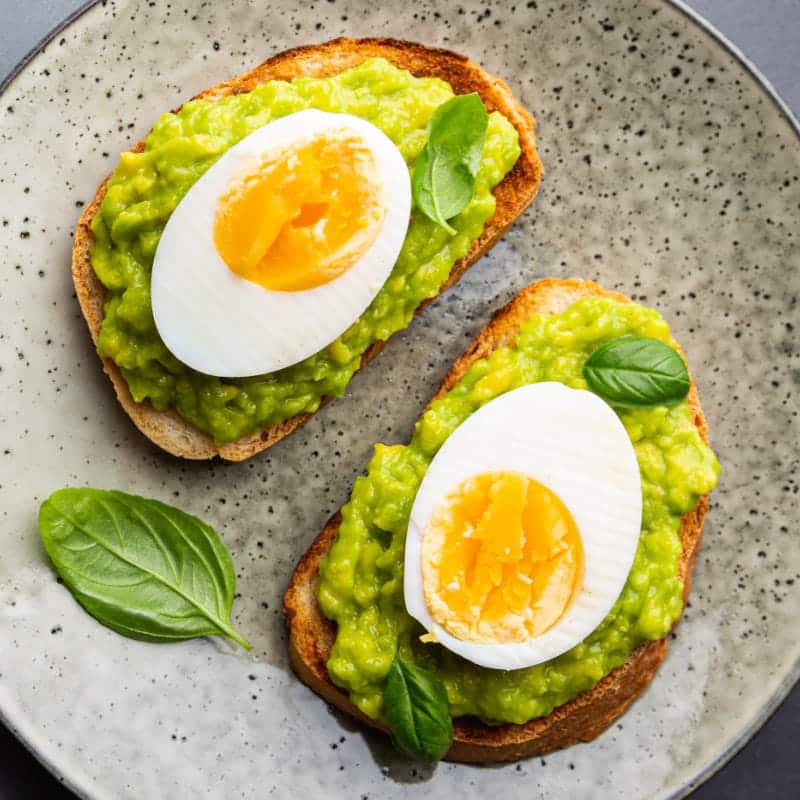
Avocados are a versatile and nutritious fruit that fit perfectly into a keto diet. It is high in healthy fats and low in carbohydrates, making it an ideal addition to your breakfast. Enjoy it sliced on top of eggs, mashed into guacamole, or as an ingredient in a delicious keto smoothie.
Bacon
Bacon is a popular breakfast choice for many, and fortunately, it can still be enjoyed on a keto diet. Opt for unprocessed bacon that is free from added sugars or artificial ingredients. Bacon provides a good dose of fats and protein to keep you satisfied and energized throughout the morning.
Coconut Oil
Coconut oil is an excellent source of healthy fats and can be used in various ways for a keto breakfast. Use it to cook your eggs, add it to your coffee for a creamy texture, or incorporate it into keto-friendly baked goods for a delightful coconut flavor.
Nuts and Seeds
Nuts and seeds are a convenient and nutritious option for a keto breakfast. They are packed with healthy fats, fiber, and essential nutrients. Enjoy a handful of almonds, walnuts, or chia seeds as a quick and satisfying breakfast option to keep you feeling full and energized.
Full-Fat Dairy Products
Full-fat dairy products such as cheese, yogurt, and heavy cream can be a delicious addition to a keto breakfast. These products are low in carbs and provide a good amount of healthy fats and protein. Enjoy them in moderation as part of a balanced keto meal.
Low-Carb Vegetables
Including low-carb vegetables, such as spinach, broccoli, and cauliflower, in your breakfast can add essential nutrients and enhance the overall nutritional value of your meal. Cook them up with eggs, toss them in a breakfast salad, or enjoy them as a side dish to complete your keto breakfast.
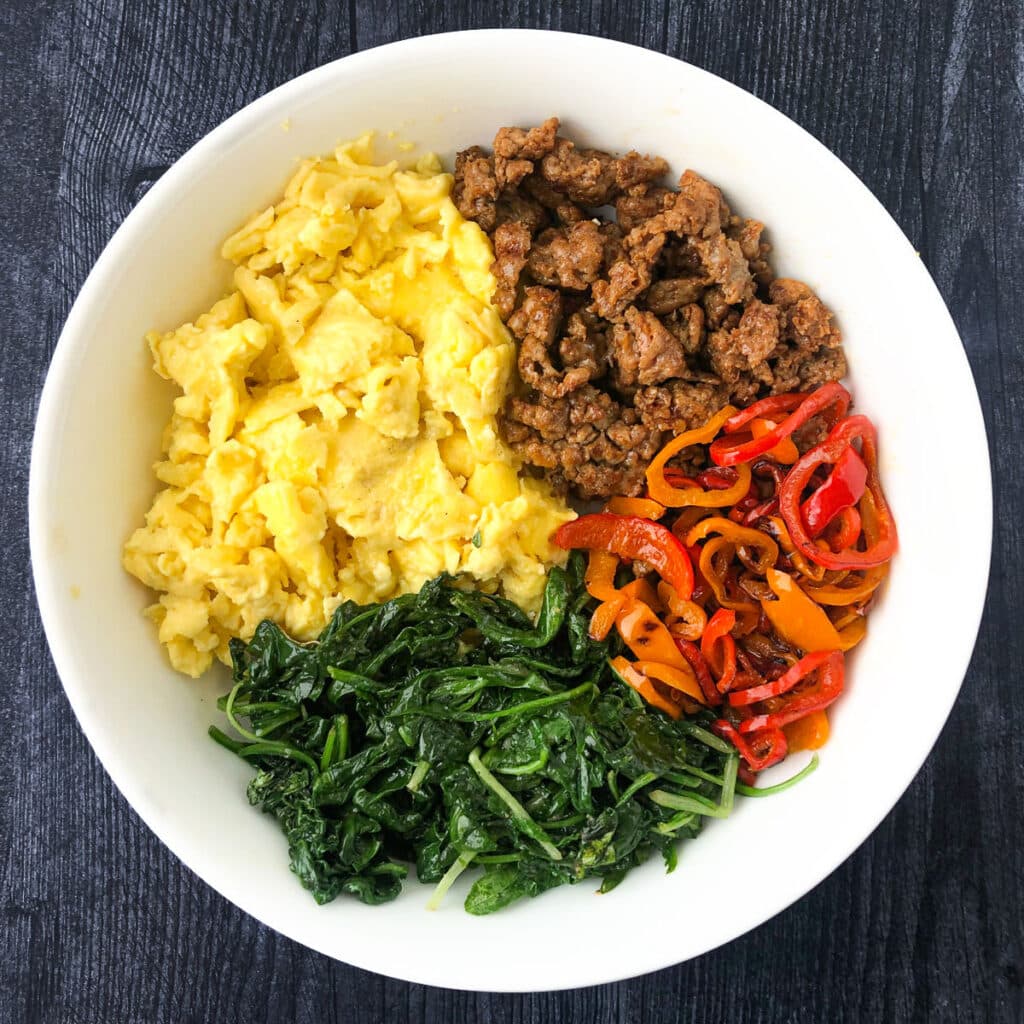
Keto Breakfast Meal Ideas
Scrambled Eggs with Avocado and Bacon
Start your day with a protein-packed and flavorful breakfast by combining scrambled eggs with sliced avocado and crispy bacon. This delicious combination will keep you satisfied and energized until your next meal.
Keto-Friendly Smoothie
Blend unsweetened almond milk, spinach, avocado, a scoop of protein powder, and a dollop of almond butter for a refreshing and filling keto smoothie. Feel free to add a handful of berries or a pinch of cinnamon for added flavor.
Coconut Flour Pancakes with Sugar-Free Syrup
Indulge in a stack of fluffy coconut flour pancakes topped with sugar-free syrup. These pancakes are low in carbs and high in fiber, making them a satisfying and guilt-free breakfast option for those following a keto diet.
Chia Seed Pudding with Berries
Combine chia seeds, unsweetened almond milk, and a touch of vanilla extract in a jar and let it sit overnight for a creamy and delicious chia seed pudding. Top it off with a handful of fresh berries for added sweetness and antioxidants.
Omelette with Spinach and Cheese
Whisk together eggs, a handful of spinach, and your favorite cheese for a nutritious and filling omelette. Customize it with additional ingredients such as diced bell peppers, mushrooms, or cooked bacon to create a breakfast masterpiece.
Bulletproof Coffee
Start your day with a cup of bulletproof coffee, a popular keto-friendly beverage. Blend brewed coffee, a tablespoon of coconut oil, and a tablespoon of grass-fed butter or ghee for a frothy and energizing drink that will keep you fueled for hours.
Meal Prepping and Planning
Benefits of Meal Prepping
Meal prepping is a valuable tool for staying on track with your keto diet. It allows you to plan and prepare your meals in advance, saving you time and ensuring that you have keto-friendly options readily available. By dedicating a few hours each week to meal prepping, you can set yourself up for success and make healthy food choices throughout the week.
Tips for Keto Meal Prepping
When it comes to keto meal prepping, consider the following tips:
- Plan Your Meals: Take a few minutes to plan your meals for the week, including breakfast options. This will help you stay focused and ensure that you have all the necessary ingredients on hand.
- Batch Cook: Prepare a large batch of keto-friendly foods, such as egg muffins or chia seed pudding, and portion them out for the week. This makes breakfast a breeze and eliminates the need for morning prep.
- Invest in Quality Containers: Invest in sturdy, airtight containers to store your prepped meals. This will help keep your food fresh and easily accessible throughout the week.
- Prep Ingredients in Advance: Wash, cut, and portion out vegetables and other ingredients ahead of time. This will streamline your meal prep process and make it easier to whip up a keto breakfast in no time.
- Rotate Recipes: To avoid getting bored with your keto breakfast options, rotate recipes each week. This will keep things interesting and ensure you continue to receive a variety of nutrients.
Planning for Busy Mornings
For busy individuals, mornings can often feel rushed and hectic. To ensure that you can still enjoy a keto breakfast on these busy days, consider the following strategies:
- Make Overnight Chia Seed Pudding: Prep a jar of chia seed pudding the night before and store it in the refrigerator. In the morning, grab and go.
- Pre-Portion Smoothie Ingredients: Measure out your smoothie ingredients and store them in individual bags in the freezer for easy preparation. In the morning, grab a bag, blend it up, and enjoy a nutritious smoothie on the run.
- Keep Keto-Friendly Bars or Snacks on Hand: Keep a stash of keto-friendly bars or snacks in your bag or car for those mornings when you don’t have time for a sit-down breakfast. This will prevent you from grabbing unhealthy options on the go.
By planning and implementing these strategies, you can ensure that even on your busiest mornings, you can still enjoy a healthy and delicious keto breakfast.

Tips for Success on a Keto Breakfast
Stay Hydrated
Remember to stay hydrated throughout the day, including during breakfast. Drinking enough water helps with digestion, supports overall health, and can help prevent hunger cravings. Consider starting your day with a glass of water before enjoying your breakfast.
Include Enough Protein
Protein is an essential macronutrient that plays a crucial role in maintaining and repairing body tissues. Protein also helps keep you feeling full and satisfied after a meal. When planning your keto breakfast, strive to incorporate a good source of protein, such as eggs, bacon, or Greek yogurt.
Watch Out for Hidden Carbs
While the keto diet is low in carbohydrates, it’s essential to be mindful of hidden carbs in certain foods. Sauces, dressings, and processed meats can often contain added sugars or starchy additives that can derail your keto efforts. Always read food labels and choose whole, unprocessed foods whenever possible.
Experiment with Different Recipes
One of the keys to success on a keto breakfast is to keep things interesting and enjoyable. Experiment with different recipes and flavors to find what works best for you. There is a vast array of keto-friendly breakfast options available, so don’t be afraid to try new things and get creative in the kitchen.
Listen to Your Body
Everyone’s nutritional needs and preferences are unique, so it’s essential to listen to your body and adjust accordingly. Pay attention to how different foods affect you and experiment with various ratios of fats, proteins, and carbohydrates to determine what works best for you. Some individuals may find that they perform better with slightly higher carbohydrate intake, while others may thrive on a stricter low-carb approach. Trust your body’s signals and make adjustments accordingly.
Common Mistakes to Avoid
Skipping Breakfast
While intermittent fasting can be beneficial for some individuals, regularly skipping breakfast on a keto diet can hinder progress. Breakfast sets the tone for your day and provides essential nutrients to keep you energized and focused. Make breakfast a priority and fuel your body with a balanced keto meal.
Overeating on Protein
Protein is an essential component of a keto diet, but it’s important to consume it in moderation. Overeating on protein can lead to excess caloric intake and may hinder your progress into ketosis. Be mindful of your protein portions and focus on incorporating a variety of other nutrient-dense foods into your breakfast.
Not Checking Food Labels
When following a keto diet, it is crucial to carefully read food labels to ensure that the products you consume are low in carbohydrates. Many packaged foods, even those marketed as “healthy” or “low-fat,” can still contain hidden sugars or other sources of carbohydrates. Familiarize yourself with reading labels and opt for whole, unprocessed foods whenever possible.
Relying Too Heavily on Processed Foods
While there are some convenient keto-friendly options available in the form of processed foods, relying too heavily on these can be detrimental to your health. Processed foods are often high in unhealthy additives, preservatives, and artificial ingredients. Instead, aim to prioritize whole foods that are naturally low in carbohydrates and rich in nutrients.

Adjusting the Keto Breakfast
Cyclical Keto Diet and Carb Cycling
The cyclical keto diet involves cycling between periods of strict ketogenic eating and higher carbohydrate intake. This approach is often employed by athletes and individuals who require additional carbohydrates for intense workouts or to achieve specific performance goals. If you are following a cyclical keto diet, you may adjust your breakfast to include a higher amount of carbohydrates on days designated for carb refeeding.
Targeted Keto Diet
The targeted keto diet involves consuming small amounts of carbohydrates around workouts to provide a quick source of energy for high-intensity exercise. If you follow a targeted keto diet, you may incorporate a small portion of carbohydrates into your pre- or post-workout breakfast to support your training needs.
High-Protein Keto Diet
For individuals seeking to boost their protein intake while maintaining ketosis, a high-protein keto diet may be a suitable option. This approach involves consuming a higher percentage of calories from protein while maintaining a low carbohydrate intake. To adjust your breakfast for a high-protein keto diet, focus on incorporating higher-protein foods such as lean meats, eggs, and Greek yogurt.
Plant-Based Keto Diet
While the keto diet is predominantly focused on animal-based fats and proteins, it is possible to follow a plant-based version of the diet. A plant-based keto diet emphasizes healthy fats from plant sources such as avocados, nuts, and coconut oil, alongside plant-based proteins and low-carbohydrate vegetables. Adjust your breakfast by incorporating plant-based protein sources such as tofu, tempeh, or protein powder made from pea or hemp.
Individualizing your keto breakfast is key to long-term success on the diet. It’s essential to find a balance that works for you, taking into account your personal preferences, goals, and unique nutritional needs. Consulting with a healthcare professional or registered dietitian who specializes in the keto diet can provide valuable guidance and help you design a breakfast plan that suits your lifestyle.
Remember, the keto diet is not a one-size-fits-all approach; it’s essential to listen to your body and make adjustments as needed. Embrace the numerous benefits of a keto lifestyle, including weight loss, improved mental focus, increased energy levels, reduced hunger and cravings, and better blood sugar control, and enjoy the journey towards a healthier you.
RELATED TOPICS ABOUT Keto Diet Breakfast:
Breakfast On Keto Diet,
Breakfast On Keto Diet Uk,
Healthy Keto Breakfast Casserole,
Healthy Keto Breakfast Cookies,
Healthy Keto Breakfast Recipes,
Healthy Keto Breakfast Smoothie,
Healthy Keto Egg Breakfast,
Healthy Keto.breakfast Wrap,
Keto Carnivore Diet Breakfast,
Keto Diet And Breakfast,
Keto Diet Breakfast Cereal,
Keto Diet Breakfast Easy,
Keto Diet Breakfast For Weight Loss,
Keto Diet Breakfast Ideas,
Keto Diet Breakfast Items,
Keto Diet Breakfast Muffins Recipe,
Keto Diet Breakfast No Eggs,
Keto Diet Breakfast Recipes,
Keto Diet Breakfast Smoothie,
Keto Diet Sample Breakfast,
Keto Meal Ideas Breakfast Lunch And Dinner,
Low Carb Diet Breakfast Recipes,
Sample Of Keto Diet Breakfast,
What Is Keto Diet Breakfast
==========
Content 10/10/G


