
Is Keto Diet Safe
Are you considering trying the popular ketogenic diet but can’t help but wonder: Is it safe? With so many conflicting opinions and information out there, it’s essential to understand the potential risks and benefits of the keto diet before jumping in.
In this article, we will examine the safety of the ketogenic diet, highlighting the potential health benefits it offers, as well as the precautions you should take to ensure a safe and effective journey towards improved health.
What is a Keto Diet?
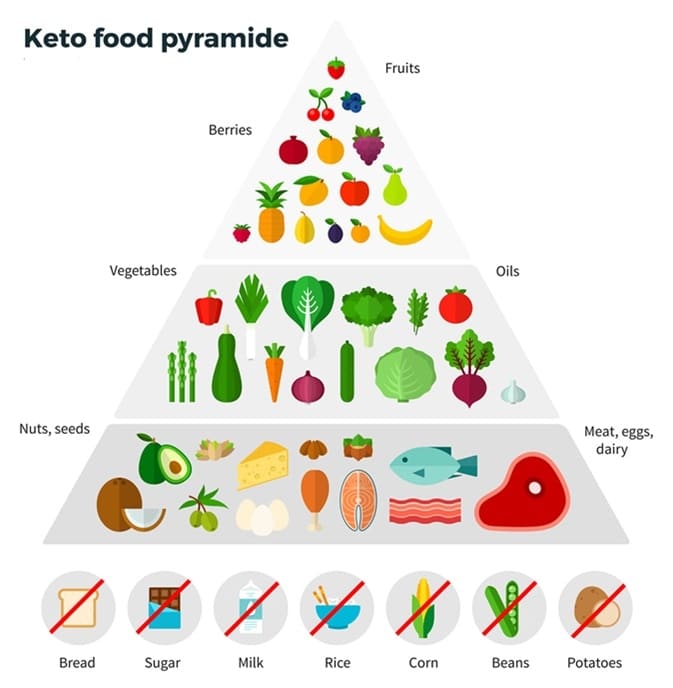
A keto diet, short for ketogenic diet, is a low-carbohydrate, high-fat diet that has gained popularity in recent years. This dietary approach involves drastically reducing your carb intake and replacing it with fat. By doing so, you enter a metabolic state known as ketosis, where your body starts using fat as its primary fuel source instead of carbohydrates. The main goal of the keto diet is to shift your body’s energy source from glucose to ketones, which are produced in the liver from the breakdown of fats.
How Does the Keto Diet Work?
Fuel Source Switch
One of the key principles of the keto diet is to switch your body’s primary fuel source from carbohydrates to fats. Usually, when you consume carbohydrates, your body breaks them down into glucose, which is then used for energy. However, on a keto diet, you consume minimal carbs, forcing your body to find an alternative energy source. By drastically reducing carbs and increasing fat intake, your body shifts its fuel preference from glucose to ketones, which are produced when carbohydrate intake is limited.
Ketosis
Ketosis is a metabolic state achieved by following a keto diet. During ketosis, your body starts producing ketones as an alternative energy source. Ketones are molecules produced by the liver from fatty acids. They can be used by all cells in the body, including the brain, as a source of energy. Achieving and maintaining a state of ketosis is the primary goal of the keto diet, as it enables your body to burn fat efficiently for fuel.
Reduced Insulin Levels
A significant benefit of the keto diet is the reduction in insulin levels. Insulin is a hormone produced by the pancreas that regulates blood sugar levels. When you consume carbohydrates, they are converted into glucose, causing a spike in blood sugar levels. In response, the pancreas releases insulin to help transport glucose into cells for energy or storage. However, on a keto diet, carbohydrate intake is significantly reduced, leading to lower blood sugar and insulin levels. This can be beneficial for individuals with insulin resistance or type 2 diabetes.
Benefits of the Keto Diet
Weight Loss
One of the primary reasons people choose to follow a keto diet is for weight loss. By drastically reducing carb intake and increasing fat intake, your body is forced to burn stored fat for fuel. When your body is in a state of ketosis, it becomes highly efficient at burning fat, leading to rapid weight loss. Additionally, the keto diet can help reduce appetite and decrease calorie intake, further promoting weight loss.
Reduced Hunger and Cravings
One of the advantages of the keto diet is its ability to reduce hunger and cravings. When you consume carbohydrates, they are quickly broken down into glucose, providing a quick source of energy. However, this energy is short-lived and can lead to hunger and cravings shortly after consumption. On a keto diet, where carbohydrate intake is minimal, your body remains in a state of ketosis, utilizing fat as its primary source of fuel. Fat is a slow-burning fuel source, providing sustained energy and helping to reduce hunger and cravings.
Improved Brain Function
Another potential benefit of the keto diet is improved brain function. The brain is a highly energy-demanding organ that primarily relies on glucose as its primary source of fuel. However, when you are in a state of ketosis, your brain can switch to using ketones for energy. Ketones are a more stable and efficient energy source for the brain, potentially leading to enhanced cognitive function, improved mental clarity, and increased focus. Some studies have even suggested that the keto diet may have therapeutic effects for certain neurological disorders, such as epilepsy.
Increased Energy Levels
Many individuals who follow a keto diet report increased energy levels. This is due to several factors. First, when your body is in a state of ketosis, it becomes highly efficient at burning fat for fuel. Fat is a rich source of energy, providing a sustained and steady supply of fuel throughout the day. Additionally, the stabilization of blood sugar levels achieved through reduced carbohydrate intake can also contribute to increased energy levels. Instead of experiencing energy crashes after consuming high-carb meals, the keto diet can provide a more consistent and sustained energy supply.
Potential Risks of the Keto Diet
Keto Flu
One potential side effect of starting a keto diet is the “keto flu.” This term refers to a collection of symptoms that some individuals experience during the initial stages of transitioning into ketosis. These symptoms can include fatigue, dizziness, nausea, irritability, and difficulty concentrating. The keto flu is generally temporary and can be managed by ensuring adequate hydration, replenishing electrolytes, and gradually transitioning into the diet to give your body time to adjust.
Nutrient Deficiencies
Following a keto diet can put you at risk of certain nutrient deficiencies. Since many nutrient-rich foods are restricted on the keto diet, such as fruits, whole grains, and legumes, it’s essential to ensure you’re getting a wide variety of nutrient-dense foods to meet your nutritional needs. For example, being deficient in fiber can lead to digestive issues. If you are considering a keto diet, it’s crucial to work with a healthcare professional or registered dietitian to develop a well-balanced meal plan that meets your nutrient requirements.
Digestive Issues
Another potential risk of the keto diet is digestive issues, particularly in the initial stages of transitioning into ketosis. When you drastically reduce your carbohydrate intake, it can impact your digestion and bowel movements. Some individuals may experience constipation, while others may experience diarrhea. These issues can often be managed by staying hydrated, increasing fiber intake from non-starchy vegetables, and gradually introducing new foods into your diet.
Heart Health Concerns
While the keto diet has been shown to promote weight loss and improvements in certain cardiovascular risk factors, such as blood sugar and triglyceride levels, there are some concerns regarding long-term heart health. The diet tends to be high in saturated fats, which, when consumed in excess, can raise LDL cholesterol levels and increase the risk of heart disease. It’s essential to prioritize heart-healthy fats, such as those found in avocados, olive oil, and nuts, and to monitor cholesterol levels regularly if following a keto diet.
Muscle Loss
Muscle loss can be a potential risk of the keto diet, particularly if protein intake is not adequately addressed. To preserve lean muscle mass, it’s essential to ensure you are consuming enough protein while on the keto diet. Protein is necessary for building and repairing tissues, including muscles. Incorporating a variety of high-quality protein sources, such as lean meats, fish, dairy products, and plant-based protein options, can help prevent muscle loss.

Who Should Avoid the Keto Diet?
Certain Medical Conditions
While the keto diet can be beneficial for many individuals, there are some medical conditions for which it may not be suitable. Suppose you have any pre-existing medical conditions, such as liver disease, pancreatitis, or certain types of kidney disease. In such cases, it’s essential to consult with a healthcare professional before starting a keto diet. Additionally, individuals who take medication for diabetes, high blood pressure, or other chronic conditions may need to adjust their medication dosage or monitor their health more closely if following a keto diet.
Pregnant or Breastfeeding Women
Pregnant or breastfeeding women should avoid the keto diet. During pregnancy and breastfeeding, it’s essential to have a well-balanced diet that provides all the necessary nutrients for the mother and the developing baby. The restriction of carbohydrates on the keto diet may not provide adequate nutrition for proper fetal development or milk production. It’s important to prioritize a balanced diet and consult with a healthcare professional for appropriate dietary recommendations during this time.
Athletes and Active Individuals
Athletes and highly active individuals may struggle to meet their energy needs on a keto diet. Since carbohydrates are the body’s preferred fuel source for intense physical activity, the keto diet may not provide enough readily available energy to support optimal performance. Carbohydrates also play a crucial role in replenishing muscle glycogen stores after exercise. Suppose you are an athlete or engage in vigorous physical activity. In that case, it’s essential to carefully consider the impact of a keto diet on your performance and discuss it with a sports nutrition specialist.
Individuals with Eating Disorders
Individuals with a history of eating disorders should avoid the keto diet. Restrictive diets, such as the keto diet, can potentially trigger disordered eating behaviors or negatively impact mental health. It’s essential to prioritize a healthy relationship with food and to consult with a healthcare professional or registered dietitian who specializes in eating disorders for appropriate dietary guidance and support.
Long-Term Sustainability
Difficulty in Maintaining
While the keto diet can be effective for short-term weight loss, it may be challenging to maintain in the long term. The strict limitations on carbohydrate intake can make it difficult to adhere to the diet consistently, especially in social situations or when dining out. It’s essential to consider a long-term eating plan that is sustainable and enjoyable for you personally, as a healthy diet should be a lifestyle rather than a temporary fix.
Restricted Food Choices
Another aspect of long-term sustainability is the restricted food choices on the keto diet. Staple foods such as bread, pasta, rice, and some fruits are significantly limited on a keto diet. This restriction may lead to boredom due to the limited variety of foods and may make it challenging to meet one’s nutrient needs. Adhering to a diet that offers a broader range of food choices can be more enjoyable and sustainable for many individuals.
Psychological Effects
It’s essential to consider the psychological effects of any diet, including the keto diet. Restrictive eating patterns can sometimes lead to feelings of deprivation, guilt, or anxiety around food. It’s crucial to prioritize a healthy and balanced relationship with food, promoting a positive mindset and enjoyment of meals. If the keto diet elicits negative emotions or impacts your mental well-being, it may not be the best dietary approach for you.
Tips for a Safe and Effective Keto Diet
Consult with a Healthcare Professional
Before embarking on a keto diet, it’s essential to consult with a healthcare professional, particularly if you have any pre-existing medical conditions or are taking medication. They can provide personalized advice and guidance tailored to your individual health needs, helping ensure that the keto diet is safe and suitable for you.
Gradual Transition
Transitioning into a keto diet gradually can help minimize the potential side effects and make the adjustment process more manageable. Instead of drastically reducing carbohydrate intake overnight, gradually reduce your carb intake while increasing your fat intake. This will give your body time to adapt to using fat as its primary fuel source.
Include a Variety of Nutrient-Dense Foods
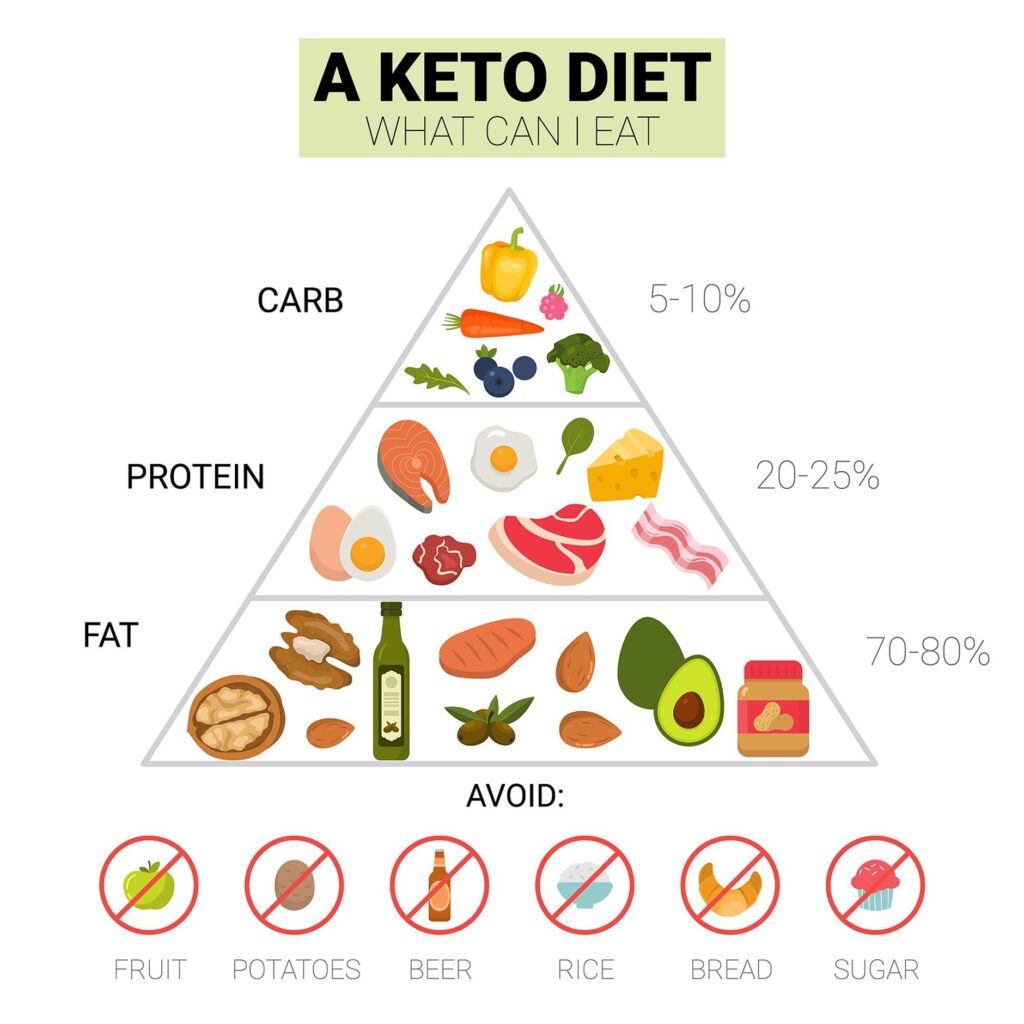
To promote overall health and prevent nutrient deficiencies, focus on incorporating a wide variety of nutrient-dense foods into your keto diet. Include plenty of non-starchy vegetables, lean protein sources, healthy fats, and low-carb fruits. This will help ensure that you are getting a balanced intake of essential vitamins, minerals, and antioxidants.
Hydration and Electrolyte Balance
When following a keto diet, it’s essential to pay attention to hydration and electrolyte balance. Since carbohydrates help retain water in the body, reducing carbohydrate intake can lead to increased fluid loss. Ensure you drink enough water throughout the day and consider supplementing with electrolytes, such as sodium, potassium, and magnesium, to maintain a healthy balance.
Monitoring and Adjusting as Needed
Regular monitoring of your body’s response to the keto diet is crucial for ensuring its safety and effectiveness. Keep track of your energy levels, mood, appetite, and overall well-being. Monitor your blood sugar levels, cholesterol levels, and any other relevant health markers. If you experience any adverse symptoms or notice any concerning changes, consult with a healthcare professional to make adjustments as needed.
The keto diet can be a potentially effective way to achieve weight loss, reduce hunger and cravings, and improve certain aspects of brain function. However, it’s essential to consider the potential risks and limitations of this dietary approach. The keto diet may not be suitable for everyone, particularly those with certain medical conditions, pregnant or breastfeeding women, athletes, and individuals with a history of eating disorders.
Long-term sustainability should also be considered, as well as the psychological effects of any diet. If you are considering the keto diet, it’s crucial to consult with a healthcare professional or registered dietitian for personalized advice and guidance to ensure safety and effectiveness.

RELATED TOPICS ABOUT Is Keto Diet Safe:
Is A Ketogenic Diet Safe For Ulcerative Colitis,
Is Keto Diet Actually Healthy,
Is Keto Diet Good For Acid Reflux,
Is Keto Diet Good For Acne,
Is Keto Diet Good For Adhd,
Is Keto Diet Good For Anemic Person,
Is Keto Diet Good For Anti Inflammatory,
Is Keto Diet Good For Arthritis,
Is Keto Diet Good For Athletes,
Is Keto Diet Good For Autoimmune Disease,
Is Keto Diet Good For Cholesterol,
Is Keto Diet Good For Coronary Artery Disease,
Is Keto Diet Good For Crohn’s Disease,
Is Keto Diet Good For Cutting,
Is Keto Diet Good For Eczema,
Is Keto Diet Good For Elderly,
Is Keto Diet Good For Endometriosis
============
Content 10/10/G


