The ketogenic diet, commonly referred to as the keto diet, is a low-carbohydrate, high-fat eating plan designed to shift your body’s metabolism away from carbohydrates and towards fat. By drastically reducing your intake of carbohydrates and replacing them with fats, you encourage your body to enter a state known as ketosis. In this metabolic state, your body becomes incredibly efficient at burning fat for energy, which can lead to significant weight loss and other health benefits.
The typical macronutrient breakdown for a keto diet consists of approximately 70-75% fats, 20-25% protein, and only about 5-10% carbohydrates. As you embark on this dietary journey, it’s essential to understand that the keto diet is not just a fad; it has been used for decades, initially developed in the 1920s as a treatment for epilepsy. Over the years, it has gained popularity among those looking to lose weight and improve their overall health.
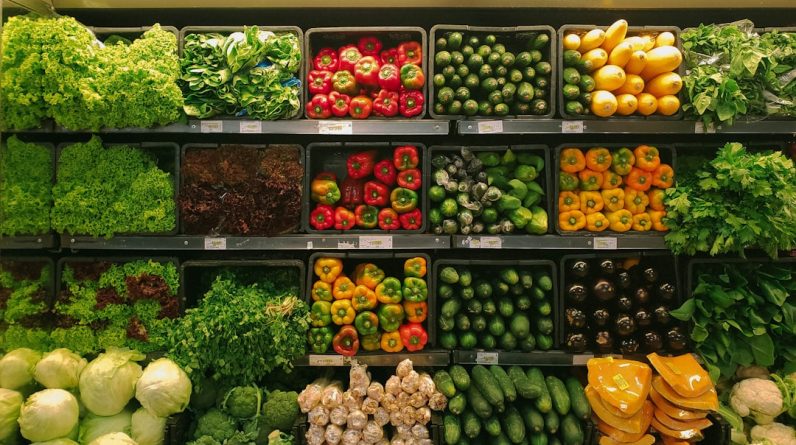
The diet encourages the consumption of whole foods such as meats, fish, eggs, dairy, nuts, seeds, and low-carb vegetables while avoiding sugary foods, grains, and starchy vegetables. This shift in eating habits can be challenging at first, but many find the results rewarding.
Key Takeaways
- A keto diet is a low-carb, high-fat diet that helps the body enter a state of ketosis, where it burns fat for energy.
- Benefits of a keto diet include weight loss, improved mental focus, and better blood sugar control.
- To start a keto diet, focus on reducing carb intake, increasing fat consumption, and incorporating moderate amounts of protein.
- Understanding macros in a keto diet involves tracking and balancing the intake of carbohydrates, fats, and proteins.
- Meal planning is crucial on a keto diet to ensure a balanced intake of macros and to avoid falling off track with high-carb foods.
Benefits of a Keto Diet
One of the most compelling reasons to consider a keto diet is its potential for weight loss. By limiting carbohydrate intake, your body begins to burn stored fat for energy, which can lead to rapid weight loss in the initial stages. Many individuals report losing several pounds within the first week of starting the diet.
Additionally, the high-fat content of the diet can help you feel fuller for longer periods, reducing cravings and making it easier to stick to your eating plan. Beyond weight loss, the keto diet has been associated with various health benefits. Research suggests that it may improve blood sugar control and insulin sensitivity, making it a viable option for those with type 2 diabetes or prediabetes.
Furthermore, some studies indicate that the keto diet may have neuroprotective effects, potentially benefiting individuals with neurological disorders such as Alzheimer’s disease and Parkinson’s disease. The anti-inflammatory properties of a ketogenic lifestyle can also contribute to improved overall health and well-being.
How to Start a Keto Diet
Starting a keto diet requires careful planning and preparation. First and foremost, you should educate yourself about the foods that fit within the parameters of this eating plan. Familiarize yourself with low-carb vegetables like spinach, kale, and broccoli, as well as healthy fats such as avocados, olive oil, and coconut oil.
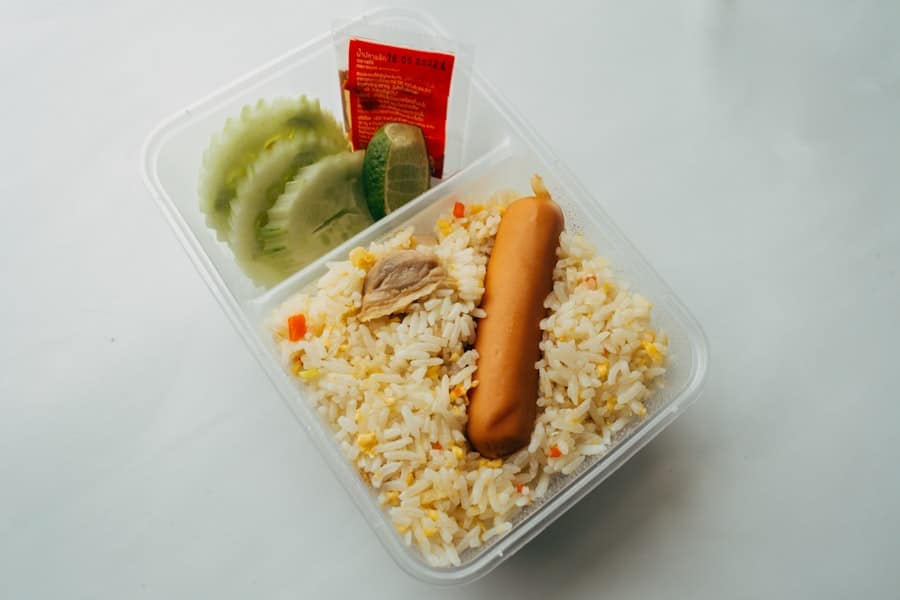
It’s also crucial to understand which foods to avoid—this includes bread, pasta, rice, sugary snacks, and most fruits. Once you have a solid understanding of what to eat and what to avoid, consider setting realistic goals for your keto journey. Whether you aim to lose weight, improve your energy levels, or enhance your mental clarity, having clear objectives will help keep you motivated.
Additionally, it may be beneficial to track your food intake using an app or journal to ensure you stay within your desired macronutrient ratios.
Understanding Macros in a Keto Diet
Macros, short for macronutrients, are the nutrients that provide us with energy: carbohydrates, proteins, and fats. In a keto diet, understanding how to balance these macronutrients is crucial for achieving and maintaining ketosis. As mentioned earlier, the typical macro ratio for a ketogenic diet is around 70-75% fats, 20-25% protein, and only 5-10% carbohydrates.
This unique balance is what sets the keto diet apart from other dietary approaches. To effectively manage your macros on a keto diet, you may want to calculate your daily caloric needs based on your age, gender, weight, and activity level. From there, you can determine how many grams of each macronutrient you should aim for each day.
For instance, if you consume 2,000 calories daily on a keto diet with a macro ratio of 75% fat, you would need approximately 167 grams of fat per day. Understanding these numbers will empower you to make informed food choices that align with your dietary goals.
Importance of Meal Planning on a Keto Diet
Meal planning is an essential component of successfully following a keto diet. By planning your meals in advance, you can ensure that you have access to keto-friendly foods throughout the week while minimizing the temptation to stray from your dietary goals. Meal planning also allows you to save time and money by reducing food waste and preventing impulse purchases at the grocery store.
Moreover, having a structured meal plan can help you maintain variety in your diet. It’s easy to fall into a routine of eating the same meals repeatedly; however, by planning ahead and exploring new recipes or ingredients, you can keep your meals exciting and enjoyable. This variety not only helps prevent boredom but also ensures that you receive a wide range of nutrients necessary for optimal health.
How to Create a Printable Keto Meal Plan

Creating a printable keto meal plan can be an effective way to stay organized and committed to your dietary goals. Start by selecting a format that works best for you—this could be a simple table or a more detailed planner that includes space for notes and grocery lists. Once you have your template ready, begin by brainstorming meal ideas for breakfast, lunch, dinner, and snacks throughout the week.
As you compile your meal plan, consider incorporating different protein sources and vegetables to ensure variety. You might include dishes like scrambled eggs with spinach for breakfast or grilled chicken with zucchini noodles for dinner. After finalizing your meals for the week, create a corresponding grocery list based on the ingredients needed for each recipe.
This list will serve as your guide when shopping for keto-friendly foods.
Sample Keto Meal Plan for a Week
To give you an idea of what a week on a keto diet might look like, here’s a sample meal plan: **Day 1:**
– Breakfast: Avocado and eggs
– Lunch: Spinach salad with grilled chicken
– Dinner: Zucchini noodles with marinara sauce and meatballs
– Snack: Almonds **Day 2:**
– Breakfast: Greek yogurt with chia seeds
– Lunch: Lettuce wraps with turkey and cheese
– Dinner: Baked salmon with asparagus
– Snack: Celery sticks with cream cheese **Day 3:**
– Breakfast: Smoothie with spinach and coconut milk
– Lunch: Cauliflower rice stir-fry
– Dinner: Beef stir-fry with bell peppers
– Snack: Hard-boiled eggs **Day 4:**
– Breakfast: Omelet with mushrooms and cheese
– Lunch: Chicken Caesar salad
– Dinner: Pork chops with broccoli
– Snack: Olives **Day 5:**
– Breakfast: Chia pudding with coconut flakes
– Lunch: Egg salad lettuce wraps
– Dinner: Shrimp tacos in lettuce wraps
– Snack: Cheese slices **Day 6:**
– Breakfast: Bacon and eggs
– Lunch: Tuna salad with avocado
– Dinner: Grilled steak with Brussels sprouts
– Snack: Macadamia nuts **Day 7:**
– Breakfast: Smoothie bowl with nuts
– Lunch: Cobb salad
– Dinner: Chicken curry with cauliflower rice
– Snack: Cucumber slices with guacamole This sample meal plan provides a variety of flavors and textures while adhering to keto guidelines.
Tips for Successful Meal Planning on a Keto Diet
To maximize your success on a keto meal plan, consider implementing some practical tips. First and foremost, always keep your pantry stocked with keto-friendly staples such as nuts, seeds, oils, and low-carb snacks. This way, when hunger strikes or cravings hit unexpectedly, you’ll have healthy options readily available.
Another helpful tip is to batch cook meals or ingredients in advance. For instance, preparing large quantities of roasted vegetables or grilled meats can save time during busy weekdays when cooking may feel overwhelming. Additionally, don’t hesitate to experiment with new recipes or cooking methods; this can keep your meals fresh and exciting while helping you discover new favorites.
Grocery Shopping for a Keto Meal Plan
When grocery shopping for your keto meal plan, it’s essential to stick to the perimeter of the store where fresh produce, meats, and dairy products are typically located. This strategy helps you avoid processed foods that are often high in carbohydrates and sugars. Make it a habit to read labels carefully; many seemingly healthy products can contain hidden sugars or carbs that could derail your progress.
Consider shopping at local farmers’ markets or health food stores where you can find organic produce and specialty items tailored for ketogenic diets. Additionally, buying in bulk can save money in the long run—just ensure that any bulk items are low in carbs. Planning your shopping trip around your meal plan will help streamline the process and ensure that you have everything you need for the week ahead.
Meal Prepping for a Keto Diet
Meal prepping is an excellent strategy for staying on track with your keto diet while saving time during busy weeks. Start by dedicating one day each week—often Sunday works well—to prepare meals in advance. Cook large batches of proteins like chicken or beef and portion them out into containers along with prepped vegetables or salads.
You can also prepare snacks in advance by portioning out nuts or cheese into small bags or containers for easy grab-and-go options throughout the week. By having meals ready to go in your fridge or freezer, you’ll be less likely to reach for non-keto options when hunger strikes.
Adjusting and Adapting the Keto Meal Plan for Your Needs
As you progress on your keto journey, it’s important to remember that flexibility is key. Everyone’s body responds differently to dietary changes; therefore, it may be necessary to adjust your meal plan based on how you feel or any specific goals you have set for yourself. If you’re not seeing the results you desire or if you’re feeling fatigued or unwell, consider tweaking your macronutrient ratios or incorporating more variety into your meals.
Listening to your body is crucial; if certain foods make you feel sluggish or bloated, it may be worth eliminating them from your diet altogether. Additionally, don’t hesitate to seek support from online communities or local groups focused on ketogenic living; sharing experiences and tips can provide motivation and encouragement as you navigate this lifestyle change. In conclusion, embarking on a keto diet can be an exciting journey filled with numerous health benefits when approached thoughtfully and strategically.
By understanding the fundamentals of the diet—such as macros and meal planning—you can set yourself up for success while enjoying delicious meals along the way. Remember that every individual’s experience will differ; therefore, remain open-minded as you adapt this lifestyle to suit your unique needs and preferences.
FAQs
What is a keto diet?
A keto diet is a low-carb, high-fat diet that involves drastically reducing carbohydrate intake and replacing it with fat. This reduction in carbs puts the body into a metabolic state called ketosis, where the body becomes incredibly efficient at burning fat for energy.
What are the benefits of a keto diet?
Some potential benefits of a keto diet include weight loss, improved blood sugar control, increased mental clarity and focus, and reduced risk of certain diseases such as heart disease and type 2 diabetes.
What foods are allowed on a keto diet?
Foods that are typically allowed on a keto diet include meats, fatty fish, eggs, cheese, butter, cream, nuts and seeds, healthy oils (such as olive oil and coconut oil), low-carb vegetables (such as leafy greens, broccoli, and cauliflower), and some low-sugar fruits (such as berries).
What foods should be avoided on a keto diet?
Foods that are typically avoided on a keto diet include sugary foods and drinks, grains or starches, fruit, beans or legumes, root vegetables, low-fat or diet products, unhealthy fats, and alcohol.
Is it necessary to follow a meal plan on a keto diet?
While it is not necessary to follow a meal plan on a keto diet, some people find it helpful for staying on track and ensuring they are consuming the right balance of macronutrients. A printable meal plan can be a convenient tool for planning and preparing keto-friendly meals.