The Keto diet, short for the ketogenic diet, is a high-fat, low-carbohydrate eating plan designed to shift your body’s metabolism from burning glucose to burning fat. By drastically reducing your carbohydrate intake and replacing it with fat, you enter a metabolic state known as ketosis. In this state, your body becomes incredibly efficient at burning fat for energy, which can lead to significant weight loss and improved health markers.
The typical macronutrient breakdown for a Keto diet consists of approximately 70-75% fat, 20-25% protein, and only about 5-10% carbohydrates. As you embark on this dietary journey, you may find that the Keto diet not only helps with weight management but also offers potential benefits such as increased energy levels, improved mental clarity, and reduced hunger pangs.
However, transitioning to a Keto lifestyle can be challenging, especially if you are accustomed to a higher carbohydrate intake. Understanding the principles of the diet and how to effectively implement it into your daily routine is crucial for success.
Key Takeaways
- The Keto diet is a low-carb, high-fat diet that aims to put the body into a state of ketosis, where it burns fat for fuel instead of carbohydrates.
- Salads play a crucial role in the Keto diet as they are a great way to incorporate healthy fats, protein, and low-carb vegetables into your meals.
- Not all salads are Keto-friendly, as some may contain high-carb ingredients like croutons, sweet dressings, or fruits. It’s important to choose ingredients carefully.
- The best vegetables for Keto salads include leafy greens, cruciferous vegetables, and low-carb options like cucumber, bell peppers, and avocado.
- Keto-friendly salad dressings include options like olive oil, avocado oil, and full-fat dairy-based dressings, while avoiding high-sugar options like honey mustard or balsamic vinaigrette.
The role of salads in the Keto diet
Salads play a vital role in the Keto diet, serving as a versatile and nutritious option that can easily fit within your macronutrient goals. They provide an excellent way to incorporate a variety of low-carb vegetables, healthy fats, and proteins into your meals. Salads can be customized to suit your taste preferences while ensuring you stay within your carbohydrate limits.
This flexibility makes salads an ideal choice for those following a Keto lifestyle. In addition to being low in carbohydrates, salads are packed with essential vitamins, minerals, and antioxidants that support overall health. Leafy greens like spinach and kale are rich in nutrients while being low in calories, making them perfect for filling your plate without exceeding your carb allowance.
By adding healthy fats such as avocado or olive oil, you can enhance the flavor and nutritional profile of your salad while keeping it Keto-friendly. This combination of low-carb vegetables and healthy fats not only satisfies your hunger but also provides the necessary nutrients to fuel your body effectively.
Are all salads Keto-friendly?
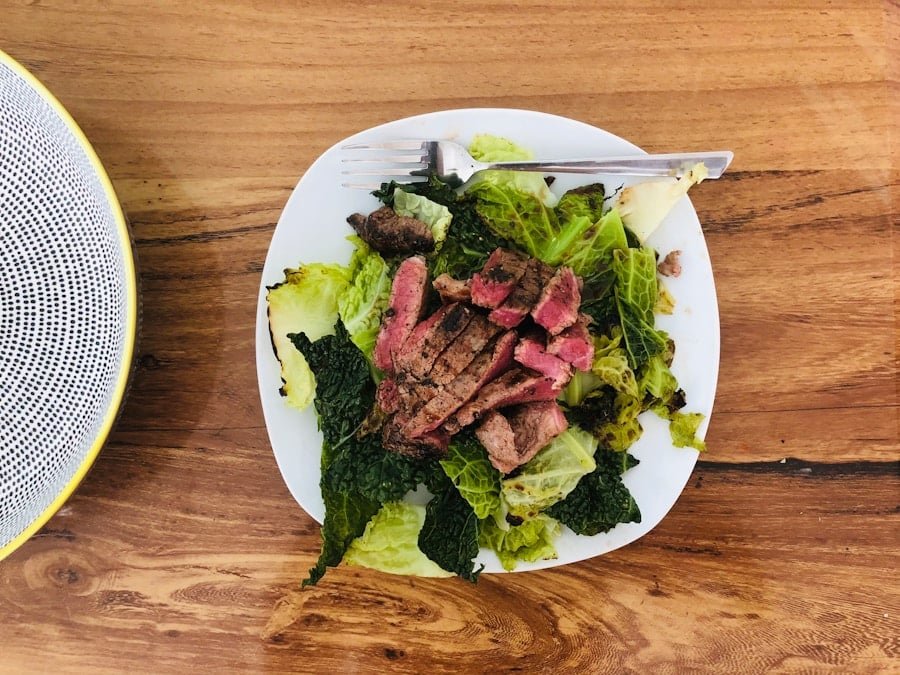
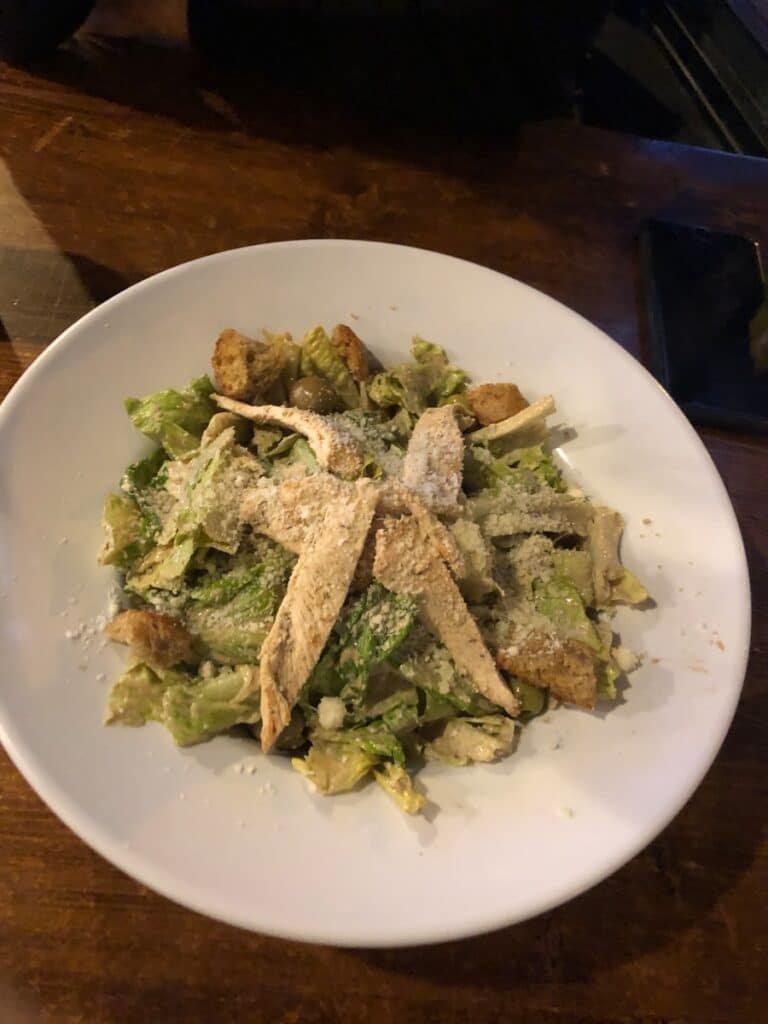
While salads can be a fantastic addition to your Keto diet, not all salads are created equal. Some salads may contain hidden carbohydrates that can quickly add up and push you out of ketosis. For instance, salads that include high-carb ingredients like croutons, sweet dressings, or starchy vegetables such as corn or peas may not be suitable for a strict Keto regimen.
It’s essential to be mindful of what goes into your salad to ensure it aligns with your dietary goals. To create a truly Keto-friendly salad, focus on using low-carb vegetables as your base. Leafy greens like romaine lettuce, arugula, and spinach are excellent choices.
Additionally, be cautious with toppings and dressings; opt for those that are low in sugar and carbohydrates. By being selective about the ingredients you use, you can enjoy delicious salads that support your Keto lifestyle without compromising your progress.
Best vegetables for Keto salads
When crafting a Keto salad, choosing the right vegetables is crucial for keeping your carbohydrate intake in check while maximizing flavor and nutrition. Leafy greens should form the foundation of your salad; options like spinach, kale, arugula, and romaine lettuce are all excellent choices. These greens are not only low in carbs but also rich in vitamins A, C, and K, as well as fiber.
In addition to leafy greens, consider adding other low-carb vegetables such as cucumbers, bell peppers, radishes, and zucchini. These vegetables provide crunch and flavor without significantly impacting your carb count. Avocado is another fantastic addition; it’s high in healthy fats and adds creaminess to your salad while being low in carbohydrates.
By mixing and matching these vegetables, you can create a colorful and satisfying salad that aligns perfectly with your Keto goals.
Keto-friendly salad dressings
Salad dressings can make or break your Keto salad experience. Many store-bought dressings are loaded with sugars and unhealthy fats that can derail your dietary efforts. To keep your salads Keto-friendly, it’s best to either make your own dressings or choose store-bought options that are specifically labeled as low-carb or sugar-free.
A simple homemade dressing can be made using olive oil, vinegar (such as apple cider or balsamic), mustard, and herbs or spices for flavor.
Creamy dressings made from ingredients like avocado or Greek yogurt can also be delicious options that provide richness without the carbs.
Always check the labels when purchasing dressings to ensure they align with your dietary needs.
Tips for making a Keto-friendly salad
Combining Textures and Flavors
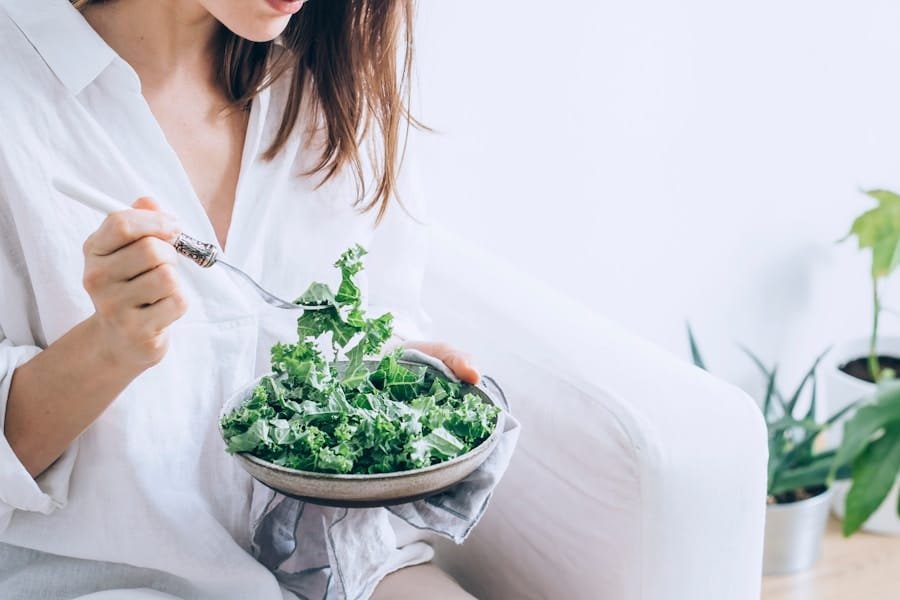
Start by selecting a variety of textures and flavors to keep things interesting; combine crunchy vegetables with creamy elements like avocado or cheese. Incorporating different colors not only makes your salad visually appealing but also ensures you’re getting a range of nutrients.
Adding Protein for a Complete Meal
Don’t forget about protein! Adding sources of protein such as grilled chicken, shrimp, or hard-boiled eggs can turn a simple salad into a complete meal. Nuts and seeds can also provide healthy fats and additional crunch.
Elevating Flavor without Adding Carbs
Finally, experiment with herbs and spices to elevate the flavor profile of your salad without adding extra carbs. Fresh herbs like basil or cilantro can add brightness, while spices like cumin or paprika can introduce warmth and depth.
Benefits of incorporating salads into a Keto diet
Incorporating salads into your Keto diet offers numerous benefits beyond just being a low-carb option. Salads are an excellent way to increase your vegetable intake, which is essential for overall health. The fiber found in vegetables aids digestion and helps maintain gut health while keeping you feeling full longer.
This can be particularly beneficial on a Keto diet where fiber intake may be lower due to reduced carbohydrate consumption. Moreover, salads provide an opportunity to experiment with various ingredients and flavors, preventing meal fatigue that can sometimes accompany restrictive diets. By regularly including salads in your meals, you can enjoy a diverse range of nutrients that support overall well-being while staying on track with your dietary goals.
The versatility of salads means you can adapt them to suit seasonal produce or personal preferences, making them an enjoyable staple in your Keto lifestyle.
Sample Keto salad recipes
To inspire you on your Keto journey, here are a couple of sample salad recipes that are both delicious and easy to prepare: 1. **Avocado Chicken Salad**: Start with a base of mixed greens or spinach. Add diced grilled chicken breast for protein and sliced avocado for healthy fats.
Toss in cherry tomatoes and cucumber slices for added crunch. Drizzle with olive oil and lemon juice for a refreshing dressing. 2.
**Greek Salad**: Combine chopped romaine lettuce with diced cucumbers, bell peppers, red onion, and Kalamata olives. Crumble feta cheese on top for added flavor and creaminess. Dress with olive oil, red wine vinegar, oregano, salt, and pepper for a classic Greek touch.
By incorporating these recipes into your meal planning, you can enjoy satisfying salads that align perfectly with your Keto lifestyle while reaping the numerous health benefits they offer.
FAQs
What is the keto diet?
The keto diet is a high-fat, low-carbohydrate diet that has been shown to help with weight loss and improve certain health conditions. It involves drastically reducing carbohydrate intake and replacing it with fat, putting the body into a metabolic state called ketosis.
Are salads keto-friendly?
Salads can be keto-friendly, depending on the ingredients used. Keto-friendly salads typically include low-carb vegetables, high-fat toppings like avocado or cheese, and a high-fat dressing such as olive oil or ranch.
What are some keto-friendly salad ingredients?
Keto-friendly salad ingredients include leafy greens like spinach and kale, low-carb vegetables like cucumber and bell peppers, high-fat toppings like avocado, cheese, and nuts, and high-fat dressings like olive oil, avocado oil, or ranch.
What should be avoided in a keto salad?
In a keto salad, it’s best to avoid high-carb ingredients like croutons, sweetened dressings, and high-sugar fruits like grapes or dried fruits. It’s also important to be mindful of portion sizes for higher-carb vegetables like tomatoes and carrots.
Can I eat a salad on a keto diet?
Yes, you can eat a salad on a keto diet as long as you choose keto-friendly ingredients and dressings. Salads can be a great way to incorporate healthy fats and nutrient-dense vegetables into a keto meal plan.