
The Mediterranean Ketogenic Diet is a unique fusion of two popular dietary approaches: the Mediterranean diet and the ketogenic diet. This innovative eating plan emphasizes high-fat, low-carbohydrate foods while incorporating the rich flavors and healthful ingredients characteristic of Mediterranean cuisine. You may find this combination appealing, as it not only promotes weight loss and improved metabolic health but also offers a variety of delicious meals that can make your dietary journey enjoyable.
At its core, the Mediterranean Ketogenic Diet encourages you to consume healthy fats, moderate protein, and very few carbohydrates. This means that you will be focusing on foods like avocados, nuts, seeds, fatty fish, and olive oil while minimizing your intake of grains, sugars, and starchy vegetables. By adopting this diet, you can experience the benefits of ketosis—a metabolic state where your body burns fat for fuel instead of carbohydrates—while also enjoying the vibrant flavors and health benefits associated with Mediterranean eating.
Key Takeaways
- The Mediterranean Ketogenic Diet combines the principles of the traditional Mediterranean diet with the low-carb, high-fat approach of the ketogenic diet.
- Benefits of the Mediterranean Ketogenic Diet include improved heart health, weight loss, and mental clarity.
- Foods to eat on the Mediterranean Ketogenic Diet include fish, seafood, olive oil, nuts, seeds, and low-carb vegetables.
- Foods to avoid on the Mediterranean Ketogenic Diet include grains, sugar, processed foods, and high-carb fruits.
- A sample meal plan for the Mediterranean Ketogenic Diet may include grilled salmon with a Greek salad, olive oil, and feta cheese, and a snack of mixed nuts and olives.
The Benefits of the Mediterranean Ketogenic Diet
One of the most significant advantages of the Mediterranean Ketogenic Diet is its potential to improve overall health. By combining the heart-healthy fats of the Mediterranean diet with the fat-burning benefits of ketosis, you may find that your body becomes more efficient at utilizing fat for energy. This can lead to weight loss, increased energy levels, and improved metabolic function.
You might also notice a reduction in cravings and hunger pangs, making it easier to stick to your dietary goals. In addition to weight management, this diet can have a positive impact on your cardiovascular health. The Mediterranean diet is renowned for its heart-healthy properties, thanks to its emphasis on healthy fats and nutrient-dense foods.
By following the Mediterranean Ketogenic Diet, you may experience lower cholesterol levels, reduced blood pressure, and improved overall heart function. This combination of benefits can help you feel more vibrant and energetic while also supporting long-term health.
Foods to Eat on the Mediterranean Ketogenic Diet
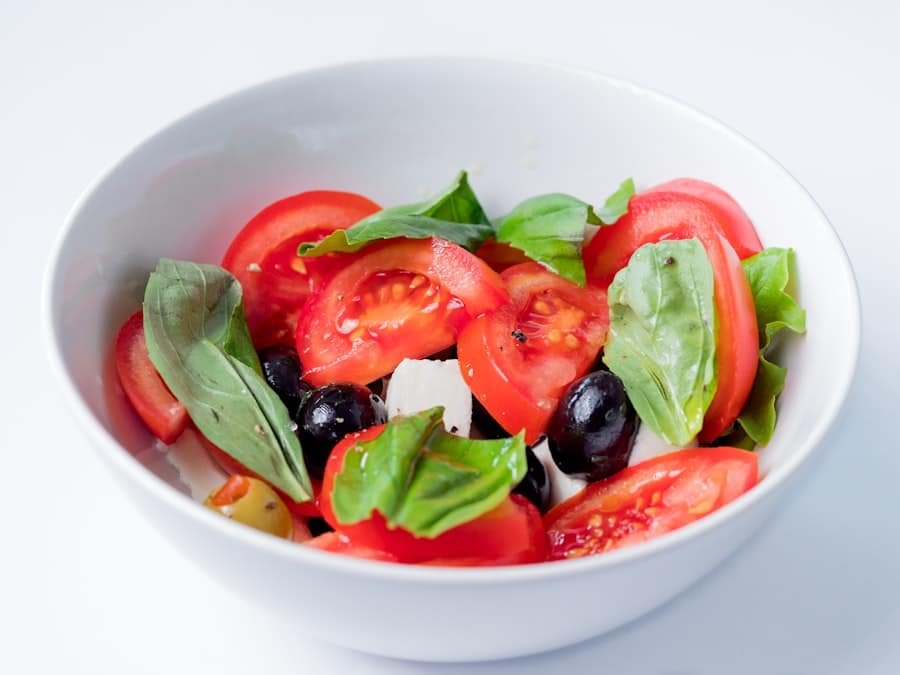
When embarking on the Mediterranean Ketogenic Diet, you’ll want to fill your plate with a variety of nutrient-dense foods that align with both dietary philosophies. Healthy fats should be at the forefront of your meals. You can enjoy olive oil, avocados, nuts (such as almonds and walnuts), and seeds (like chia and flaxseeds) as staples in your diet.
These foods not only provide essential fatty acids but also contribute to satiety, helping you feel full and satisfied. In addition to healthy fats, you’ll want to include moderate amounts of high-quality protein sources. Fatty fish like salmon, sardines, and mackerel are excellent choices due to their omega-3 content.
You can also incorporate poultry, eggs, and grass-fed meats into your meals. Don’t forget to add plenty of non-starchy vegetables such as leafy greens, bell peppers, zucchini, and eggplant. These vegetables are low in carbohydrates but high in fiber and essential vitamins, making them perfect companions for your ketogenic journey.
Foods to Avoid on the Mediterranean Ketogenic Diet
While the Mediterranean Ketogenic Diet offers a wide array of delicious foods to enjoy, there are certain items you should avoid to maintain ketosis and reap the benefits of this eating plan. First and foremost, you’ll want to steer clear of high-carbohydrate foods such as bread, pasta, rice, and other grains. These foods can quickly elevate your carbohydrate intake and hinder your ability to enter or maintain ketosis.
Additionally, sugary foods and beverages should be eliminated from your diet. This includes candies, pastries, sodas, and even fruit juices that are high in sugar content. While some fruits can be enjoyed in moderation on a ketogenic diet, it’s best to limit your intake of high-sugar fruits like bananas and grapes.
Instead, focus on low-carb options such as berries when you crave something sweet. By avoiding these foods, you can better support your body’s transition into ketosis and enjoy the full benefits of the Mediterranean Ketogenic Diet.
Sample Meal Plan for the Mediterranean Ketogenic Diet
Creating a meal plan can be an effective way to ensure you’re meeting your nutritional needs while enjoying the flavors of the Mediterranean Ketogenic Diet. For breakfast, consider starting your day with a delicious omelet made with eggs, spinach, feta cheese, and olives cooked in olive oil. This meal is packed with healthy fats and protein to keep you energized throughout the morning.
For lunch, you might enjoy a refreshing salad featuring mixed greens topped with grilled chicken or salmon, avocado slices, cherry tomatoes, cucumbers, and a drizzle of olive oil and lemon juice for dressing. This meal is not only satisfying but also provides a wealth of nutrients. As for dinner, consider preparing a dish of roasted vegetables alongside a serving of lamb or beef kebabs marinated in herbs and spices.
This combination will keep your taste buds happy while adhering to your dietary goals.
How to Incorporate Mediterranean Flavors into Ketogenic Cooking
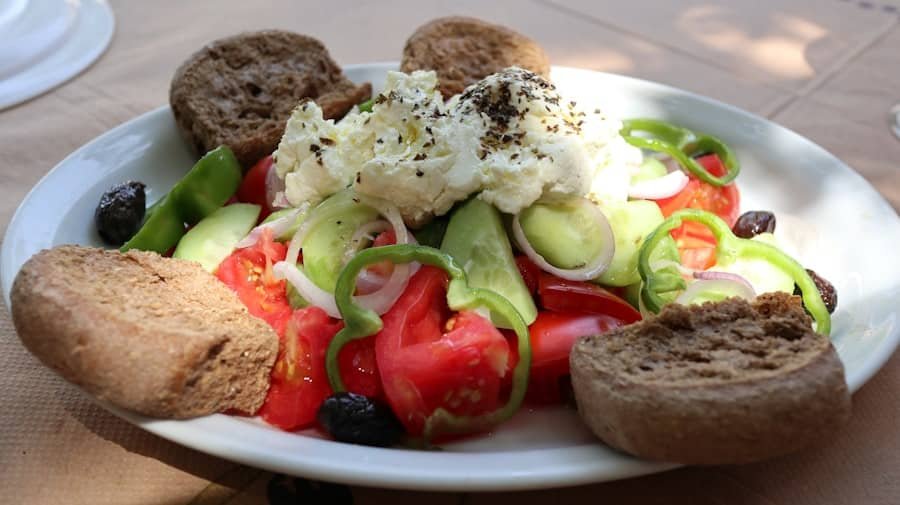
Incorporating Mediterranean flavors into your ketogenic cooking can elevate your meals and make them more enjoyable. One way to do this is by using fresh herbs and spices that are staples in Mediterranean cuisine. Basil, oregano, rosemary, thyme, and parsley can add depth and complexity to your dishes without adding extra carbohydrates.
Experimenting with these herbs can transform simple ingredients into flavorful masterpieces. Another way to infuse Mediterranean flair into your meals is by utilizing traditional ingredients such as olives, capers, sun-dried tomatoes, and artichokes. These ingredients not only enhance flavor but also provide additional health benefits.
For instance, olives are rich in healthy fats and antioxidants while sun-dried tomatoes offer a concentrated source of vitamins. By incorporating these elements into your cooking, you can create dishes that are both satisfying and aligned with your dietary goals.
The Role of Olive Oil in the Mediterranean Ketogenic Diet
Olive oil is a cornerstone of both the Mediterranean diet and the Mediterranean Ketogenic Diet. Its high monounsaturated fat content makes it an excellent choice for cooking and dressing salads alike. When you use olive oil in your meals, you’re not only enhancing flavor but also benefiting from its numerous health properties.
Rich in antioxidants and anti-inflammatory compounds, olive oil can support heart health and overall well-being. Incorporating olive oil into your daily routine is simple; you can drizzle it over vegetables before roasting or use it as a base for salad dressings. Additionally, consider using it as a finishing touch on cooked dishes for an extra burst of flavor.
By making olive oil a staple in your kitchen, you’ll be embracing one of the healthiest fats available while enjoying the delicious taste that defines Mediterranean cuisine.
Mediterranean Ketogenic Diet and Heart Health
The Mediterranean Ketogenic Diet has garnered attention for its potential benefits for heart health. The combination of healthy fats from sources like olive oil and fatty fish can help improve cholesterol levels by increasing HDL (good) cholesterol while lowering LDL (bad) cholesterol levels. This balance is crucial for maintaining cardiovascular health and reducing the risk of heart disease.
Moreover, the anti-inflammatory properties found in many Mediterranean foods—such as fruits, vegetables, nuts, and fish—can further support heart health by reducing inflammation throughout the body. By adopting this dietary approach, you may find that you’re not only enjoying flavorful meals but also taking proactive steps toward protecting your heart.
Mediterranean Ketogenic Diet and Weight Loss
If weight loss is one of your goals, the Mediterranean Ketogenic Diet may be an effective strategy for achieving it. The low-carbohydrate nature of this diet encourages your body to enter ketosis—a state where it burns fat for fuel instead of carbohydrates. As a result, you may experience more consistent energy levels throughout the day while shedding excess weight.
Additionally, the emphasis on healthy fats can help curb hunger pangs and cravings that often accompany traditional calorie-restricted diets. When you feel satisfied after meals due to higher fat content, you’re less likely to reach for unhealthy snacks or overeat at mealtimes. This combination of factors makes the Mediterranean Ketogenic Diet an appealing option for those looking to lose weight sustainably.
Mediterranean Ketogenic Diet and Mental Clarity
Beyond physical health benefits, the Mediterranean Ketogenic Diet may also enhance mental clarity and cognitive function. Research suggests that ketones—produced during ketosis—can serve as an efficient fuel source for the brain. This means that by following this diet, you may experience improved focus, concentration, and mental sharpness throughout the day.
Furthermore, many foods included in this diet—such as fatty fish rich in omega-3 fatty acids—are known to support brain health by reducing inflammation and promoting neuroprotection. By prioritizing these nutrient-dense foods in your meals, you’re not only nourishing your body but also supporting optimal brain function.
Tips for Success on the Mediterranean Ketogenic Diet
To ensure success on the Mediterranean Ketogenic Diet, consider implementing a few practical tips that can help you stay on track while enjoying this flavorful eating plan. First and foremost, meal prep can be a game-changer; by preparing meals in advance or having healthy snacks readily available, you’ll be less likely to reach for unhealthy options when hunger strikes. Additionally, staying hydrated is crucial for overall well-being while following any diet plan.
Drinking plenty of water throughout the day can help manage hunger levels and support metabolic processes. Lastly, don’t hesitate to experiment with new recipes or ingredients; embracing creativity in the kitchen can make your journey enjoyable while keeping boredom at bay. By following these guidelines and embracing the principles of the Mediterranean Ketogenic Diet, you can embark on a fulfilling culinary adventure that supports both your health goals and taste preferences.
FAQs
What is the Mediterranean Ketogenic Diet?
The Mediterranean Ketogenic Diet is a combination of the traditional Mediterranean diet and the ketogenic diet. It emphasizes healthy fats, lean proteins, and a high intake of vegetables, while also incorporating the principles of the ketogenic diet, which focuses on low-carbohydrate, high-fat intake to induce a state of ketosis in the body.
What are the main components of the Mediterranean Ketogenic Diet?
The main components of the Mediterranean Ketogenic Diet include olive oil, fatty fish, nuts, seeds, low-carbohydrate vegetables, lean proteins, and a moderate intake of dairy products. It also emphasizes the consumption of whole, unprocessed foods and limits the intake of refined sugars and carbohydrates.
What are the potential health benefits of the Mediterranean Ketogenic Diet?
The Mediterranean Ketogenic Diet has been associated with various health benefits, including weight loss, improved heart health, better blood sugar control, and reduced inflammation. It may also have potential benefits for brain health and cognitive function.
Is the Mediterranean Ketogenic Diet suitable for everyone?
The Mediterranean Ketogenic Diet may not be suitable for everyone, especially those with certain medical conditions or dietary restrictions. It is important to consult with a healthcare professional before starting any new diet, especially one that involves significant changes to macronutrient intake.
Are there any potential drawbacks or risks associated with the Mediterranean Ketogenic Diet?
Some potential drawbacks of the Mediterranean Ketogenic Diet include the initial adjustment period as the body transitions into ketosis, as well as the potential for nutrient deficiencies if the diet is not properly balanced. Additionally, some individuals may experience digestive discomfort or other side effects when first starting the diet. It is important to monitor for any adverse effects and make adjustments as needed.